How To Choose Right VDIS Indicator system For Switchgear?
VDIS Indicator system enhances switchgear safety with accurate voltage detection, reliable operation, and stable medium voltage performance.
VDIS Indicator system Importance In Modern Switchgear Safety
VDIS Indicator system provides essential voltage status information for medium voltage switchgear applications. Electrical operators need reliable confirmation before inspection, maintenance, or switching activities. A suitable indication solution reduces safety risks caused by unexpected voltage presence. Industrial facilities, substations, and power distribution networks often require accurate voltage monitoring equipment. The selection process should consider electrical parameters, installation conditions, environmental requirements, and supplier capability. Reliable voltage indication improves operational confidence and supports safer maintenance procedures. Professional buyers should evaluate technical specifications carefully because incorrect product selection may affect system reliability. A well-designed solution helps maintain stable switchgear performance and supports efficient power management in demanding industrial environments.
Working Principle And Voltage Detection Technology
Voltage detection technology relies on sensing components, signal transmission circuits, and visual indication modules. Capacitive coupling sensors detect electrical potential from primary circuits inside switchgear equipment. The collected signal transfers through dedicated circuits to the display unit for voltage status confirmation. Engineers evaluate detection accuracy, insulation performance, and signal stability during product selection. Different switchgear structures require different sensing arrangements because internal layouts and electrical configurations vary. Environmental conditions also influence long-term performance, especially in locations with humidity, dust, or temperature changes. Advanced designs focus on stable operation, clear indication, and reliable electrical separation. Proper technical matching ensures that voltage detection equipment can operate effectively throughout its service period.
Key Factors To Consider When Choosing Voltage Indication Solutions
Selecting suitable voltage indication equipment requires detailed evaluation of multiple technical factors. Rated voltage compatibility remains one of the most important considerations because each switchgear system operates under specific electrical conditions. Buyers should also review frequency range, insulation level, installation method, and environmental protection capability. Product dimensions must match the available installation space inside switchgear panels. Signal accuracy affects operator decisions during maintenance procedures, while protection features influence long-term reliability. Professional suppliers usually provide technical documents, testing records, and customization options for different applications. Careful evaluation helps purchasing teams avoid compatibility problems and improve project efficiency. The following table presents important selection factors and their effects on equipment performance.
| Selection Factor | Evaluation Requirement | Performance Impact |
|---|---|---|
| Rated Voltage | Match system voltage level and insulation requirements | Supports accurate voltage status display |
| Sensor Performance | Check detection accuracy and signal stability | Improves operational reliability |
| Installation Design | Confirm mounting structure compatibility | Allows efficient integration |
| Protection Level | Evaluate resistance against environmental factors | Extends equipment service life |
Voltage Range Requirements For Medium Voltage Switchgear Applications
Medium voltage switchgear projects require accurate voltage range matching to maintain safe and stable operation. Different applications, including industrial distribution systems and utility equipment, may use different voltage classes. Engineers should review system voltage, phase configuration, insulation coordination, and connection methods before purchasing. A suitable voltage indication product must operate correctly under normal electrical conditions and temporary system variations. Incorrect voltage matching may reduce detection reliability and create operational concerns. Buyers should request detailed specifications from suppliers to confirm compatibility with existing equipment. Technical evaluation before installation improves system safety and reduces unnecessary modification costs. Proper voltage selection supports reliable operation across various power distribution environments.
Installation Compatibility And Switchgear Integration
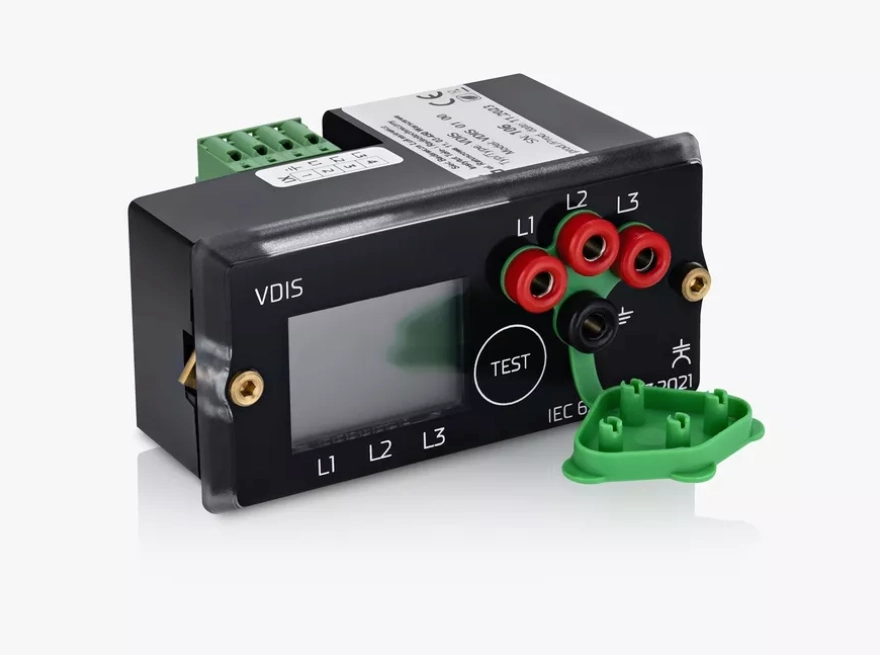
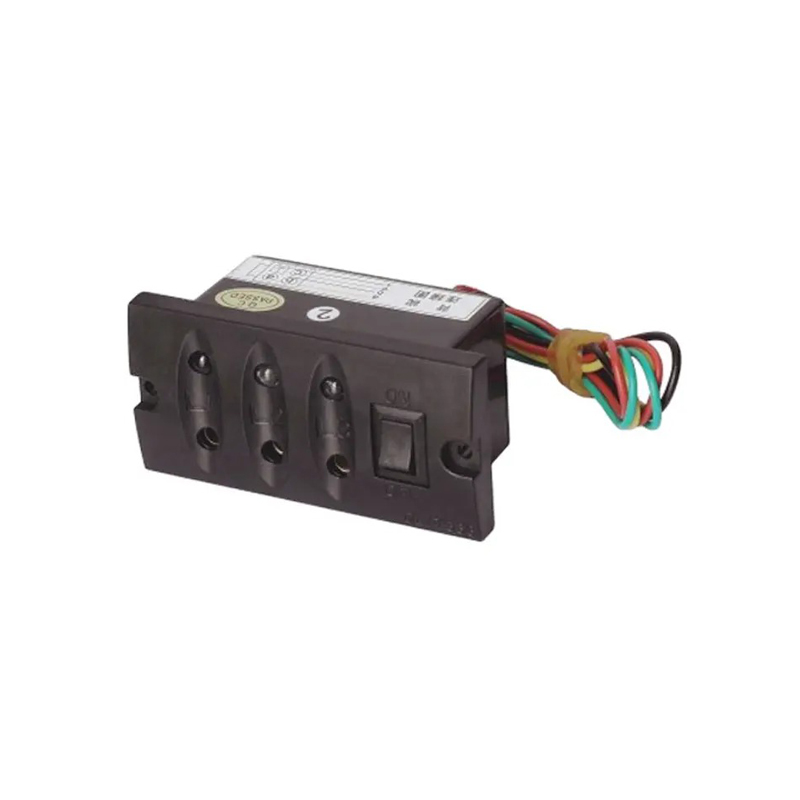
Switchgear integration requires careful evaluation of mechanical dimensions, electrical connections, and internal installation conditions. Engineers should confirm mounting positions, terminal arrangements, and sensor locations before completing installation. Compact designs provide advantages for modern switchgear panels with limited internal space. The 88x28mm Switchgear Voltage Indicator Vpis offers a compact structure that supports efficient panel arrangement and clear voltage status display. Installation quality directly affects signal accuracy and operational stability. Incorrect wiring, unsuitable mounting positions, or insufficient insulation distance may influence equipment performance. Professional suppliers usually provide technical drawings and installation recommendations to support smooth integration. A properly installed voltage indication solution improves maintenance convenience and helps operators manage electrical systems with greater confidence.
Safety Performance And Industry Standards For Voltage Detection Equipment
Safety performance depends on insulation quality, electrical design, and manufacturing consistency. Voltage detection equipment used in switchgear environments must maintain reliable operation under demanding electrical conditions. Engineers usually examine dielectric strength, clearance distance, creepage distance, and protective housing design during evaluation. These factors help reduce insulation failures and improve operational safety. Manufacturers with strict quality procedures often perform electrical tests, environmental assessments, and reliability checks before product delivery. A dependable indication solution should provide stable performance throughout long operating periods. Buyers should review technical documents and testing information before making purchasing decisions. Proper assessment ensures that selected equipment meets application requirements and supports safe operation in industrial power systems.
Essential Evaluation Points Before Purchasing Voltage Detection Products
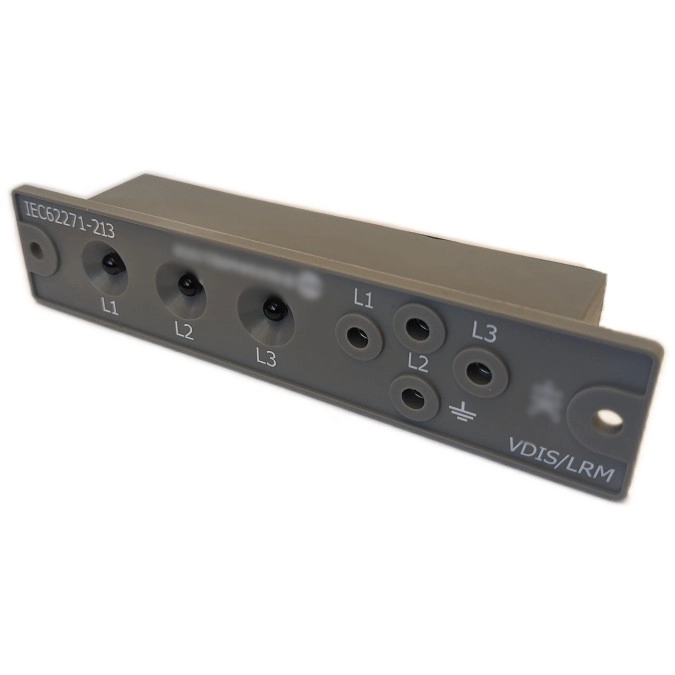
Purchasing teams should review several important factors before selecting voltage detection equipment. A structured evaluation process helps identify products that match technical requirements and operational conditions. Buyers should focus on both product performance and supplier service capability.
- Voltage compatibility with existing switchgear systems
- Detection accuracy and signal stability
- Resistance against moisture, dust, and temperature changes
- Flexible installation options for different structures
- Maintenance convenience and technical support
These evaluation points provide a practical method for comparing different solutions. Reliable suppliers usually offer complete specifications, application support, and quality documentation. Reviewing these details helps companies reduce procurement risks and improve equipment reliability. A professional evaluation process also supports better project planning and long-term operational stability. Careful product selection creates advantages for industrial users that require dependable electrical safety solutions.
Supplier Capability And Product Quality Assessment
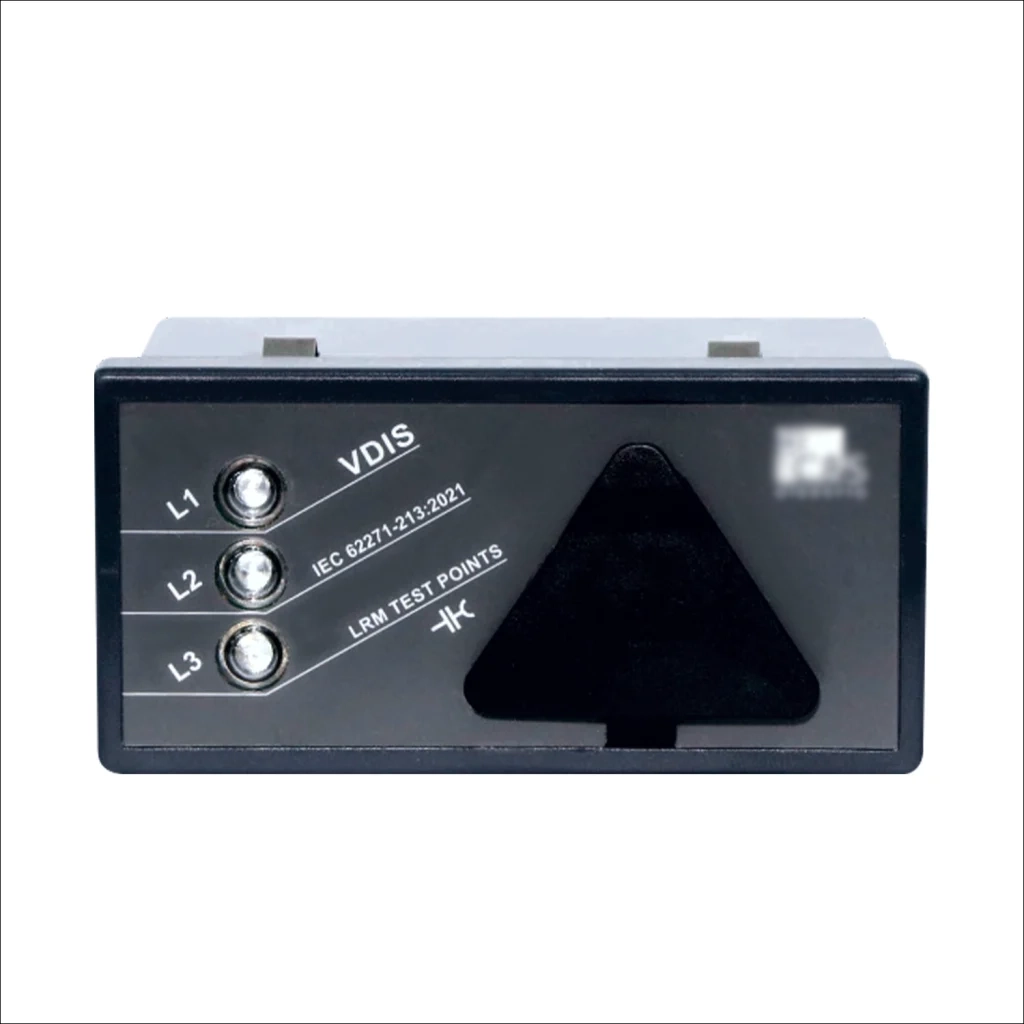
Supplier capability has a direct influence on product consistency, reliability, and service quality. Buyers should evaluate manufacturing processes, inspection systems, technical experience, and production capacity before cooperation. Professional suppliers usually control raw material quality, assembly accuracy, and final testing procedures. The 106x26mm Voltage Detecting Indicating System represents a compact solution where installation efficiency and reliable voltage status indication are important considerations. Suppliers with engineering experience can provide customized solutions according to switchgear design requirements. Quality certifications, technical documents, and responsive communication also affect supplier evaluation results. A comprehensive assessment helps companies select partners that provide stable products and effective support throughout project implementation.
| Supplier Evaluation Area | Key Assessment Content | Expected Benefit |
|---|---|---|
| Production Capability | Manufacturing equipment and process control | Improves product consistency |
| Quality Management | Inspection standards and testing procedures | Reduces performance risks |
| Technical Support | Engineering communication and customization | Improves project compatibility |
| Service Ability | Delivery management and after-sales response | Supports long-term cooperation |
Long Term Maintenance Practices For Reliable Operation
Long-term reliability depends on proper inspection methods and consistent maintenance management. Operators should regularly check indication status, electrical connections, and external conditions during scheduled inspections. Environmental factors such as moisture, dust, vibration, and temperature changes may influence component performance over time. Maintenance teams should record inspection results and compare equipment conditions with technical recommendations. Early identification of abnormal signals can prevent unexpected failures and reduce downtime. Reliable voltage indication equipment usually requires limited maintenance, but periodic verification remains necessary for critical electrical systems. A practical maintenance schedule should match operating conditions and equipment importance. Proper management extends service life and supports stable switchgear performance throughout continuous industrial applications.
Cost Evaluation And Technical Value Analysis
Cost evaluation should consider overall technical value instead of only initial purchasing expenses. Low-cost products may create additional costs if they require frequent replacement or provide unstable performance. Buyers should compare product quality, testing standards, supplier experience, and technical support before making decisions. A reliable voltage indication solution can reduce maintenance workload and improve operational confidence. Procurement teams should also evaluate customization capability because different switchgear structures may require specific dimensions or connection methods. Lifecycle costs include inspection time, spare parts, and possible operational interruptions. Selecting equipment with balanced performance and reasonable investment supports efficient project management. Professional suppliers can provide suitable recommendations according to electrical requirements, application conditions, and long-term operating goals.
Practical Selection Strategy For Switchgear Projects
A practical selection strategy combines electrical requirements, installation conditions, and supplier reliability. Engineers should confirm system parameters before comparing available products. Voltage level, switchgear structure, and environmental conditions should determine the final selection direction. Procurement teams should request technical specifications, testing information, and application recommendations from suppliers. Project success depends on accurate matching between equipment characteristics and actual operating conditions. A detailed evaluation process helps prevent installation problems and improves system efficiency. Companies should prioritize reliable performance because voltage indication equipment supports important safety procedures. Reviewing technical information before purchasing creates better results for industrial power projects. A professional selection approach also helps reduce maintenance requirements and improves operational stability during long-term use.