What Reduces High Voltage Cabinet Lighting Durability?
Switchgear cabinet lighting durability declines due to heat, dust, vibration, moisture, and voltage instability in industrial cabinets.
Why switchgear cabinet lighting faces durability challenges
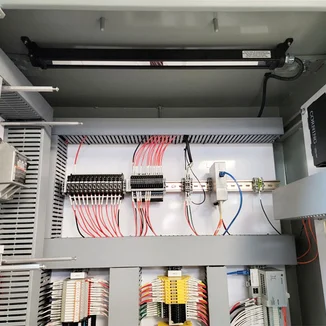
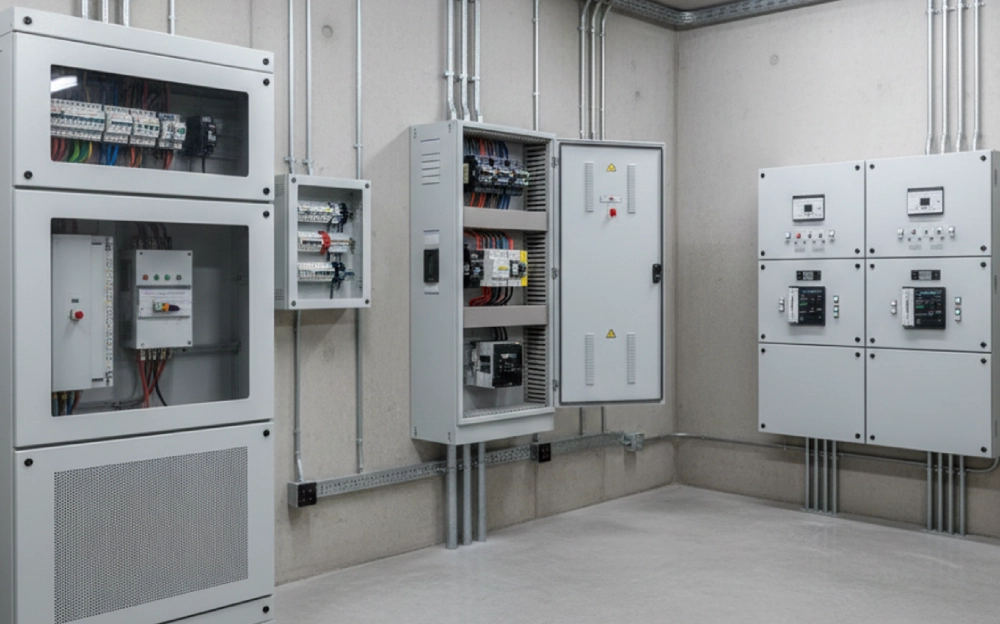
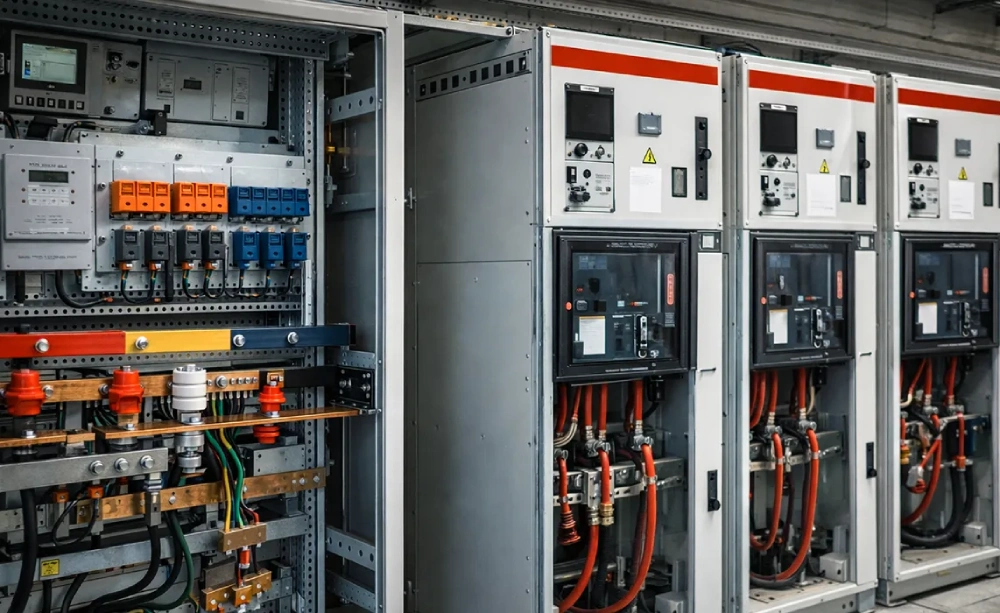
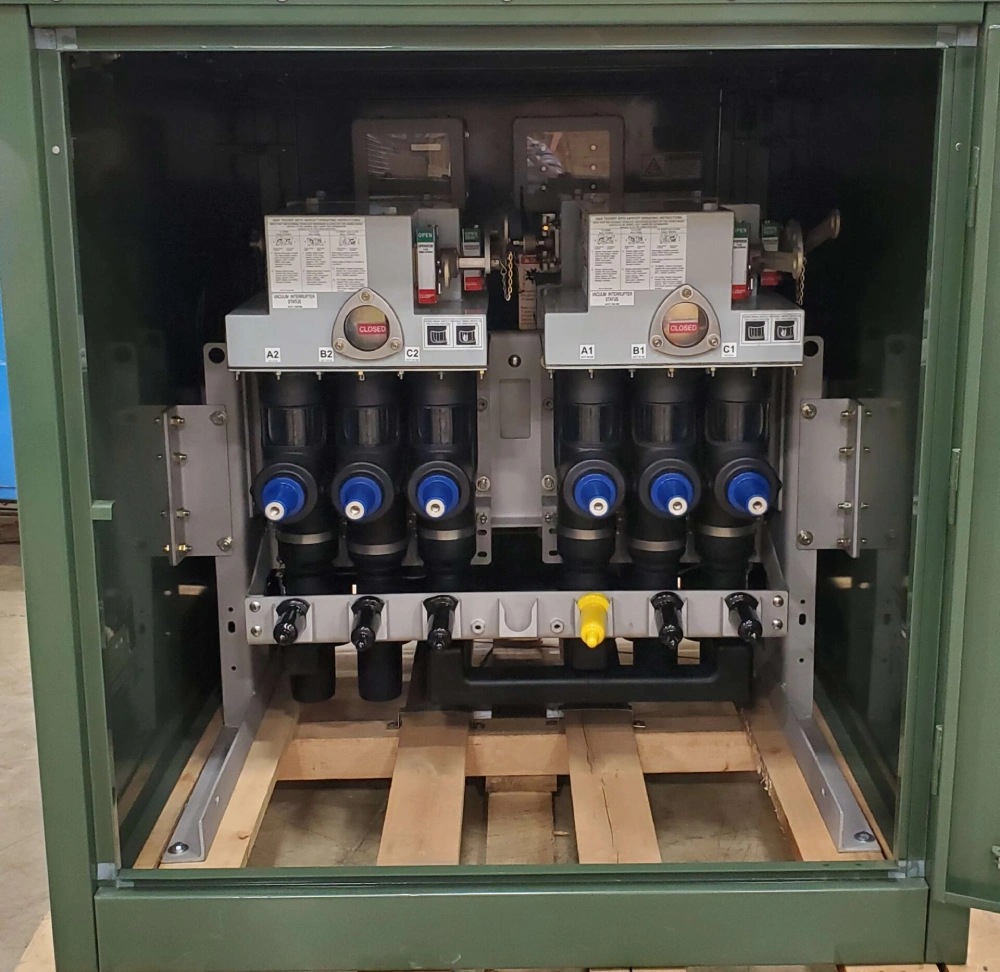
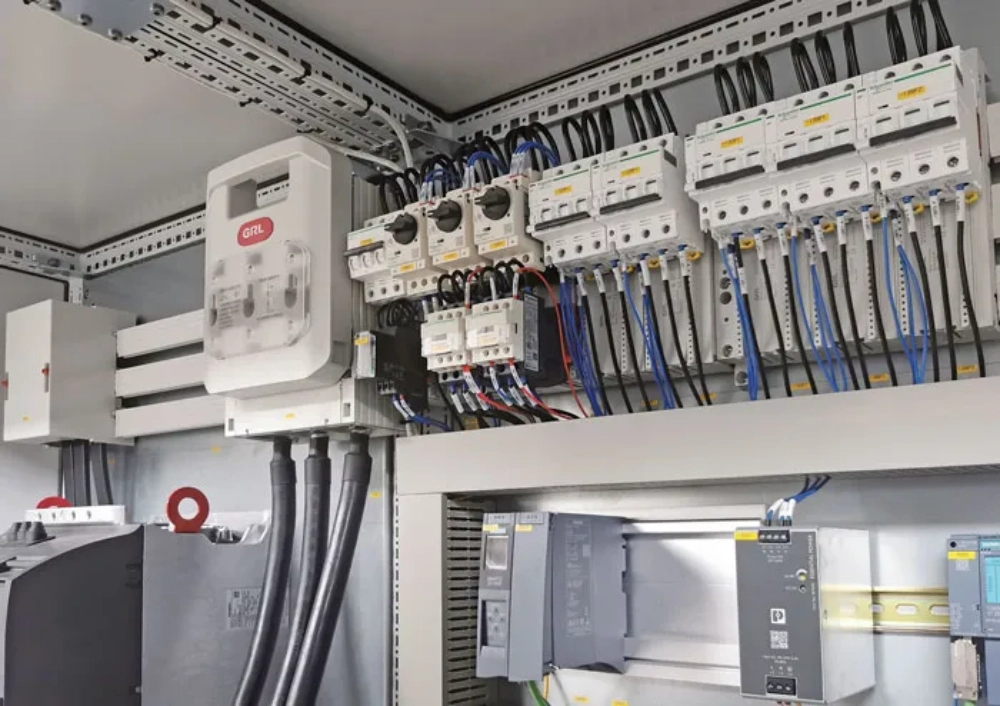
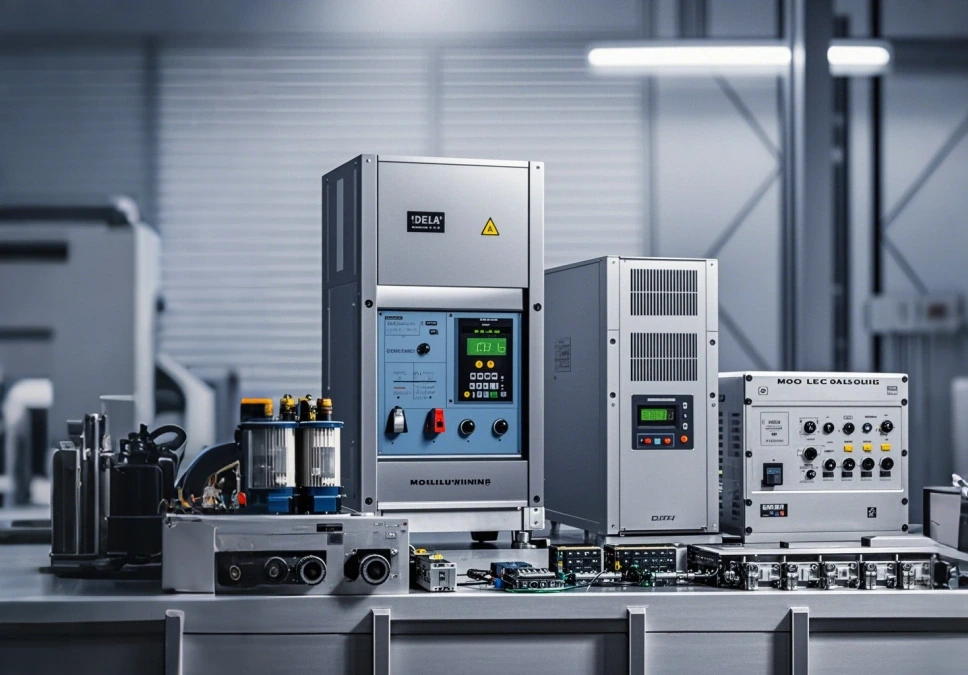
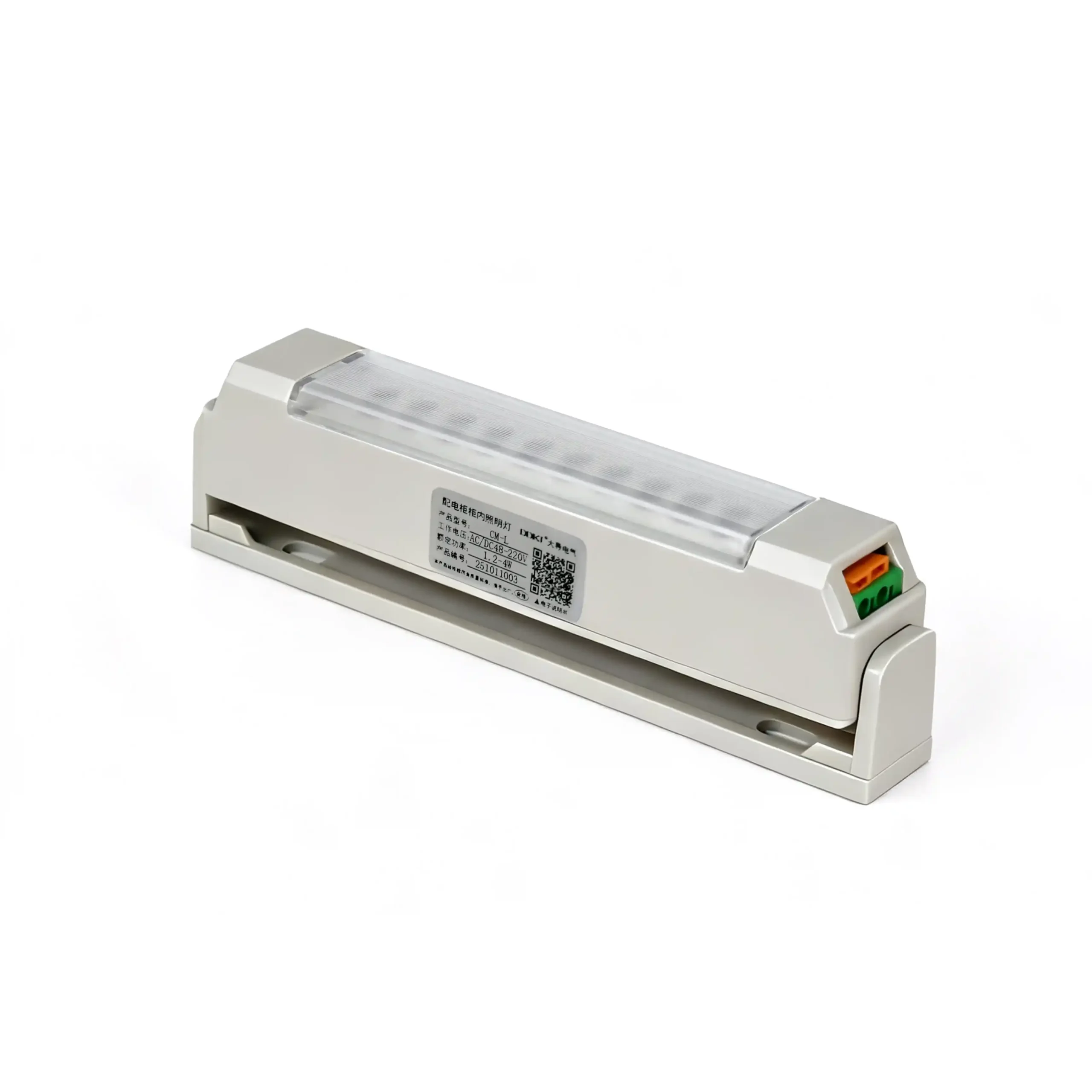
switchgear cabinet lighting plays a critical role in industrial visibility and safety inside high voltage enclosures. These environments expose lighting systems to continuous electrical load and restricted airflow. Heat buildup, airborne particles, and constant vibration create a harsh operating space. Engineers often underestimate how enclosure density accelerates component stress. As a result, early failures occur in drivers, LEDs, and sealing materials. In many industrial systems, lighting is installed near energized conductors, increasing thermal and electromagnetic exposure. Long operational cycles further intensify wear on optical lenses and circuit boards. Understanding these baseline risks helps explain why performance degradation appears earlier than expected in demanding electrical environments.
Thermal stress impact on switchgear cabinet lighting lifespan
switchgear cabinet lighting often operates near heat sources such as busbars and circuit breakers. High internal temperatures reduce LED efficiency and accelerate semiconductor aging. Heat also affects driver capacitors, causing early electrical drift and instability. Repeated thermal cycling expands and contracts internal solder joints, weakening structural integrity. Poor ventilation increases localized hot spots inside cabinets. Over time, these conditions reduce luminous output and color stability. Thermal buildup also compromises insulation layers surrounding wiring assemblies. Even small temperature increases above design limits significantly shorten operational lifespan. Consistent heat exposure remains one of the most dominant failure drivers in enclosed electrical lighting systems.
Moisture and condensation inside electrical enclosures
Humidity inside industrial cabinets often comes from environmental leakage and temperature variation. switchgear cabinet lighting systems are especially vulnerable during cooling cycles when condensation forms on cold surfaces. Water droplets can infiltrate connectors and degrade insulation resistance. Over time, corrosion develops on metallic terminals and driver boards. This leads to unstable electrical contact and intermittent lighting failures. Moist environments also accelerate oxidation of LED contact pads. Poor sealing structures allow moisture accumulation in hidden cavities. Once trapped, humidity becomes difficult to eliminate without full system shutdown. Reliable sealing design and proper ventilation are essential for long-term stability.
Dust contamination and chemical exposure risks
Dust accumulation is a persistent issue in industrial environments. switchgear cabinet lighting can suffer lumen reduction when fine particles settle on optical surfaces. Conductive dust increases the risk of short circuits between exposed traces. Industrial plants with oil mist or chemical vapors face even greater risks. Sulfur compounds can corrode copper tracks and degrade protective coatings. Over time, lens transparency decreases, reducing light output efficiency. Chemical exposure also weakens adhesive materials used in mounting structures. Maintenance teams often observe uneven lighting patterns caused by localized contamination. Effective filtration and enclosure sealing help mitigate these environmental threats.
Mechanical vibration and structural fatigue problems
Industrial machinery generates constant vibration that affects internal cabinet structures. switchgear cabinet lighting systems mounted on panels experience repeated mechanical stress. This vibration can loosen fasteners and distort alignment over time. Solder joints on circuit boards may develop microcracks under continuous oscillation. Cable connectors also suffer gradual wear from movement and tension.
Transformers and large motors nearby intensify vibration amplitude. Structural fatigue eventually leads to intermittent failures or complete lighting loss. Even minor misalignment can reduce optical efficiency significantly. Reinforced mounting systems and vibration dampening materials help extend operational stability in such conditions.
Voltage instability and electrical surge damage
Electrical fluctuations present another major threat to lighting reliability. Sudden voltage spikes can damage sensitive LED drivers within switchgear cabinet lighting systems. Harmonic distortion from industrial loads introduces irregular power patterns. These inconsistencies stress internal regulation circuits and reduce efficiency. Surge events may occur during switching operations or fault conditions. Without protection, components experience irreversible semiconductor breakdown. Even minor fluctuations over time degrade performance stability. Surge suppression devices and stable power supply design are essential for protection. Electrical noise also interferes with driver control systems, affecting brightness consistency and lifespan.
Material selection standards for industrial lighting systems
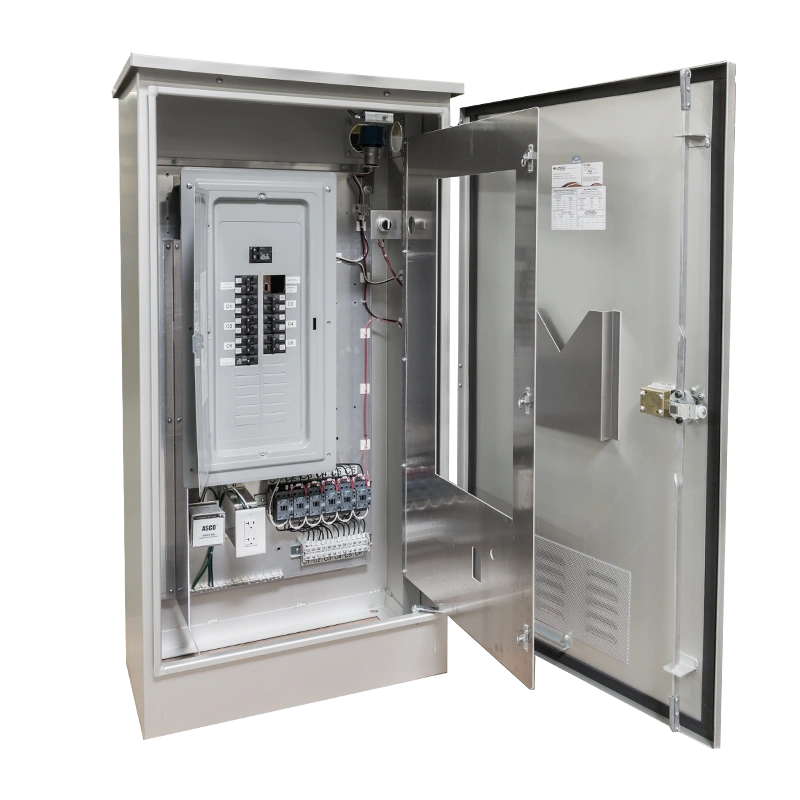
Material selection determines long-term durability in harsh environments. Aluminum housings provide strong heat dissipation for switchgear cabinet lighting systems. Polycarbonate lenses offer impact resistance and electrical insulation benefits. Tempered glass provides superior scratch resistance but increases weight. Flame-retardant materials are required under IEC industrial safety standards. Proper material pairing ensures both mechanical strength and thermal stability. Chemical resistance is also important in corrosive environments. Below is a comparison of common materials used in industrial lighting systems.
| Material | Key Advantage | Limitation |
|---|---|---|
| Aluminum Alloy | High heat dissipation | Corrosion risk without coating |
| Polycarbonate | Lightweight and impact resistant | Scratches easily under abrasion |
| Tempered Glass | High optical clarity | Heavier and more fragile under impact |
Material engineering directly influences durability outcomes in industrial lighting systems.
Common installation errors affecting lighting durability
Incorrect installation significantly reduces operational life. switchgear cabinet lighting often fails early due to poor positioning near heat zones. Cable routing mistakes increase electromagnetic interference risks. Loose grounding connections create unstable current flow. Improper airflow design traps heat inside enclosures. Installers sometimes place drivers too close to high voltage components. This increases electrical stress and thermal exposure. Misalignment of fixtures reduces lighting coverage efficiency. Mechanical tension on cables leads to premature connector damage. Proper installation standards must be followed to ensure stable long-term operation.
Environmental protection ratings for industrial cabinets
Protection ratings define how well lighting systems resist external conditions. switchgear cabinet lighting must meet specific IP and IK standards for industrial reliability. IP ratings measure dust and water resistance levels. IK ratings measure impact resistance against mechanical force. Temperature classifications define operational stability ranges. Below is a simplified comparison of protection levels.
| Rating Type | Standard | Function |
|---|---|---|
| IP65 | Dust and water protection | Prevents ingress from industrial environments |
| IP67 | High sealing level | Temporary water immersion resistance |
| IK08 | Impact resistance | Protection against mechanical shock |
A list of key environmental protection factors includes:
- Sealed housing design for moisture control
- Reinforced lens materials for impact resistance
- Thermal insulation layers for heat protection
Proper protection ratings ensure stable performance in harsh industrial conditions.
Maintenance strategies that improve operational reliability
Regular maintenance extends system lifespan significantly. switchgear cabinet lighting requires periodic inspection of electrical connections and thermal conditions. Cleaning optical surfaces restores brightness efficiency. Dust removal prevents insulation breakdown and overheating risks. Driver components should be tested for voltage stability. Cable integrity checks reduce unexpected failure risks. Scheduled replacement cycles improve system reliability. Predictive maintenance methods help identify early degradation signs. Proper documentation supports long-term asset management. Maintenance discipline directly influences operational continuity in industrial environments.
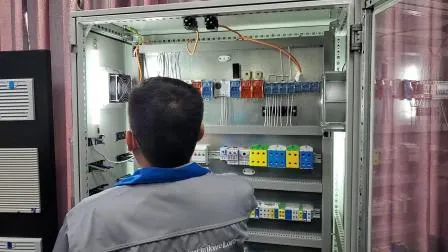
How switchgear cabinet lighting selection affects long-term performance
switchgear cabinet lighting selection determines operational efficiency across the system lifecycle. Engineers must evaluate thermal ratings, sealing structures, and electrical compatibility. Poor selection increases maintenance costs and downtime risks. Industrial buyers prioritize reliability over initial cost savings. Lifecycle cost analysis includes energy efficiency and replacement frequency. Proper selection reduces failure probability in high stress environments. Component certification ensures compliance with industrial standards. Balanced design choices improve both safety and performance stability.
FAQ
Why do LED drivers fail inside high voltage cabinets?
LED drivers fail due to heat exposure, voltage instability, and vibration stress. High internal temperatures accelerate capacitor aging and semiconductor breakdown. Electrical surges from switching operations further damage sensitive circuits. In switchgear cabinet lighting systems, restricted airflow worsens thermal accumulation. Moisture condensation can also corrode driver components over time. Continuous vibration loosens solder joints and weakens internal connections. Poor grounding increases electrical noise and instability. Combined environmental stress leads to early degradation. Proper thermal management and surge protection significantly reduce failure risk. Regular inspection helps detect early warning signs before full system breakdown occurs.
Which protection rating works best for industrial cabinets?
The most suitable protection rating depends on environmental severity. IP65 is commonly used for standard industrial conditions. It protects switchgear cabinet lighting against dust and water jets. IP67 offers higher protection for moisture-heavy environments. IK08 or higher is recommended for impact-prone locations. These ratings ensure resistance against mechanical shock and contamination. Industrial users must evaluate humidity, vibration, and chemical exposure levels. Higher ratings improve durability but may increase cost and weight. Balanced selection ensures both performance and economic efficiency. Compliance with IEC standards guarantees consistent safety performance across applications.