What Should Buyers Check Before Choosing Temp Controllers?
Temperature controller selection tips covering accuracy, features, materials, certifications, and supplier factors for reliable solutions.
Temperature Controller Selection Factors Buyers Should Evaluate First
Choosing suitable temperature control equipment requires careful evaluation of performance, compatibility, and reliability. The temperature controller selection process affects system stability, energy efficiency, and operating safety. Buyers should review technical specifications before ordering because different applications require different control methods. Industrial machines, cabinets, laboratories, and climate systems often have different temperature ranges and response requirements. A suitable controller should match the working environment while maintaining accurate measurements. Professional purchasing decisions focus on sensor compatibility, control functions, material quality, and manufacturing standards. These factors help companies reduce maintenance costs and improve equipment performance throughout long-term operation.
Check Temperature Accuracy and Control Performance Before Purchase
Temperature accuracy represents a critical factor when buyers compare different control solutions. A controller with poor accuracy may create unstable conditions and affect product performance. During temperature controller selection, buyers should review measurement tolerance, response speed, and control algorithms. PID control technology helps maintain stable output by adjusting heating or cooling signals according to temperature changes. Sensors also influence accuracy because RTD and thermocouple options have different operating characteristics. A reliable system combines accurate sensors with suitable control technology. Careful evaluation of these details helps users maintain consistent temperatures in demanding industrial environments.
Evaluate Controller Features and Application Compatibility
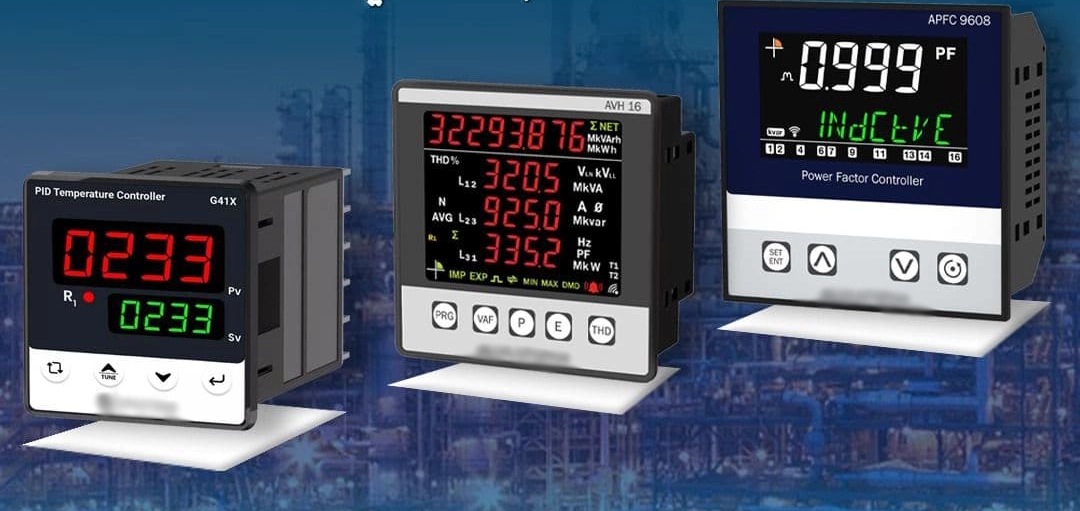
Different applications require different controller functions. Some systems need simple adjustment options, while others require advanced programming and communication features. Buyers should check display quality, alarm settings, output types, and interface compatibility before purchasing. Digital controllers often provide clearer information and easier parameter adjustment. Communication functions such as RS485 support integration with monitoring systems in larger facilities. The temperature controller selection process should focus on application requirements instead of only considering purchase costs. A controller with suitable functions can improve efficiency and reduce operational interruptions.
Review Sensor Compatibility and Installation Requirements
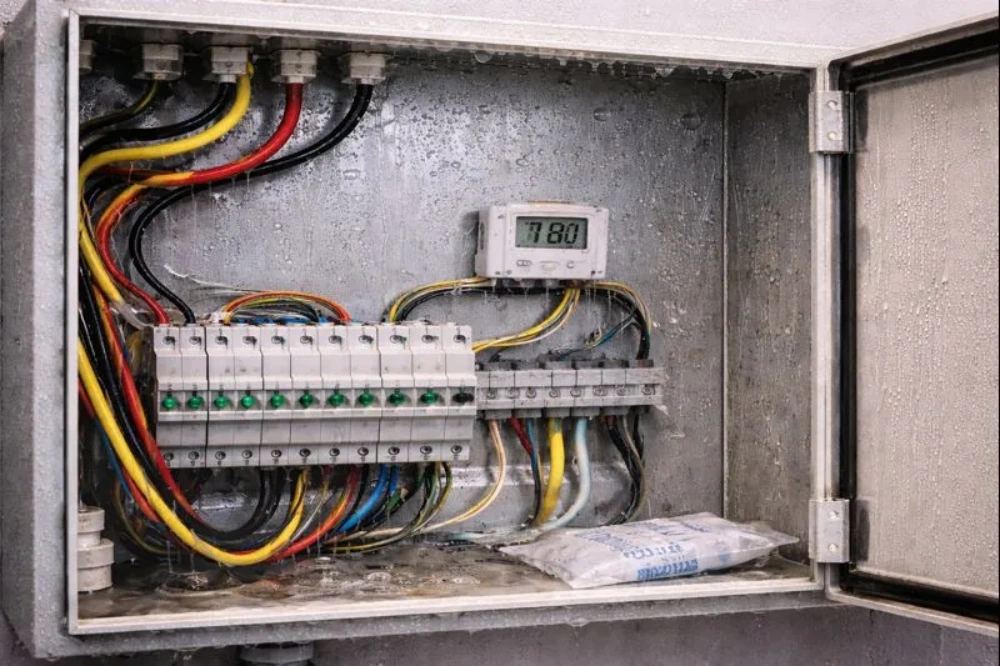
Sensor matching directly affects measurement reliability and system performance. Buyers should confirm whether the controller supports required sensor types before installation. RTD sensors usually provide accurate readings for stable environments, while thermocouples perform well in wider temperature ranges. Installation conditions also require attention because humidity, dust, vibration, and electrical interference may influence operation. Protective housing and proper mounting methods help extend product service life. Compact designs with suitable protection levels provide better integration for cabinet applications. Reviewing installation requirements prevents compatibility problems and supports stable operation after deployment.
Consider Material Quality and Manufacturing Reliability
Material quality influences product durability in continuous operating environments. High-quality controllers usually use durable housings, reliable circuit boards, and stable electronic components. The enclosure material should resist heat, dust, and mechanical impact according to application conditions. Internal components require careful inspection because poor-quality parts may cause signal errors or unexpected failures. Manufacturers with strict production systems usually perform electrical testing, response testing, and durability checks. A careful temperature controller selection approach should include manufacturing capability rather than focusing only on appearance or price. Reliable production standards support consistent performance during long-term use.
Compare Temperature Controller Specifications for Different Applications
Different industries require different technical configurations. Buyers can compare common requirements through the table below.
| Application | Accuracy Requirement | Sensor Type | Main Feature |
|---|---|---|---|
| Industrial Equipment | High Precision | Thermocouple | PID Regulation |
| Food Processing | Stable Control | RTD Sensor | Safety Alarm |
| HVAC Systems | Energy Efficiency | Temperature Sensor | Programmable Function |
Specification comparison helps buyers connect technical features with real operating needs. Industrial equipment usually requires fast response and stable regulation because production conditions must remain consistent. Food processing systems often focus on safety monitoring and precise temperature maintenance. HVAC applications prioritize efficient operation because energy consumption affects running costs. Reviewing these differences allows purchasing teams to avoid unsuitable models.
Detailed comparisons also improve communication with suppliers because buyers can define technical expectations clearly before ordering.
Check Certifications and Quality Standards Before Ordering
Quality standards provide useful references when evaluating temperature control equipment. Buyers should review certifications such as CE, RoHS, and UL when selecting products for different markets. CE certification confirms compliance with European safety and environmental requirements. RoHS controls hazardous substances used in electronic products. UL certification shows that products meet specific safety testing requirements in applicable regions. Manufacturers should maintain inspection systems that verify electrical performance, temperature response, and production consistency. The temperature controller selection process becomes more reliable when buyers confirm both certification documents and internal quality procedures. These evaluations help reduce procurement risks.
| Quality Factor | Verification Method | Purchasing Value |
|---|---|---|
| Certification | Review CE, RoHS, UL Records | Compliance Assurance |
| Production Testing | Check Inspection Process | Stable Performance |
| Technical Support | Evaluate Service Response | Lower Installation Risk |
| Customization Ability | Review Engineering Capability | Better Application Matching |
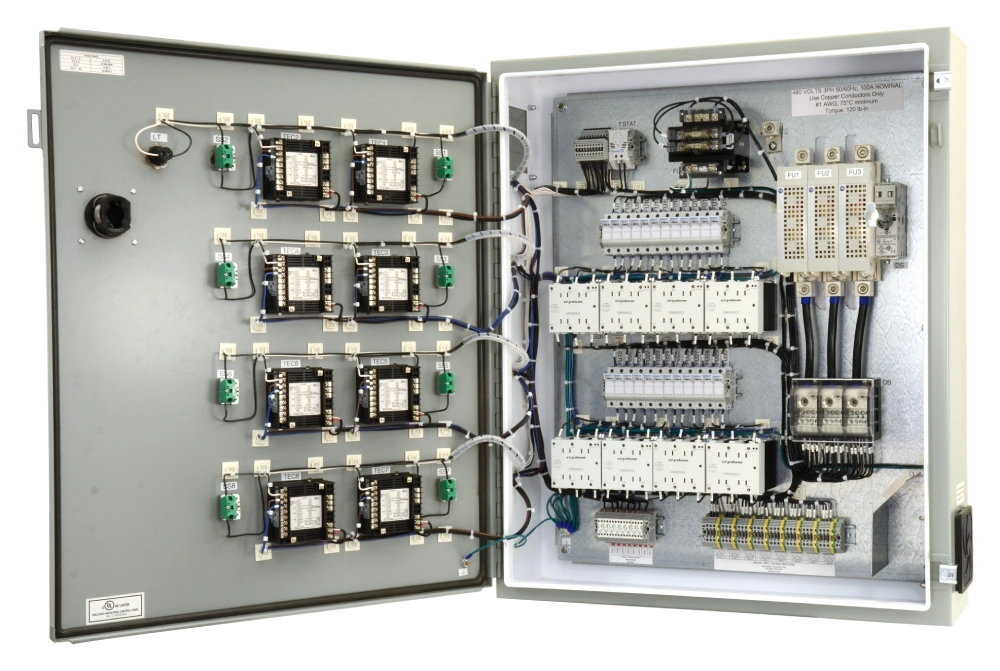
Certification information and manufacturing capability show product reliability. A supplier with complete testing procedures can identify potential issues before shipment. Production inspections usually include circuit checks, parameter verification, and operational testing. Customization ability also indicates whether a manufacturer can adjust products for special applications. Some cabinet systems require specific dimensions and control ranges. Professional suppliers can provide suitable solutions according to equipment conditions. Reviewing these factors helps buyers select reliable products and build stable cooperation relationships.
Analyze Supplier Support and Customization Capability
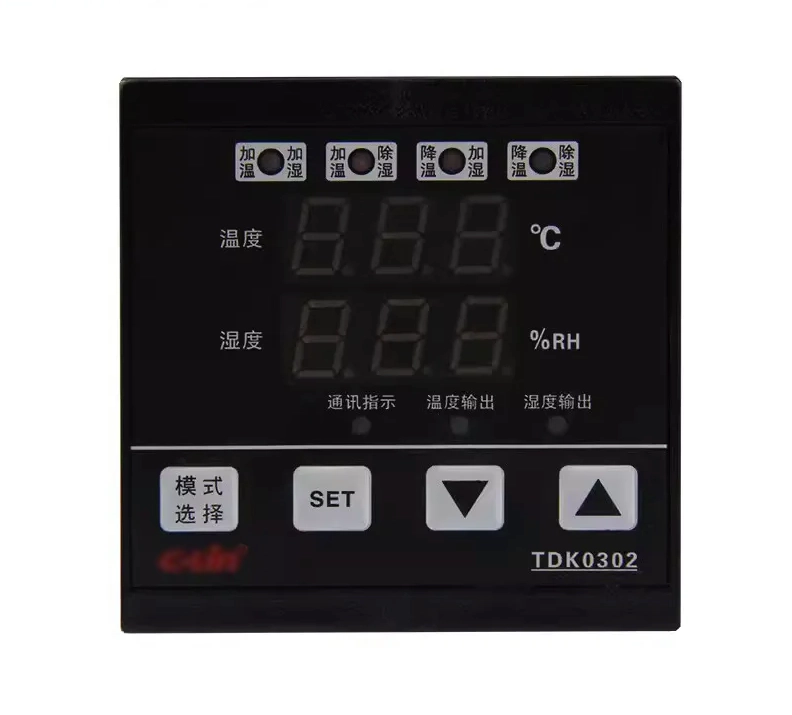
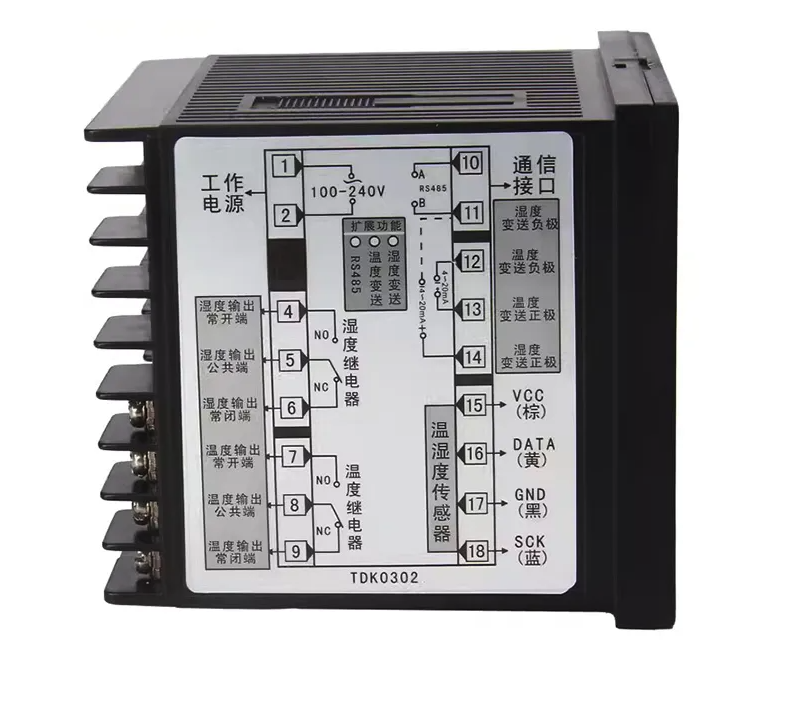
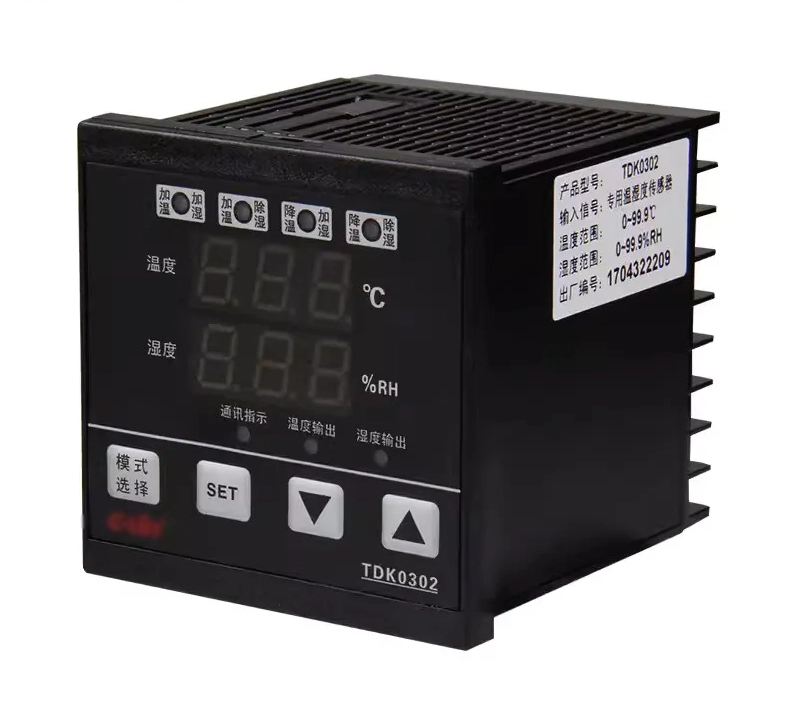
Supplier support plays an important role after product delivery. Buyers need partners who can provide technical communication, parameter adjustment assistance, and application suggestions. A capable supplier should have industry experience and recommend suitable configurations for different applications. Customization services become valuable when standard models cannot meet specific requirements. Adjustments may include display design, sensor options, control ranges, or installation structures. Products such as WSK Fixed Temperature and Humidity Controller for Cabinets are designed for specific cabinet environments where temperature and humidity monitoring require compact installation and stable operation. Professional suppliers can help buyers select appropriate models based on system conditions. Strong support improves product integration and reduces future maintenance challenges.
Evaluate Controller Design Details for Long-Term Operation
Product design influences reliability during continuous operation. Buyers should examine internal components, housing structure, and operating interface before purchasing. Electronic components require stable performance because controllers often work for long periods without interruption. Durable enclosures protect internal circuits from dust and moisture. Clear displays and simple adjustment systems improve daily operation efficiency. Some applications require manual adjustment functions because operators need quick parameter changes. WSK Dial-Type Temperature and Humidity Controller provides a direct adjustment method suitable for users who prefer simple control operation. Reviewing design details helps buyers choose products that match technical needs and user preferences.
Key Points Buyers Should Confirm Before Selecting Temperature Controllers
Buyers should verify several important factors before purchasing temperature control equipment.
- Required temperature range and operating environment
- Sensor compatibility and measurement accuracy
- Output control method and communication options
- Housing material and protection requirements
- Certification documents and inspection records
- Supplier customization and technical support
A professional evaluation system helps companies compare different products efficiently. Temperature range determines whether equipment can operate safely under actual conditions. Sensor compatibility prevents inaccurate measurements and unnecessary replacement costs. Output methods affect response speed and control stability. Certification records provide additional confidence during procurement. Technical support remains valuable when installation adjustments or parameter settings require assistance. These factors create a complete purchasing framework and help buyers make decisions based on practical requirements.
How Does Temperature Controller Selection Improve System Reliability
A professional purchasing approach improves equipment reliability and reduces future problems. A complete temperature controller selection method considers performance, compatibility, quality standards, and supplier capability together. Controllers should provide accurate readings while maintaining stable operation during changing conditions. Companies that evaluate specifications carefully can achieve better production efficiency and lower maintenance expenses. Reliable solutions depend on balancing technical requirements with practical applications. Selecting suitable equipment requires attention to design quality, operating conditions, and long-term value. A detailed evaluation creates stronger control systems and supports consistent performance across different industries.
Professional Evaluation Creates Better Temperature Control Results
Professional buyers should combine technical analysis with supplier communication before final decisions. A reliable supplier can provide product details, application recommendations, and customization support. The selection process becomes more effective when buyers define requirements clearly and compare available options carefully. Professional temperature controller selection helps companies avoid compatibility problems and improves system stability. A suitable controller should match environmental conditions, control requirements, and operational goals. Careful purchasing decisions create long-term benefits by improving equipment efficiency and reducing unexpected downtime.