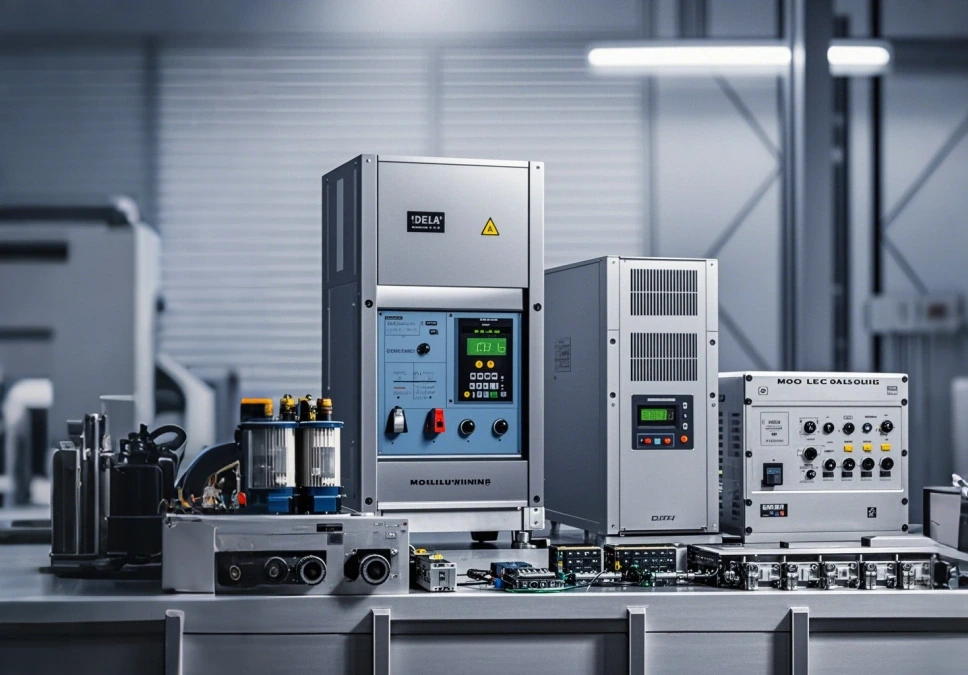
What Should You Know About Industrial Temperature Controls?
Industrial temperature controls improve manufacturing accuracy with precise regulation, smart monitoring, and reliable performance.
Industrial Temperature Controls Role in Modern Manufacturing Systems
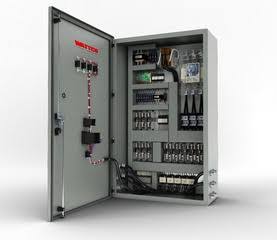
Industrial temperature controls support stable manufacturing environments through accurate measurement and automatic adjustment. Factories depend on consistent thermal conditions for product quality and equipment safety. Modern production lines use advanced systems to manage heating and cooling processes. These solutions monitor temperature changes through sensors and control devices. Industrial operators select suitable systems based on process requirements, operating ranges, and environmental conditions. Reliable temperature management reduces waste, improves efficiency, and protects sensitive components. Manufacturers in plastics, food processing, electronics, and chemical industries require precise thermal regulation. Proper selection helps businesses maintain production consistency and reduce unexpected downtime.
Core Functions of Industrial Temperature Regulation Equipment
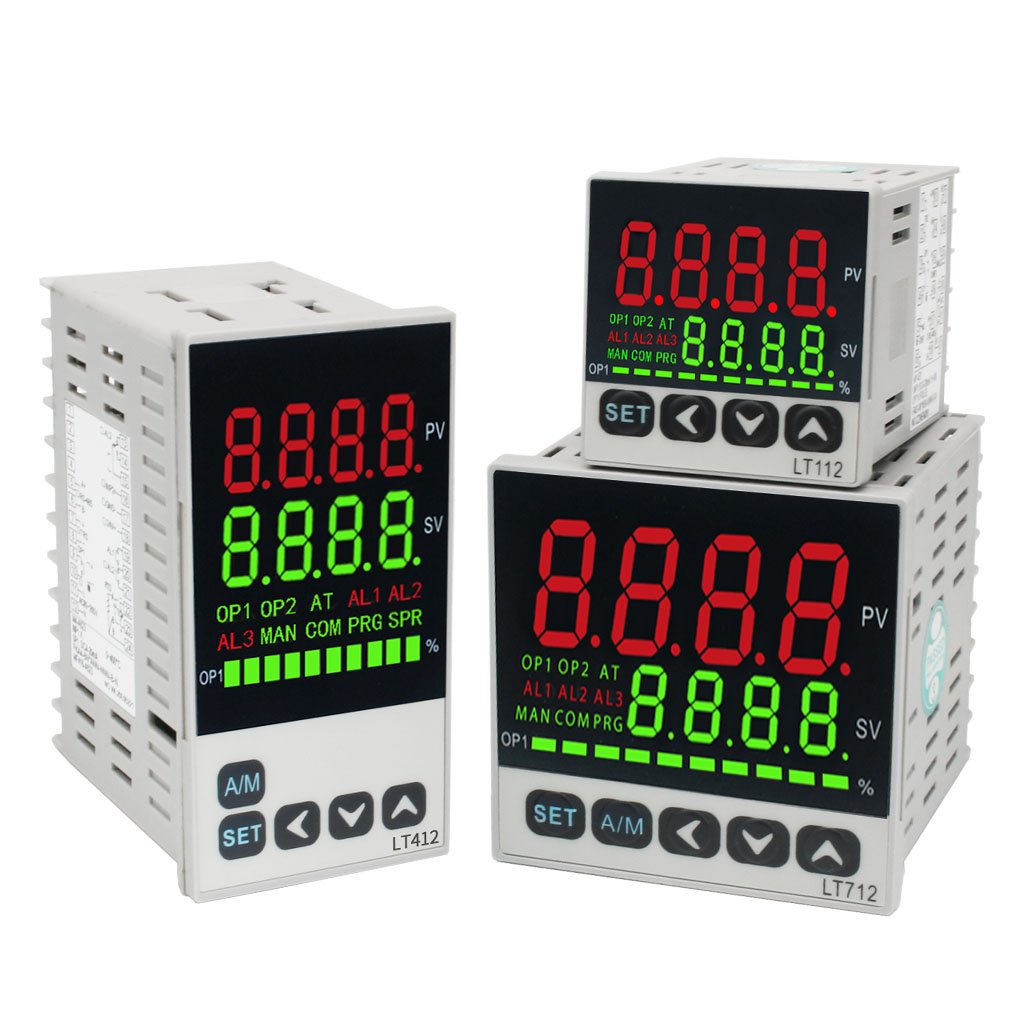
Industrial temperature regulation equipment performs several essential tasks during manufacturing operations. Sensors collect real-time temperature data from machines, materials, and processing areas. Controllers analyze signals and compare values against programmed targets. Actuators then adjust heaters, coolers, valves, or fans according to control commands. These actions create stable operating conditions throughout production cycles. Advanced systems also provide alarms, data records, and communication functions. Engineers review these features when selecting equipment for complex applications. Accurate control improves process repeatability and reduces energy consumption. Industrial facilities often integrate temperature systems with automation platforms for centralized management and better operational visibility.
How Temperature Control Systems Work Through Sensor Feedback
Temperature control systems rely on closed-loop feedback to maintain stable conditions. Sensors detect actual temperatures and send electrical signals to controllers. Common sensor types include thermocouples, RTDs, and thermistors. Thermocouples provide wide measurement ranges for demanding industrial environments. RTDs offer high accuracy for applications requiring precise temperature monitoring. Thermistors deliver fast responses in compact equipment designs. Controllers process incoming information and calculate necessary adjustments. PID algorithms improve accuracy by balancing proportional, integral, and derivative responses. This approach minimizes temperature fluctuations and supports continuous operation. Engineers evaluate sensor compatibility, response speed, and environmental resistance before selecting suitable solutions.
Key Components Inside Advanced Temperature Management Equipment
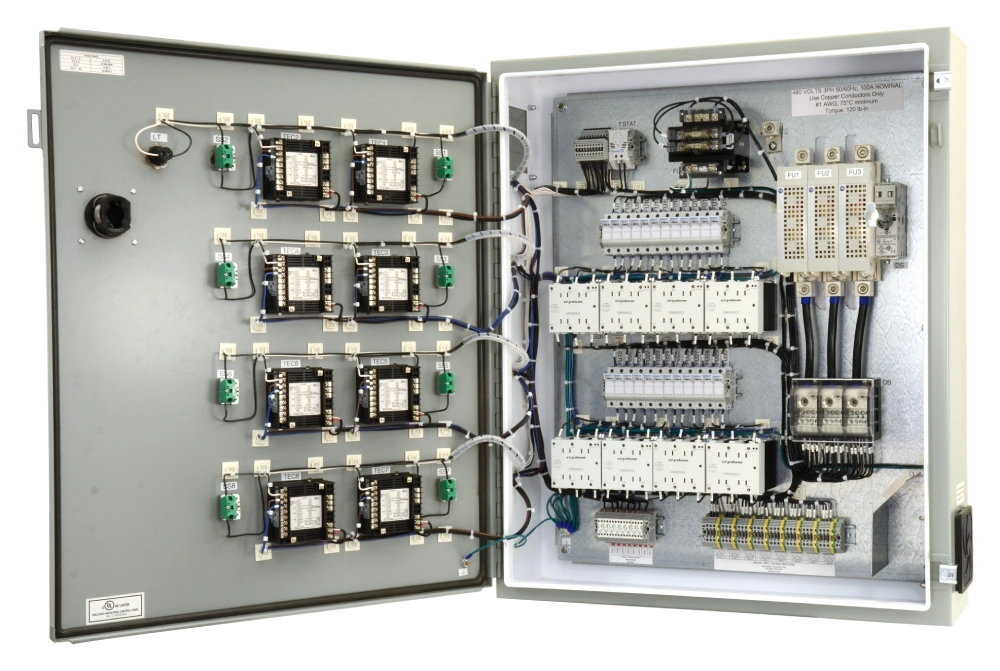
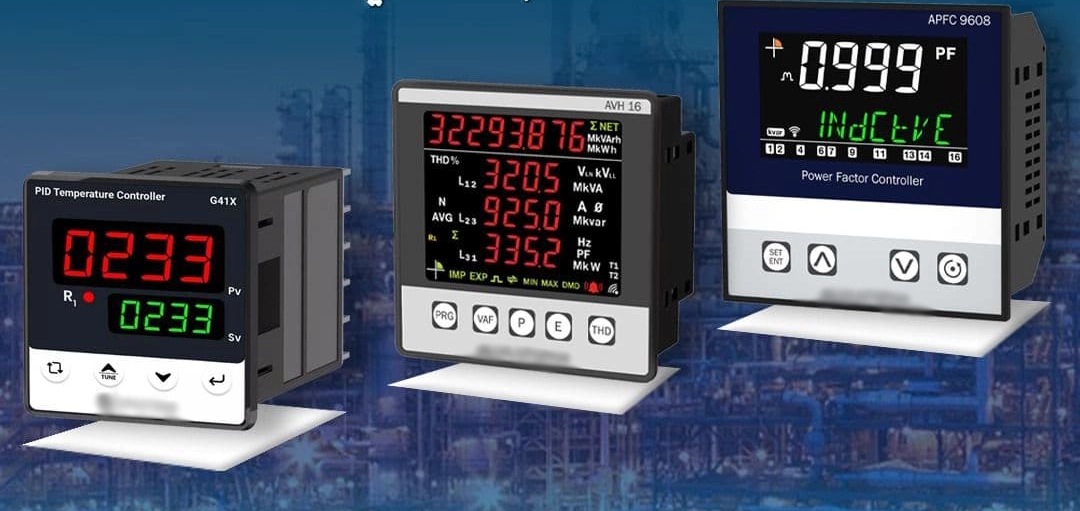
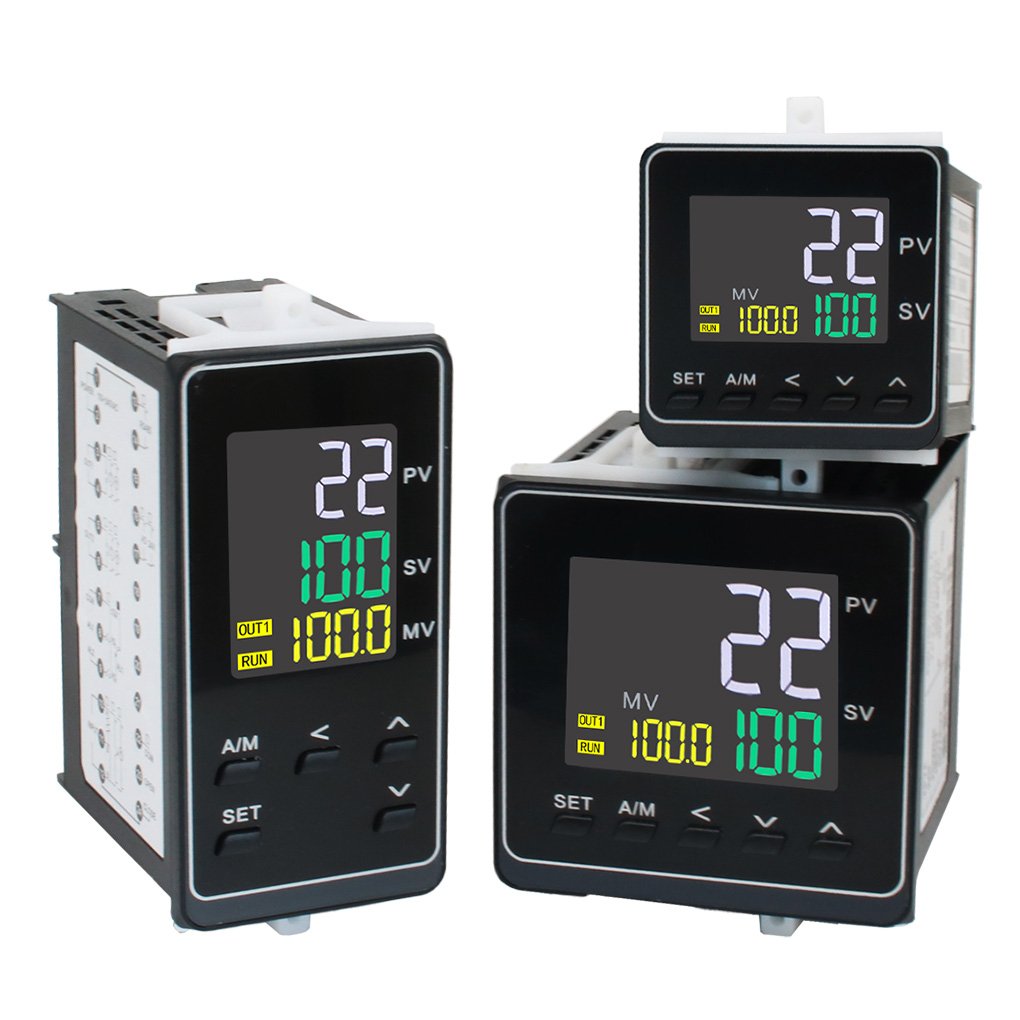
Advanced temperature management equipment contains multiple components that work together. The controller acts as the central processing unit for temperature decisions. Display modules provide operators with real-time readings and status information. Solid state relays control electrical loads with fast switching performance. Mechanical relays support simpler applications with lower switching frequency requirements. Communication interfaces allow connection with PLC systems and industrial networks. Heating elements convert electrical energy into thermal energy. Cooling devices remove excess heat from production equipment. Each component requires proper matching to achieve stable performance. Manufacturers analyze component quality, electrical ratings, and installation conditions before final equipment integration.
Selecting Reliable Temperature Controls for Different Operations
Selecting reliable temperature controls requires careful evaluation of application demands. Buyers should examine temperature range, control accuracy, response time, and operating environment. Equipment used in harsh factories needs protection against vibration, dust, and moisture. Electrical compatibility also affects long-term reliability and maintenance costs. Engineers often review load capacity because incorrect ratings may damage components. Control interfaces should match existing automation systems for smooth operation. Suppliers with customization abilities can provide solutions for specialized machinery. The WSK Dial-Type Temperature and Humidity Controller offers combined monitoring functions for applications requiring temperature and humidity management. Proper evaluation helps purchasing teams avoid performance issues and unnecessary replacement expenses.
Temperature Control Technologies Used in Manufacturing Equipment
Manufacturing equipment uses several control technologies to achieve thermal stability. ON/OFF control provides simple operation by activating or stopping heating devices. PID control delivers higher precision through continuous adjustment calculations. PLC-based systems support complex production lines with multiple temperature zones. Digital controllers improve monitoring through programmable settings and diagnostic functions. Smart systems can collect operating data and support remote management. Selection depends on process complexity, accuracy requirements, and integration needs. The following comparison shows common technologies used in industrial applications.
| Control Technology | Accuracy Level | Main Application | Key Advantage |
|---|---|---|---|
| ON/OFF Control | Basic accuracy | Simple heating systems | Low cost and easy operation |
| PID Control | High accuracy | Processing machinery | Stable temperature adjustment |
| PLC Control | Advanced accuracy | Automated production lines | Flexible system integration |
Industrial Applications Requiring Precise Thermal Management
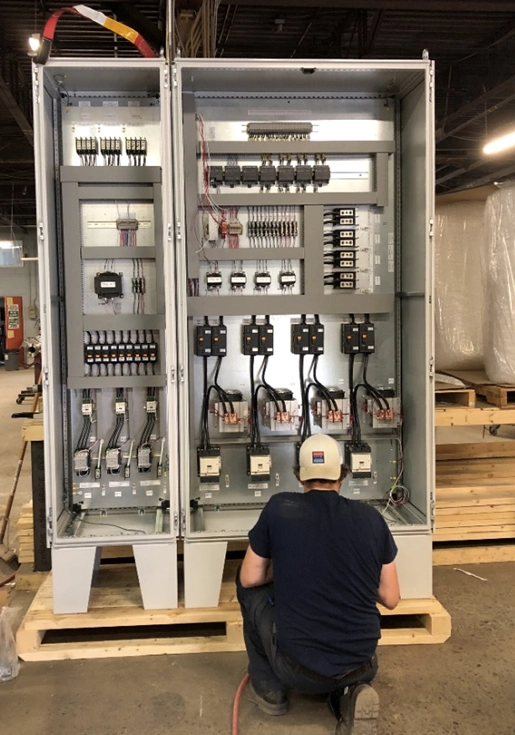
Precise thermal management supports many industrial sectors with demanding requirements. Plastic extrusion machines need stable temperatures to maintain material flow. Food processing equipment requires controlled heating for safety and quality. Semiconductor manufacturing depends on strict temperature stability during production stages. Chemical systems use controlled environments to maintain reaction conditions. Packaging machines require accurate heat sealing temperatures for reliable products. Textile equipment also uses thermal regulation during material treatment processes. Common applications include:
- Plastic injection molding systems requiring consistent barrel temperatures.
- Food equipment requiring controlled heating and cooling cycles.
- Electronic manufacturing equipment requiring stable operating conditions.
- Chemical processing systems requiring accurate reaction temperatures.
Industrial buyers evaluate application requirements before selecting appropriate equipment. Correct thermal solutions improve productivity and support reliable manufacturing performance.
Comparison of Industrial Temperature Monitoring Solutions
Different temperature monitoring solutions provide unique benefits depending on production requirements. Basic controllers suit smaller machines with limited adjustment needs. Advanced systems support multiple sensors and complex automation processes. Buyers compare technical specifications before making purchasing decisions. Important factors include accuracy, communication options, durability, and maintenance requirements. The table below presents common solution differences.
| Solution Type | Temperature Range | Typical Industry | Performance Feature |
|---|---|---|---|
| Analog Controller | Moderate range | Basic machinery | Simple adjustment operation |
| Digital Controller | Wide range | Manufacturing equipment | Programmable settings |
| Smart Controller | Extended range | Automated factories | Remote monitoring capability |
Why Reliable Suppliers Improve Temperature System Performance
Reliable suppliers provide technical support, product customization, and quality assurance. They help buyers select suitable specifications for different machines and environments. Strong suppliers perform testing procedures before shipment. They also provide documentation covering installation, operation, and maintenance requirements. The WSK Digital Precision Temperature and Humidity Controller supports applications requiring accurate digital measurement and control. Professional suppliers focus on long-term cooperation instead of short-term transactions. Their engineering experience helps customers reduce integration risks. Quality verification, production consistency, and responsive service influence purchasing decisions. A capable supplier improves equipment reliability throughout the operational lifecycle.
Maintenance Strategies for Long-Term Temperature Stability
Regular maintenance improves temperature system stability and extends equipment service life. Operators should inspect sensors for damage, contamination, or calibration errors. Periodic calibration maintains measurement accuracy and prevents process deviations. Electrical connections require inspection because loose terminals can affect performance. Software settings should also receive regular reviews during production changes. Cleaning procedures protect sensitive components from dust accumulation. Maintenance teams should record inspection results and analyze repeated failures. Preventive actions reduce downtime and support continuous production. A structured maintenance plan allows factories to identify potential problems before equipment performance declines.
Future Trends of Smart Temperature Management Systems
Smart temperature management systems continue developing through digital technologies. Industrial facilities increasingly adopt connected devices and data analytics platforms. IoT communication allows equipment to share operational information across factory networks. Cloud platforms support remote monitoring and performance analysis. Artificial intelligence can identify unusual temperature patterns and predict maintenance needs. Energy optimization also becomes important as manufacturers seek lower operating costs. Future systems will combine automation, connectivity, and advanced diagnostics. These improvements help factories achieve better efficiency and stronger production control. Businesses that invest in intelligent thermal technologies can improve competitiveness in demanding markets.
Frequently Asked Questions
What Factors Affect Industrial Temperature Controls Accuracy?
Industrial Temperature Controls Accuracy depends on sensor quality, calibration procedures, environmental conditions, and controller performance. High-quality sensors provide reliable measurements during continuous operation. Incorrect installation may create measurement errors and unstable results. External factors such as vibration, humidity, and electrical interference can influence readings. Regular calibration helps maintain consistent performance over time. Buyers should evaluate sensor specifications, control algorithms, and equipment protection features. Proper system design ensures accurate thermal management across different industrial environments.