Which Automatic Temperature Controller Factory Fits Your Needs?
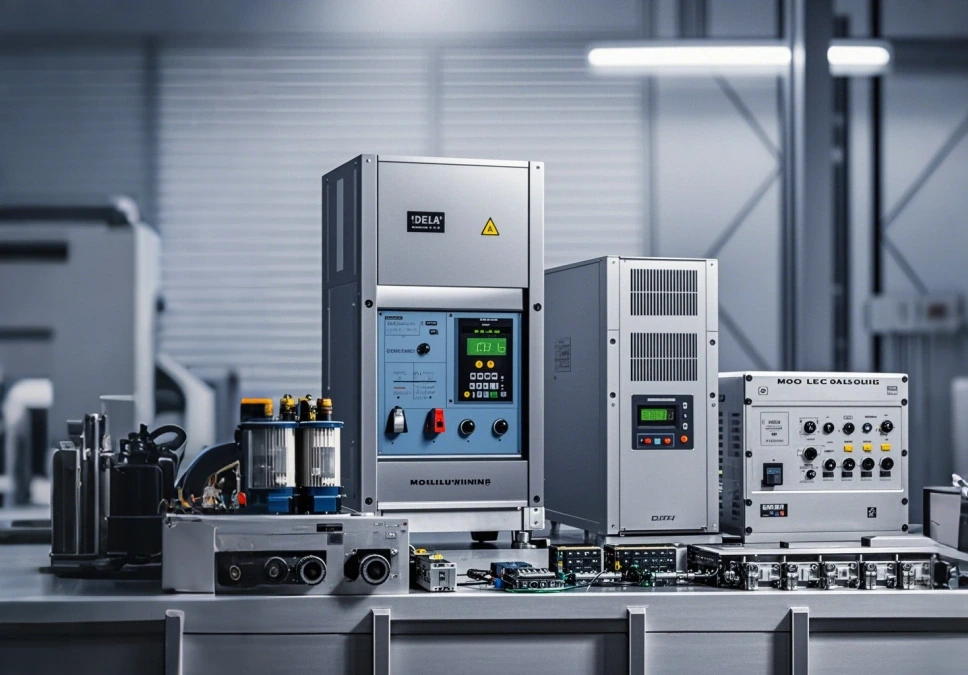
Automatic temperature controller factory offers precise control, quality manufacturing, customization, and reliable industrial solutions.
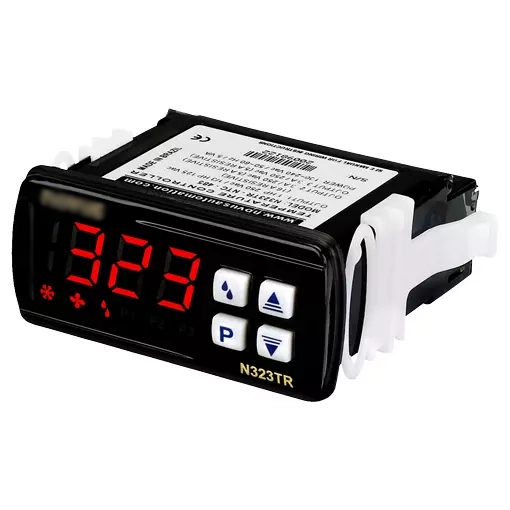
Modern industries require stable temperature management for efficient operations and product protection. An automatic temperature controller factory provides specialized solutions for equipment that needs accurate thermal regulation. These suppliers develop controllers for industrial systems, electrical cabinets, processing machines, and automation equipment. Reliable production requires advanced testing, precise components, and experienced engineering teams. Temperature controllers monitor changes through sensors and adjust outputs automatically. Manufacturers focus on response speed, durability, and compatibility during development. Buyers should evaluate technical capabilities, quality systems, and customization options before selecting a suitable partner. Strong production experience helps create products that perform consistently under demanding working conditions.
What Factors Define A Reliable Automatic Temperature Controller Factory
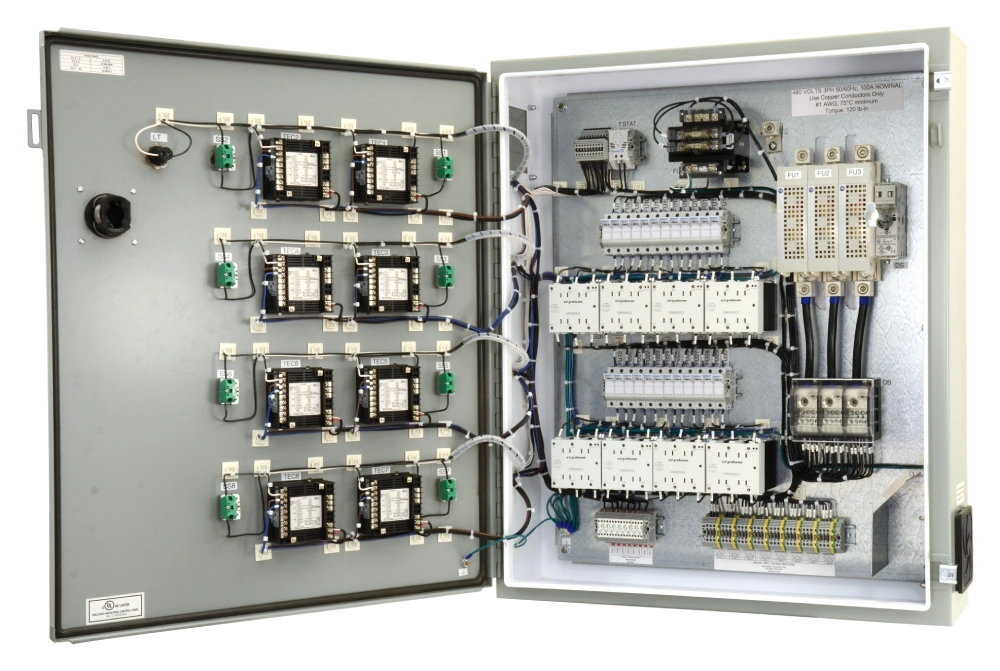
Choosing a supplier requires attention to manufacturing standards and technical expertise. A professional automatic temperature controller factory should maintain strict production procedures from component selection to final inspection. High-quality suppliers examine electronic parts, circuit designs, and software functions carefully. Temperature controllers often contain sensors, microprocessors, relays, display panels, and communication interfaces. Each component affects accuracy and operational stability. Engineers must balance performance requirements with environmental conditions. Industrial users often need products that operate in areas with vibration, humidity, dust, or temperature fluctuations. A capable manufacturer provides stable solutions through engineering experience and continuous improvement. These factors influence long-term equipment reliability and maintenance efficiency.
How Do Temperature Control Technologies Improve Product Performance
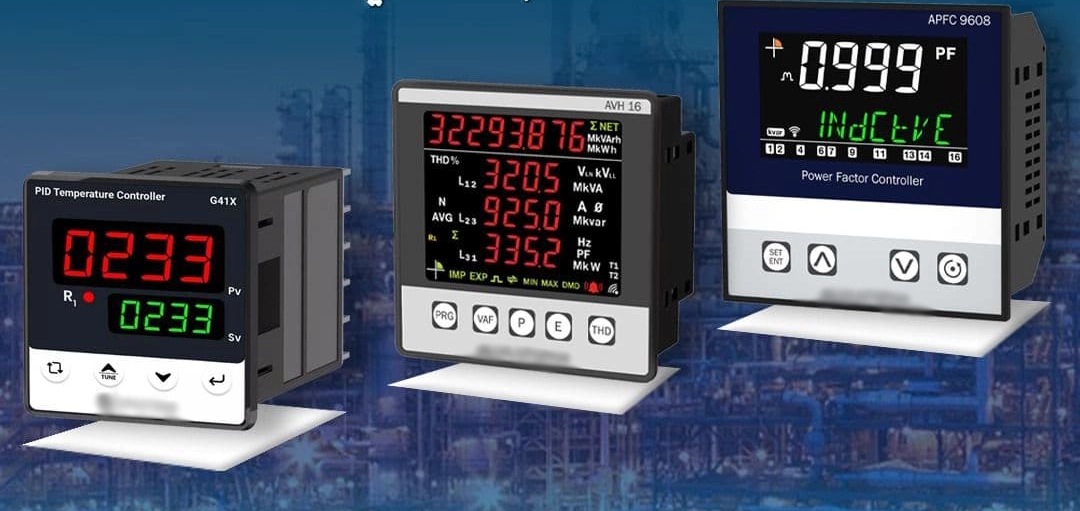
Advanced temperature control technologies help machines maintain stable operating conditions. Modern systems use digital sensors to collect real-time temperature information. Controllers process signals through integrated circuits and adjust heating or cooling devices. PID control technology improves accuracy by reducing temperature deviation during operation. Some systems include alarm functions, data monitoring, and remote communication features. These capabilities support automated management in complex industrial environments. Engineers consider measurement ranges, response time, and control algorithms when designing products. Proper technology selection prevents overheating, energy waste, and production interruptions. Reliable temperature regulation also improves equipment lifespan because components experience fewer thermal stresses during continuous operation.
Which Manufacturing Processes Should Buyers Evaluate Before Cooperation
Manufacturing quality depends on detailed production procedures and inspection methods. Professional suppliers usually manage several stages before delivering finished products. These processes determine product consistency and operational reliability.
Key production evaluation points include:
- Component sourcing standards and supplier verification.
- Circuit assembly accuracy and production control.
- Temperature calibration procedures for precise measurements.
- Aging tests for long-term performance evaluation.
- Final inspections before shipment.
Production teams use specialized equipment to verify electrical safety and functional performance. Careful manufacturing management reduces defective products and improves customer confidence. Buyers should review these procedures because production transparency reflects technical capability. A supplier with organized processes can support stable orders and future product development requirements.
What Materials And Components Affect Temperature Controller Quality
Material selection directly influences controller durability and performance. Electronic housings often use engineering plastics or metal materials with strong heat resistance. These materials protect internal circuits from external conditions. Circuit boards require reliable substrates that maintain electrical stability during operation. Sensors must provide accurate readings across different temperature ranges. High-quality relays support repeated switching without rapid degradation. Display modules should remain clear under various lighting environments. Another important factor involves protective designs, such as moisture resistance and dust prevention. A Temperature Controller for Dry type Transformer OEM/ODM solution requires careful component matching because transformer environments demand stable monitoring and dependable control functions. Material choices affect service life, safety, and overall system efficiency.
| Component Factor | Performance Influence | Selection Consideration |
|---|---|---|
| Temperature Sensor | Measurement accuracy | Range compatibility and response speed |
| Control Chip | Processing efficiency | Stable operation and programming flexibility |
| Housing Material | Environmental protection | Heat resistance and mechanical strength |
| Relay System | Output reliability | Switching durability and safety rating |
How Does A Professional Supplier Ensure Product Reliability
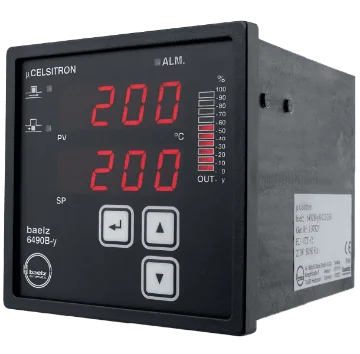
Quality assurance requires systematic testing and detailed management. After production, manufacturers inspect electrical performance, temperature accuracy, and operational stability. Testing equipment verifies whether controllers meet designed specifications. A dependable supplier records production information to track possible issues. Quality teams analyze samples through repeated operation tests and environmental simulations. These practices help identify weaknesses before products reach customers. Many industrial buyers prefer partners that maintain consistent inspection standards. Reliable manufacturers combine engineering knowledge with production discipline. They also provide technical support during installation and operation. Strong quality management creates confidence for applications where temperature control directly affects equipment safety and performance.
| Testing Stage | Main Purpose | Expected Result |
|---|---|---|
| Electrical Testing | Check circuit safety | Stable power operation |
| Calibration Testing | Verify temperature accuracy | Precise control performance |
| Aging Testing | Evaluate continuous operation | Improved product reliability |
| Final Inspection | Confirm product quality | Ready for industrial use |
What Applications Require Advanced Temperature Control Solutions
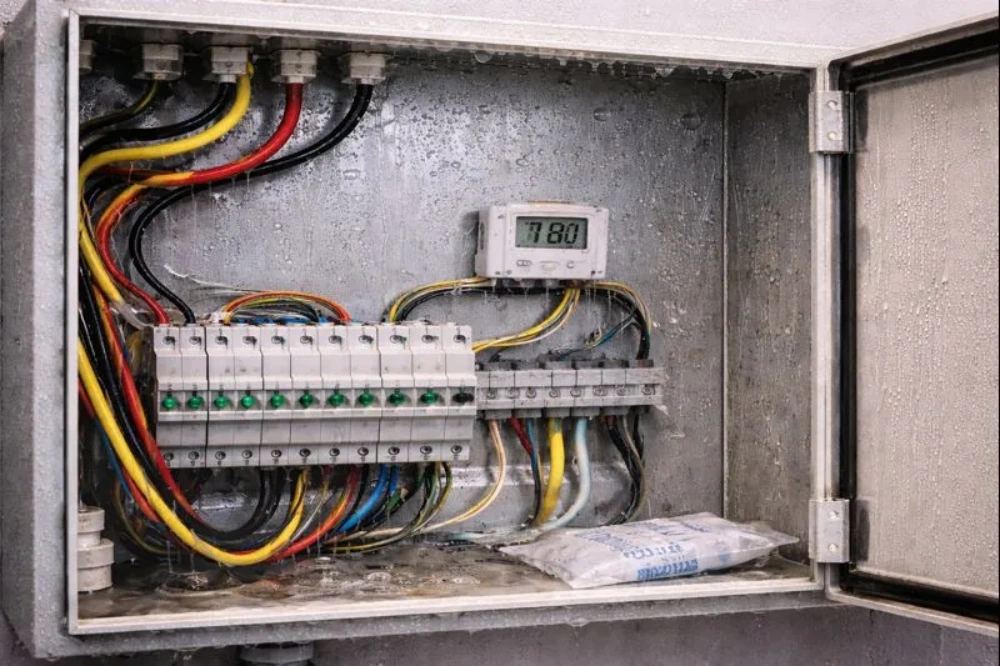
Different industries require customized temperature management because working conditions vary significantly. Manufacturing equipment uses controllers to prevent excessive heat during operation. Electrical systems need accurate monitoring to protect sensitive components. Food processing equipment depends on stable temperatures for quality maintenance. Laboratory instruments require precise control for reliable experimental results. HVAC systems use intelligent controllers to improve energy efficiency. Industrial users select products based on temperature range, installation space, and control requirements. WSK Fixed Temperature and Humidity Controller for Cabinets provides a specialized option for cabinet environments requiring combined temperature and humidity monitoring. Proper application matching improves system performance and reduces unexpected failures. Manufacturers with broad application experience can recommend suitable solutions for different industries.
How Can Buyers Compare Different Temperature Control Manufacturers
Selecting the right supplier involves evaluating multiple business factors. Buyers should compare manufacturing capacity, technical support, delivery performance, and product flexibility. Price remains important, but quality consistency creates greater long-term value. A supplier with strong engineering resources can provide better assistance during product selection. Communication efficiency also affects cooperation success because technical details require accurate discussion. Buyers should review production capabilities, testing systems, and previous application experience. Market requirements often change, so adaptable suppliers offer stronger support. Comparing manufacturers through clear criteria helps companies avoid unsuitable choices. A professional evaluation process improves purchasing decisions and encourages stable partnerships.
How Does Customization Improve Temperature Controller Integration
Customization allows temperature control products to match specific equipment requirements. Industrial systems may need different voltage ranges, sensor types, communication methods, or installation structures. Manufacturers with development abilities can modify hardware and software functions. Engineers analyze customer requirements before creating suitable solutions. Customized designs can improve installation convenience and operational efficiency. OEM services often include appearance adjustments, interface changes, and packaging options. ODM cooperation may involve complete product development from concept to production. These capabilities help businesses create specialized equipment solutions. Flexible manufacturing support becomes valuable when standard products cannot meet unique application conditions.
What Makes The Right Supplier A Long-Term Partner
Long-term cooperation depends on reliability, innovation, and communication quality. The best supplier provides stable products while supporting future improvements. An experienced automatic temperature controller factory combines manufacturing expertise with customer-focused services. Strong partnerships develop when suppliers identify application challenges and provide practical solutions. Continuous technology improvement helps products adapt to changing industrial demands. Buyers should consider production stability, technical assistance, and customization capability together. A trustworthy partner contributes to improved equipment performance and reduced operational risks. Selecting a suitable manufacturer is not only about purchasing products. It also involves building a relationship that supports future growth and technical development.
FAQ
What Should Buyers Check Before Choosing A Temperature Controller Supplier?
Buyers should examine several factors before selecting a temperature control supplier. Important areas include production experience, component quality, testing procedures, and customization support. A reliable supplier should provide clear technical information and consistent product performance. Reviewing manufacturing processes helps customers evaluate production capability. Communication quality also affects cooperation because accurate requirements prevent unnecessary delays. Suppliers with strong engineering teams can offer better solutions for complex applications. Careful evaluation creates better purchasing results and supports long-term cooperation between companies.
Why Is Manufacturing Experience Important For Temperature Control Products?
Manufacturing experience affects product stability, accuracy, and overall reliability. Experienced producers have extensive knowledge of component selection, circuit design, and testing requirements. They can identify potential issues during development and improve production efficiency through optimized processes. Industrial temperature control products often require precise performance under demanding conditions. Skilled teams apply established methods to maintain consistent quality throughout manufacturing. Practical experience enables suppliers to provide technical recommendations based on different application environments. Companies working with qualified manufacturers usually receive more dependable products and stronger service support.
Can A Temperature Controller Manufacturer Provide Customized Solutions?
Many manufacturers can provide customized solutions based on equipment requirements. Custom services may include hardware adjustments, software improvements, interface changes, and special configurations. Engineers analyze application conditions before developing suitable products. Customized solutions help customers improve installation efficiency and system compatibility. Professional suppliers usually combine design capability with production resources. This approach supports projects requiring unique specifications or specialized functions. Working with a flexible manufacturer allows businesses to achieve better performance while maintaining consistent product quality.