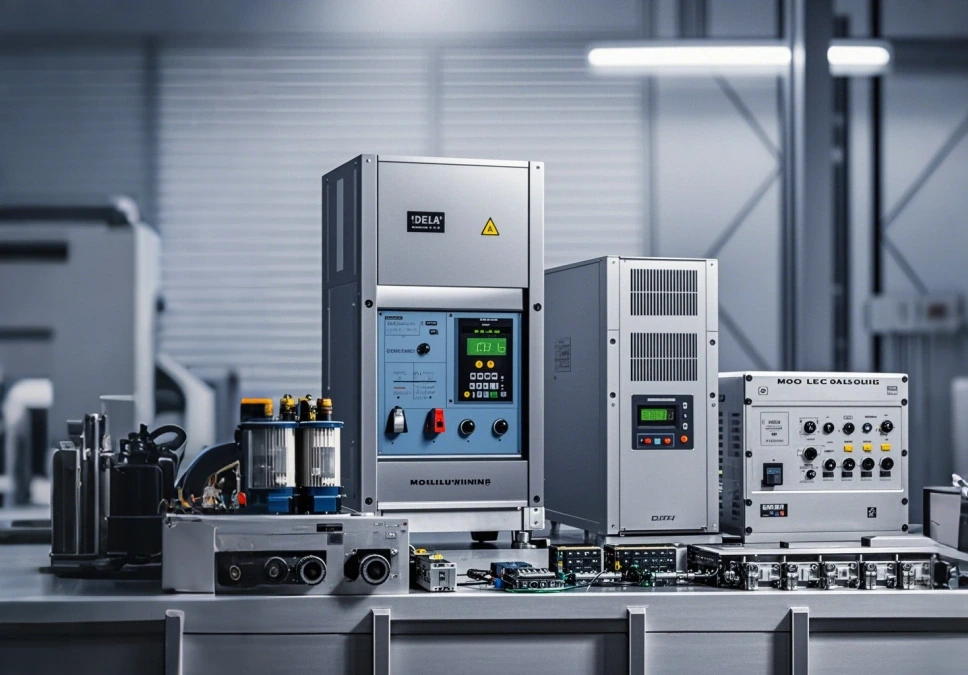
Why Choose Digital Temperature Humidity Controller Wholesale?
Digital temperature and humidity controller wholesale provides quality solutions with custom options and stable supply for industrial use.
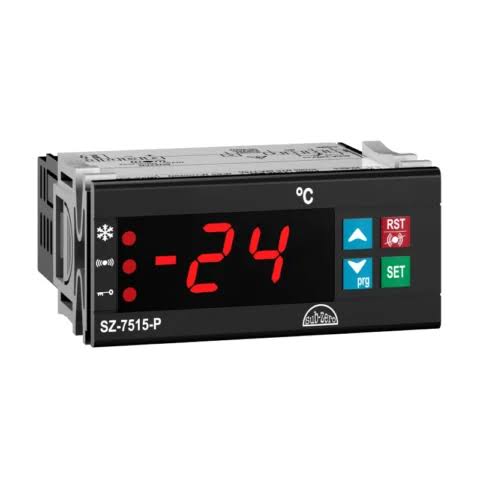
Digital temperature and humidity controller wholesale Benefits For Industrial Buyers
Digital temperature and humidity controller wholesale provides reliable sourcing options for businesses requiring stable environmental control equipment. Industrial facilities often depend on accurate temperature and humidity regulation to protect machines, materials, and stored products. These controllers combine sensors, processors, and display systems to maintain suitable conditions in different environments. Bulk purchasing helps buyers obtain consistent products, competitive pricing, and stable supply schedules. Professional suppliers usually provide technical specifications, inspection records, and customization support. These advantages help companies reduce operational risks and improve equipment management efficiency. Selecting suitable controllers requires attention to accuracy, durability, compatibility, and supplier capability. A careful evaluation process creates better purchasing results for long-term industrial applications.
Reliable Manufacturing Quality Behind Wholesale Temperature And Humidity Controller Solutions
Manufacturing quality directly affects controller performance, service life, and customer satisfaction. A professional supplier uses reliable electronic components, precise assembly methods, and strict testing procedures during production. Core parts include temperature sensors, humidity sensors, microprocessors, relay outputs, and protective circuits. Each component influences measurement accuracy and control stability. Quality factories inspect circuit boards, soldering points, housing structures, and software functions before shipment. Production facilities with advanced equipment can maintain consistent output across large orders. Digital temperature and humidity controller wholesale requires suppliers with strong production management because inconsistent quality may increase maintenance costs. Buyers should review factory capabilities, quality certificates, and inspection standards before establishing cooperation.
| Quality Factor | Production Requirement | Buyer Benefit |
|---|---|---|
| Electronic Components | Stable sensors and control chips | Reliable measurement accuracy |
| Assembly Process | Precise installation and testing | Consistent product performance |
| Quality Inspection | Functional and aging tests | Reduced failure risks |
| Material Selection | Durable housing and connectors | Longer service life |
Quality Control Methods Improve Equipment Reliability
Quality control systems determine how effectively temperature and humidity controllers perform in real applications. Professional manufacturers normally create inspection procedures covering incoming materials, production stages, and finished products. Incoming inspection checks sensor accuracy and electronic component reliability. Production monitoring focuses on circuit connection, assembly precision, and software calibration. Final testing evaluates display functions, alarm settings, and response performance. These steps reduce defective products and improve customer confidence. Buyers choosing digital temperature and humidity controller wholesale suppliers should request testing information and product documentation. Reliable quality management supports stable operation in industrial environments where temperature changes and humidity fluctuations may influence equipment safety.
Advanced Control Technology And Sensor Performance Advantages
Modern controllers rely on advanced sensing technology to achieve accurate environmental monitoring. Temperature sensors detect thermal changes, while humidity sensors measure moisture levels through electronic sensing elements. Microprocessors analyze collected data and activate control outputs according to preset parameters. High-quality devices provide faster response times and improved measurement stability. Important technical features include digital displays, alarm functions, automatic adjustment modes, and multiple control interfaces. Some models support communication systems for centralized monitoring. These functions help users manage equipment conditions more efficiently. A professional supplier should provide detailed specifications about sensor ranges, accuracy levels, and operating environments. Proper technical evaluation ensures the selected controller matches application requirements.
| Specification | Common Range | Application Impact |
|---|---|---|
| Temperature Measurement | -40°C to 120°C | Supports different industrial environments |
| Humidity Measurement | 10%RH to 95%RH | Maintains moisture control |
| Accuracy | ±0.5°C / ±3%RH | Improves regulation precision |
| Display Function | Digital LED or LCD | Provides clear monitoring information |
Specification Comparison Supports Better Purchasing Decisions
Technical specifications provide essential information when buyers compare different controller solutions. Temperature range determines whether a device fits extreme environments or standard applications. Humidity range affects performance in storage rooms, electrical systems, and industrial facilities. Accuracy ratings influence control results because small measurement errors may affect sensitive equipment. Interface options also matter because different systems require various connection methods. Buyers should compare product data carefully before placing large orders.
Digital temperature and humidity controller wholesale purchasing becomes more effective when specifications match operational requirements.Detailed comparison reduces unsuitable selections and helps companies achieve better cost performance. Reliable suppliers usually provide complete technical sheets and application recommendations.
Cost Efficiency And Supply Stability In Wholesale Purchasing
Bulk sourcing creates financial advantages through lower unit costs and improved inventory planning. Companies purchasing temperature and humidity control products regularly need predictable supply channels. Wholesale cooperation can simplify ordering procedures and reduce repeated purchasing expenses. Suppliers with strong manufacturing capacity can support large quantities while maintaining product consistency. Stable delivery schedules also help businesses avoid production delays caused by equipment shortages. Cost evaluation should include product quality, service support, customization ability, and future cooperation value. Choosing the lowest price option without reviewing quality may create additional expenses later. A balanced purchasing strategy focuses on reliability, efficiency, and long-term supply stability.
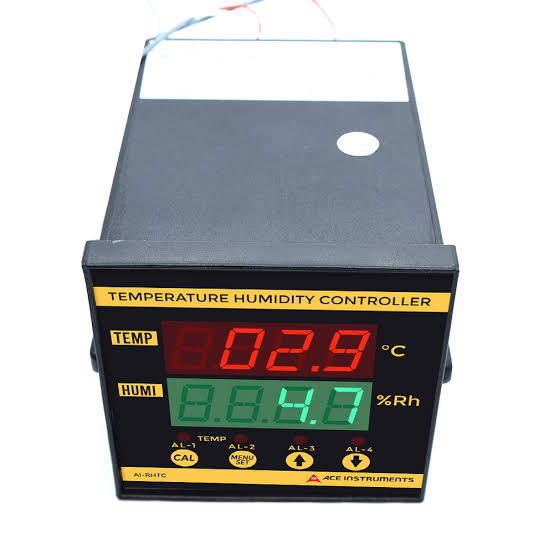
Important Factors When Evaluating Controller Suppliers
Selecting a suitable supplier requires evaluation of manufacturing experience, technical capability, and service quality. Professional suppliers usually maintain complete production systems with material inspection, assembly control, and final testing procedures. Buyers should review factory background, product certifications, and previous project experience before cooperation. Reliable manufacturers can provide detailed documents, including specifications, inspection reports, and quality records. The supplier’s customization ability also influences purchasing flexibility because different industries may require unique control settings or product structures. A strong partner should respond quickly to technical questions and provide practical solutions. Evaluating these factors helps companies avoid unstable supply problems and improves long-term cooperation efficiency.
- Manufacturing experience and production capacity
- Product testing procedures and quality documentation
- Customization options for different applications
- Technical communication and customer support
- Stable delivery schedules and supply management
Supplier Evaluation Methods Improve Long-Term Cooperation
Supplier evaluation creates a foundation for stable purchasing relationships and consistent product performance. Buyers should examine manufacturing facilities, production workflows, and inspection standards before selecting a partner. Factory audits can reveal equipment conditions, workforce capability, and quality management practices. Communication efficiency also affects cooperation because technical requirements often need detailed discussion. Suppliers with professional engineering teams can provide better recommendations for product selection and system integration. For example, Temperature Controller for Dry type Transformer OEM/ODM services require strong technical knowledge and flexible production abilities. Careful supplier assessment reduces procurement risks and supports continuous improvement. Companies that build reliable partnerships can achieve better product consistency and stronger market competitiveness.
Customization Options For Different Application Requirements
Customization services allow buyers to adapt controllers according to specific operating environments and equipment requirements. Professional manufacturers can modify housing designs, display methods, sensor configurations, and control parameters based on customer needs. Different industries may require special temperature ranges, humidity limits, or communication functions. Customized solutions help improve compatibility with existing systems and reduce installation difficulties. Some suppliers also support private labeling, packaging design, and firmware adjustments for specialized projects. The WSK Dial-Type Temperature and Humidity Controller represents a specialized option for users requiring traditional dial-based monitoring functions. Selecting a supplier with flexible customization capability allows businesses to develop products that match their market demands and application conditions.
Digital temperature and humidity controller wholesale Applications Across Various Industries
Digital temperature and humidity controller wholesale serves many industries that require accurate environmental regulation. Electrical equipment rooms use these controllers to prevent moisture-related failures and maintain stable operating conditions. Agricultural facilities apply temperature and humidity management systems to improve growing environments. Storage warehouses depend on accurate monitoring to protect sensitive materials from excessive humidity or temperature changes. Manufacturing plants also use controllers for process stability and equipment protection. Different applications require different specifications, including sensor range, output type, and installation method. Professional suppliers can recommend suitable models according to actual operating conditions. Proper product selection improves efficiency and reduces potential equipment damage caused by unstable environmental factors.
Quality Control Standards Ensure Product Reliability
Quality standards play an important role in maintaining controller reliability throughout long-term operation. Manufacturers should perform multiple inspection stages before products reach customers. Component testing verifies sensor accuracy, circuit stability, and electronic performance. Assembly inspection checks connection quality, housing protection, and mechanical durability. Aging tests simulate extended operation conditions to identify possible failures before delivery. Electrical safety tests evaluate insulation performance and output stability. Suppliers following strict quality procedures can provide more dependable products for industrial applications. Buyers should request quality records and testing information when evaluating suppliers. Strong quality systems support safer operation and reduce maintenance requirements during the product lifecycle.
Future Market Trends And Smart Temperature Management Solutions
Smart control technology continues to influence the development of temperature and humidity management equipment. Modern solutions increasingly combine digital monitoring, remote communication, and automated adjustment functions. Internet-connected controllers allow users to check environmental data through centralized platforms. Advanced systems can generate alerts when conditions exceed preset limits. Energy efficiency is also becoming important because businesses seek lower operating costs and improved sustainability. Future products may integrate more intelligent algorithms for automatic regulation and predictive maintenance.