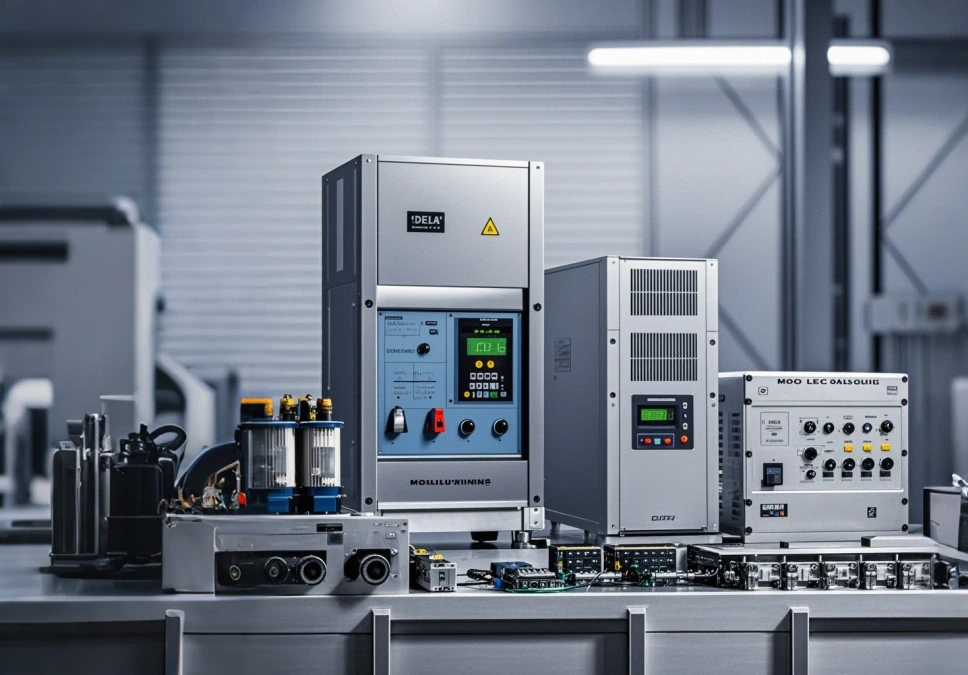
Why Choose Flexible Heaters Silicone Rubber For Industry?
Flexible heaters silicone rubber deliver uniform heating, compact installation, precise control, and reliable performance for industry.
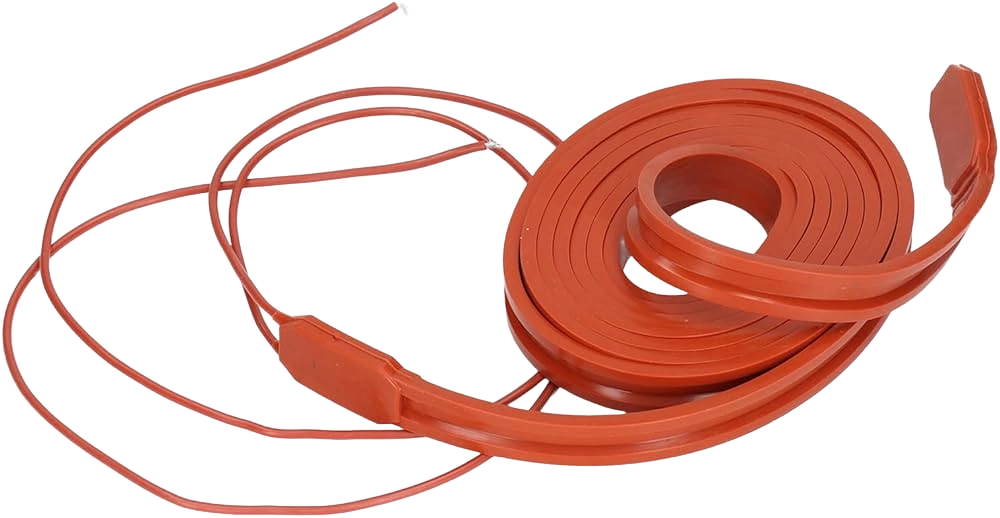
Why Flexible Heaters Silicone Rubber Suit Industrial Equipment
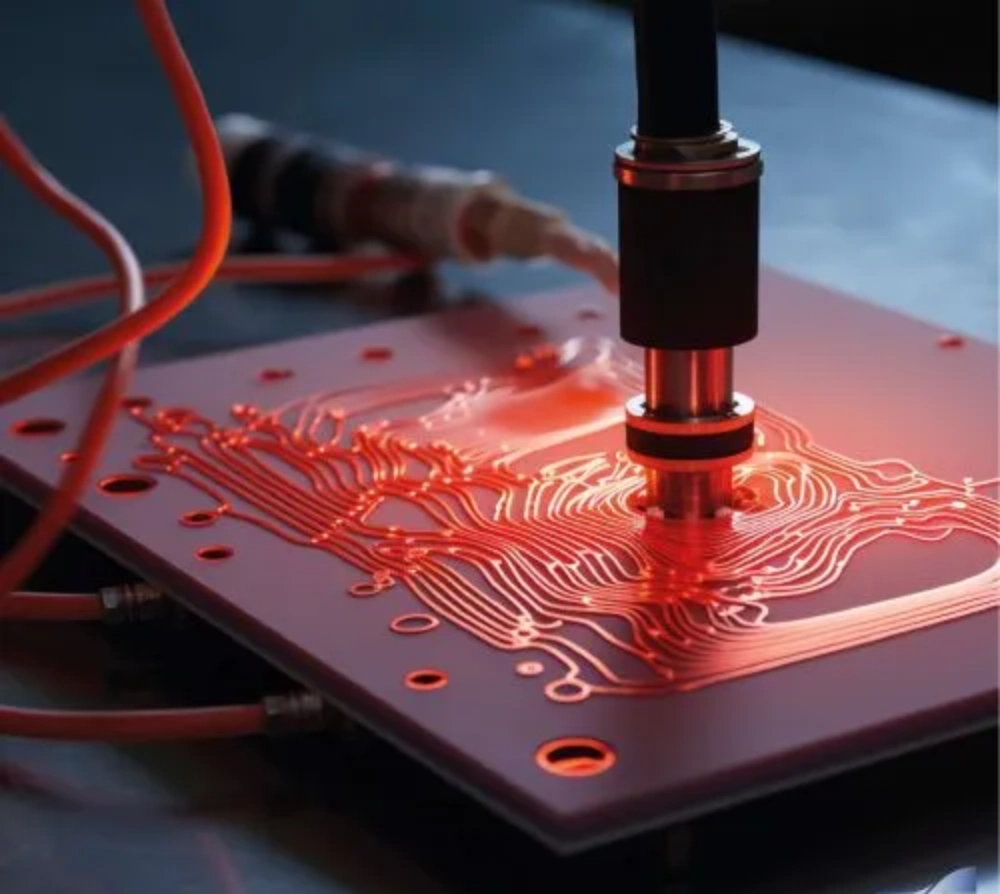
Industrial heating systems often face limited installation space and uneven heat distribution. Flexible heaters silicone rubber address these challenges through thin construction and adaptable geometry. A typical design combines a resistive element with silicone rubber insulation. The element generates heat when electrical current passes through its resistance path. Silicone rubber provides electrical insulation while supporting mechanical flexibility. Engineers can shape the heater around tanks, pipes, plates, valves, or equipment housings. This arrangement places heat closer to the required surface. Direct contact can also reduce unnecessary thermal resistance between the heater and target component. Industrial users can therefore control local temperatures without installing bulky heating assemblies. The approach suits freeze protection, temperature maintenance, condensation prevention, and controlled process heating. Selection still requires careful evaluation of voltage, wattage, surface temperature, and environmental conditions.
How Silicone Rubber Supports Flexible Heater Construction
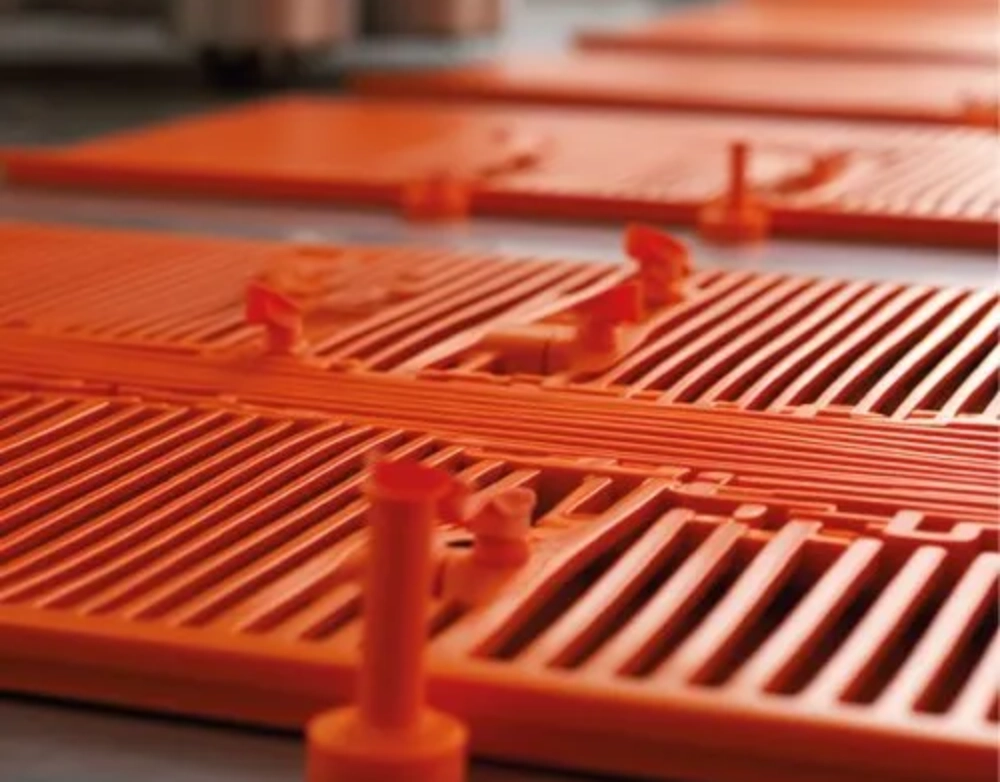
Silicone rubber provides several properties that support demanding industrial heating applications. The material remains flexible while maintaining electrical insulation around the resistance element. Silicone rubber also resists moisture, weathering, oils, and several industrial chemicals. Its performance depends on compound formulation, thickness, reinforcement, and operating temperature. Fiberglass reinforcement can improve dimensional stability during repeated heating cycles. Etched foil elements can distribute heat across large surfaces with controlled watt density. Wire-wound elements can provide different resistance characteristics and geometric options. Manufacturing methods also influence heater consistency and mechanical durability. Vulcanization can integrate the heater closely with a metal component. Adhesive bonding can simplify field installation when the surface allows it. Engineers should therefore evaluate the complete heater construction rather than treating silicone rubber as the only specification.
What Makes Flexible Heaters Silicone Rubber Adaptable
Industrial components rarely provide perfectly flat mounting surfaces. Curved tanks, cylindrical pipes, narrow brackets, and irregular housings can create difficult heating zones. Silicone rubber heaters can conform to many of these geometries when the design permits suitable bending. A thin heater also adds minimal thickness around the heated component. This feature helps equipment designers preserve existing clearances and access points. However, flexibility does not mean unlimited bending or folding. Tight bends can stress the resistance element and damage internal connections. Repeated movement can create additional mechanical fatigue near terminals and lead exits. Engineers should define the required shape before production rather than forcing a standard heater into an unsuitable location. Custom cutouts can also clear bolts, sensors, openings, and mechanical interfaces. Proper geometry improves contact while reducing localized air gaps.
How Heat Transfer Performance Affects Industrial Results
Heat transfer determines whether an industrial heater maintains the required surface temperature. Watt density describes heating power over a defined active area. Higher watt density can produce faster heating, but it also increases local thermal stress. Lower watt density may provide gentler heating but require more surface area. Surface contact strongly affects how efficiently heat enters the target component. Air gaps act as thermal barriers and can create localized hot spots. Metal surfaces generally distribute heat more effectively than poorly conductive materials. Insulation around the assembly can reduce heat loss to the surrounding environment. Engineers should calculate heat loss from conduction, convection, radiation, and required warm-up time. Flexible heaters silicone rubber work most effectively when wattage matches the thermal load. Temperature sensors can then regulate output as operating conditions change.
| Selection Factor | Why It Matters | Typical Engineering Check |
| Voltage | Determines electrical compatibility and current demand | Match the available supply voltage |
| Wattage | Controls available heating capacity | Calculate heat loss and warm-up requirements |
| Watt Density | Affects surface temperature and heating speed | Match output with material and application limits |
| Dimensions | Determines heated surface coverage | Check mounting area and clearance |
| Sensor Type | Controls temperature measurement accuracy | Select RTD, thermistor, thermocouple, or thermostat |
| Mounting Method | Affects thermal contact and serviceability | Evaluate bonding, clamping, or vulcanization |
How Engineering Parameters Shape Heater Selection
The table shows why heater selection cannot rely on wattage alone. Voltage determines current and influences wiring requirements. Wattage establishes the available thermal capacity under defined conditions. Watt density then determines how concentrated that energy becomes across the surface. Dimensions affect both coverage and heat distribution. Sensor selection influences how accurately the controller responds to actual equipment temperature. Mounting also changes thermal resistance between the heater and heated component. For example, an air gap can significantly reduce heat transfer compared with close surface contact. Industrial designers should calculate the complete thermal path before finalizing the heater. That process helps prevent oversized heaters, unstable temperatures, excessive cycling, and unnecessary energy consumption. A properly matched assembly also makes temperature control more predictable during changing ambient conditions.
Where Industrial Equipment Uses Silicone Rubber Heating
Silicone rubber heating systems serve many industrial functions beyond simple surface warming. Equipment manufacturers use them when conventional heaters cannot fit the available geometry. Common applications include:
- Electrical enclosure condensation prevention
- Pipe and valve freeze protection
- Battery temperature maintenance
- Fluid viscosity control
- Laboratory equipment temperature stabilization
- Process vessel heating
- Outdoor instrumentation protection
- Adhesive and sealant temperature maintenance
Each application creates a different thermal requirement. An enclosure heater may only need enough output to prevent condensation. A fluid system may require continuous heating against substantial environmental heat loss. Battery systems can require controlled temperatures during charging or operation. Process equipment may require more uniform surface heating across a defined area. The heater shape should therefore follow the thermal objective rather than simply filling available space. Control requirements also vary with the application. Simple thermostatic switching may suit freeze protection, while proportional control may suit sensitive processes.
How Application Conditions Determine Heating Requirements
Environmental conditions can change heater performance substantially. Outdoor equipment may experience wind, rain, condensation, ultraviolet exposure, and rapid temperature changes. Indoor process equipment may face oils, solvents, vibration, dust, or frequent cleaning. A heater near a chemical process requires material compatibility with surrounding substances. Equipment with moving components also requires careful routing of leads and strain relief. The DJR-S Aluminum Alloy Heater Series illustrates another industrial heating approach for applications requiring a rigid metallic heating structure. Such products differ from flexible silicone constructions in geometry and mounting characteristics. Engineers should therefore compare the heater type with the equipment structure before selection. Flexible designs suit surfaces requiring conformity, while rigid heaters may suit fixed mounting locations. Environmental requirements should always remain part of the initial specification.
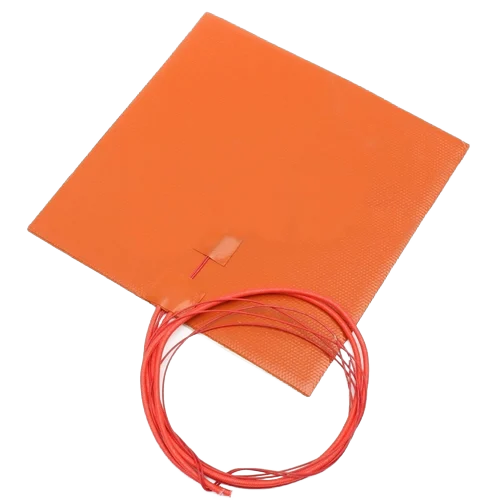
What Engineers Should Check Before Selecting A Heater
Engineers can reduce selection errors by checking the complete thermal and electrical specification first. Important parameters include:
- Required operating temperature
- Minimum and maximum ambient temperature
- Available supply voltage
- Required heating wattage
- Target surface and material
- Heater dimensions and shape
- Permitted watt density
- Sensor location and control method
- Moisture and chemical exposure
- Mounting and service requirements
- Lead routing and electrical protection
- Required certifications for the finished equipment
These checks connect the heater specification with actual operating conditions. Surface temperature can differ greatly from internal heater temperature. Sensor placement should therefore represent the protected component rather than only the heater surface. Mounting also deserves early attention because adhesive, clamps, or factory bonding create different thermal interfaces. The DJR-S Alloy Heater may suit a rigid installation where mechanical structure matters more than surface conformity. Engineers should also review maintenance access before selecting a permanent mounting method. Early coordination between electrical, mechanical, and thermal requirements usually prevents costly redesigns.
How Temperature Control Improves Heater Reliability
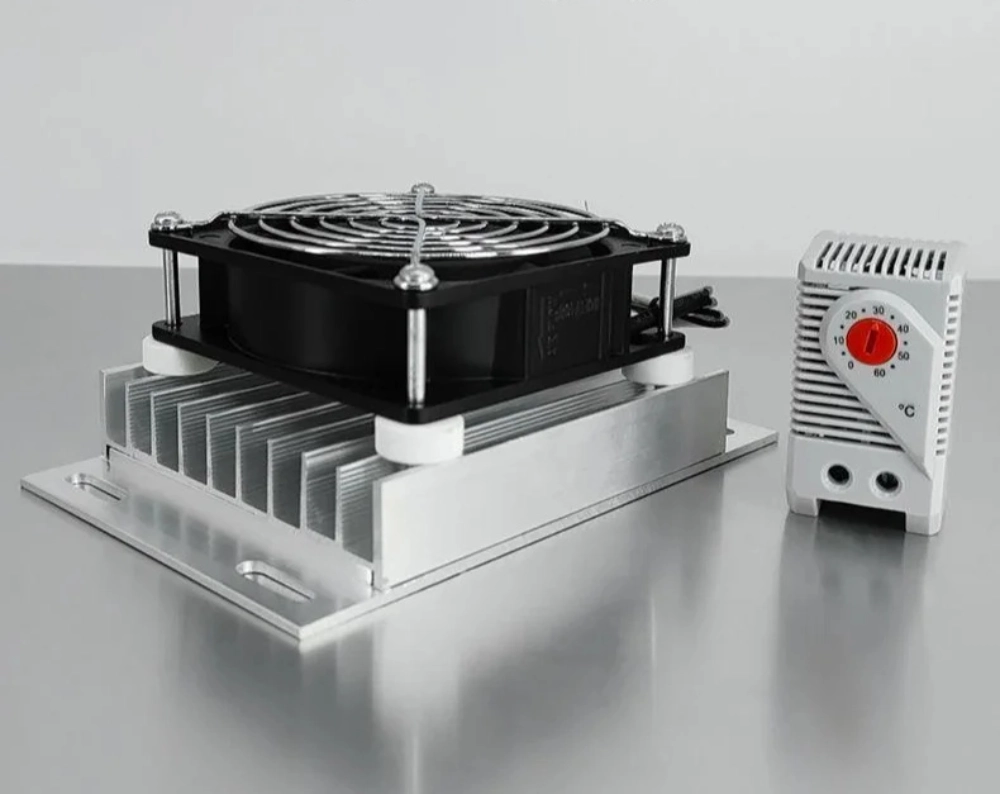
Temperature control determines how consistently equipment stays within its required thermal range. A thermostat can switch heater power around a defined temperature point. RTDs provide stable resistance-based temperature measurements across many industrial ranges. Thermistors offer rapid response when their operating range matches the application. Thermocouples provide broad temperature capability and fast measurement response. PID controllers can continuously adjust heater output according to temperature error. Sensor placement remains critical because poor positioning can cause delayed or inaccurate control. An improperly placed sensor may read heater temperature instead of equipment temperature. Over-temperature protection adds another safety layer when a controller or sensor fails. Flexible heaters silicone rubber can support these control strategies when engineers integrate suitable sensors and electrical protection. Proper control also reduces unnecessary thermal cycling and excessive surface temperatures.
How Installation Details Affect Heater Performance
Installation quality directly affects heat transfer, electrical reliability, and service life. The target surface should remain clean, smooth, and compatible with the chosen mounting method. Adhesive systems require suitable surface preparation and adequate contact across the active heating area. Mechanical clamps should distribute pressure without creating sharp local stress. Lead exits need strain relief because repeated pulling can damage internal connections. Installers should avoid folding active heating zones unless the manufacturer permits that configuration. Sharp edges can also cut or compress the heater during assembly. Factory bonding can provide consistent contact when production volumes justify dedicated tooling. Field installation offers flexibility but requires tighter process control. After installation, technicians should verify electrical resistance and insulation condition before energizing the heater. Initial temperature testing can reveal uneven contact, incorrect wiring, or unexpected hot spots.
How A Real Industrial Application Uses Flexible Heating
A documented Watlow case involved a dairy truck sampling valve that froze closed during winter operation. The application required remote bacteria testing of collected milk. Watlow designed a pre-formed silicone rubber heater around the valve, using an insulated jacket and Velcro straps. The removable structure supported daily valve cleaning requirements. A thermostat controlled the critical upper and lower temperature ranges. This case demonstrates why heater geometry, maintenance access, and temperature control must work together. The heater did not simply add heat to a flat surface. Its pre-formed shape matched the valve while the removable jacket supported routine sanitation. Watlow also identified freezing as the operating problem rather than treating heating capacity as an isolated specification. The documented solution shows how application-specific design can address mechanical access and temperature control simultaneously.
How Environmental Conditions Change Heater Selection
Moisture and temperature cycling can create different risks from those found in dry indoor equipment. Outdoor enclosures may require heating to reduce condensation during cold periods. Pipes and valves may need freeze protection when stagnant fluids face sub-zero temperatures. Chemical exposure can affect insulation, adhesives, lead materials, and mounting surfaces. Vibration can place repeated stress on terminals and cable exits. Dust can also accumulate around equipment and alter heat dissipation. Designers should evaluate the complete assembly instead of focusing only on silicone rubber. Protection ratings, enclosure design, surface material, and electrical connections all influence performance. OMEGA lists silicone rubber heaters for freeze protection, viscosity control, enclosures, and temperature maintenance. Its published SRMU range includes models designed for continuous exposure up to 232°C. Actual operating limits still depend on the specific heater construction and installation conditions.
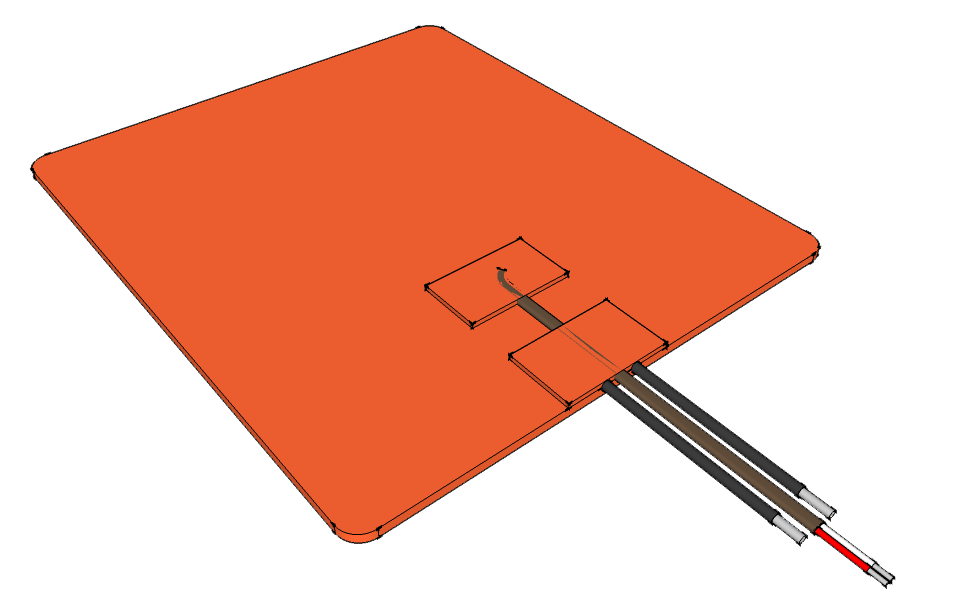
What Maintenance Practices Extend Heater Service Life
Routine inspection helps identify thermal and electrical problems before they affect equipment operation. Technicians should inspect heater surfaces, terminals, leads, sensors, and mounting interfaces. Loose connections can increase resistance at electrical joints and generate unwanted local heating. Damaged insulation can also compromise electrical safety. Surface contamination may reduce thermal contact or interfere with adhesive attachment. Temperature measurements can reveal gradual changes in heating performance. Frequent cycling may indicate incorrect control settings or insufficient heater capacity. Excessive cycling can also increase thermal stress across electrical and mechanical interfaces. Maintenance teams should compare measured resistance with the original specification when appropriate. Any abnormal temperature rise deserves investigation before continued operation. Flexible heaters silicone rubber can provide long service in suitable conditions, but installation quality and control remain important. Replacement should follow measured condition, application requirements, and manufacturer limits rather than an assumed universal service interval.