
Why Choose Professional Earth Fault Indicator Wholesale?
Choose earth fault indicator wholesale solutions with reliable quality, precise detection, and expert support for electrical safety.
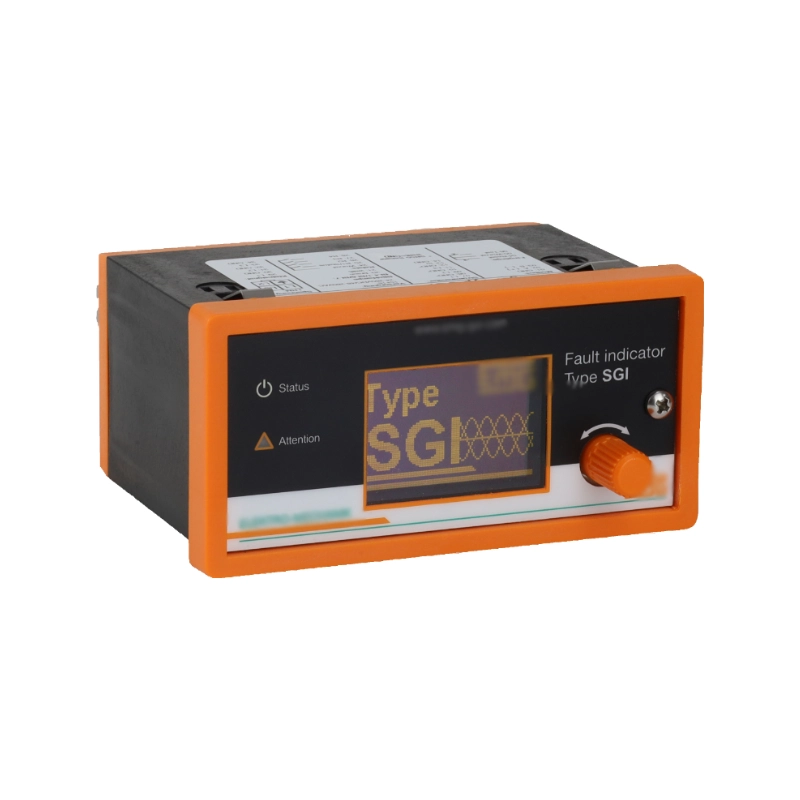
Reliable Power Protection With Earth Fault Indicator Wholesale Solutions
Power distribution systems require accurate fault detection to maintain safe operations. Earth fault indicator wholesale provides buyers with access to reliable monitoring equipment for industrial and utility applications. These devices detect abnormal current paths and help operators locate grounding problems quickly. Professional suppliers focus on stable production, strict testing, and consistent performance. They also provide different configurations for various installation environments. Selecting suitable equipment requires attention to technical specifications, manufacturing standards, and application requirements. Reliable sourcing helps companies reduce operational risks and improve long-term system safety.
Core Functions Behind Advanced Fault Detection Equipment
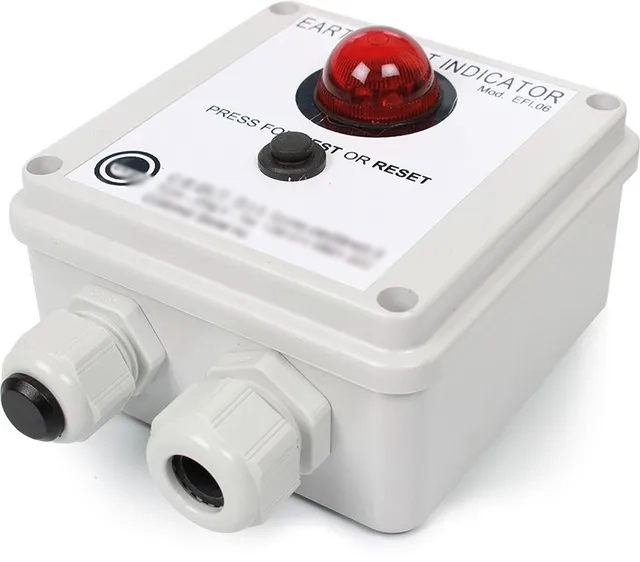
Electrical fault monitoring devices use sensors and electronic circuits to identify abnormal current leakage. The internal structure usually includes detection components, signal processing units, and visual indicators. Sensors collect electrical changes from connected systems and transfer information to processing modules. These modules analyze current variations and activate warning signals when faults appear. High-quality designs support accurate detection under different voltage conditions. Engineers also consider insulation performance, environmental resistance, and response speed during product development. Proper device selection helps maintenance teams locate issues faster. This reduces downtime and supports safer electrical management across industrial facilities and distribution networks.
Professional Earth Fault Indicator Wholesale Improves Purchasing Results
Professional earth fault indicator wholesale allows buyers to access stable supply channels and technical support. Reliable suppliers usually maintain controlled production processes and complete inspection systems. They evaluate raw materials, electronic components, and finished products before shipment. This approach reduces quality differences between different batches. Bulk purchasing also helps companies manage project schedules more efficiently. Suppliers with manufacturing experience can offer customized solutions based on installation requirements. They may adjust housing designs, connection methods, or signal options for specific applications. Strong cooperation between buyers and suppliers creates better product consistency. It also supports long-term planning for electrical protection projects.
Material Selection Determines Equipment Durability
Electrical monitoring equipment operates in demanding environments. Therefore, material selection directly affects service life and reliability. Durable housings often use engineering plastics or metal alloys with strong protection features. These materials resist moisture, dust, and temperature changes. Internal electronic parts require stable performance under continuous operation. Manufacturers evaluate components according to electrical stress, mechanical vibration, and environmental exposure. Protection ratings such as IP standards help buyers select suitable products for different locations. Quality materials reduce maintenance frequency and improve operational stability. Professional suppliers usually provide detailed specifications to help buyers compare product performance before making purchasing decisions.
Key Specifications Buyers Should Review Before Ordering
Different applications require different technical parameters. Buyers should evaluate electrical compatibility, installation methods, and operating conditions before selecting equipment. The following table shows common specification factors.
| Specification | Typical Consideration | Importance |
|---|---|---|
| Voltage Range | Matches system requirements | Ensures accurate operation |
| Protection Level | IP rating selection | Supports environmental safety |
| Installation Type | Panel or cable installation | Improves compatibility |
| Response Performance | Detection sensitivity | Supports faster maintenance |
Product Application Areas and Industry Requirements
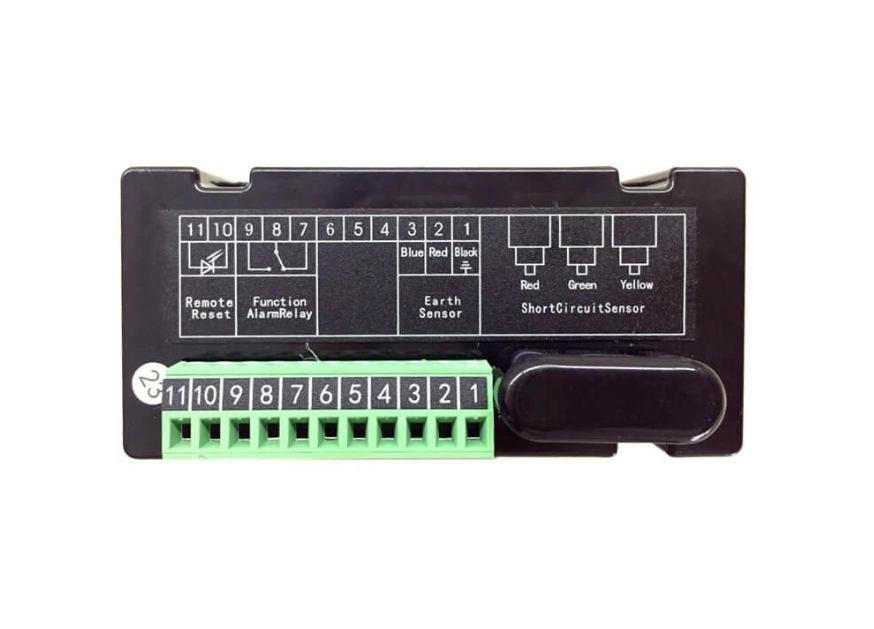
Power utilities, factories, and renewable energy projects use fault detection equipment for different purposes. Distribution cabinets require compact designs that fit limited spaces. Industrial plants often need durable solutions that operate continuously. Renewable energy systems demand stable monitoring because remote locations increase maintenance challenges. A Panel mounted Paddle Type Short circuit Fault Indicator can support specific cabinet installation requirements with visible status indication. Meanwhile, other systems may require different structures based on cable layouts and operating conditions. Application analysis helps buyers choose suitable products. Professional suppliers evaluate environmental factors before recommending solutions for electrical protection projects.
Supplier Evaluation Factors That Influence Product Quality
Choosing a capable supplier requires attention to several important areas:
- Manufacturing experience and production capacity
- Quality inspection procedures and testing standards
- Product customization capabilities
- Delivery management and inventory support
- Technical communication and after-sales service
These factors help buyers identify partners with stable capabilities. A supplier with organized production systems can maintain consistent output quality. Inspection procedures also reduce risks caused by component variations. Technical support creates smoother cooperation during product selection and installation stages.
Supplier Capability Supports Consistent Electrical Equipment Supply
Manufacturing capability plays an important role in product reliability. Companies searching for earth fault indicator wholesale solutions should evaluate production systems, testing methods, and quality management practices. Professional manufacturers usually perform electrical tests, appearance inspections, and functional verification before delivery. They also maintain records for production control and product tracking. Experienced teams can adjust designs according to market requirements. This flexibility supports different project specifications and regional standards. Strong supplier capability creates confidence for buyers who need stable product availability. It also helps maintain predictable performance across multiple installation sites.
Installation Practices Affect Long-Term Performance
Correct installation improves equipment accuracy and operational stability. Technicians should follow wiring requirements, mounting instructions, and safety procedures during setup. Improper connections may create false signals or reduce detection performance. Regular inspection also helps identify aging components and environmental damage. Maintenance teams should check connection points, indicator visibility, and enclosure conditions. Scheduled testing ensures that monitoring devices continue working effectively. Professional suppliers often provide installation recommendations and technical documents. These resources help users maintain equipment properly. Good installation practices combined with quality products create stronger protection systems for electrical networks.
Comparison Between Different Fault Indicator Types
Different designs provide unique advantages for various applications. Buyers should compare product structures before making decisions. The table below presents common differences.
| Product Type | Main Feature | Suitable Application |
|---|---|---|
| Panel Mounted Type | Direct cabinet visibility | Switchgear systems |
| Cable Type | Flexible installation position | Cable networks |
| Remote Signal Type | External monitoring ability | Large facilities |
Market Development Creates New Demand Opportunities
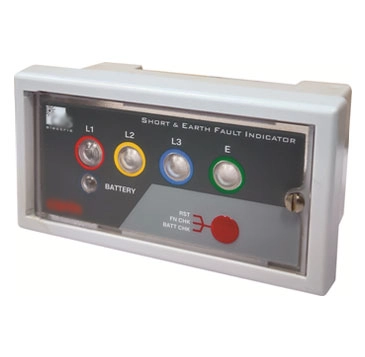
Smart grids and automated distribution systems continue changing electrical protection requirements. Modern buyers prefer equipment with better accuracy, easier installation, and improved communication options. Digital monitoring trends encourage manufacturers to improve sensor technology and signal processing functions. A Cable Type Short Circuit Grounding Flash Fault Indicator represents a solution designed for specific cable-based applications. Future demand will increase as infrastructure projects require stronger safety management. Suppliers that invest in technology improvements can provide more competitive solutions. Market changes also encourage buyers to select products with better adaptability and long-term value.
FAQ
What Does an Earth Fault Indicator Do in Power Systems?
An earth fault indicator detects abnormal current flow caused by insulation failures or grounding problems. It provides visual or signal-based warnings for maintenance teams. These devices help operators locate fault positions faster and reduce unnecessary inspection time. They support safer operations in switchgear, distribution networks, and industrial electrical systems. Product selection depends on voltage conditions, installation environment, and required response performance. Reliable equipment improves maintenance efficiency and protects valuable electrical assets. Professional suppliers usually provide technical information to support correct selection.
How Can Buyers Select a Suitable Fault Indicator Supplier?
Buyers should evaluate supplier experience, manufacturing processes, testing systems, and technical support capabilities. A reliable supplier maintains stable production standards and provides detailed product specifications. Quality control procedures show whether products can maintain consistent performance across different orders. Buyers should also check customization options because electrical projects often require different installation methods. Communication efficiency and delivery reliability are also important factors. A professional supplier creates stronger cooperation and helps customers receive suitable solutions for their specific applications.