Why Do Electrical Cabinets Need Temperature & Humidity Control?
Electrical cabinet temperature and humidity control reduces overheating, condensation, corrosion, and insulation risks for safer operation.
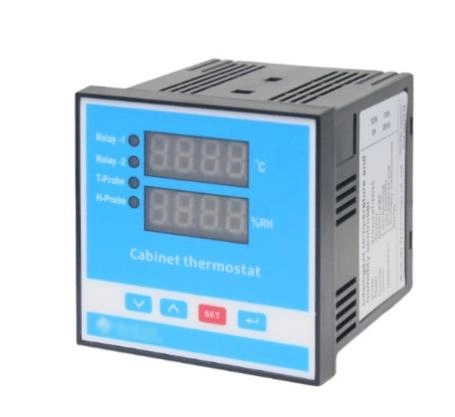
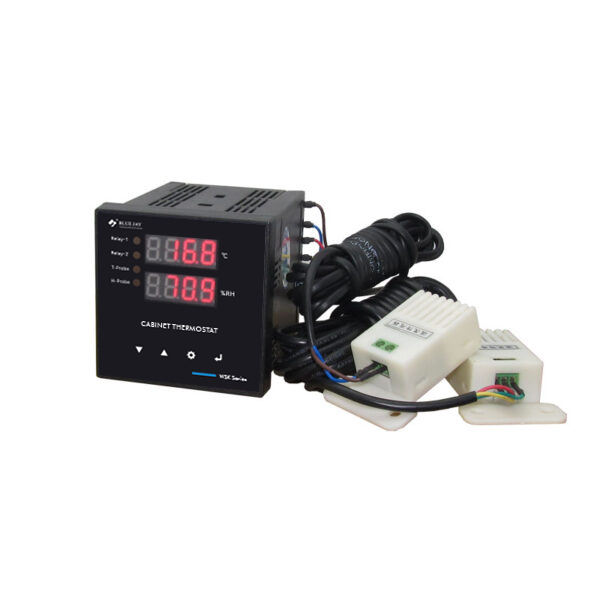
Why Electrical Cabinets Need electrical cabinet temperature and humidity control
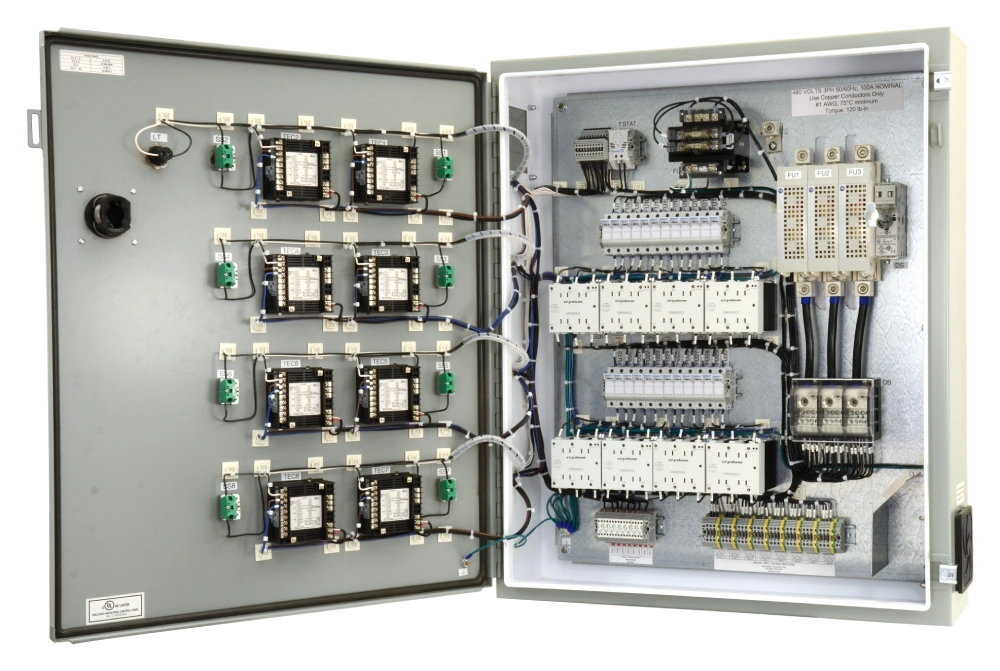
Electrical cabinet temperature and humidity control plays a central role in reliable electrical equipment operation. Electrical cabinets often contain components that generate continuous heat during operation. Circuit breakers, contactors, relays, drives, power supplies, and control modules all contribute to internal thermal loads. Meanwhile, outdoor installations can expose cabinets to high humidity, rain, and large temperature changes. Indoor cabinets can also face moisture from ventilation systems, condensation, or nearby industrial processes. Excessive heat accelerates component aging and can increase electrical resistance at connection points. High humidity creates additional risks when moisture reaches conductive surfaces. Condensation presents an even greater threat because liquid water can directly reduce insulation performance. Effective environmental control therefore protects both electrical performance and equipment service life.
How High Temperature Affects Electrical Cabinet Components
Heat affects electrical components through several different mechanisms. Semiconductor devices become more sensitive to excessive junction temperatures during prolonged operation. Variable frequency drives also release significant heat through switching losses and internal power components. Circuit breakers can experience changes in thermal characteristics when cabinet temperatures exceed their rated conditions. Contact resistance may increase at poorly cooled connection points, producing additional heat and creating a reinforcing thermal cycle. Insulation materials also age faster when they remain exposed to elevated temperatures for extended periods. Cabinet ventilation can remove some accumulated heat, but airflow depends on enclosure design and equipment arrangement. Dense component layouts can create local hot spots even when the average cabinet temperature appears acceptable. Therefore, temperature control should consider individual component locations rather than relying only on one general measurement.
Why Humidity Creates Electrical Reliability Problems
Humidity affects cabinets differently from temperature because moisture can interact with exposed surfaces and materials. High relative humidity can encourage oxidation on copper terminals, busbars, and other conductive components. Corrosion gradually increases contact resistance and can weaken mechanical connections. Moisture can also reduce insulation resistance across terminals, circuit boards, and wiring assemblies. Electronic devices become especially vulnerable when moisture combines with dust, chemical contaminants, or conductive residues. These conditions can create leakage paths between energized points. Over time, repeated exposure can cause intermittent faults that are difficult to diagnose during normal maintenance. Sealed enclosures can reduce external moisture entry, but sealing alone does not eliminate internal moisture. Temperature changes can cause trapped air to reach its dew point. Effective humidity management must therefore address both moisture entry and moisture formation.
| Environmental Condition | Primary Risk | Potential Equipment Effect | Control Priority |
|---|---|---|---|
| High temperature | Thermal stress | Faster aging and overheating | High |
| High relative humidity | Moisture absorption | Corrosion and insulation decline | High |
| Rapid temperature change | Condensation | Leakage and short circuits | Very high |
| Dust with humidity | Conductive contamination | Surface leakage and tracking | High |
Why Condensation Requires Special Attention
Condensation occurs when a cabinet surface becomes colder than the surrounding air's dew point. The air can hold less water vapor as its temperature falls. Excess moisture then changes from vapor into liquid water on cooler surfaces. Cabinet doors, metal panels, terminal blocks, and components near external walls can become condensation points. Nighttime cooling can create this condition after equipment shuts down. Morning temperature increases may then produce repeated moisture cycles inside the enclosure. Electrical cabinet temperature and humidity control should therefore address dew point conditions rather than humidity alone. A humidity reading may appear moderate while condensation remains possible after a sudden temperature drop. Heating elements can raise internal surface temperatures and prevent moisture from reaching its condensation point. Proper sensor placement also helps detect dangerous conditions before visible water appears.
Where Heat and Moisture Accumulate Inside Cabinets
Cabinet geometry strongly influences internal environmental conditions. Components with high power losses should have enough clearance for heat to move toward ventilation paths. Drives and power supplies often require particular attention because their heat output can exceed that of nearby control devices. Upper cabinet areas can become warmer because heated air naturally rises. Lower sections may collect moisture when temperature changes occur near the enclosure base. Cable entry points can also introduce humid air when seals remain incomplete. Door-mounted devices may experience different temperatures from components positioned near internal heat sources. Fans can improve circulation, but poor component placement may still create stagnant zones. Sensors should represent the actual environment affecting sensitive equipment. Installing one sensor near a cool air inlet may produce misleading readings. A well-designed monitoring point should reflect the hottest and most moisture-sensitive cabinet areas.
Which Control Methods Suit Different Cabinet Conditions
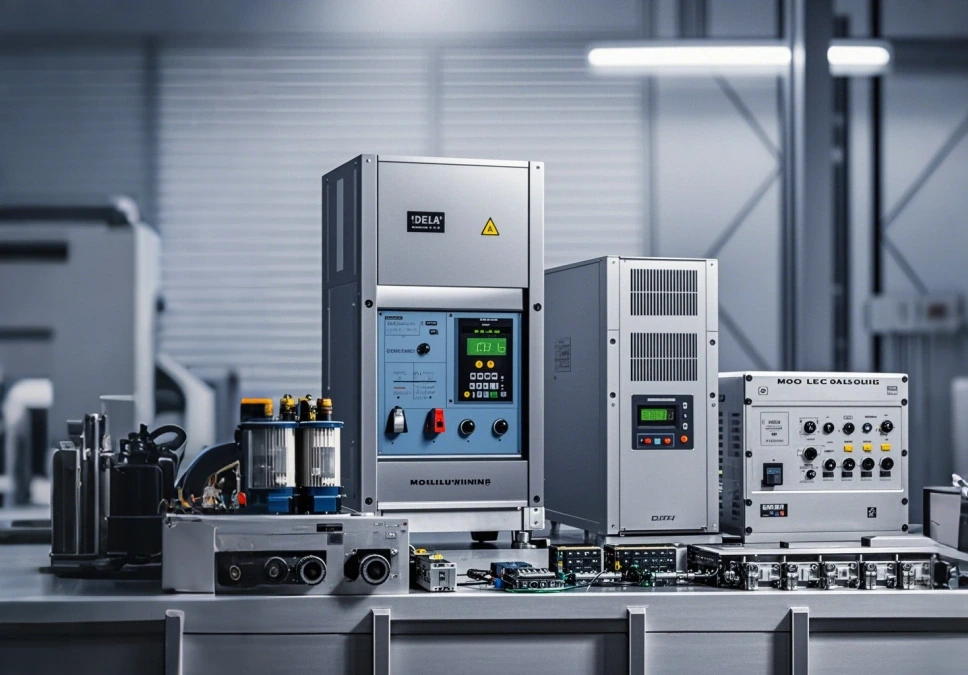
Different environmental problems require different control technologies. Cooling equipment works best when internal heat exceeds the enclosure's natural heat dissipation capability. Fan-and-filter systems can remove heat when surrounding air remains sufficiently clean and cool. Air conditioners provide stronger cooling when cabinet temperatures must remain below ambient conditions. Heat exchangers offer separation between internal and external air while transferring thermal energy. Anti-condensation heaters work well when moisture forms because of temperature drops. Active dehumidification can provide stronger moisture reduction in demanding environments. Electrical cabinet temperature and humidity control becomes more effective when engineers select equipment according to actual thermal loads. The enclosure's IP rating, installation location, power density, and ambient conditions all influence equipment selection. Oversized cooling systems can create unnecessary costs and maintenance requirements. Undersized systems may run continuously without maintaining stable internal conditions.
- Measure cabinet temperature at representative thermal locations.
- Monitor relative humidity near moisture-sensitive components.
- Consider dew point when temperature changes occur rapidly.
- Match cooling capacity with the cabinet's calculated heat load.
- Select heating capacity according to enclosure size and ambient conditions.
- Configure alarms for abnormal environmental conditions.
- Inspect fans, filters, heaters, and sensors during scheduled maintenance.
How Monitoring Improves Environmental Control
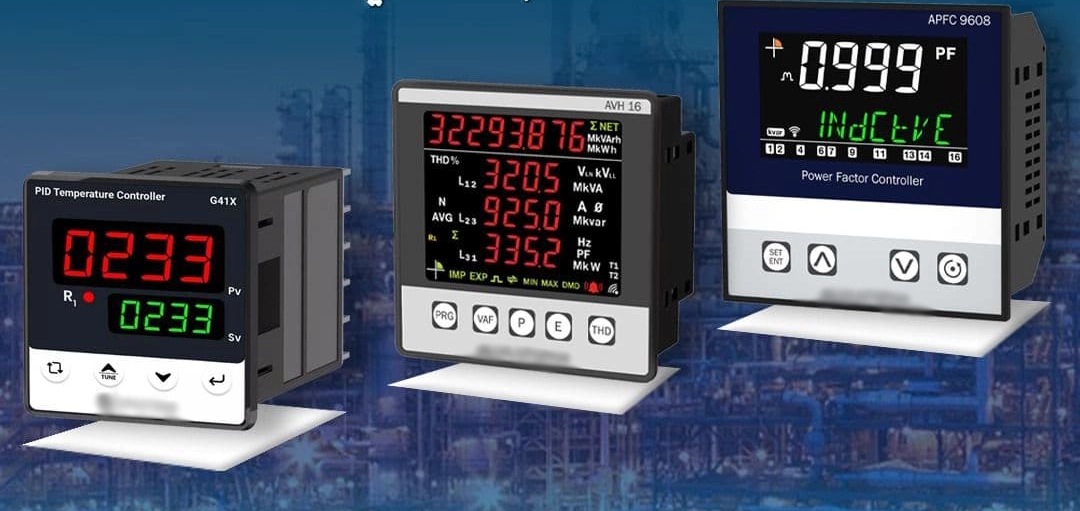
Monitoring provides the feedback required for stable environmental management. A temperature sensor measures internal air conditions, while a humidity sensor tracks moisture concentration. Dew point calculations can add another layer of protection when condensation represents a major risk.
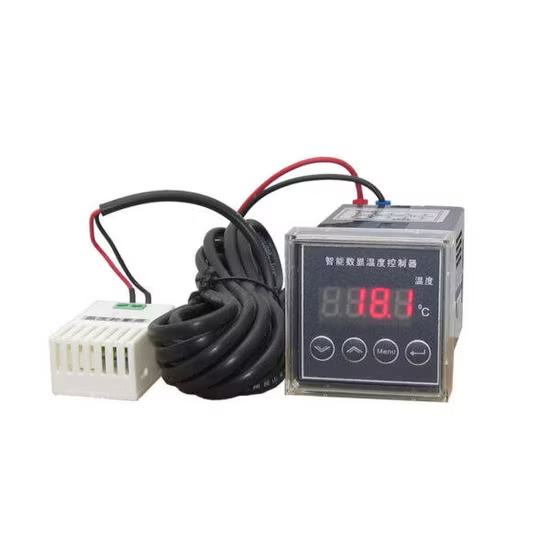
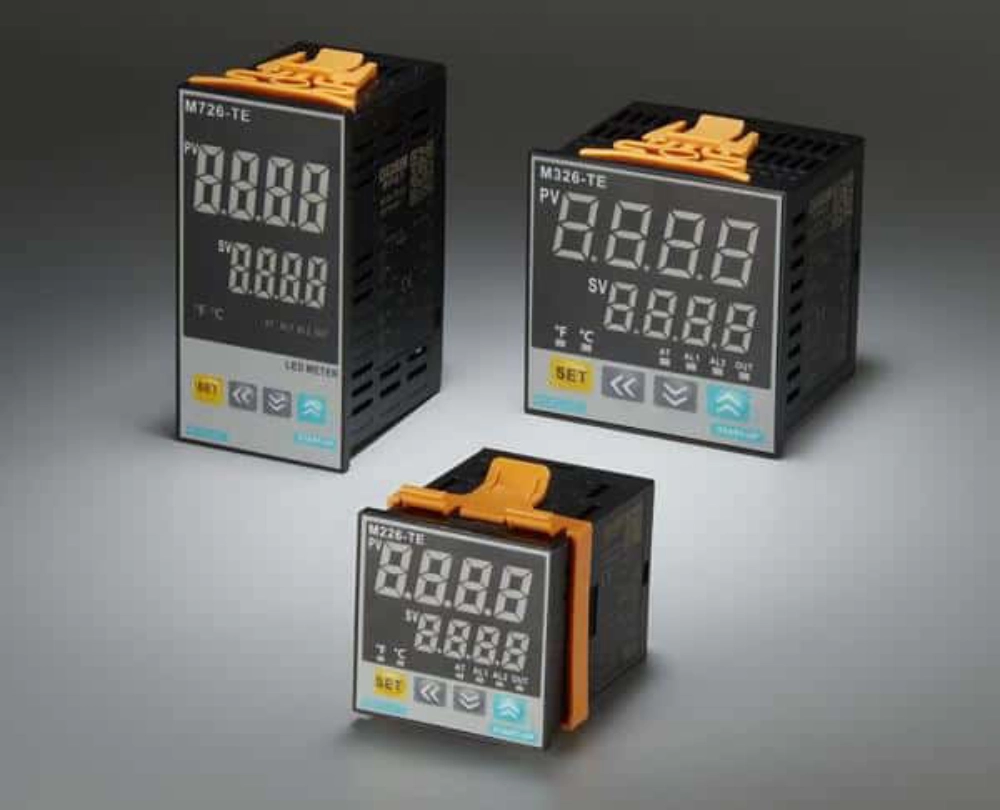
Sensor accuracy matters because small measurement errors can change control decisions. Installation position also affects measurement quality because air near a heater may not represent the cabinet average. A Temperature Controller for Dry type Transformer can regulate thermal conditions in applications where transformer temperature requires dedicated management. Cabinet systems may also combine temperature and humidity measurement through integrated controllers. Alarm outputs can notify operators when readings exceed configured limits. Data logging helps maintenance teams identify gradual changes before equipment failures occur. Historical records can reveal seasonal patterns, overloaded equipment, blocked airflow, or deteriorating ventilation components.
| Control Technology | Main Function | Best Application | Key Consideration |
|---|---|---|---|
| Filter fan | Air exchange and cooling | Clean, moderate ambient environments | Ambient temperature |
| Cabinet air conditioner | Active cooling | High heat loads or hot environments | Cooling capacity |
| Heat exchanger | Separated heat transfer | Dusty or contaminated environments | Heat transfer efficiency |
| Anti-condensation heater | Surface temperature control | Cold and humid conditions | Heater capacity |
| Humidity controller | Moisture management | High-humidity installations | Sensor accuracy |
How Control Equipment Should Be Selected
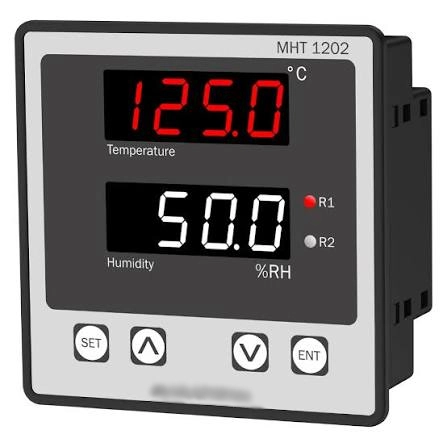
Equipment selection should begin with measured operating conditions rather than assumptions. Engineers should calculate cabinet heat generation from installed components and operating loads. Ambient temperature also determines whether passive ventilation can provide sufficient heat removal. Enclosure dimensions influence airflow paths, cooling capacity, and heater requirements. Environmental contaminants may eliminate simple fan systems when outside air contains dust or corrosive substances. The required protection level can also affect ventilation choices because sealed enclosures restrict direct air exchange. An HK Temperature and Humidity Controller for Cabinets can provide coordinated monitoring and control where both environmental variables require management. Control ranges should avoid excessive switching because frequent cycling can shorten equipment life. Alarm thresholds should provide enough margin before component ratings are exceeded. Proper selection therefore combines thermal calculations, humidity conditions, enclosure characteristics, sensor positioning, and maintenance requirements.
How electrical cabinet temperature and humidity control Supports Long-Term Reliability
Electrical cabinet temperature and humidity control protects reliability by reducing repeated environmental stress. Stable temperatures help prevent thermal expansion and contraction across electrical connections. Lower moisture exposure reduces corrosion on terminals, conductors, and metal hardware. Controlled conditions also help maintain insulation resistance across sensitive electrical paths. These benefits can reduce nuisance alarms and intermittent faults caused by unstable cabinet environments. Reliable environmental control supports longer component service intervals when equipment operates within suitable conditions. Maintenance teams can also diagnose electrical problems more efficiently when environmental variables remain stable. However, control equipment does not replace correct electrical design or routine inspection. Loose terminals, overloaded circuits, damaged seals, and blocked filters still require direct attention. Environmental management works best as part of a broader reliability strategy. The goal is consistent operating conditions that keep electrical components within their intended performance range.
What Happens When Environmental Control Is Poorly Designed
Poor environmental control can create problems that develop gradually before becoming visible failures. Excessive heat may cause repeated thermal trips in protective devices or accelerate electronic component degradation. High humidity can produce corrosion around terminals and cable connections. Condensation can create temporary leakage paths that disappear after the cabinet dries. Such intermittent faults can make troubleshooting particularly difficult because normal testing may not reproduce the original condition. Continuous fan operation may also increase dust accumulation when filtration is inadequate. Excessive heating can waste energy while failing to address moisture sources elsewhere in the cabinet. Poor sensor placement can produce false confidence because the measured area may remain cooler or drier than critical components. Electrical cabinet temperature and humidity control should therefore be designed around actual failure mechanisms. Regular inspection can confirm whether the selected equipment maintains stable conditions throughout seasonal and operational changes.
How To Build A Practical Cabinet Environmental Strategy
A practical strategy combines measurement, control, alarms, and preventive maintenance. Start by identifying heat-producing components and areas vulnerable to condensation. Next, measure temperature and humidity during normal operation and representative peak loads. Compare these measurements with component ratings and expected environmental conditions. Select cooling equipment according to calculated heat loads rather than cabinet size alone. Add heating or moisture control when temperature changes can create condensation risks. Position sensors where they can detect conditions near critical components without direct influence from heaters or cooling outlets.