Why Is Aluminum Used For Switchgear Heaters?
Aluminum heater for switchgear delivers fast heat transfer, corrosion resistance, low weight, and reliable temperature control.
Why Is Aluminum Heater for Switchgear Used in Electrical Cabinets?
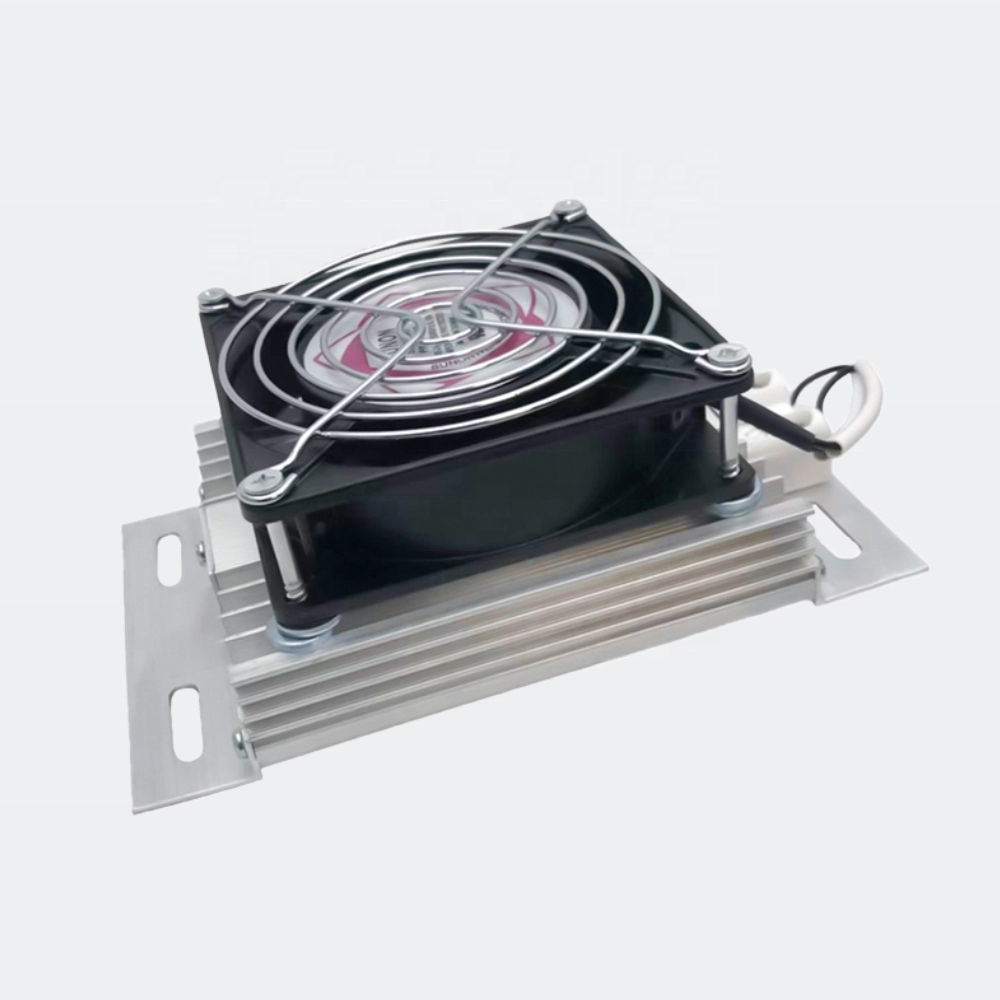
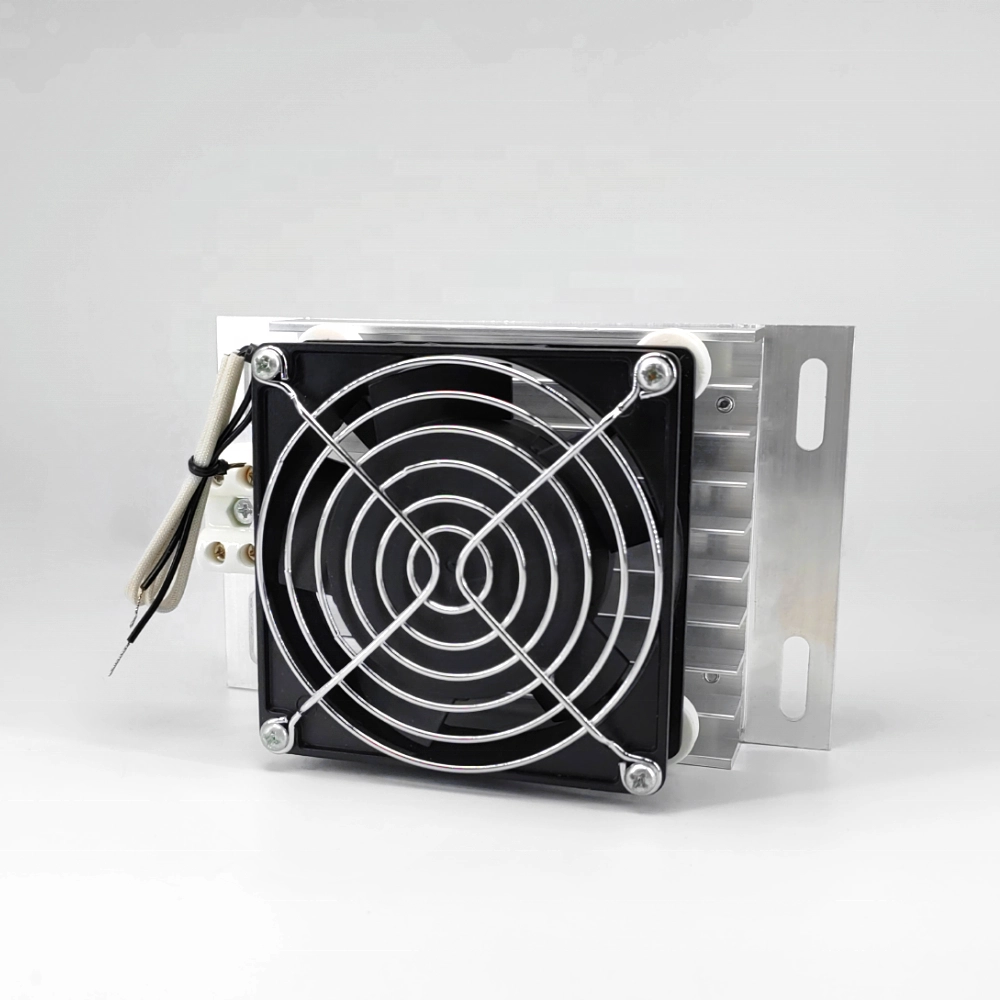
Switchgear operates inside enclosed cabinets where temperature and humidity can fluctuate significantly. An aluminum heater for switchgear helps maintain suitable internal thermal conditions. Aluminum provides high thermal conductivity, allowing heat to spread quickly across the heater body. Rapid heat distribution helps reduce localized cold areas inside electrical compartments. Moisture control remains critical because condensation can damage insulation and metallic connections. Raising cabinet temperature slightly above the dew point limits water formation. Aluminum also combines low density with useful mechanical strength and corrosion resistance. These properties support compact heater designs for cabinets with limited internal space. Engineers can form aluminum into profiles that increase surface area for heat transfer. Material selection therefore affects thermal response, weight, durability, and installation flexibility.
How Aluminum Transfers Heat Through a Switchgear Cabinet
Aluminum transfers thermal energy efficiently because its conductivity is high compared with many engineering materials. Heat generated by the resistance element quickly enters the aluminum structure. The heated surface then transfers energy into surrounding cabinet air through convection. Radiation also contributes when nearby components receive heat from the exposed surface. Efficient conduction helps distribute heat across a larger area. This behavior can reduce localized temperature differences within compact electrical compartments. Manufacturers can use extruded or formed profiles to increase available heating surfaces. Fins, channels, and extended surfaces can improve natural convection without greatly increasing overall weight. Such designs work especially well where forced ventilation is unavailable. Consistent heat distribution supports stable cabinet conditions during changing ambient temperatures.
What Thermal Properties Make Aluminum Suitable for Electrical Heating?
Thermal performance depends on conductivity, specific heat, surface area, and operating temperature. Aluminum offers strong conductivity, allowing heat to move rapidly from the element to the housing. Its low density also reduces the mass of the finished heating assembly. Different alloys provide different combinations of strength, corrosion resistance, and fabrication performance. Aluminum 6063, for example, works well with extrusion processes and complex profile designs. Aluminum 6061 provides higher mechanical strength when structural requirements become more demanding. Surface treatment can improve oxidation resistance and maintain stable surface characteristics. Anodizing creates a controlled oxide layer that can increase surface durability. However, alloy selection should consider both thermal and mechanical requirements. Engineers must also evaluate insulation, terminals, mounting structures, and operating temperatures.
How Aluminum Supports Controlled Cabinet Temperature
Temperature control requires a balanced relationship between heating output and cabinet heat loss. An aluminum heater for switchgear can distribute generated heat across a relatively broad surface. This distribution helps create a more uniform internal temperature. Thermostats can cycle the heater according to measured cabinet temperature. Humidity controllers can provide another control strategy when moisture represents the primary concern. Heater output should match cabinet volume, enclosure construction, ambient temperature, and expected moisture exposure. Excessive wattage can raise surface temperatures unnecessarily and increase energy consumption. Insufficient wattage may fail to maintain the required temperature during cold conditions. Proper sizing therefore requires consideration of both thermal output and environmental heat loss. A correctly configured system maintains stable conditions while avoiding continuous unnecessary heating.
How Heater Placement Helps Prevent Condensation
Condensation forms when a surface temperature drops below the surrounding air's dew point. Switchgear can encounter this condition during cold starts, nighttime cooling, or rapid weather changes. A properly selected heater raises internal temperatures before moisture reaches vulnerable surfaces. Aluminum construction helps distribute thermal energy across the heater body. Placement determines how effectively that heat reaches potential condensation zones. Installers should consider cable entrances, terminal areas, enclosure corners, and lower cabinet sections. These locations can become colder because of airflow patterns or direct contact with external surfaces. Adequate clearance around the heater allows warm air to circulate naturally. Blocking the heating surface with cables or structural components can reduce thermal performance. Combining controlled heating with proper enclosure sealing provides stronger moisture protection.
Which Aluminum Alloy Designs Improve Installation Flexibility?
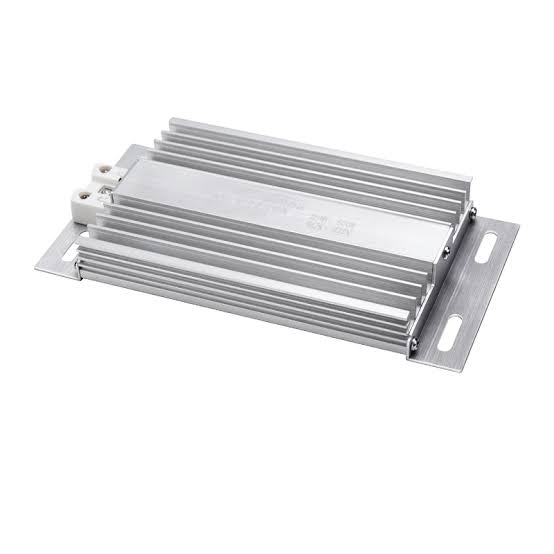
Extruded aluminum profiles provide several advantages for electrical cabinet heater construction. Manufacturers can create consistent cross-sections with integrated mounting channels or fastening surfaces. Such structures simplify installation while maintaining predictable thermal characteristics. Lightweight components also reduce handling effort during cabinet assembly and maintenance. Aluminum supports cutting, drilling, bending, machining, and other fabrication processes. These capabilities allow heater dimensions to match different enclosure layouts. The DJR-S Aluminum Alloy Heater Series demonstrates an aluminum-based approach for compact electrical cabinet heating. Product selection should match available mounting space and required electrical output. Installers must also maintain suitable clearance around heated surfaces. Electrical terminals require secure connections and adequate insulation distances. A practical design balances thermal performance, installation access, electrical safety, and mechanical stability.
What Specifications Should Buyers Compare Before Selection?
Technical specifications provide a stronger basis for selection than appearance or material claims alone. Buyers should compare electrical, thermal, mechanical, and environmental characteristics. The following factors can help organize a technical evaluation.
- Rated voltage and rated power
- Heating capacity and operating temperature range
- Aluminum alloy and surface treatment
- Overall dimensions and mounting configuration
- Terminal structure and insulation protection
- Thermostat or humidity controller compatibility
- Required clearance around heated surfaces
- Cabinet volume and enclosure sealing
- Expected temperature and humidity conditions
- Testing and quality-control documentation
These specifications connect heater performance with actual switchgear operating conditions. Rated voltage must match the cabinet's electrical supply. Heating power should correspond with enclosure size and expected heat loss. Physical dimensions must allow safe installation without restricting airflow. Terminal design should support reliable electrical connections throughout thermal cycling.
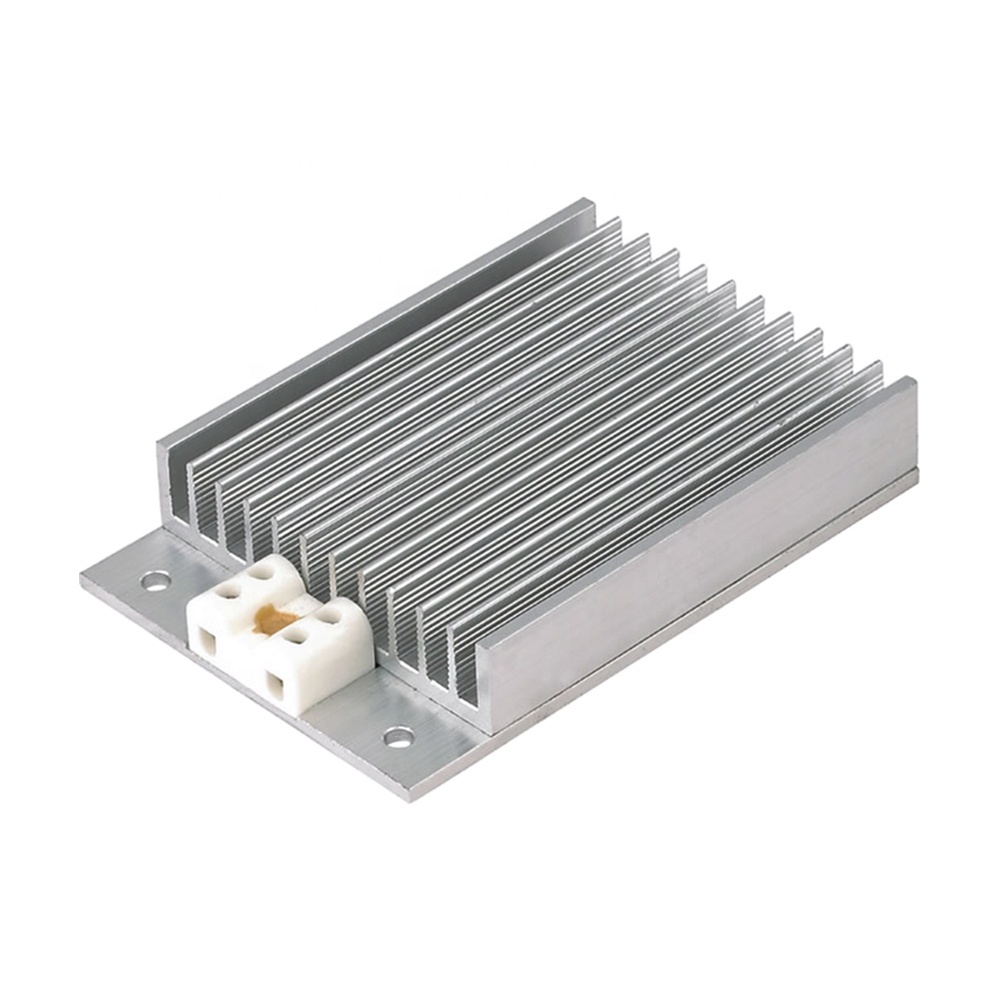
Environmental conditions may determine whether additional surface protection is necessary. Buyers should also confirm whether an aluminum heater for switchgear supports the required control method and cabinet configuration. Reviewing these details before purchasing reduces installation problems and improves equipment consistency.
How Different Heater Materials Compare in Electrical Cabinets
Material selection influences thermal conductivity, structural strength, corrosion resistance, weight, and manufacturing cost. Aluminum provides a strong combination of conductivity and low density. Stainless steel offers excellent corrosion resistance but generally transfers heat less efficiently. Copper provides superior thermal conductivity but introduces greater weight and material cost. Ceramic materials tolerate high temperatures but can require different mechanical designs. Each option therefore suits different operating requirements rather than serving as a universal solution.
| Material | Thermal Conductivity | Relative Weight | Corrosion Resistance | Typical Advantage |
|---|---|---|---|---|
| Aluminum | High | Low | Good | Balanced heat transfer and lightweight construction |
| Stainless Steel | Moderate | High | Excellent | Strong environmental resistance |
| Copper | Very High | High | Moderate | Excellent thermal spreading |
| Ceramic | Application dependent | Low to Moderate | Excellent | High-temperature resistance |
The comparison highlights aluminum's balance between thermal performance and physical weight. Copper transfers heat extremely well but can increase overall assembly mass. Stainless steel becomes attractive when severe corrosion resistance receives greater priority. Ceramic materials suit specialized applications involving elevated operating temperatures. Aluminum remains practical when designers need efficient heat distribution with manageable component weight. However, body material represents only one part of heater performance. Resistance elements, insulation systems, terminals, surface treatment, and control devices also affect reliability. Engineers should evaluate these components together before finalizing a heater specification. This approach produces a more accurate assessment of performance under actual switchgear conditions.
What Electrical Components Need Protection From Moisture?
Moisture can affect numerous electrical components inside enclosed switchgear. Busbar connections, terminal blocks, relays, contactors, circuit breakers, and cable terminations can experience environmental stress. Condensation may create conductive paths across contaminated insulating surfaces. Corrosion can also increase electrical resistance at exposed metallic connections. Over time, these conditions may contribute to unreliable switching or insulation degradation. An aluminum heater for switchgear raises internal temperature and reduces relative humidity. Heating works best when combined with effective enclosure sealing and moisture management. Cable glands should limit water entry while maintaining mechanical protection. Door gaskets should remain properly compressed throughout repeated opening and closing cycles. Internal contamination also requires attention because dust can retain moisture against surfaces. A controlled enclosure environment therefore depends on heating, sealing, cleanliness, and appropriate maintenance.
How Installation Conditions Affect Heating Performance
Installation directly influences thermal efficiency and long-term operating reliability. Installers should position the heater where warm air can circulate naturally. Adequate clearance prevents nearby components from receiving excessive localized heat. Mounting surfaces must provide stable support during repeated heating and cooling cycles. Electrical connections should match the specified voltage and current requirements. Terminal fasteners require appropriate tightening to prevent loose connections. Loose connections can create resistance heating and increase electrical failure risks. Wiring should remain separated from surfaces operating at elevated temperatures. Maintenance personnel also need sufficient access for inspection and replacement. A heater installed behind crowded components may experience restricted airflow. Proper placement allows the heating system to deliver more consistent cabinet-wide thermal conditions. Installation planning should therefore occur alongside electrical and mechanical cabinet design.
How Aluminum Heater for Switchgear Supports Long-Term Reliability
Long-term reliability depends on thermal stability, electrical integrity, mechanical strength, and environmental protection. Aluminum supports these requirements when the selected alloy matches operating conditions. Repeated thermal cycling causes expansion and contraction across heater components. Good mechanical design limits stress around mounting points and electrical terminals. Surface treatment can reduce oxidation and preserve stable material performance. The DJR-S Alloy Heater represents another aluminum-based construction approach for cabinet heating applications. Buyers should verify rated voltage, wattage, dimensions, mounting method, and control compatibility. Quality inspection should evaluate electrical resistance, insulation performance, dimensional accuracy, and connection integrity. Production consistency also matters when multiple switchgear cabinets require matching replacement heaters. Reliable manufacturing reduces variation between individual units. These factors collectively support stable heating performance throughout extended equipment service.
What Should Buyers Verify Before Ordering?
A complete specification sheet should provide enough information for engineers to confirm compatibility. Buyers should first verify the cabinet's available supply voltage. Next, they should calculate the heating output required under expected environmental conditions. An aluminum heater for switchgear should match the available mounting area without obstructing airflow. Terminal configuration must match the cabinet's electrical connection method. Control compatibility matters when thermostats or humidity controllers manage heating cycles. Environmental conditions may require additional corrosion protection or specialized surface treatment. Buyers should also review operating temperature limits and insulation specifications. Testing documentation can provide useful evidence of electrical and dimensional consistency. Replacement projects require additional attention to mounting holes and terminal locations. Suppliers should provide stable technical specifications across production batches. A structured purchasing review reduces compatibility risks and supports consistent switchgear performance.