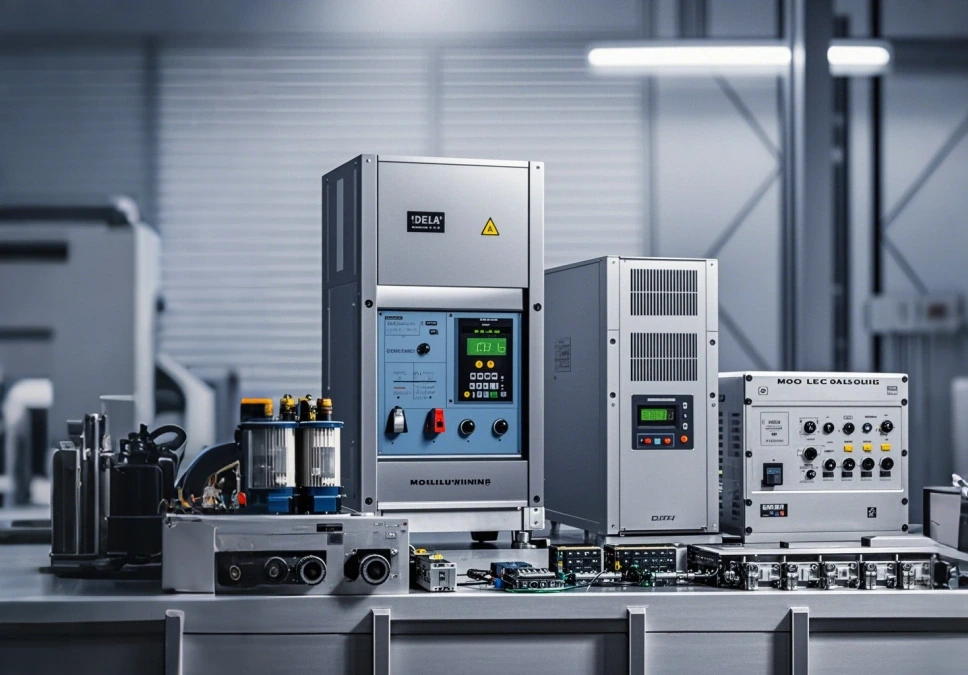
Why Use A Dial-Type Temperature Controller?
Industrial silicone heater solutions for stable thermal performance in demanding systems, precision heating for B2B applications.
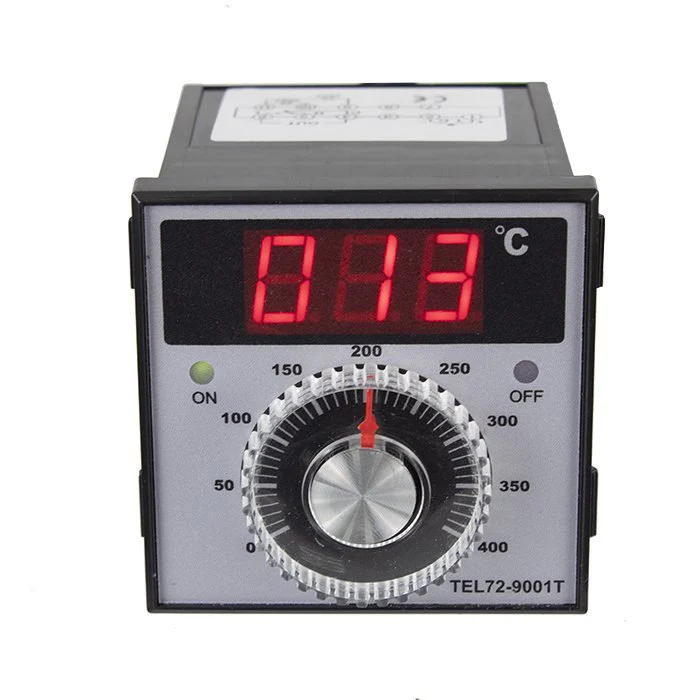
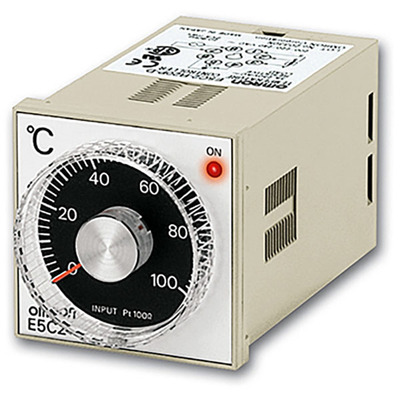
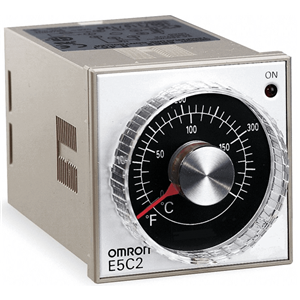
The Dial-type Temperature Controller plays a central role in industrial thermal regulation. It manages heating and cooling cycles through mechanical adjustment. Operators use a rotating dial to set target thresholds. The Dial-type Temperature Controller responds to environmental heat changes without digital processing. This makes it suitable for stable production environments. Industrial systems rely on it for consistent temperature behavior. It helps prevent overheating in continuous operation equipment. Mechanical switching ensures predictable control performance. Engineers prefer this solution in facilities with limited electronic infrastructure. The device supports long production cycles with minimal intervention. Its structure allows direct interaction between temperature and mechanical response. Many factories use it in legacy and modern hybrid systems. The control mechanism reduces system complexity significantly. It also improves operational stability in high-load environments.
Working Principle Behind Dial-type Temperature Controller Mechanisms
The Dial-type Temperature Controller operates through thermal expansion principles. A bimetallic strip forms its core sensing element. Two bonded metals expand at different rates when heated. This difference creates a bending motion that activates switching contacts. The Dial-type Temperature Controller translates physical heat changes into mechanical movement. Operators adjust the dial to define activation points. The system reacts when temperature crosses preset thresholds. No software or digital logic is required for operation. This design ensures stable performance in volatile environments. Electrical contacts open or close depending on thermal movement. Engineers design the mechanism for repeatable accuracy. The system maintains reliability even under fluctuating voltage conditions. Its mechanical structure reduces electronic failure risks. This principle supports consistent industrial thermal control behavior.
Key Components and Structural Design of Temperature Control Units
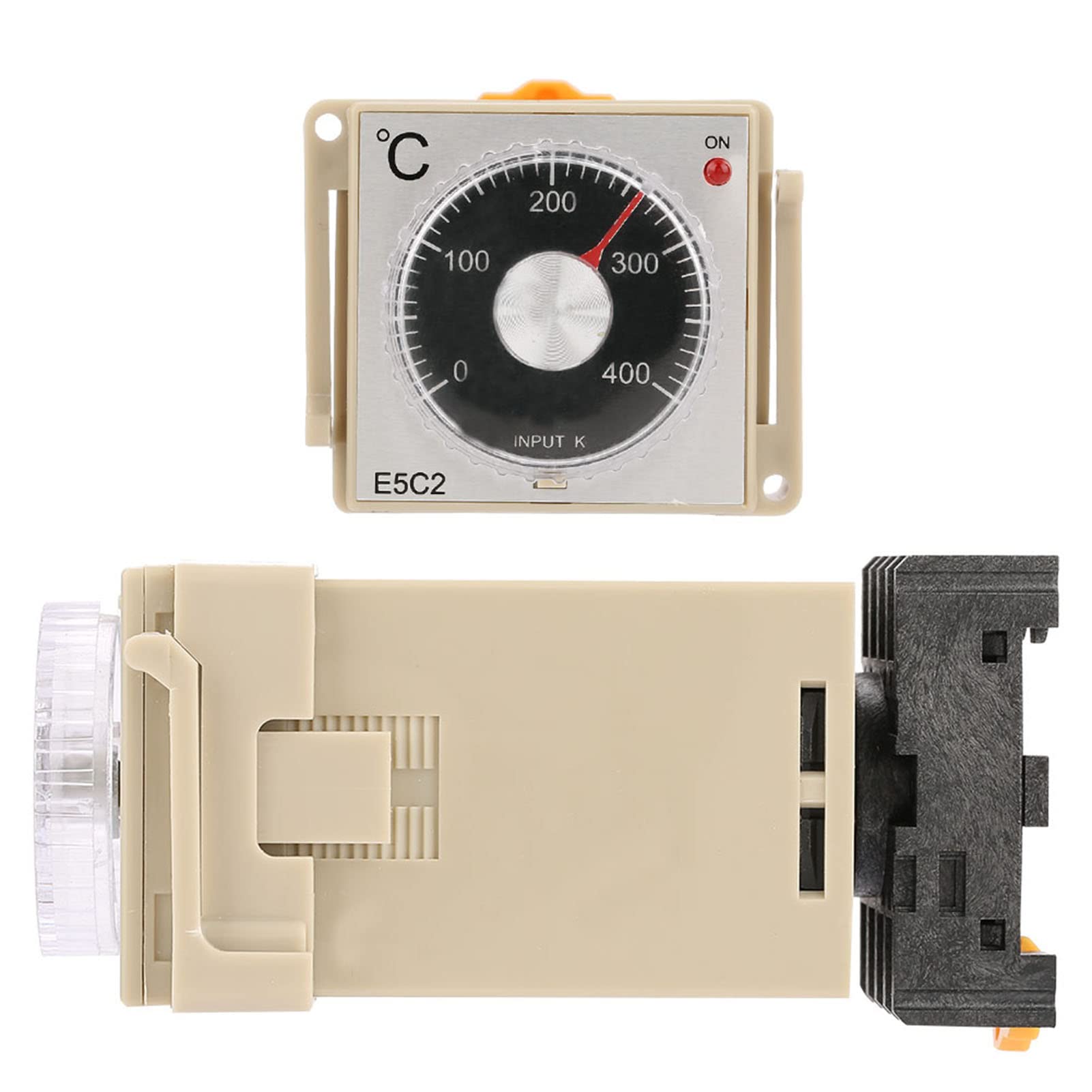
A typical industrial controller consists of multiple mechanical and electrical components. The dial interface provides user control over temperature settings. Internal bimetallic elements detect thermal variation. Contact switches regulate electrical flow based on movement. Protective housing shields internal systems from dust and vibration. Material selection focuses on durability and thermal resistance. Engineers use corrosion-resistant alloys for extended service life. Insulation layers ensure electrical safety in harsh environments. The Dial-type Temperature Controller depends on precise mechanical alignment. Springs maintain stable tension across switching cycles. Each component contributes to system reliability and accuracy. Below is a structural breakdown table.
| Component | Function | Material |
|---|---|---|
| Dial Knob | Sets temperature level | Polymer / Alloy |
| Bimetal Element | Detects heat change | Nickel Steel |
| Contact System | Controls circuit flow | Copper Alloy |
This structure ensures stable long-term performance in industrial conditions.
Advantages of Using Mechanical Temperature Control Systems
Mechanical systems provide strong reliability in industrial environments. The Dial-type Temperature Controller offers stable operation without software dependency. It performs well in high-vibration and high-heat conditions. Maintenance requirements remain minimal compared to digital systems. Operators can adjust settings quickly using manual controls. The system reduces training complexity for technical staff. It also supports rapid troubleshooting in field operations. Electrical interference has minimal impact on performance. This improves stability in heavy machinery environments. Energy consumption remains low during operation cycles. Mechanical components extend overall service life. Replacement procedures are straightforward and cost-effective. Industrial users benefit from predictable maintenance schedules. System downtime decreases significantly in continuous production environments. This makes it a practical choice for long-term thermal control needs.
Industrial Applications of Temperature Control Systems
Industrial sectors widely use mechanical thermal control devices. HVAC systems depend on stable regulation for air management. Manufacturing lines require consistent heat control for product quality. Electrical cabinets use controllers to prevent overheating risks. Food processing facilities rely on stable temperature cycles. Plastic molding machines depend on precise heat balance. Energy systems integrate thermal protection mechanisms. Below is an application overview table.
| Industry | Use Case | Benefit |
|---|---|---|
| HVAC | Air regulation | Energy efficiency |
| Manufacturing | Process heat control | Product consistency |
| Electrical Systems | Overheat protection | Equipment safety |
Industrial users rely on mechanical controllers for stable thermal performance. The Dial-type Temperature Controller ensures predictable operation across these sectors. Its simple design supports broad industrial adaptability.
Comparison Between Mechanical and Digital Temperature Systems
Mechanical and digital systems serve similar control purposes. The Dial-type Temperature Controller uses physical thermal response instead of software logic. Digital systems rely on sensors and microprocessors for precision. Mechanical systems provide immediate response without processing delay. Digital models offer higher accuracy for complex applications. Maintenance needs differ significantly between both systems. Mechanical devices require fewer updates or recalibrations. Digital systems offer advanced monitoring capabilities. Installation complexity is lower for mechanical designs. Digital controllers support data logging and automation functions. Mechanical systems focus on reliability and simplicity. Environmental resistance is stronger in mechanical designs. Operational costs remain lower for mechanical units. This comparison helps engineers choose suitable solutions based on application needs.
Factors to Consider When Selecting a Temperature Controller
Engineers evaluate multiple factors before selecting thermal control systems. Temperature range determines application suitability. Load capacity ensures electrical compatibility with equipment. Environmental conditions affect durability and performance stability. Installation space influences device selection. Accuracy requirements vary across industries. Response speed also plays an important role. The Dial-type Temperature Controller performs best in stable environments. Vibration resistance ensures long-term mechanical integrity. Safety ratings ensure compliance with industrial standards. Maintenance accessibility improves operational efficiency. Lifecycle cost affects procurement decisions. Engineers also consider system integration requirements. Each factor contributes to overall operational reliability. Proper selection improves long-term system performance and reduces failure risks.
Technical Specifications and Performance Standards for Temperature Control Units
Industrial temperature control systems must comply with key international standards to ensure safety and stable operation. IEC 60730 defines safety rules for automatic electrical controls, including insulation, endurance, and fault protection. IEC 60529 sets IP ratings for dust and water resistance. IEC 61010 covers protection against electric shock and thermal hazards in control equipment. IEC 61326 ensures electromagnetic compatibility in noisy industrial environments.
Performance is verified through response time testing, lifecycle switching tests, and thermal cycling under extreme temperatures. These evaluations confirm durability and switching stability. The Dial-type Temperature Controller is commonly tested under these IEC frameworks to ensure reliable industrial use. ISO 9001 quality systems further support consistent manufacturing and traceability. Together, these standards guarantee safe, stable, and predictable performance in industrial automation systems.
Common Installation Practices and Safety Considerations
Proper installation ensures stable performance and safety compliance. Devices should be mounted in ventilated areas. Wiring must follow electrical safety standards. Secure terminal connections prevent resistance issues. Grounding systems reduce electrical hazards. The Dial-type Temperature Controller requires stable positioning. Installation near heat sources should be avoided. Cable insulation must match voltage requirements. Regular inspections improve long-term safety. Contact wear should be checked periodically. Dust protection enhances operational stability. Maintenance schedules improve reliability. Industrial codes must be followed strictly. Proper installation reduces system failure risks significantly. It also extends equipment lifespan in demanding environments.
Key Benefits for Industrial Applications
• Simple mechanical operation improves usability
• Low maintenance reduces operational costs
• Stable performance under electrical fluctuations
• Long service life enhances durability
• Easy installation supports rapid deployment
• Reliable switching in harsh conditions
• Cost efficiency for large-scale systems
These benefits make mechanical thermal systems widely adopted in industrial sectors. The Dial-type Temperature Controller provides consistent performance with minimal complexity. It supports long-term operational stability across different environments. Many industries prefer it for reliability and cost control advantages.
Long-Term Value and Operational Efficiency Analysis
Industrial systems require strong long-term performance efficiency. Mechanical controllers provide stable lifecycle value. The Dial-type Temperature Controller reduces electronic failure risks. Maintenance cycles remain predictable and manageable. Replacement components are widely available. Operational downtime is minimized through mechanical reliability. Energy consumption remains stable over time. Engineers value its consistent performance behavior. It supports budget control in industrial operations. Initial investment costs are lower than digital systems. Long-term operational savings improve overall ROI. Equipment lifespan increases with stable thermal regulation. Many industries adopt it for continuous production environments. This ensures efficient and reliable thermal control over extended periods.
Frequently Asked Questions
What industries benefit most from mechanical temperature controllers?
Mechanical temperature controllers are widely used in HVAC, manufacturing, and electrical systems. These industries require stable thermal regulation without complex digital systems. The Dial-type Temperature Controller supports continuous operation in demanding environments. It ensures equipment safety in electrical enclosures. Food processing and plastic molding industries also use it frequently. These sectors require consistent temperature stability for product quality. Mechanical reliability reduces operational interruptions. Many facilities prefer it due to cost efficiency and durability. Its simple structure allows easy maintenance across industrial applications. This makes it suitable for broad industrial use cases.
How does accuracy compare with digital temperature controllers?
Mechanical controllers provide moderate accuracy suitable for general industrial applications. Digital systems offer higher precision due to sensor-based feedback. The Dial-type Temperature Controller relies on physical thermal expansion. This creates slight variation compared to electronic measurements. However, many industrial processes do not require extreme precision. Mechanical systems maintain stable temperature ranges effectively. They perform reliably in steady environments. Engineers often select them when simplicity is more important than micro-level accuracy. Their consistency remains strong over long operational cycles. This makes them suitable for stable production environments.