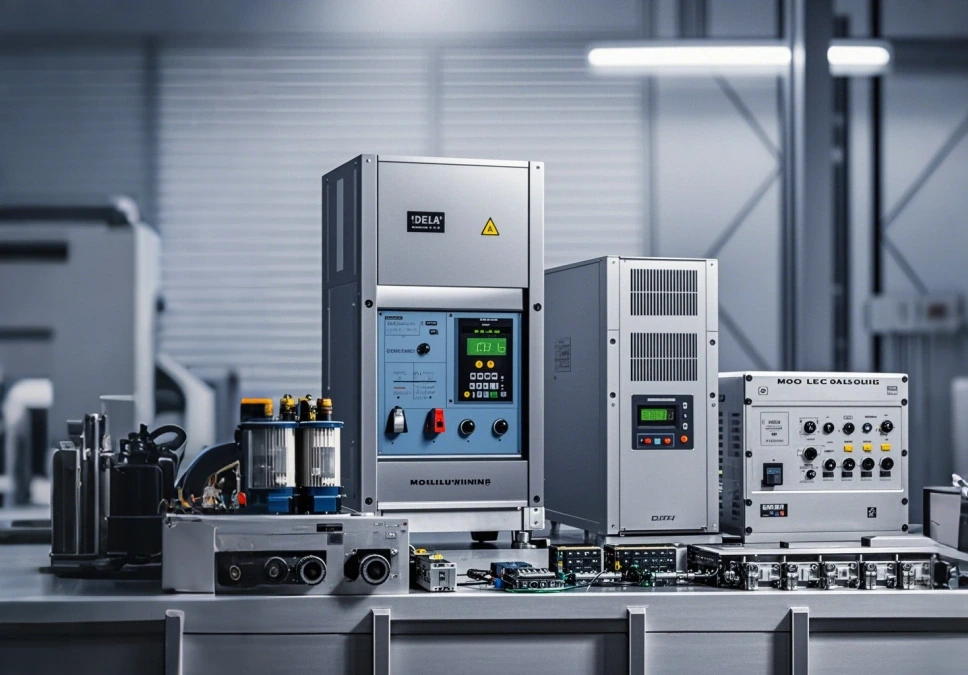
What Factors Impact Aluminum Alloy Heater Efficiency?
Aluminum alloy heater efficiency factors affecting performance, conductivity, design, and thermal control in industrial heating systems.
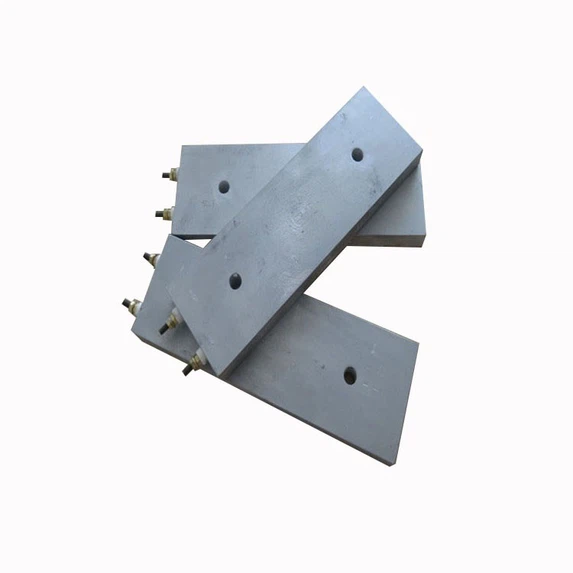
Aluminum alloy heater efficiency plays a critical role in industrial heating systems where stable thermal output is required. Engineers rely on aluminum alloys because they provide high thermal conductivity and lightweight structure. These properties help reduce energy loss during heat transfer across surfaces. In most industrial applications, efficiency depends on how quickly heat spreads and stabilizes across the heating body. Electrical resistance design also influences temperature consistency. Poorly optimized structures lead to uneven heating zones and energy waste. Proper design ensures controlled heat flow and improved operational stability. Material selection, geometry, and load conditions all interact to determine final performance outcomes in demanding environments where continuous heating cycles are required for production reliability.
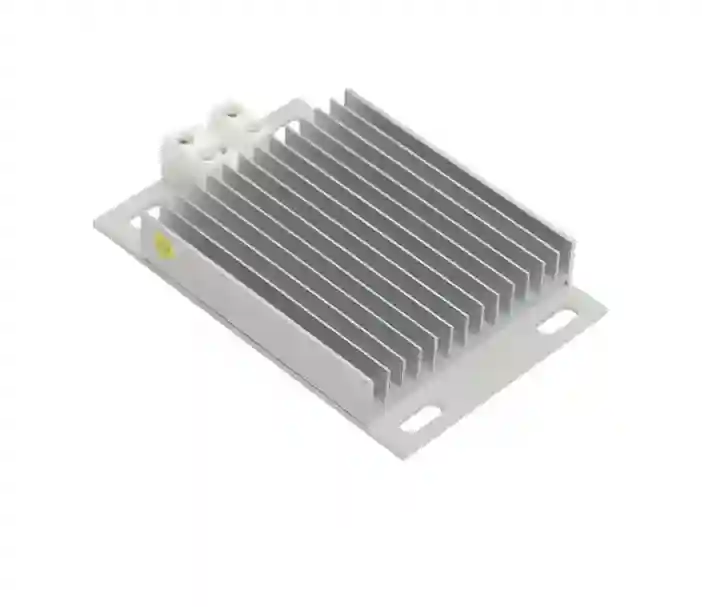
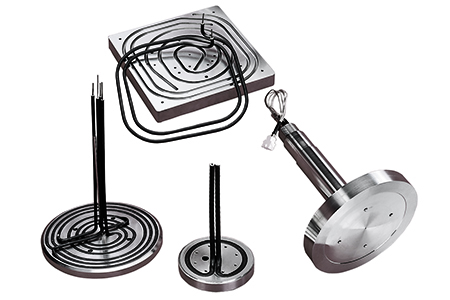
Material Composition Influence on Thermal Conductivity and Structural Stability
Material composition significantly determines heat transfer behavior in aluminum-based heating systems. High-purity aluminum increases thermal conductivity and reduces internal resistance during operation. Alloying elements such as silicon or magnesium modify mechanical strength but may slightly reduce conductivity. Engineers must balance durability and thermal response when selecting alloys. In industrial environments, stable crystalline structure ensures consistent heat distribution across surfaces. Impurities can create localized resistance points that reduce overall efficiency. Thermal fatigue resistance also depends on grain structure and processing methods. Proper heat treatment enhances structural stability under repeated heating cycles. These material factors directly affect system lifespan, energy consumption patterns, and long-term operational consistency in demanding thermal applications.
Electrical Resistance Design and Power Distribution Optimization in Heating Systems
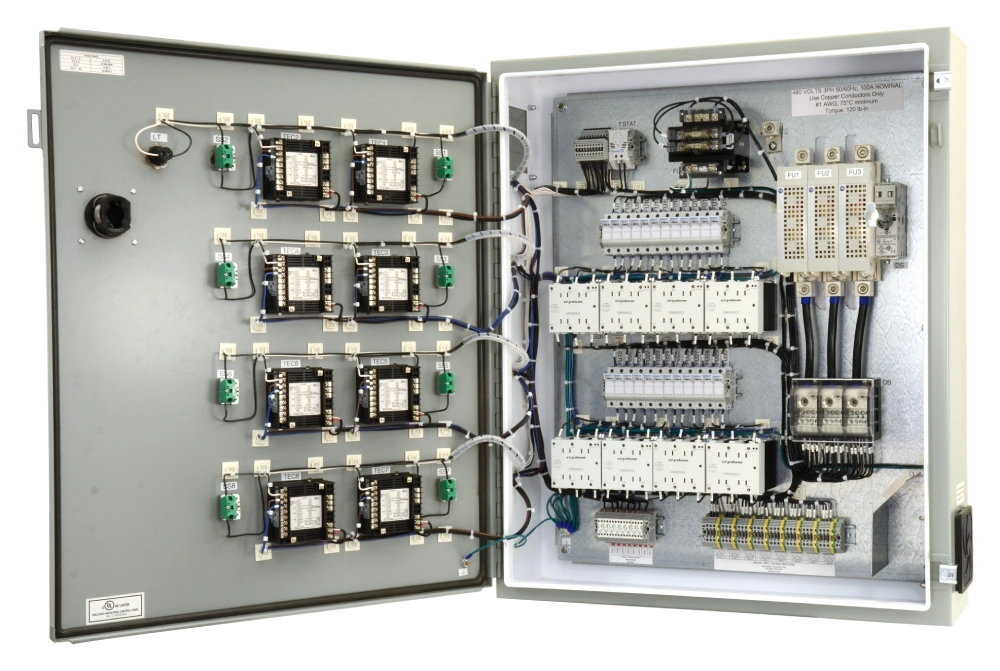
Electrical design strongly influences aluminum alloy heater efficiency in precision-controlled environments. Resistance elements must be carefully calculated to ensure uniform heat generation across the entire surface. Incorrect resistance distribution creates hot spots and reduces system reliability. Voltage stability also affects heating consistency during long operating cycles. Engineers optimize watt density to balance energy input and thermal output. Higher watt density increases heating speed but may reduce component lifespan if not controlled properly. Proper circuit layout ensures stable current flow and minimizes energy loss. Efficient electrical design reduces operational costs and improves thermal responsiveness. It also supports safer operation by limiting overheating risks in continuous industrial usage conditions.
| Watt Density (W/cm²) | Heating Behavior | Efficiency Impact |
|---|---|---|
| Low (0.5–1.5) | Slow but stable heating | High efficiency, long lifespan |
| Medium (1.5–3.0) | Balanced heating response | Optimal industrial use |
| High (3.0–5.0) | Fast heating with stress risk | Lower efficiency over time |
Watt Density Distribution Impact on System Efficiency and Thermal Control Behavior
Watt density distribution determines how energy converts into heat across the heating surface. Even distribution improves thermal uniformity and reduces energy waste. Uneven density creates localized stress points that degrade performance over time. Industrial systems often use layered resistance layouts to control heat spread. This approach improves stability during long operational cycles. Material thickness also influences how watt density affects output efficiency. Thicker substrates slow heat propagation but improve durability. Engineers often simulate thermal flow before final production. Accurate modeling reduces design errors and improves system reliability. Balanced watt density remains essential for maintaining consistent output in high-demand industrial heating applications where precision temperature control is required.
Surface Engineering Techniques and Heat Retention Enhancement Strategies
Surface engineering directly affects heat retention and energy efficiency in aluminum-based heating systems. Oxidation layers can reduce thermal transfer if not properly controlled. Protective coatings improve heat reflection and reduce energy loss. In advanced systems, ceramic coatings are applied to stabilize surface temperature distribution. These coatings also protect against environmental corrosion. Surface roughness plays a role in thermal emission behavior. Smooth surfaces reduce heat loss while textured surfaces may improve mechanical bonding. Engineers also apply reflective films to redirect heat toward target zones. These techniques collectively enhance operational efficiency and reduce energy consumption in industrial heating environments requiring stable and controlled thermal output over long durations.
- Thermal insulation coating
- Ceramic layer enhancement
- Air gap insulation
- Reflective surface treatment
Insulation Layer Design and Thermal Loss Reduction Mechanisms in Industrial Systems
Insulation design plays a major role in maintaining aluminum alloy heater efficiency during continuous operation. Effective insulation reduces heat dissipation into surrounding environments. Air gap structures create thermal barriers that slow conductive heat loss. Ceramic layers improve resistance against high-temperature degradation. Reflective coatings redirect infrared radiation back into the heating zone. These methods collectively enhance energy utilization and reduce power demand. Poor insulation leads to excessive energy consumption and unstable temperature control. Engineers evaluate thermal conductivity of each layer before system integration. Proper insulation design improves safety and operational consistency. It also reduces maintenance frequency by minimizing thermal stress on structural components in industrial environments.
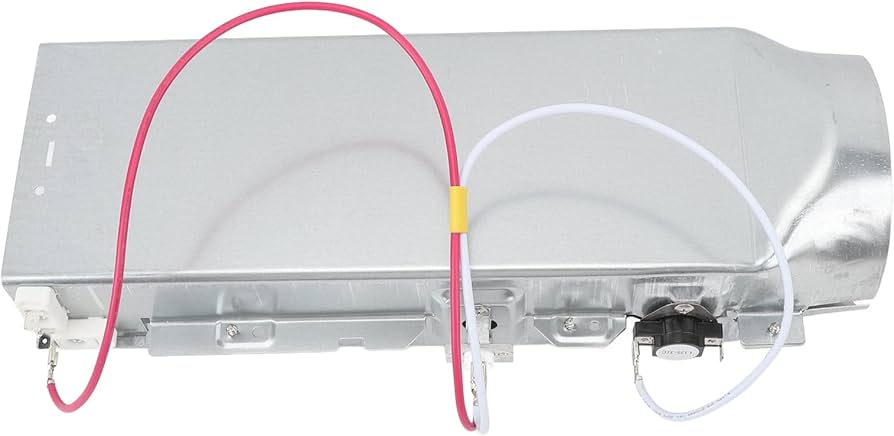
Operating Environment Conditions and Long-Term Performance Stability Factors
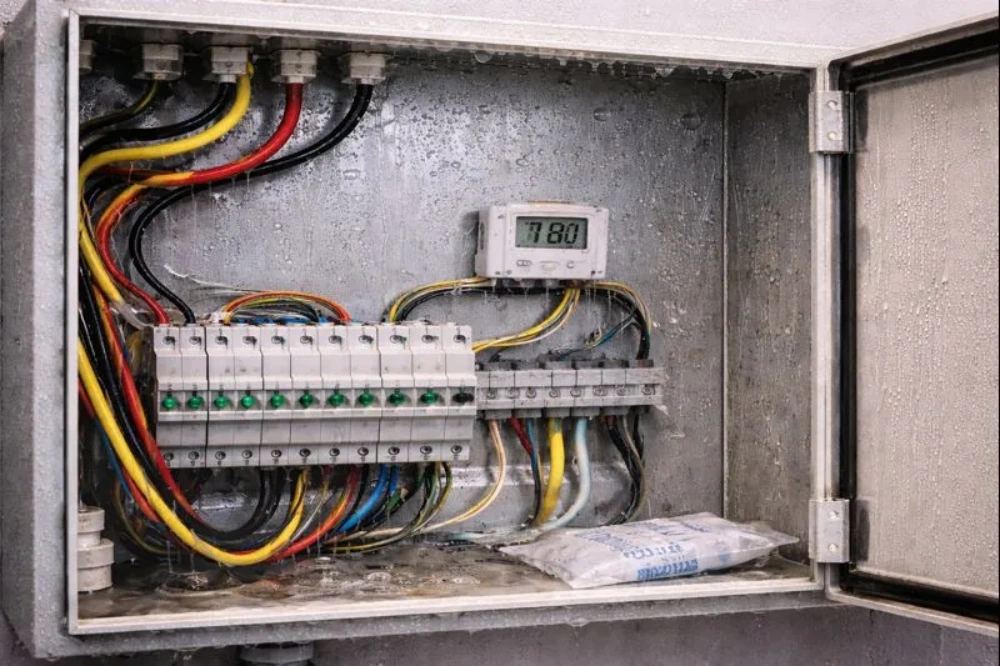
Environmental conditions significantly influence aluminum alloy heater efficiency in real-world applications. High humidity can accelerate surface oxidation and reduce thermal performance. Dust accumulation affects heat transfer efficiency by blocking surface contact.Ambient temperature fluctuations also impact heating response time. Industrial installations often require controlled enclosures to stabilize performance. Mechanical vibration can loosen connections and reduce system reliability. Proper mounting techniques help maintain structural integrity. Regular inspection ensures consistent output over long operational cycles. Cooling conditions around the system must be balanced to avoid energy loss. Environmental control strategies improve durability and maintain stable heating performance in demanding industrial settings where continuous operation is required.
| Factor | Negative Effect | Mitigation Method |
|---|---|---|
| Humidity | Surface oxidation | Sealed enclosure design |
| Dust | Heat blockage | Regular cleaning cycles |
| Vibration | Connection loosening | Reinforced mounting systems |
Environmental Control Strategies for Long-Term Thermal Efficiency Maintenance
Environmental management directly supports stable thermal performance in industrial heating systems. Controlled airflow prevents overheating and improves energy distribution. Sealed environments reduce contamination risks that affect heating surfaces. Temperature regulation systems maintain consistent operating conditions. Humidity control prevents material degradation and electrical instability. Engineers often integrate monitoring sensors to track environmental variations. Predictive maintenance systems adjust operational parameters in real time. These strategies reduce unexpected failures and extend system lifespan. Proper environmental control also enhances safety compliance in industrial facilities. Stable conditions ensure that heating systems maintain predictable performance across different production cycles and operating shifts.
System-Level Optimization Techniques for Enhanced Energy Conversion Efficiency
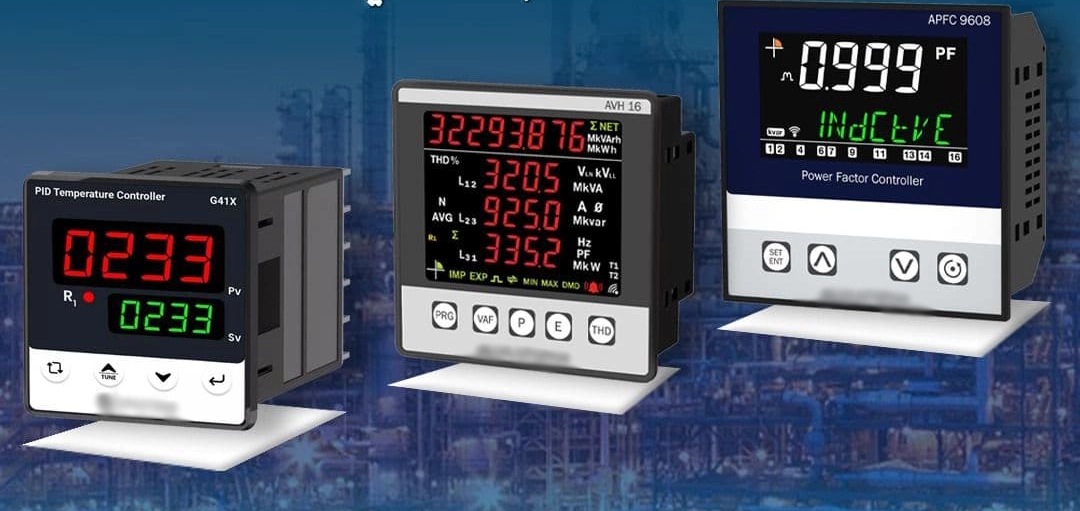
System optimization improves overall performance by aligning electrical, mechanical, and thermal parameters. Advanced control systems regulate input power based on real-time feedback. This reduces energy waste and stabilizes output temperature. In modern industrial designs, adaptive algorithms adjust heating cycles dynamically. Improved sensor integration enhances precision control across multiple zones. Thermal modeling tools help engineers predict system behavior under varying loads. Balanced integration of components ensures smoother energy conversion. These optimization techniques directly improve aluminum alloy heater efficiency by reducing inefficiencies at system boundaries. Proper calibration also minimizes wear and extends equipment lifespan in continuous industrial operation environments.
Engineering Balance and Performance Integration in Thermal Heating Applications
Industrial heating systems require a balance between material, electrical, and environmental factors. Each component contributes to overall efficiency and stability. Aluminum alloys provide a strong foundation for thermal conduction and structural support. Electrical systems regulate energy input while insulation controls heat retention. Environmental management ensures stable operating conditions across cycles. When these elements work together, system efficiency improves significantly. Engineers continuously refine designs to achieve optimal thermal performance. Proper integration reduces energy consumption and increases reliability. This balance defines long-term success in industrial heating applications where consistent output and operational safety are critical requirements.
FAQ
What Is An Industrial Grade Aluminum Alloy Heater?
The most critical factor is thermal conductivity combined with electrical resistance design. Material composition determines how quickly heat spreads across the aluminum body. High conductivity reduces energy loss and improves response time.Electrical resistance must be evenly distributed to avoid localized overheating. If resistance is uneven, hot spots form and damage system stability. Insulation also plays a supporting role by preventing external heat loss. However, material and electrical balance remain the core drivers. In industrial environments, engineers prioritize these two aspects during design. Proper calibration ensures consistent performance and long operational lifespan under continuous thermal load conditions.
How can aluminum alloy heater efficiency be improved in industrial systems?
Improving efficiency requires optimization across multiple system layers. Engineers first select high-purity aluminum alloys with stable conductivity properties. Electrical systems are then calibrated to ensure uniform resistance distribution. Watt density is adjusted based on application requirements. Surface coatings reduce thermal loss and improve heat retention. Insulation layers minimize external energy dissipation. Environmental control systems stabilize operating conditions. Regular maintenance removes oxidation and contamination buildup. Sensor-based feedback systems adjust heating cycles dynamically. These combined strategies significantly improve thermal efficiency and reduce energy consumption. Proper system integration ensures long-term stability and consistent industrial performance under demanding operational conditions.
Which standards influence aluminum alloy heater efficiency performance in manufacturing?
Several international standards influence design and performance validation. IEC electrical safety standards regulate insulation resistance and voltage stability. ISO quality management systems ensure consistent manufacturing processes. ASTM material standards define aluminum alloy composition and testing methods. CE marking requirements in Europe ensure compliance with safety and environmental rules. RoHS standards restrict hazardous substances in material usage. These frameworks guide engineers in selecting materials and designing heating systems. Compliance ensures safety, reliability, and market acceptance. Manufacturers follow these standards to guarantee performance consistency. Standardized testing also improves product durability and ensures predictable thermal behavior in industrial applications.