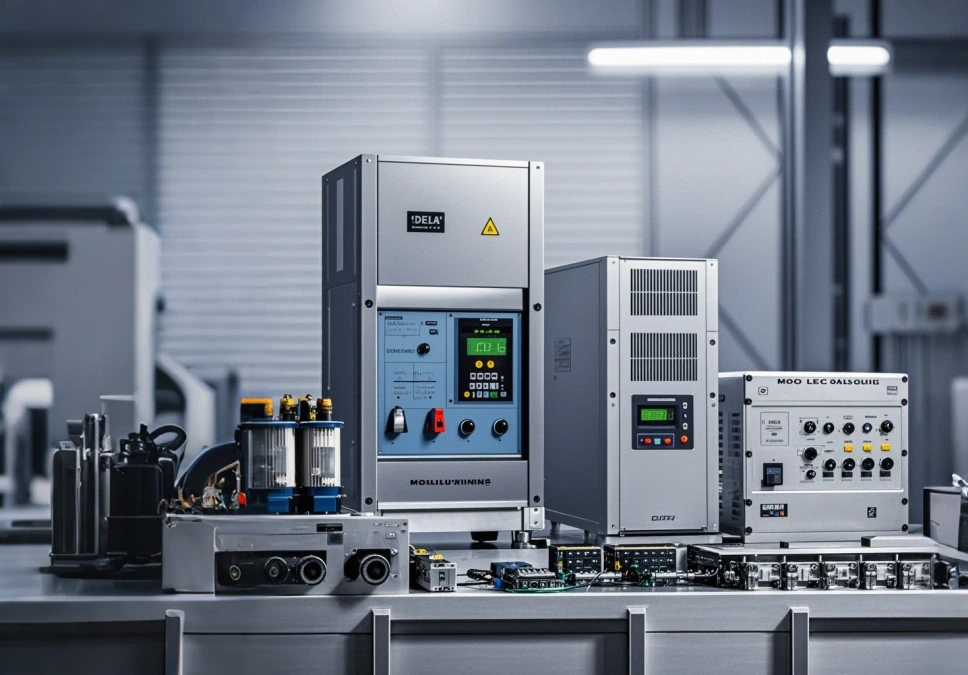
Why Use A Silicone Rubber Enclosure Heater?
Silicone rubber enclosure heater systems provide flexible heat, precise control, moisture protection, and reliable enclosure performance.
Why Use A Silicone Rubber Enclosure Heater?
Industrial enclosures can develop condensation when internal surfaces fall below the surrounding air's dew point. Moisture can reach terminals, circuit boards, relays, and other sensitive components. Low temperatures can also slow equipment startup and change the behavior of some electronic devices. A silicone rubber enclosure heater provides controlled heat within compact electrical cabinets and equipment housings. Its flexible construction allows installation on surfaces where rigid heaters may be difficult to position. Proper heating raises critical surface temperatures before moisture reaches the condensation point. Engineers can combine heating elements with thermostats or humidity controls for more consistent operation. This approach supports equipment reliability in outdoor cabinets, automation systems, communication enclosures, and industrial control panels. Correct sizing remains essential because excessive heat can waste energy or stress temperature-sensitive components.
What Problems Can Low Temperature Cause Inside an Enclosure?
Low temperature creates several risks that extend beyond simple equipment discomfort. When warm, humid air enters a cooler enclosure, moisture can condense on metal surfaces. Terminals and bus connections may develop conductive moisture films that reduce insulation margins. Printed circuit boards can also experience corrosion when condensation repeatedly occurs. Mechanical components may become sluggish when lubricants thicken under cold conditions. Batteries and some electronic components can show reduced performance at lower temperatures. Temperature cycling creates another concern because repeated expansion and contraction can stress connections and materials. An enclosure heater addresses the thermal side of these problems by maintaining a controlled internal temperature. However, heating should complement proper enclosure sealing, drainage, ventilation design, and cable entry practices. These measures work together to limit moisture accumulation and maintain stable electrical conditions.

How Does A Silicone Rubber Enclosure Heater Work?
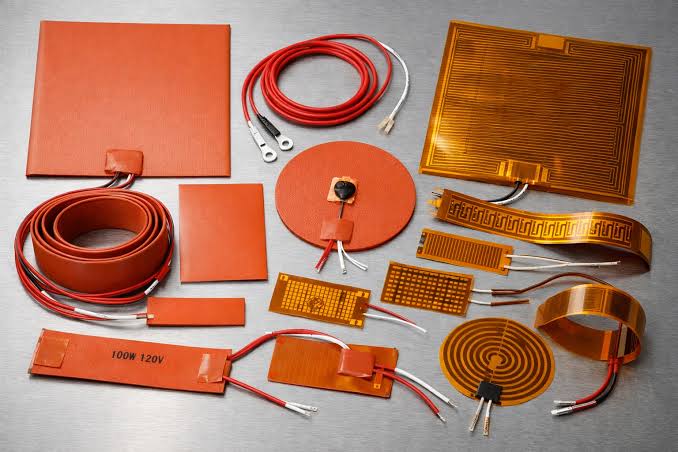
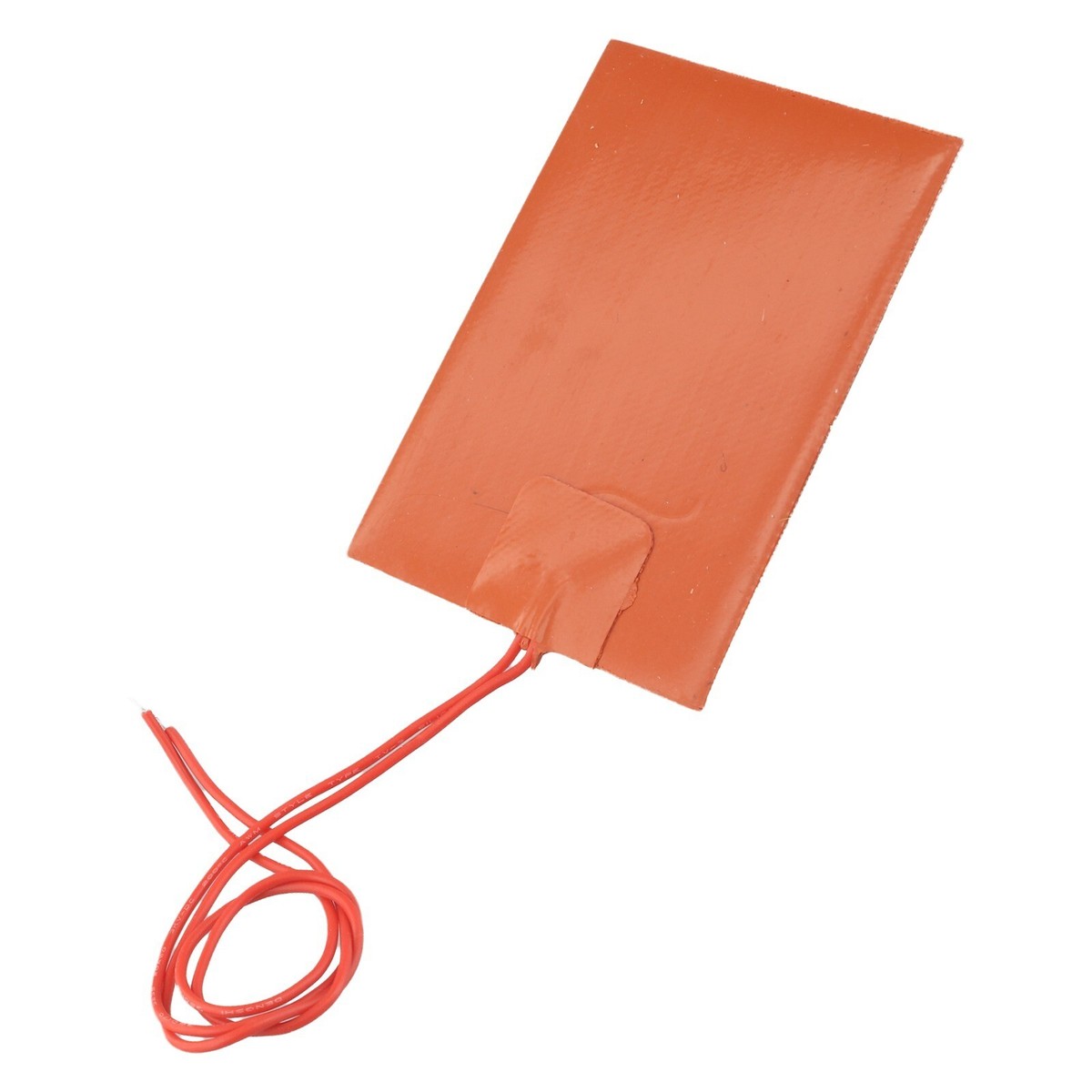
A silicone rubber enclosure heater converts electrical energy into controlled surface heat. Most designs use resistance elements embedded within or bonded to flexible insulating silicone rubber. When current passes through the resistance element, electrical energy becomes thermal energy. The silicone layer distributes heat across the mounting surface and provides electrical insulation around the heating circuit. Flexible construction allows the heater to conform closely to flat or slightly curved surfaces. Close contact improves conductive heat transfer and reduces unnecessary air gaps. Some industrial designs include adhesive backing, mounting holes, lead wires, or integrated temperature sensors. Engineers select the heating element according to voltage, wattage, dimensions, and operating temperature. The final assembly should also match the enclosure material and available installation space. Proper contact remains important because loose mounting can create uneven heating and localized temperature differences.
What Makes Silicone Rubber Suitable For Enclosure Heating?
Silicone rubber combines flexibility with useful thermal and electrical properties. The material can tolerate repeated heating and cooling without requiring the rigid structure of ceramic or metal heaters. Its flexibility helps installers position heating surfaces around mounting hardware and restricted cabinet areas. Silicone also provides electrical insulation around resistance elements when manufacturers design the heater correctly. Thermal stability allows the material to operate across many industrial temperature ranges. Another advantage involves surface conformity because close contact supports efficient heat transfer into metal panels. The material also resists moisture better than many exposed insulation materials when properly constructed. These characteristics make flexible heaters practical for control cabinets, instrumentation housings, battery compartments, and other enclosed equipment. Selection should still consider operating temperature, chemical exposure, mechanical stress, voltage, and required service life. Material compatibility becomes especially important where cleaning chemicals or oils may contact the heater.
How Should Heater Power Match Enclosure Conditions?
Power selection requires more than matching a heater to enclosure dimensions. Engineers should evaluate the enclosure volume, wall material, insulation, ambient temperature, target temperature, and expected heat loss. Outdoor cabinets often require more heating capacity because wind and cold surfaces increase thermal losses. Metal enclosures transfer heat outward quickly, while insulated cabinets retain heat more effectively. Internal components can also generate heat during normal operation, reducing additional heating demand. A practical selection process considers the lowest expected ambient temperature rather than average conditions. The target internal temperature should remain high enough to limit condensation without creating unnecessary thermal stress. Thermostatic control can then cycle the heater according to actual conditions. The following factors provide a useful starting point for specification.
| Selection Factor | Why It Matters | Engineering Consideration |
|---|---|---|
| Enclosure volume | Determines the air space requiring thermal support | Consider internal dimensions and component layout |
| Ambient temperature | Sets the expected starting thermal condition | Use the lowest realistic operating temperature |
| Target temperature | Defines the required internal thermal margin | Keep critical surfaces above the dew point |
| Wall material | Affects conductive heat loss | Metal walls usually transfer heat faster than insulated walls |
| Heat loss | Determines required continuous or cycling output | Consider ventilation, gaps, and external exposure |
How Can Flexible Heating Simplify Installation?
Flexible heating elements can simplify installation when enclosure space is limited. Rigid heaters often require fixed clearances around their bodies and mounting brackets. Flexible designs can occupy narrow surfaces beside terminals, rails, transformers, and control devices. Installers can place the heating surface near areas where condensation commonly develops. Bottom panels can support natural convection because warm air rises through the cabinet. Side walls can provide direct heating for cold metal surfaces that act as condensation points. Adhesive mounting can reduce hardware requirements, while mechanical fasteners can provide additional retention when specified by the manufacturer. Surface preparation also matters because dust, oil, oxidation, or moisture can weaken adhesive contact. The heater should remain flat without sharp folds or unnecessary mechanical strain. Good installation improves heat transfer and helps maintain consistent temperatures across the enclosure.
How Should Temperature Control Be Designed?
Temperature control determines how often the heating element operates and how closely the enclosure follows its target range. A simple thermostat can switch power when the measured temperature reaches a defined threshold. Electronic controllers can provide tighter control when equipment requires narrower temperature limits. Sensor placement strongly affects control accuracy because the sensor measures its immediate environment rather than the entire cabinet. Installing a sensor too close to the heater may cause premature shutoff. Positioning it near a known cold area can provide more representative protection. Engineers should also consider hysteresis, which defines the temperature difference between heater activation and deactivation. Excessively narrow hysteresis can cause frequent switching and unnecessary relay wear. Over-temperature protection adds another safety layer when continuous heating could damage nearby components. Control wiring should follow the heater's rated voltage and switching requirements.
How Does Heating Reduce Condensation Risk?
Condensation occurs when a surface becomes colder than the surrounding air's dew point. Dew point depends mainly on air temperature and moisture content, so heating the air alone does not guarantee complete protection. A silicone rubber enclosure heater raises the temperature of enclosure surfaces and reduces the chance that moisture will reach its condensation temperature. This effect becomes valuable during rapid nighttime cooling or when warm humid air enters a cold cabinet. Consider a cabinet exposed to outdoor conditions after equipment shutdown. Metal walls may cool faster than internal air, creating localized cold spots around doors and mounting plates. Controlled heating can maintain those surfaces above the dew point. Sealing cable entries and reducing uncontrolled air exchange remain equally important. The heating strategy should therefore address both temperature and moisture movement rather than treating condensation as a heating-only problem.
How Can Industrial Heater Design Support Reliable Operation?
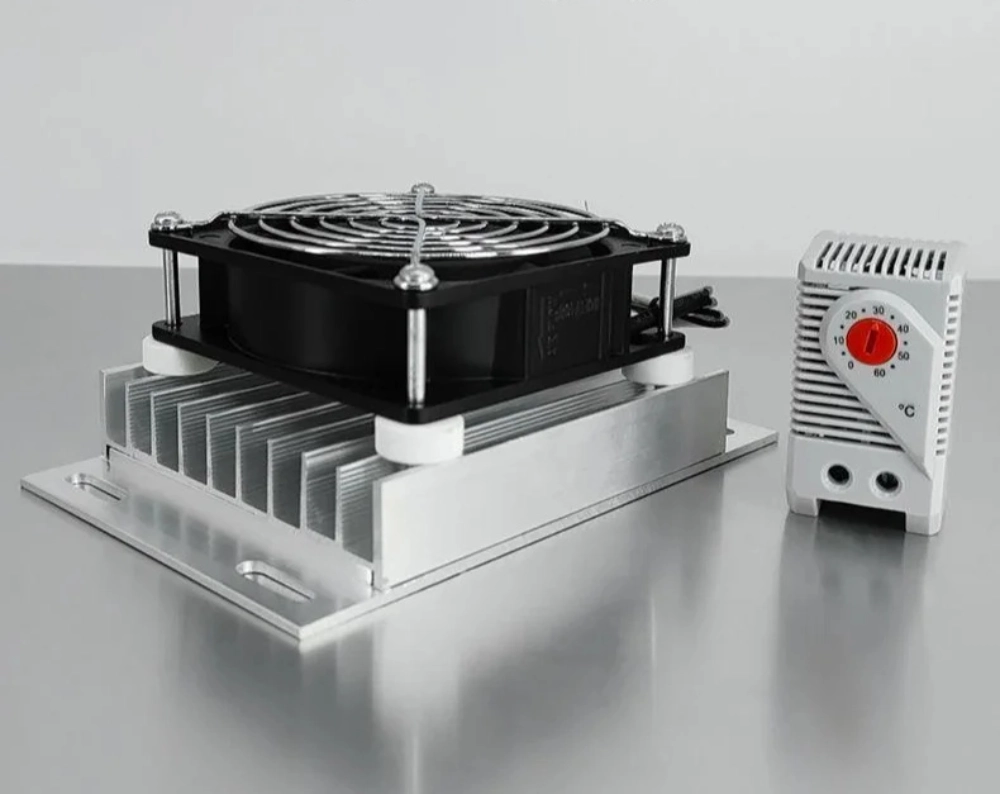
Industrial installations often demand continuous operation across changing environmental conditions. The heater must therefore match the enclosure's electrical system, mechanical structure, and thermal requirements. For example, the DJR-S Aluminum Alloy Heater Series can suit applications requiring compact heating with an aluminum alloy housing. Aluminum provides useful thermal conductivity and helps distribute generated heat across the heater body. Engineers should verify the product's rated voltage, wattage, dimensions, mounting method, and allowable operating conditions before installation. Connection terminals and lead wires also require adequate insulation and strain relief. Heater placement should avoid direct contact with temperature-sensitive plastic components unless the surface temperature remains within their limits. Proper spacing can reduce local overheating while maintaining useful thermal circulation. Regular inspection should check wiring condition, mounting security, dust accumulation, and thermostat operation. Preventive maintenance helps identify thermal control problems before they affect critical equipment.
What Does A Real Outdoor Cabinet Application Show?
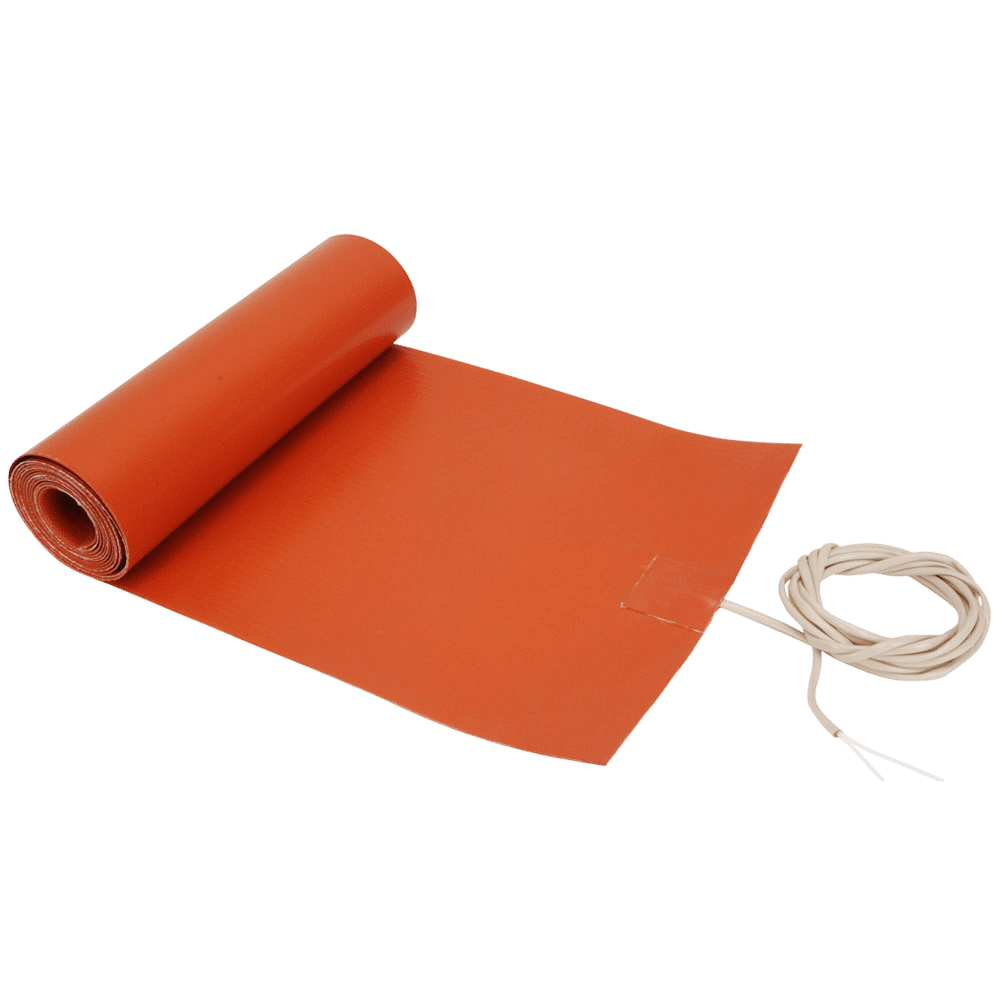
A common industrial application involves an outdoor control cabinet installed where daytime warmth is followed by cold, humid nights. During evening temperature drops, the metal enclosure can cool rapidly while humid air remains inside. Condensation may then appear around terminal blocks, mounting plates, and cable connection points. Engineers can address this condition by installing a low-wattage flexible heater near the lower cabinet area and controlling it with a thermostat. The heating element raises internal surface temperature during cold periods rather than operating continuously. In comparable industrial applications, engineers also improve door sealing and cable gland integrity to limit humid air entry. This combined approach reduces repeated moisture exposure without requiring excessive heating power. A DJR-S Alloy Heater can serve suitable industrial heating applications when its specifications match the enclosure's electrical and thermal requirements. Actual sizing should rely on measured conditions and manufacturer data.
| Application | Typical Thermal Concern | Recommended Design Focus |
|---|---|---|
| Outdoor control cabinet | Nighttime cooling and condensation | Thermostatic heating and sealed cable entries |
| Automation enclosure | Cold startup and sensitive electronics | Stable temperature and sensor positioning |
| Communication housing | Humidity and rapid temperature changes | Low-power controlled heating |
| Battery enclosure | Reduced cold-temperature performance | Temperature limits and uniform heat distribution |
| Industrial instrumentation cabinet | Cold spots near external panels | Surface heating and condensation control |
How Does Installation Position Affect Heat Distribution?
Installation position influences both heat transfer and natural air circulation. A heater mounted near the bottom of an enclosure can warm surrounding air and support upward convection. This arrangement may provide broad thermal coverage when the cabinet has sufficient internal circulation. Side-mounted heating can work well when cold external panels create localized condensation zones. Direct surface contact becomes particularly useful when the enclosure wall itself reaches low temperatures. Large cabinets may require multiple heating points to prevent thermal gradients. Engineers should avoid placing the heater directly beside components with strict temperature limits. Cable routing should also prevent wires from resting against unnecessarily hot surfaces. The mounting surface needs sufficient contact area to transfer heat efficiently. A thermal inspection during commissioning can reveal cold spots that temperature readings from one sensor may miss. This verification helps confirm whether the selected location provides the intended protection.
What Electrical And Safety Factors Should Be Checked?
Electrical protection must remain part of the heater selection process from the beginning. Engineers should verify rated voltage, power consumption, current draw, insulation characteristics, and connection requirements. A thermostat or controller should have contacts capable of handling the heater's electrical load. Independent over-temperature protection can provide additional security when equipment operates unattended. Wiring should use conductors suitable for the expected temperature and current. Mechanical protection matters as well because sharp cabinet edges can damage insulation during installation. The heater should not cover ventilation openings unless the enclosure design specifically permits that arrangement. Grounding requirements depend on the heater construction and enclosure system. Installation should follow applicable electrical codes and the manufacturer's instructions. Testing should confirm proper switching, temperature response, insulation condition, and secure connections before equipment enters normal service. These checks reduce avoidable electrical and thermal risks during long-term operation.
How Can A Silicone Rubber Enclosure Heater Support Long-Term Reliability?
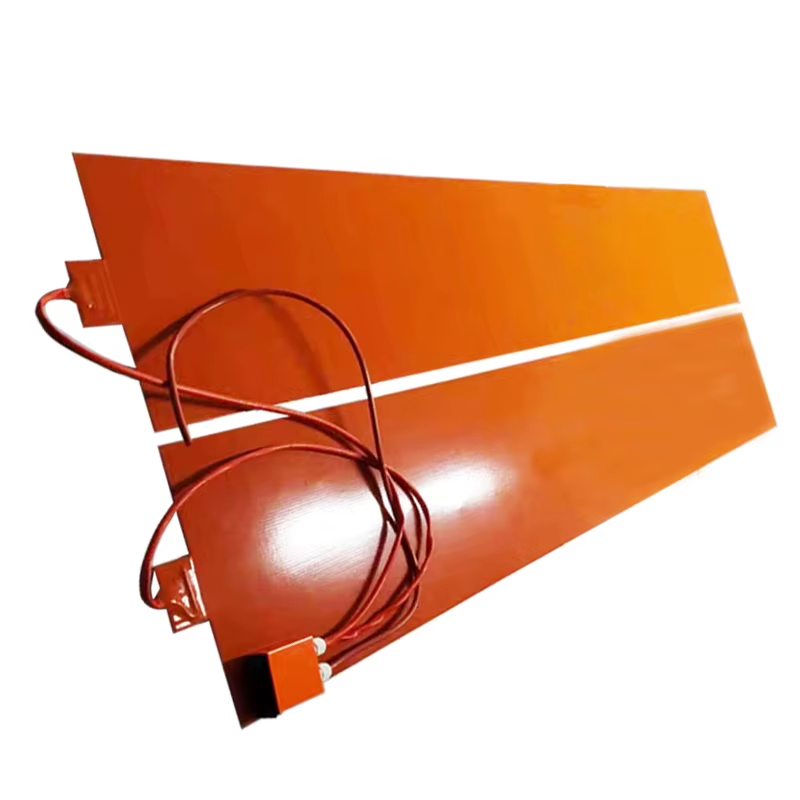
Long-term performance depends on matching the heater to its operating environment and control strategy. Repeated thermal cycling can affect electrical connections, adhesive interfaces, and surrounding materials over time. Excessive surface temperatures may accelerate aging of plastics, seals, and cable insulation. Insufficient heating capacity can leave cold spots even while the heater operates continuously. Engineers should therefore balance output with enclosure heat loss and the desired temperature range. Flexible construction can accommodate compact installation areas, but installers should avoid excessive bending or compression. Moisture protection also depends on the complete enclosure design rather than the heater alone. Periodic inspections can identify loose connections, damaged insulation, degraded mounting surfaces, or abnormal thermostat behavior. Energy consumption can also be monitored when heating operates frequently. A stable duty cycle may indicate appropriate sizing, while continuous operation can signal excessive heat loss or insufficient heating capacity. A silicone rubber enclosure heater can support reliable operation when its thermal output matches actual enclosure conditions.
FAQ
What temperature should an enclosure heater maintain?
The required temperature depends on the enclosure environment, equipment requirements, and local dew point conditions. Many industrial applications aim to keep critical surfaces several degrees above the expected dew point. The exact setpoint should consider sensitive components, enclosure materials, ambient temperature, and heat loss. A thermostat can maintain the selected range automatically. Engineers should avoid choosing unnecessarily high temperatures because excessive heating increases energy consumption and may accelerate component aging. Sensor location also matters because the measured temperature may differ from colder surfaces elsewhere inside the cabinet. For demanding applications, engineers can use multiple sensors or thermal mapping during commissioning. The final temperature target should therefore come from environmental measurements and equipment specifications rather than a universal fixed value.
How do you calculate heater wattage for an enclosure?
Heater wattage depends on enclosure volume, ambient temperature, target temperature, wall material, insulation, and heat loss. Start by identifying the lowest expected ambient temperature and the desired internal temperature. Then estimate heat loss through cabinet walls, doors, cable openings, ventilation paths, and other exposed surfaces. Internal equipment may already produce heat, which reduces the additional heater capacity required. A thermostat can further reduce average energy consumption by cycling the heater. Manufacturers may provide selection charts based on enclosure dimensions and temperature differences. Engineers should compare those recommendations with actual site conditions before final selection. Oversizing can create unnecessary thermal stress, while undersizing may leave cold surfaces below the dew point. Field testing can confirm whether the selected wattage maintains the required temperature under the worst expected conditions.
Can silicone rubber heaters prevent condensation?
Silicone rubber heaters can reduce condensation risk by raising enclosure surface temperatures above the dew point. They do not remove moisture from the enclosure, so they cannot provide complete condensation control by themselves. Effective protection combines controlled heating with proper enclosure sealing and suitable cable entry methods. Humid air entering through damaged seals or poorly fitted glands can still introduce significant moisture. Heater placement also affects results because cold spots may remain far from the primary heating surface. Engineers should identify areas where condensation typically forms and position heating accordingly. Temperature and humidity measurements can help establish the actual dew point during commissioning. For severe moisture conditions, additional humidity-control measures may be necessary. The complete enclosure design determines the final level of condensation protection.