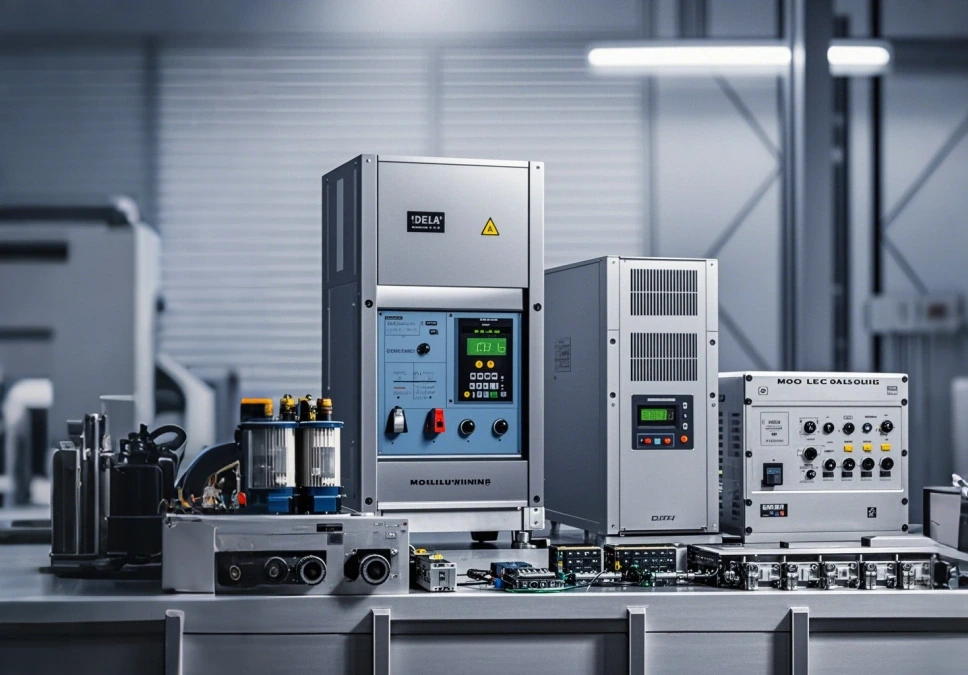
Why Use DSN Electromagnetic Lock For Switchgear Safety?
Maximize substation safety using the DSN Electromagnetic Lock for Switchgear. Compare technical specifications and operational benefits.
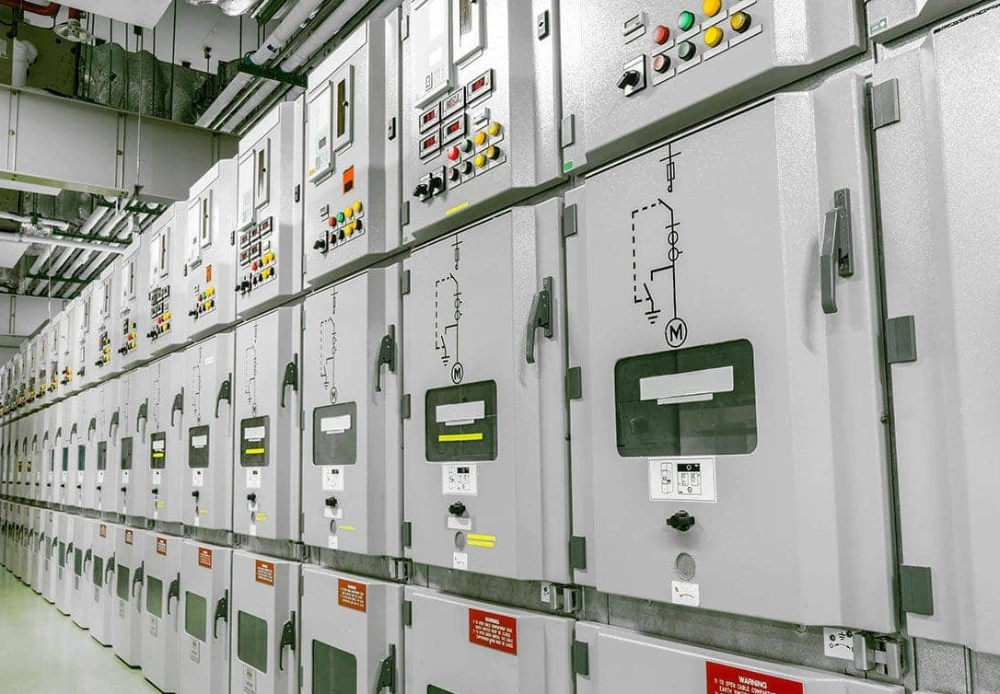
High-voltage power distribution facilities require robust safety systems. Correct interlocking mechanisms prevent catastrophic operational failures. The DSN Electromagnetic Lock for Switchgear provides absolute physical protection. Operators cannot open energized compartments without proper authorization. This safety device prevents accidental contact with high-voltage parts. Electrical switchgear rooms demand these reliable locks. Many global industrial plants install them for grid protection. Proper interlocking stops maintenance personnel from making fatal errors. Industrial managers prefer this durable locking technology. The mechanical latch mechanism ensures long-term operational consistency. Safety compliance dictates strict interlocking standards in substations. Modern power grids require continuous uptime and zero human errors. Reliable equipment safeguards utility workers during routine system maintenance. Engineers trust physical locks over electronic software interlocks.
Engineering Mechanics of Solenoid Lock Systems
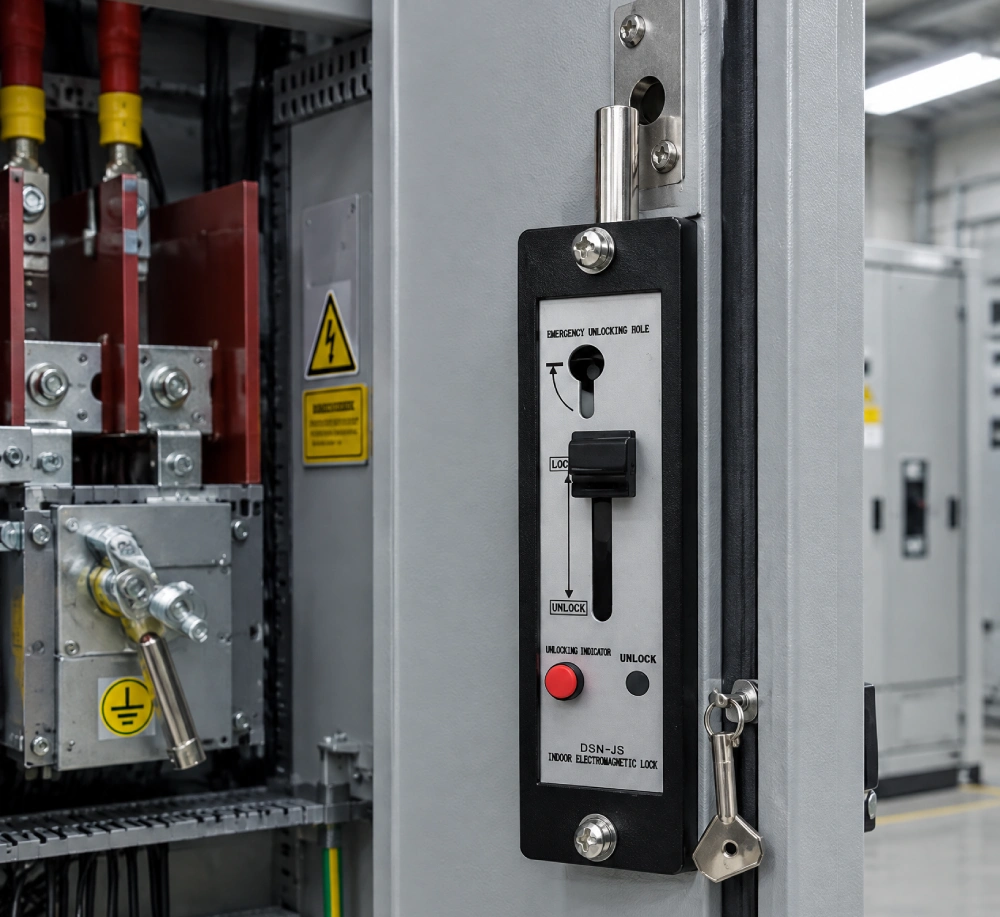
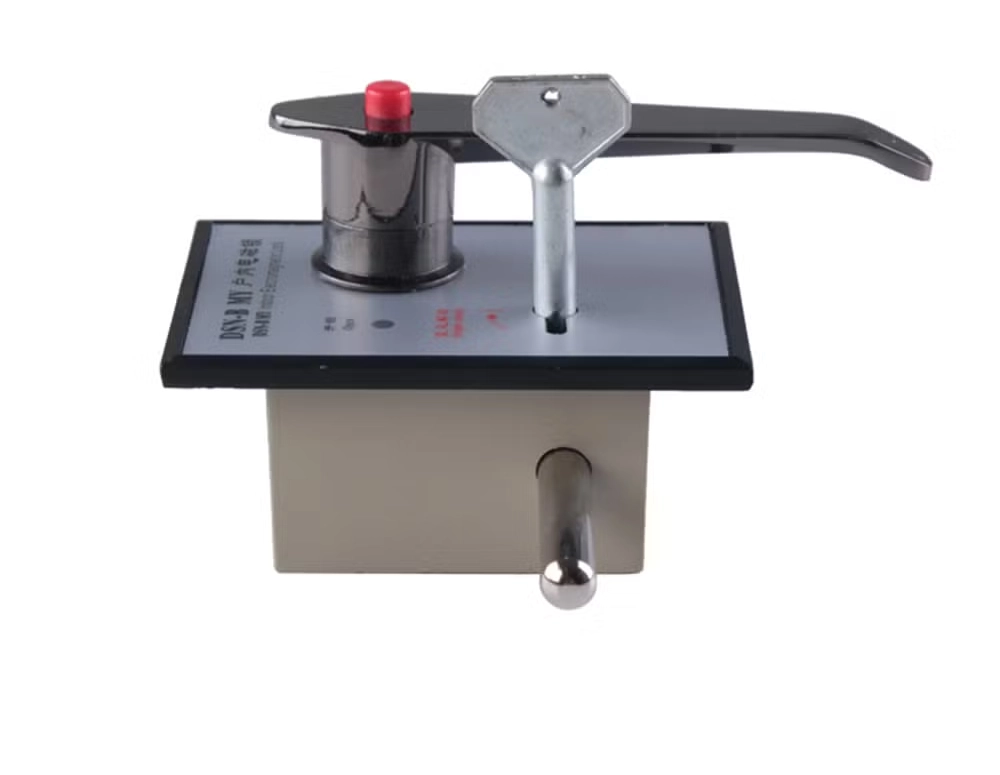
Electromagnetic solenoids form the core of these advanced safety devices. Electric current flows through the internal copper coil to create magnetic fields. This strong magnetic force pulls the solid steel locking bolt backward. Heavy-duty springs instantly return the bolt when power cuts off. The heavy casing utilizes cast aluminum to resist mechanical impacts. Inside the unit, microswitches monitor the exact position of the latch. Operators receive clear electrical signals regarding the state of the door. The DSN DM Indoor Electromagnetic Door Lock demonstrates exceptional mechanical durability under high pressure. Copper wiring within the solenoid prevents rapid thermal degradation. Synthetic lubricants inside the chamber ensure smooth movement for years. Rigid metal components prevent bending during forced entry attempts. Substations depend on these precise components for daily operational safety.
Compliance with Strict International Electrical Standards
International regulatory bodies demand strict adherence to high safety standards. The IEC 62271 standard governs switchgear assemblies across global energy markets. Interlocking systems must block access to dangerous live high-voltage areas. Certified locks undergo intense physical testing before reaching utility clients. Engineers perform high-voltage impulse tests to verify the electrical insulation level. Vibration testing ensures the lock remains stable during sudden seismic events. Dust and moisture resistance must meet standard IP40 ratings or higher. Factory inspections verify that every component matches the approved blueprints. Companies must document these testing processes to maintain international quality certifications. Rigorous production quality guarantees safe operation in hazardous substation environments. Safe power distribution relies on these highly certified locking systems. Utility operators avoid costly liability claims by using certified equipment.
Technical Specifications of Interlocking Hardware
| Parameter | Specification Range | Operational Advantage |
|---|---|---|
| Operating Voltage | AC/DC 110V - 220V | Flexible installation options |
| Power Consumption | Less than 15W | High energy efficiency |
| Stroke Force | Minimum 120N | Prevents unauthorized forcing |
Explaining Performance Metrics in Technical Tables
Electrical systems require precise matching of voltage levels to avoid equipment damage. The DSN Electromagnetic Lock for Switchgear operates efficiently on both AC and DC networks. This dual compatibility simplifies replacement tasks across different aging substations. Low power consumption prevents excessive heat buildup within the switchgear enclosures. High stroke force ensures that the metal latch remains locked under stress. Operators cannot bypass this mechanical barrier by using simple hand tools. Heavy-duty springs maintain locking integrity even during complete power auxiliary failures. Thermal testing verifies that the internal coil tolerates extreme high temperature shifts. System engineers select these specifications to match modern smart grid expectations. Proper voltage control guarantees the overall longevity of your substation equipment.
Critical Installation Steps for Power Engineers
- Turn off all auxiliary power sources before beginning physical installation.
- Mount the locking assembly securely onto the designated enclosure door panel.
- Connect the copper control wiring to the feedback signal microswitches carefully.
- Verify the spatial alignment between the solenoid latch and strike plate.
- Test the electrical interlocking mechanism several times under controlled conditions.
Analyzing Alignment Procedures for Secure Electrical Operations
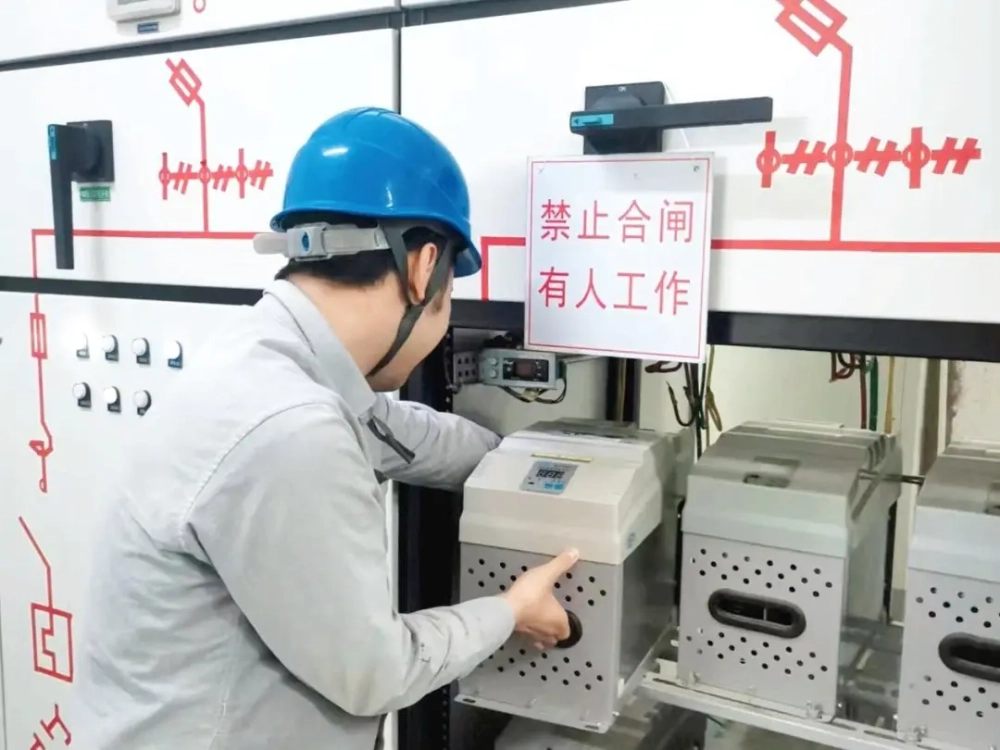
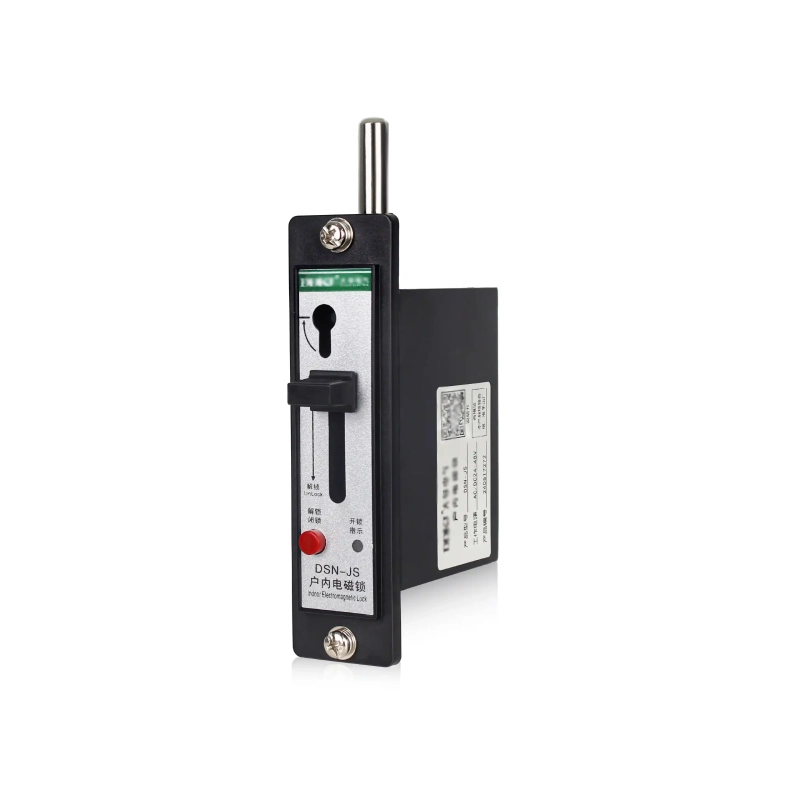
Precise mechanical alignment prevents premature wear of the heavy locking latch mechanism. Engineers must verify that the clearance between metal parts meets millimeter specifications. The DSN J Indoor Electromagnetic Lock Grounding Switch demands exact spatial alignment during mounting. Improper installation causes binding and prevents the solenoid from releasing smoothly. Electrical connections require high-quality crimping to avoid signal resistance in control circuits. Technicians must protect all copper wiring from sharp sheet metal edges. Lubrication of sliding surfaces ensures silent operation and reduces friction wear. Testing under low voltage conditions helps identify potential electrical control circuit issues early. Systematic installation procedures ensure that the entire interlocking system operates reliably. Maintenance teams save time by following these standard mounting rules. Skilled workers easily avoid installation mistakes using these documented tips.
Key Substation Applications of Interlocking Technology
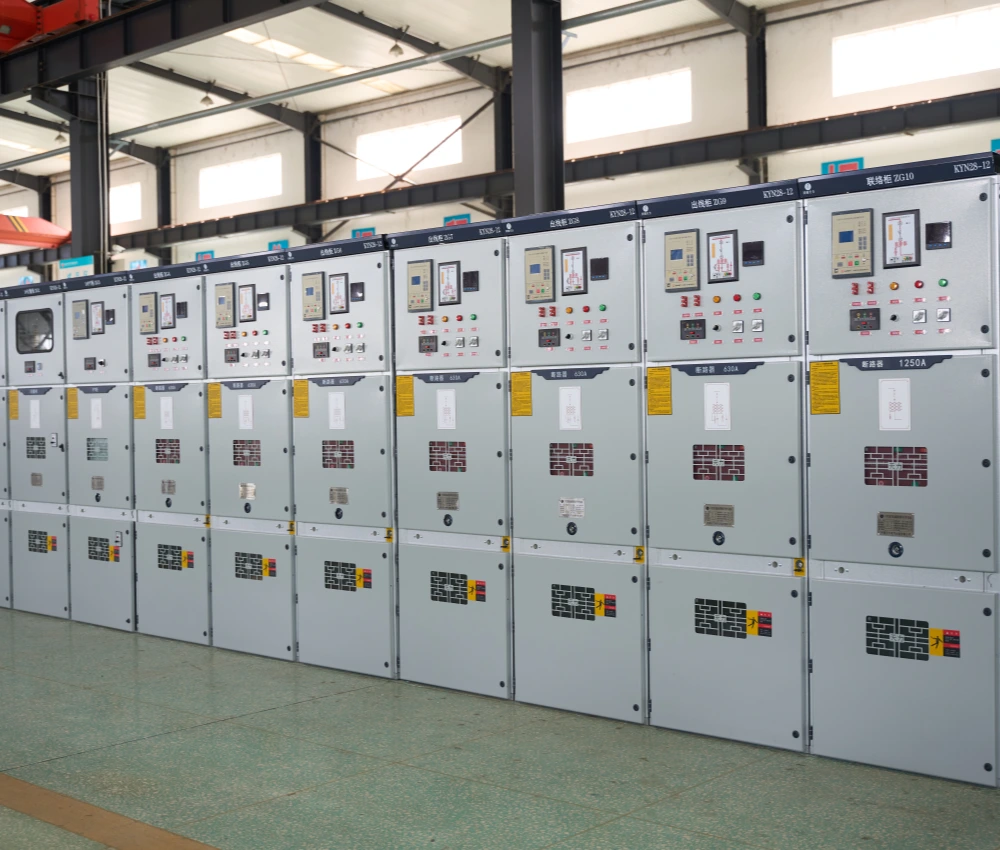
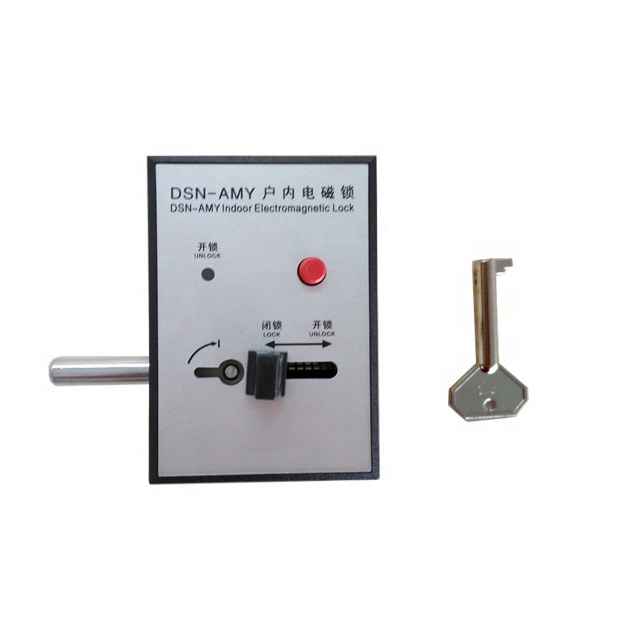
Industrial facilities rely on power grids for manufacturing and heavy operations. The DSN Electromagnetic Lock for Switchgear protects key sections in power stations. These devices fit perfectly on vacuum circuit breakers and isolation switches. Ring main units utilize these locks to prevent manual switching under load. Automated distribution networks integrate these units to block accidental human access. Outdoor power yards use specialized versions with enhanced weather protection. Central control rooms monitor these locks via auxiliary switch contact signals. Safety protocols mandate interlocking on every incoming feeder panel door. Operators work confidently when physical safety barriers protect high-voltage cabinets. Modern infrastructure upgrades require these advanced locks to secure electricity pathways. Reliable locking structures prevent severe downtime in busy industrial zones.
Preventing Deadly Industrial Arc Flash Incidents
Arc flashes present a massive risk in high voltage switchgear environments. Incorrect operational sequences cause intense explosions of heat and thermal energy. Interlocking locks ensure operators only perform operations in correct sequences. Metal clad doors remain locked while internal parts contain dangerous voltages. Physical blockages prevent human error from causing severe electrical short circuits. Safety supervisors prioritize these hardware interlocks over administrative caution signs. Rapid isolation of electrical faults protects both equipment and nearby personnel. Power plants implement these strict physical controls to reduce insurance liabilities. Workers return home safely when industrial facilities invest in premium protection systems. Robust engineering controls provide the best defense against major substation disasters. Modern switchyards achieve zero accident statistics using smart interlocking hardware.
Heavy Materials Supporting Durable Interlock Systems
Substation environments present severe challenges like corrosive air and moisture. The DSN Electromagnetic Lock for Switchgear utilizes premium materials to combat corrosion. High-grade aluminum housings resist outdoor oxidation and mechanical wear over time. Solid brass components prevent spark generation during fast movement of internal gears. Industrial grade springs retain their elasticity even after millions of operations. Dustproof seals prevent micro particles from jamming the internal solenoid sliding block. Cold climates do not affect the specialized grease within the chamber. Heavy zinc coatings protect structural screws from high humidity conditions. Companies avoid frequent maintenance expenses by choosing weather resistant interlocking hardware. Reliable materials guarantee that safety remains intact during critical power outages. Engineers select copper and steel combinations to guarantee decades of service.
Environmental Specifications of DSN Electromagnetic Lock for Switchgear
| Environmental Factor | Rating Details | Substation Significance |
|---|---|---|
| Temperature Range | -25°C to +40°C | Withstands extreme season changes |
| Humidity Tolerance | Up to 95% at 25°C | Prevents moisture condensation damage |
| Ingress Protection | IP40 Rated Housing | Blocks copper dust and wire hair |
Interpreting Substation Environmental Protection Ratings
Substation switchyards experience harsh atmospheric conditions throughout the year. Freezing winter temperatures can freeze moving parts if materials are poor. High humidity levels create a risk of internal electrical short circuits. IP40 protective ratings ensure that flying metal dust cannot enter the coil. Brass and aluminum alloys prevent moisture from creating rust on sliding surfaces. Electrical equipment must operate reliably during sudden climatic swings. Factory coatings protect metal parts from acidic rain in industrial zones. Engineers review these ratings to verify suitability for chemical plant substations. Regular inspections confirm that seals remain flexible and intact over the years. Solid environmental protection guarantees that safety devices perform during grid faults.
FAQ
How does a DSN electromagnetic lock function during power failures?
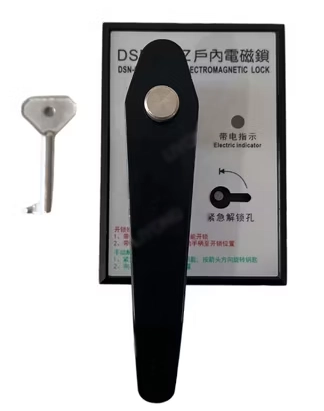
Emergency situations require quick manual access even without auxiliary voltage. The DSN Electromagnetic Lock for Switchgear features an integrated manual override mechanism. Operators use a specialized physical key to unlock the solenoid latch manually. This emergency key bypasses the electric coil directly during substation power outages. Specialized mechanical steps prevent unauthorized personnel from using this manual bypass. Safe key storage policies protect the override keys in the control office. Once auxiliary power returns, the system automatically resets to normal electric interlocking mode. Maintenance crews test this mechanical override during annual safety checkups. Proper key records ensure high level substation security.