What To Ask A High Voltage Switchgear Lock Manufacturer?
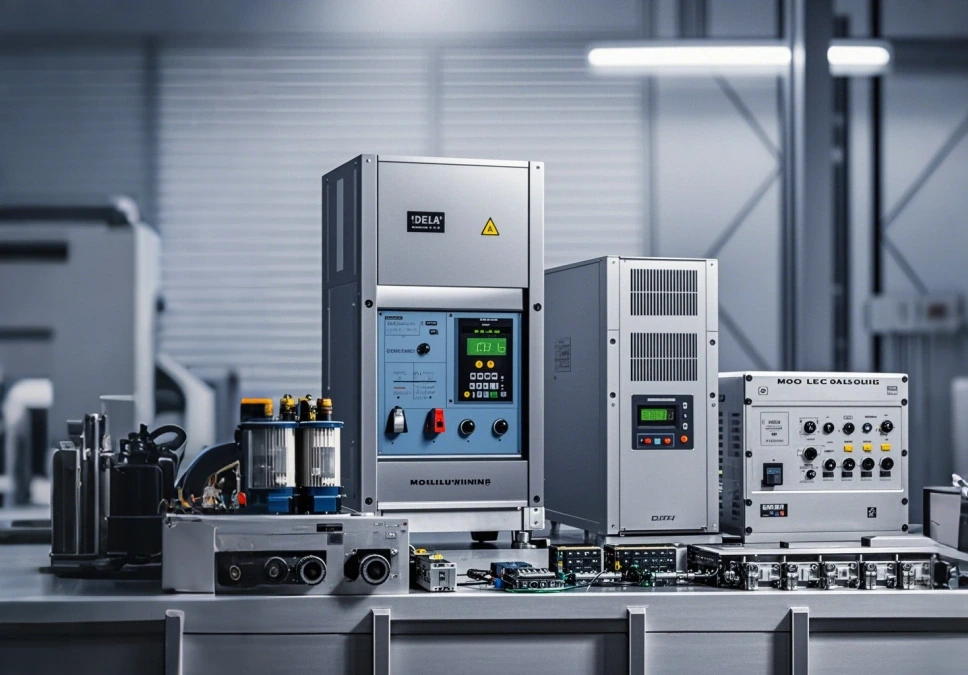
High voltage switchgear lock manufacturer selection covers voltage ratings, interlocking, materials, testing, customization, and documents.
Why Questions Matter When Choosing a High Voltage Switchgear Lock Manufacturer
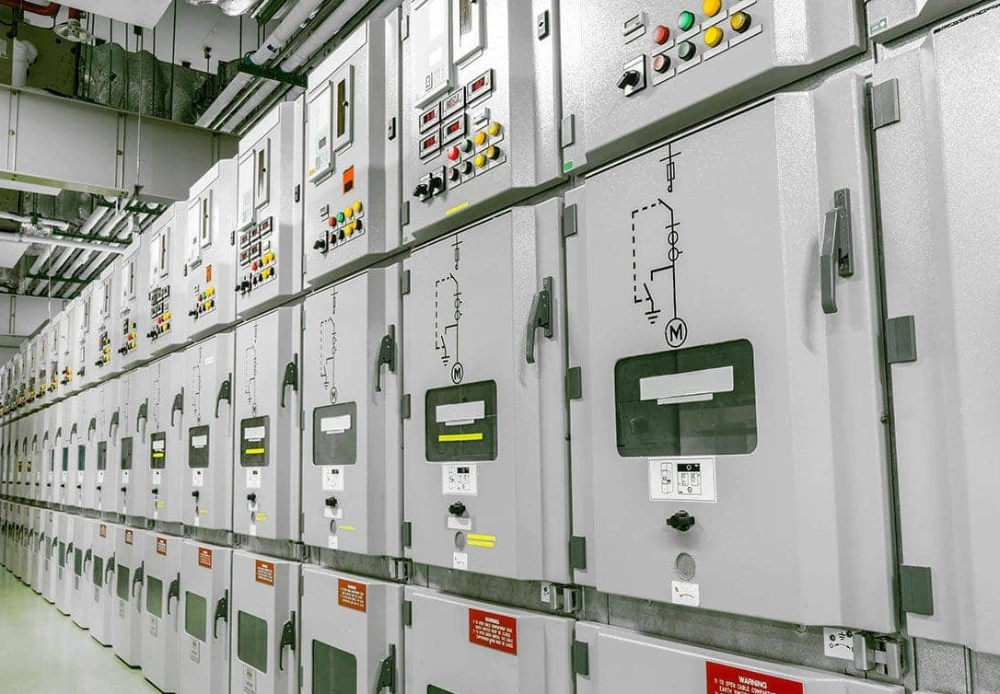
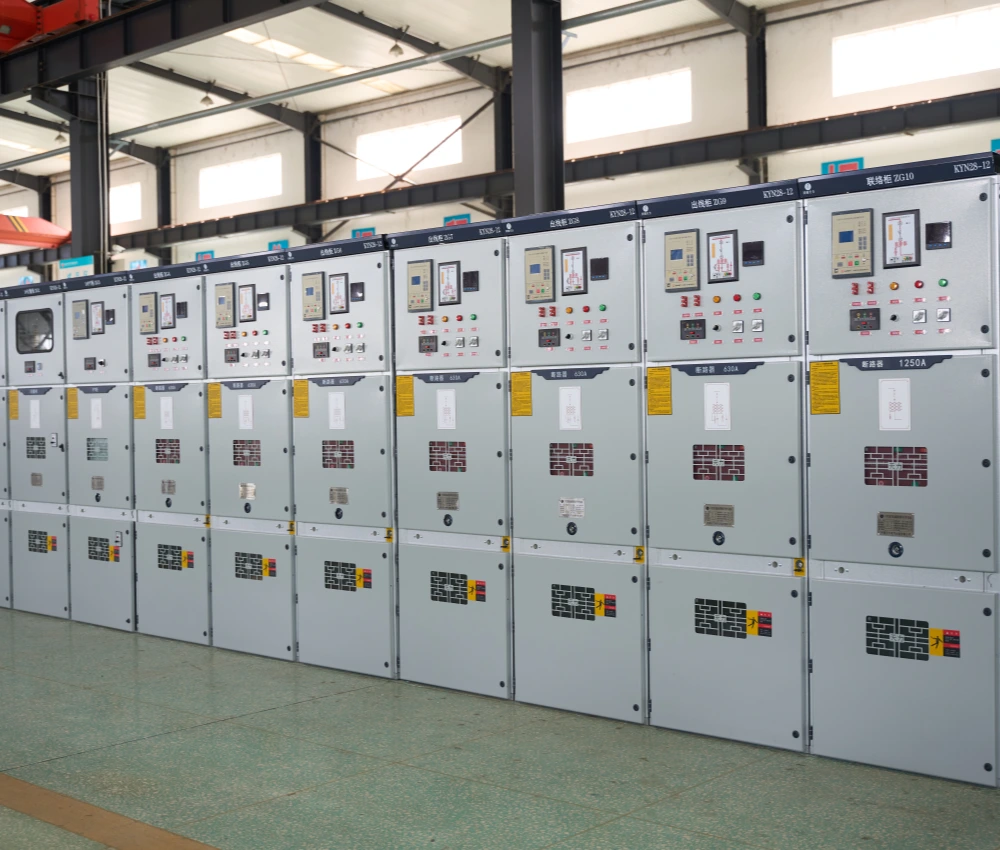
Choosing a high voltage switchgear lock manufacturer requires more than comparing product photographs or basic prices. Switchgear locks can control access to compartments containing energized electrical equipment. Their mechanical reliability can therefore affect operating sequences and maintenance procedures. Buyers should examine voltage applications, interlocking functions, materials, testing, and customization options. Project conditions also influence the required locking structure and installation method. Indoor switchgear can have different environmental requirements from outdoor installations. Utility substations may also require documented performance and traceable quality controls. Technical drawings help engineers evaluate mounting compatibility before production begins. Testing records provide additional evidence about mechanical and electrical performance. Buyers should also examine the manufacturer's production capabilities and inspection procedures. These checks create a clearer basis for technical procurement decisions. They can also reduce modification costs after equipment reaches the installation site.
What Should You Ask a High Voltage Switchgear Lock Manufacturer?
The first discussion should establish whether the supplier understands the complete switchgear application. A high voltage switchgear lock manufacturer should explain its locking principle clearly. Buyers should ask about voltage applications, control circuits, installation dimensions, and operating sequences. Mechanical compatibility deserves attention because cabinet structures vary between projects. Electrical compatibility matters when electromagnetic components connect with existing control systems. Environmental requirements can also influence material and protection choices. Procurement teams should request technical drawings before approving customized production. The supplier should identify critical dimensions and connection points in those drawings. Buyers can then compare those details with their own cabinet specifications. Questions should also cover testing procedures and quality documentation. This approach moves evaluation beyond appearance and basic commercial terms. It gives engineers measurable information for technical approval.
Which Voltage and Control Parameters Should Be Confirmed?
Voltage classification should remain one of the first technical questions during supplier discussions. Switchgear applications can involve different system voltage levels and control circuit arrangements. The lock itself may operate through a separate low-voltage control circuit. Therefore, buyers should distinguish system voltage from electromagnetic coil voltage. Control voltage can affect coil selection, wiring, terminals, and release behavior. Engineers should also confirm whether the lock supports direct or integrated control. The mounting position must correspond with the intended cabinet mechanism. Buyers should request dimensional drawings with hole positions and fixing details. Operating temperature should also appear in the technical specification. Protection requirements may change when equipment operates outdoors or in humid environments. The following table summarizes important information to request before technical approval.
| Technical Parameter | Information to Confirm | Application Importance |
|---|---|---|
| System application | Applicable switchgear voltage class | Confirms intended equipment use |
| Control voltage | Coil or control circuit voltage | Prevents electrical incompatibility |
| Mounting dimensions | Hole pattern and installation size | Confirms cabinet compatibility |
| Operating temperature | Specified working temperature | Supports environmental evaluation |
| Protection requirements | Dust and moisture resistance | Supports installation conditions |
How Do These Specifications Affect Actual Installation?
Technical specifications become meaningful when engineers compare them with actual cabinet conditions. A locking mechanism can meet electrical requirements yet fail dimensional compatibility. Incorrect mounting positions can increase mechanical resistance during operation. Misalignment may also prevent the locking element from reaching its required position. Electromagnetic systems require correct wiring and sufficient control voltage. Terminal arrangements should therefore match the cabinet's existing control architecture. Buyers should confirm cable entry positions before finalizing customized designs. Clearance around moving components also deserves attention during installation planning. Engineers should check whether nearby parts restrict the locking movement. Retrofit projects require additional care because existing cabinets may allow limited modification. A detailed dimensional drawing can expose these problems before production starts. This process can reduce field adjustments and shorten commissioning work.
How Does the Lock Control Access to Energized Compartments?
Access control represents a central function of many switchgear locking systems. A properly configured interlock can restrict unsafe operating sequences. For example, a cabinet door may remain secured while electrical equipment remains energized. Another arrangement can restrict switching until a grounding operation reaches its required state. These functions depend on the selected mechanical or electromagnetic mechanism. Buyers should ask the supplier to describe every permitted operating sequence. Sequence diagrams can show relationships between breakers, switches, grounding devices, and doors. Such diagrams provide more useful information than general safety statements. Engineers can compare the proposed sequence with the switchgear's actual operating logic. Maintenance teams can also use these diagrams during servicing procedures. Clear documentation reduces ambiguity when several interlocking devices work together. It also helps identify abnormal conditions during commissioning and troubleshooting.
Which Interlocking Mechanism Fits the Project Requirements?
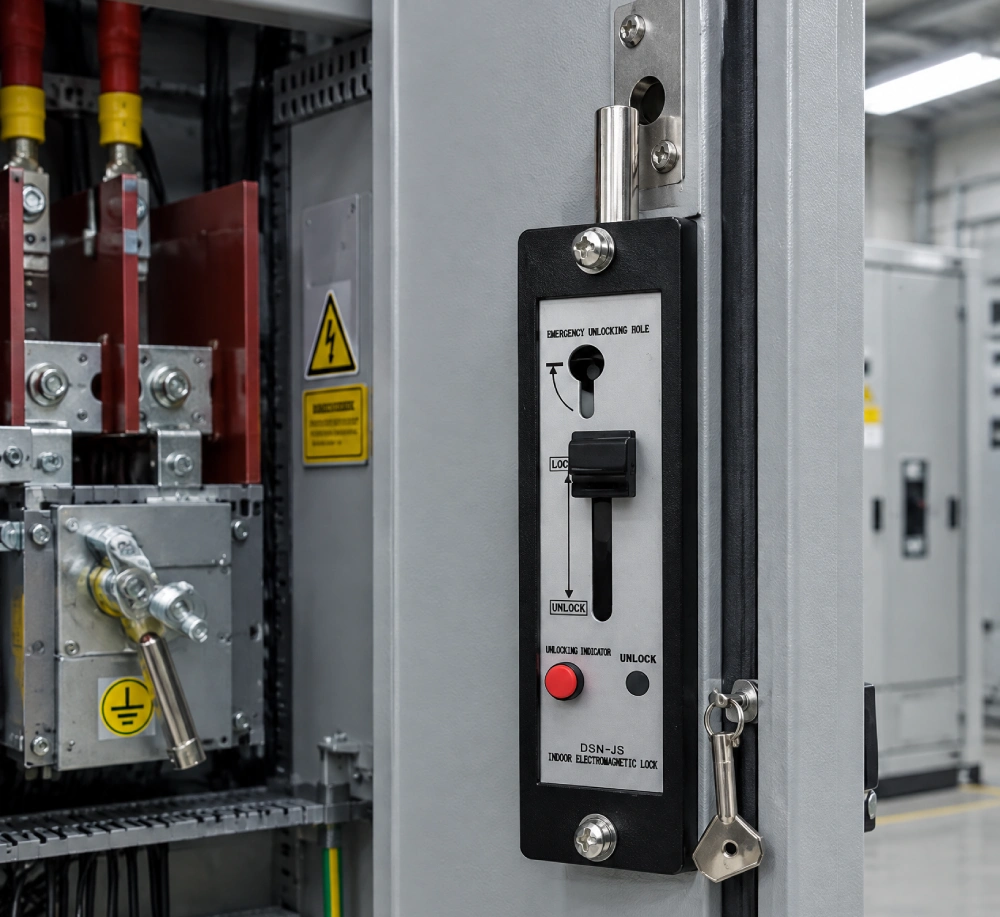
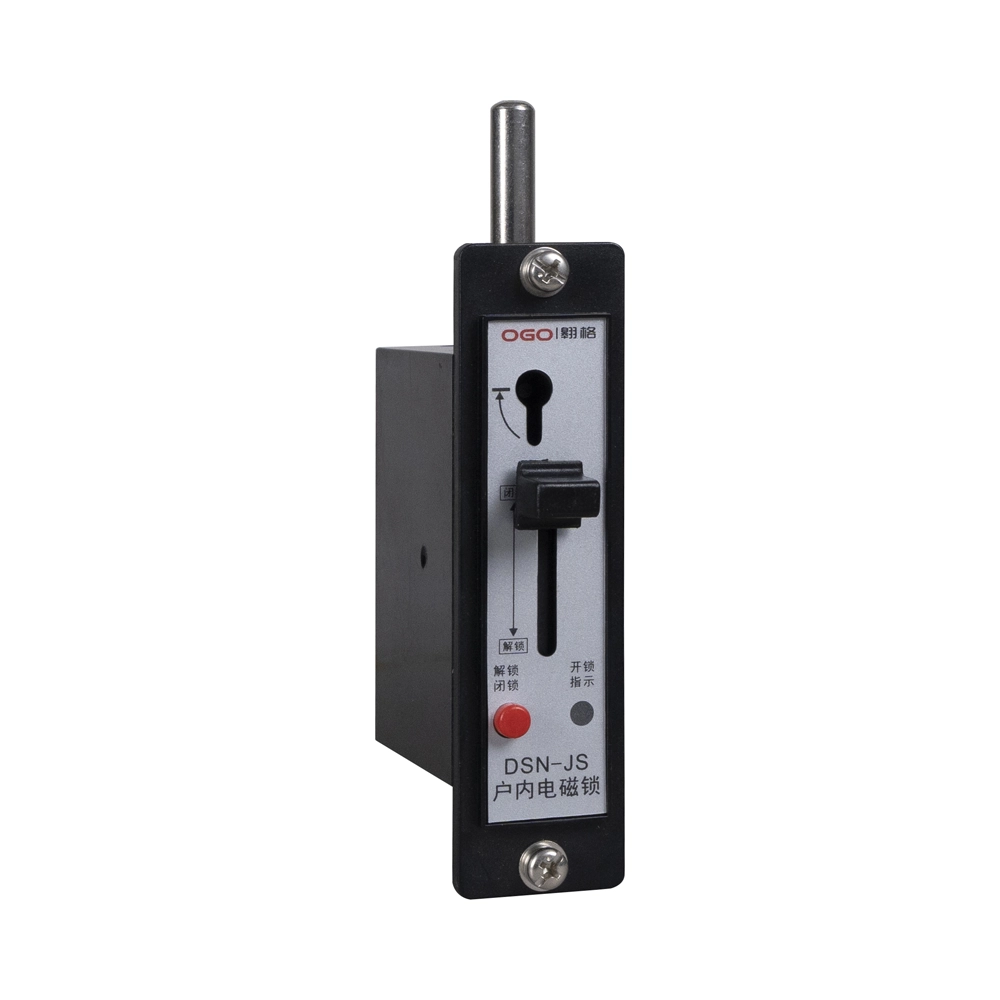
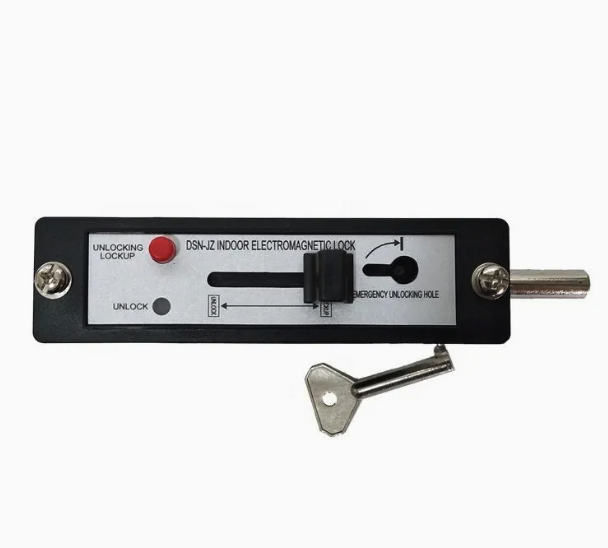
Different interlocking mechanisms provide different operating characteristics and integration requirements. Mechanical systems can use rods, cams, shafts, keys, or blocking components. Electromagnetic systems normally combine electrical control with a mechanical locking element. Buyers should ask how the mechanism locks and releases during normal operation. They should also ask what happens when control power becomes unavailable. Fail-safe behavior depends on the project's required operating sequence. Some systems may require a lock to remain secured during power loss. Other designs can require controlled release under defined conditions. DSN-JK Active Electromagnetic Lock for Switchgear can support controlled access applications. Engineers should verify its electrical connections and mechanical mounting requirements for each project. The supplier should provide clear control logic for the selected configuration. This information helps prevent incorrect assumptions during switchgear integration.
Which Materials and Surface Treatments Should Be Evaluated?
Material selection affects mechanical strength, corrosion resistance, and long-term operating stability. Steel can provide strong structural support for frequently operated locking components. Stainless steel can offer greater corrosion resistance in demanding environments. Aluminum can provide lower weight when the application permits its mechanical properties. Surface treatments can further protect exposed components against oxidation. Buyers should ask for specific material grades instead of general descriptions. Coating or plating specifications should also identify the relevant treatment process. Outdoor switchgear may face rain, condensation, temperature changes, and airborne contaminants. Industrial installations can introduce dust, chemicals, or corrosive atmospheric conditions. Moving parts require particular attention because surface corrosion can increase operating resistance. Sealing arrangements can also limit contaminant entry around selected components. Material information should therefore form part of the technical approval process.
What Can a Real Switchgear Project Reveal?
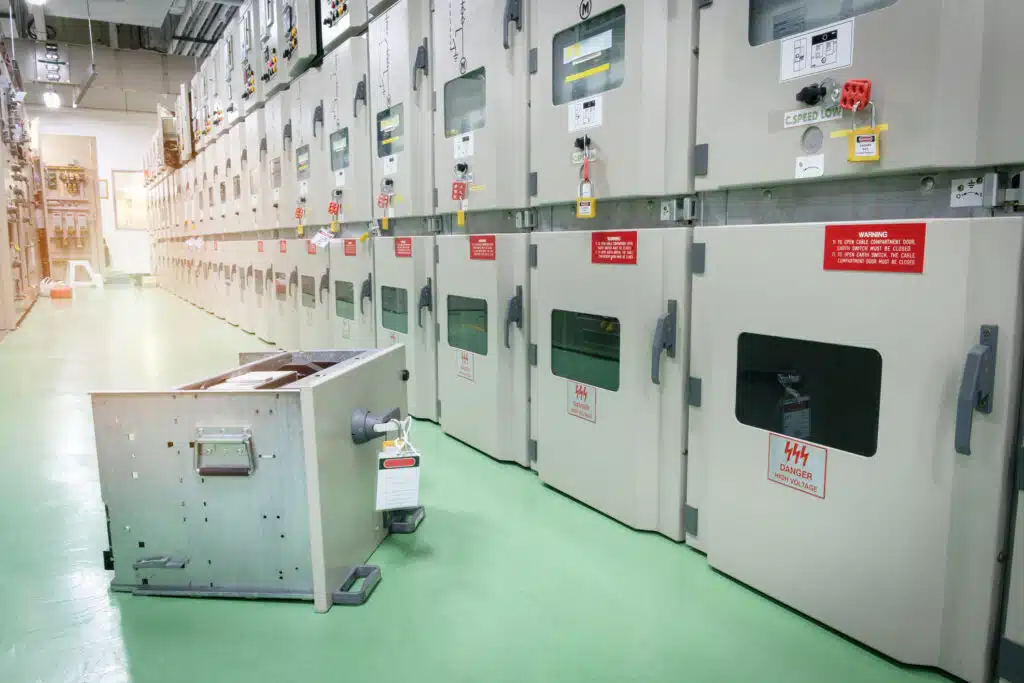
A practical switchgear project can demonstrate why technical questions matter before ordering. Consider a distribution facility using indoor metal-enclosed switchgear with controlled cabinet access. Engineers may require an electromagnetic interlock between equipment status and door access. During commissioning, technicians first verify the intended switching sequence without energized operation. They then test release signals and confirm the required door restrictions. Each lock must respond correctly to the corresponding equipment condition. Technicians also inspect mounting alignment and electrical terminal connections. Suppose one cabinet has a slightly different mounting arrangement from the standard design. A detailed drawing can identify that difference before mass production begins. The manufacturer can then modify the bracket or mounting configuration before delivery. This example shows how engineering communication can prevent field modifications. It also demonstrates why project-specific documentation matters during procurement.
Which Standards and Test Reports Should You Request?
Standards provide structured requirements for evaluating switchgear equipment and related components. Buyers should first identify standards specified for the complete switchgear assembly. They should then determine which requirements apply directly to the locking mechanism. Testing may address mechanical operation, electrical control, environmental conditions, or endurance. The exact requirements depend on the equipment design and project specification. A high voltage switchgear lock manufacturer should identify applicable testing methods clearly. Buyers should request reports when certification or formal testing affects project acceptance. Test documents should correspond to the actual product model and configuration. Generic certificates may not cover customized mechanical or electrical arrangements. Engineers should also verify report dates, product references, and testing scope. Customer specifications can impose additional requirements beyond general industry standards. Confirming these details early can reduce compliance problems during factory acceptance.
How Can You Evaluate Locking Reliability Before Ordering?
Reliability evaluation should cover both mechanical operation and electrical control functions. Repeated operation tests can reveal wear in moving components and mounting interfaces. Electromagnetic testing can verify coil behavior under specified control conditions. Dimensional inspection can identify deviations affecting alignment or installation. Final functional testing should confirm the complete locking and release sequence. A high voltage switchgear lock manufacturer should maintain defined inspection procedures for critical components. Incoming inspection can verify raw materials and purchased parts before assembly. In-process inspection can check machining accuracy and assembly dimensions. Final inspection can verify completed products before shipment. Buyers should request information about inspection frequency and record retention. Traceability can also help identify production batches when later issues occur. The following table presents useful quality questions for supplier evaluation.
| Quality Stage | Primary Check | Useful Evidence |
|---|---|---|
| Incoming inspection | Materials and critical components | Inspection records |
| Machining inspection | Critical dimensions and tolerances | Measurement records |
| Assembly inspection | Component positioning | Assembly checklist |
| Functional testing | Locking and release sequence | Functional test report |
| Final inspection | Configuration and appearance | Final inspection record |
How Do Quality Controls Influence Field Performance?
Quality controls become valuable when they address conditions encountered during actual installation. A lock may function correctly in isolation but encounter problems after cabinet integration. Misaligned mounting surfaces can increase mechanical resistance during repeated operation. Incorrect wiring can also prevent electromagnetic release under the required conditions. Manufacturers should therefore inspect completed assemblies rather than relying only on component checks. Functional tests should reproduce the intended operating sequence whenever practical. Sample installation checks can provide additional protection for customized projects. Engineers can use these checks to identify clearance or alignment problems early. Production records should also connect inspection results with identifiable batches. Such traceability supports investigation when several units serve one project. Buyers can ask for evidence covering dimensions, electrical functions, materials, and final operation. These records provide a stronger technical basis for procurement decisions.
What Customization Options Should OEM Buyers Discuss?
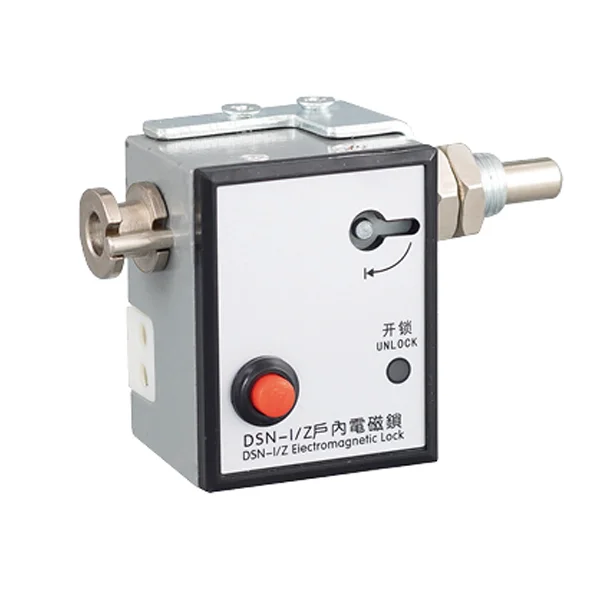
OEM switchgear projects frequently require modifications to standard locking configurations. Cabinet dimensions can differ between equipment designs and project specifications. Mounting plates may require different hole patterns or fixing arrangements. Control voltage can also vary between electrical control systems. Manufacturers may provide customized brackets, dimensions, wiring, terminals, or connectors. Buyers should submit accurate cabinet drawings before requesting final production approval. Three-dimensional models can further reduce interpretation errors during engineering review. The supplier should confirm every customized parameter in an approved technical document. For electromagnetic products, coil specifications require particular attention during integration. Terminal positions should match the intended cabinet wiring arrangement. DSN DM Indoor Electromagnetic Door Lock may support applications requiring electromagnetic door control. The selected configuration should match the project's actual access sequence and installation conditions.
How Should Installation and Maintenance Requirements Be Confirmed?
Installation requirements directly influence long-term locking performance. Mounting surfaces should remain aligned with the designed locking mechanism. Fasteners require correct positioning and suitable tightening during assembly. Electrical connections should remain protected from mechanical stress and loose terminals. Technicians should verify the complete interlocking sequence after installation. Routine maintenance can include checks on fasteners, moving parts, and electrical connections. Inspection frequency depends on operating conditions and equipment usage. Outdoor installations may require additional attention to corrosion and moisture. High-use switchgear can require more frequent mechanical inspection. Manufacturers should provide installation drawings with clear mounting references. Maintenance documentation should identify critical components requiring periodic inspection. Clear procedures help technicians identify abnormal movement or release behavior. Early detection can reduce unnecessary downtime during future maintenance.
What Should Be Checked Before Shipment?
Final shipment controls should confirm that delivered products match the approved configuration. Manufacturers should check model numbers, quantities, dimensions, accessories, and customized features. Packaging should protect mechanical components from impact during transportation. Moisture protection can also matter during overseas transportation or humid storage. Each customized order should remain traceable through production records. Batch information can support later technical investigation when necessary. Buyers should ask how nonconforming products are identified and controlled. A defined corrective process can help prevent repeated production errors. Pre-shipment photographs can provide additional confirmation for customized orders. Larger projects may benefit from sample approval before complete production. The supplier should document deviations before dispatch rather than after installation. These controls help maintain consistency between approved samples and delivered products.