What Maintenance Do Wall Bushing Insulators Require?
Wall bushing maintenance covers inspection, testing, cleaning, and lifecycle control for reliable high voltage insulation performance.
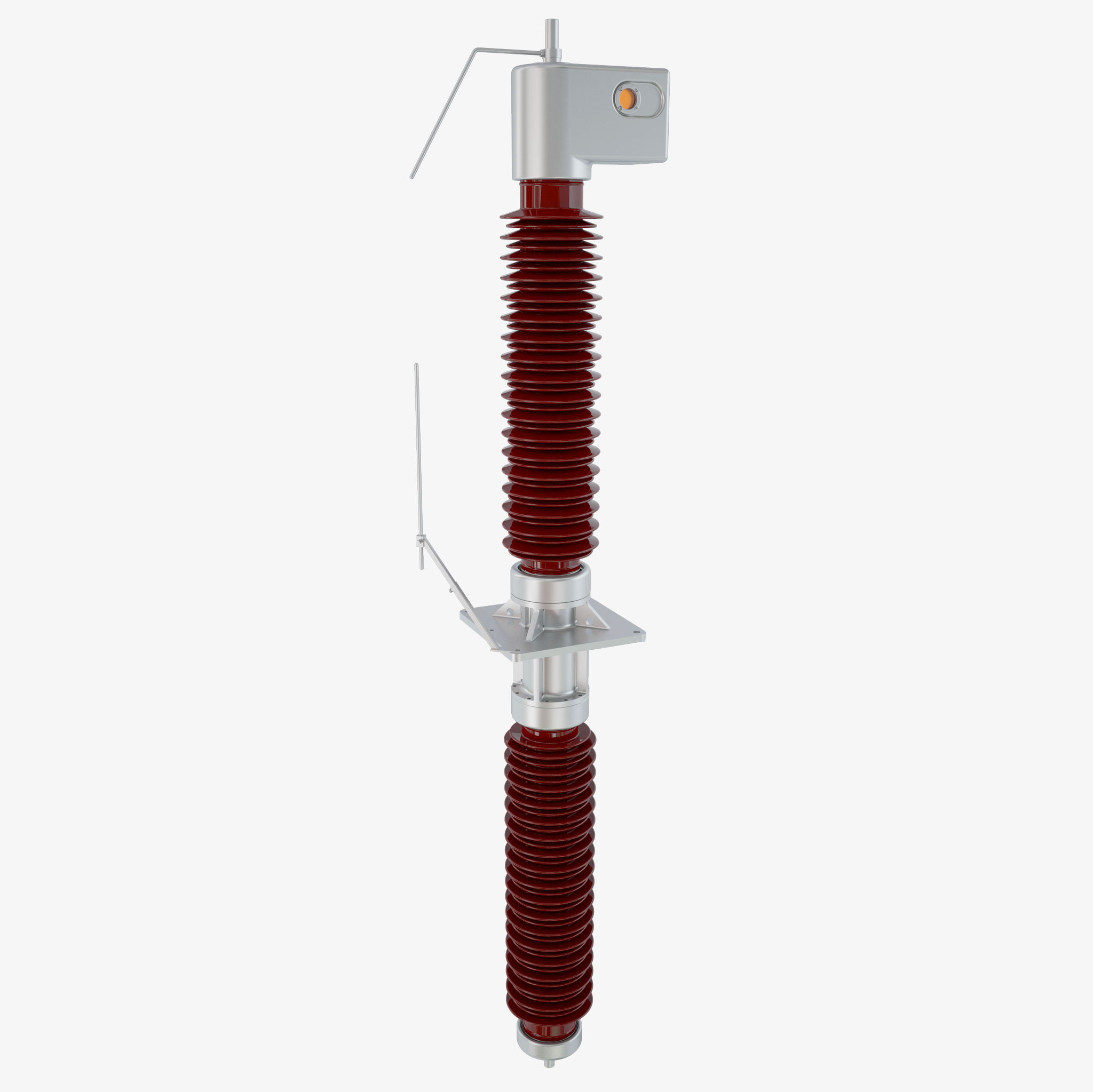
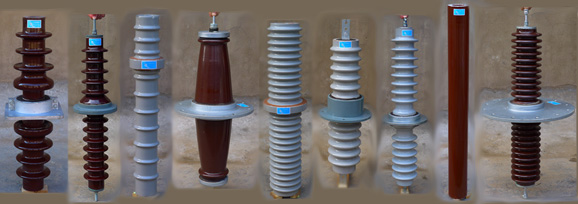
Wall bushing insulators play a critical role in high voltage system reliability. Wall bushing maintenance ensures safe conductor passage through grounded barriers in substations and transformers. Engineers rely on structured inspection routines to prevent insulation failure and flashover risks. Contaminants like dust, moisture, and industrial particles gradually reduce dielectric strength over time. Thermal cycling and UV exposure also accelerate material aging in outdoor installations. Proper maintenance planning reduces unexpected outages and improves asset lifespan significantly. Compliance with IEC and ANSI standards supports safe operational performance across facilities. Without consistent upkeep, small defects can escalate into major system failures quickly. This section introduces how maintenance strategies protect both equipment and grid stability in demanding industrial environments.
Core Inspection Steps For Wall Bushing Maintenance
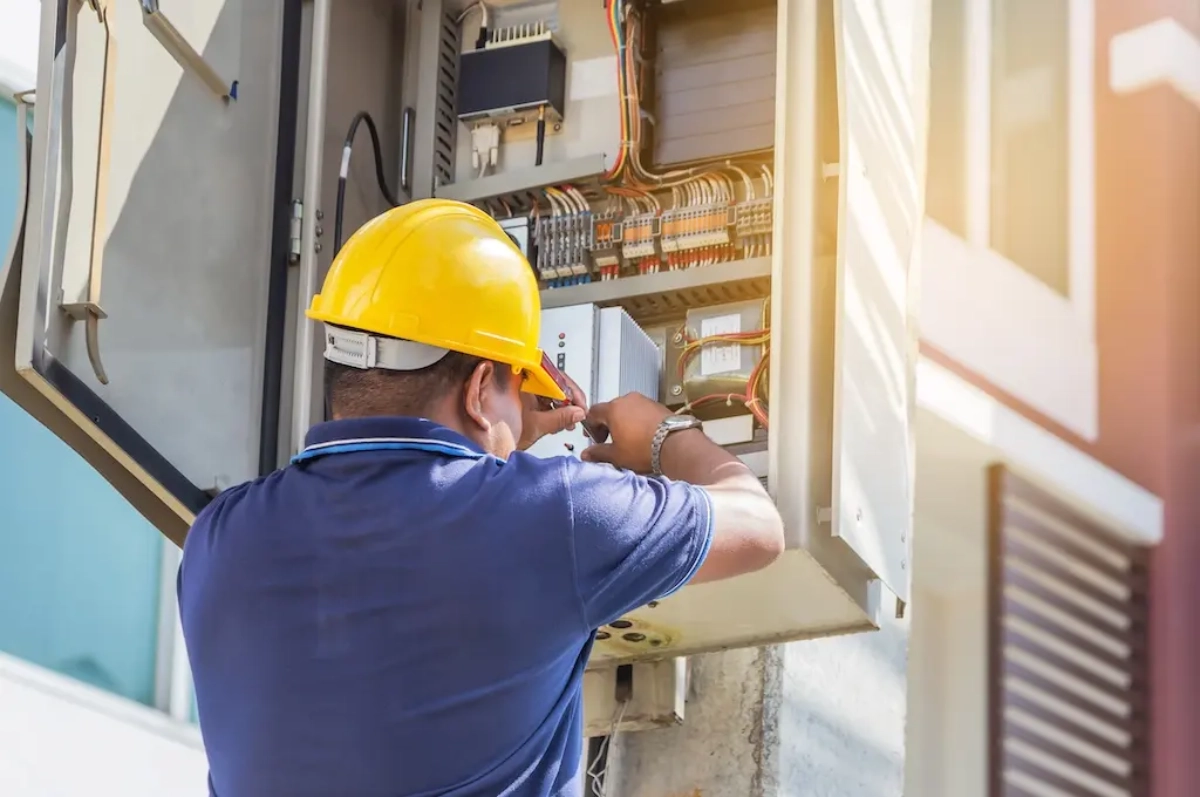
Wall bushing maintenance begins with detailed visual inspection under safe shutdown conditions. Technicians examine porcelain and composite surfaces for cracks, erosion, and tracking marks. Loose hardware often indicates vibration or thermal stress within high voltage assemblies. Alignment between conductor and terminal must remain precise to avoid localized heating. Engineers use magnified tools and drones for elevated or hard to access installations. Surface contamination layers are assessed for conductivity and leakage current risks. Infrared scanning supports early detection of abnormal temperature distribution patterns. All inspection findings must be recorded in structured maintenance logs for analysis. wall bushing maintenance data helps engineers identify long term degradation trends effectively. Consistent inspection routines significantly reduce the probability of unexpected insulation failure in critical power infrastructure.
Cleaning Methods For Wall Bushing Maintenance
Wall bushing maintenance cleaning procedures depend on contamination type and severity level. Dry cleaning methods remove dust using soft brushes and lint free cloths safely. Wet cleaning applies deionized water or approved solvents for industrial residue removal. System isolation and lockout procedures must be completed before any cleaning begins. Silicone rubber insulation requires gentle handling to preserve hydrophobic surface properties. Coastal environments often demand more frequent cleaning due to salt accumulation effects. Improper cleaning pressure may damage protective layers and reduce dielectric performance. Drying time must be sufficient before system re-energization to avoid flashover risks. wall bushing maintenance schedules define optimal cleaning intervals based on environmental exposure. Proper cleaning practice ensures stable insulation performance and reduces long term electrical stress accumulation in field operations.
Electrical Testing And Diagnostic Programs
Wall bushing maintenance testing programs evaluate insulation health using multiple diagnostic methods. Insulation resistance testing detects moisture ingress and degradation inside dielectric structures. Power factor and tan delta measurements assess energy loss within insulation materials. Partial discharge monitoring identifies internal voids and surface electrical activity patterns. Infrared thermography reveals abnormal heating caused by loose connections or defects. Engineers compare test results with baseline factory data for accurate trend evaluation. Sudden parameter changes often indicate early stage insulation failure or contamination issues. Testing frequency depends on voltage class, environmental stress, and system criticality level. Reliable diagnostic data improves decision making and reduces unexpected equipment downtime significantly. These testing methods provide essential insight into insulation integrity across complex high voltage networks.
Environmental Stress And Aging Effects
Wall bushing maintenance must consider environmental stress factors affecting insulation lifespan. UV radiation gradually weakens polymer and composite surfaces under long term exposure. Industrial pollution forms conductive layers that increase leakage current and tracking risk. Moisture ingress accelerates electrical breakdown in high humidity operating environments. Thermal cycling creates mechanical expansion and contraction stress at material interfaces. Salt fog in coastal regions significantly reduces dielectric strength over time. Protective coatings help reduce surface contamination and environmental degradation effects. Engineers evaluate site conditions before selecting maintenance intervals and protection strategies. wall bushing maintenance planning ensures reliability under harsh and variable operating environments. Environmental stress management plays a major role in extending insulation service life and reducing unexpected failures in power systems.
Spare Parts And Replacement Planning
Wall bushing maintenance planning includes structured spare parts and replacement strategies. Key components include seals, gaskets, connectors, and mounting hardware assemblies. Material compatibility ensures stable dielectric performance across operational temperature ranges. Silicone based sealing systems are widely used in outdoor high voltage applications. Inventory control balances readiness requirements with cost efficiency in asset management. Excess stock increases capital cost while shortages extend outage recovery time. Replacement decisions depend on inspection results and failure probability assessments. Minor sealing defects can often be repaired without full component replacement. Severe insulation damage requires complete bushing replacement for safety assurance. Effective spare part planning improves operational continuity and reduces downtime risks in high voltage infrastructure systems.
Maintenance Schedule And Operational Planning
wall bushing maintenance scheduling organizes inspection, testing, and servicing activities across defined intervals. Monthly tasks focus on visual inspection and contamination assessment in field conditions. Quarterly tasks include electrical testing, torque checks, and connection verification. Annual maintenance emphasizes thermography, dielectric testing, and condition analysis. Long term evaluation cycles support refurbishment decisions based on asset health data.
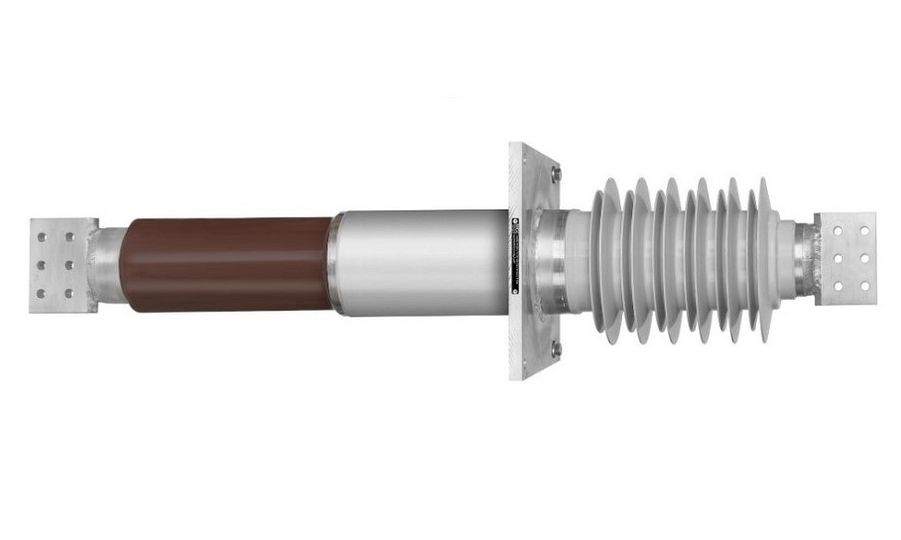
Proper scheduling reduces unexpected failures and improves operational reliability significantly. Maintenance teams coordinate schedules with planned outages to reduce production impact. Data driven planning improves resource allocation and maintenance efficiency across facilities. Predictive analytics further improves scheduling accuracy using historical performance data. Proper documentation ensures compliance with international electrical safety standards.
| Interval | Task | Purpose | Method |
|---|---|---|---|
| Monthly | Visual inspection | Detect early contamination | Field inspection |
| Quarterly | Electrical testing | Verify insulation stability | IR and torque tools |
| Annual | Thermal and dielectric checks | Assess aging behavior | Tan delta testing |
| 3–5 Years | Condition evaluation | Plan refurbishment | Diagnostic review |
The schedule above structures maintenance execution across multiple time horizons. Monthly inspections focus on early defect detection and contamination control. Quarterly tasks strengthen electrical integrity verification through testing. Annual procedures evaluate long term insulation aging behavior. Extended cycles support refurbishment planning based on performance data. This layered system improves operational reliability and reduces unexpected outages.
Best Practices Checklist For Field Operations
Wall bushing maintenance checklist ensures consistent execution of field inspection and testing tasks. Technicians must follow strict safety protocols before accessing energized equipment areas. Lockout tagout procedures prevent accidental energization during maintenance operations. Visual inspection identifies cracks, tracking marks, and surface contamination issues. Electrical testing confirms insulation stability and dielectric performance levels. Torque verification ensures mechanical integrity of all connection points. All measurement data must be recorded in structured maintenance logs. Use only approved cleaning materials to protect insulation surfaces from damage. Compare current readings with historical records for trend analysis and diagnostics.
- Inspect insulator surface condition regularly
- Perform insulation resistance testing periodically
- Clean using approved non abrasive methods
- Record all findings in maintenance database
- Replace damaged seals immediately when detected
Structured discipline improves safety and reduces failure risk across high voltage systems.
Supplier Selection And Service Quality
Supplier Selection Influences Long Term Reliability Of High Voltage Insulation Systems. Engineers Evaluate Technical Expertise, Certifications, And Production Quality Before Choosing Partners. Material Traceability Ensures Compliance With IEC 60137 And IEEE C57 Standards For Bushings. Strong Technical Support Improves Troubleshooting Efficiency During Field Maintenance Operations. Fast Delivery Capability Reduces Downtime During Emergency Repair Situations Significantly. High Quality Manufacturers Provide Tested Components With Verified Dielectric Performance Data. Partnerships With Experienced Vendors Improve Lifecycle Management Of Electrical Assets. Training Support Helps Maintenance Teams Improve Inspection Accuracy And Diagnostic Skills. Reliable Suppliers Contribute To Operational Stability And Cost Efficiency Across Systems.
| Task | Risk if Ignored | Detection Method | Impact |
|---|---|---|---|
| Inspection | Surface cracks | Visual check | Prevents flashover |
| Testing | Insulation loss | Electrical diagnostics | Early fault detection |
| Cleaning | Leakage current | Surface analysis | Restores insulation |
| Torque check | Overheating joints | Mechanical testing | Improves reliability |
Supplier collaboration improves field reliability significantly. Technical support enhances diagnostic accuracy during fault events. Access to certified materials ensures stable insulation performance. Training support strengthens maintenance team capability. Rapid supply chains reduce downtime during urgent repairs.
Conclusion Building A Reliable Maintenance Strategy
Structured maintenance improves reliability in high voltage insulation systems. Consistent inspection reduces risk of unexpected electrical failures significantly. Testing programs provide early warning of insulation degradation trends.
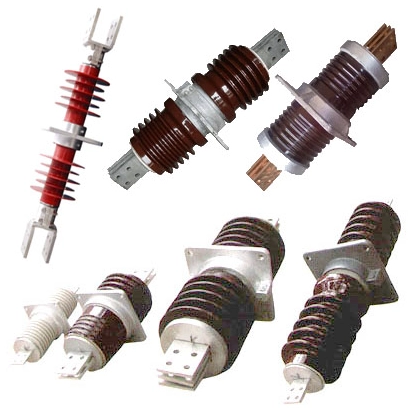
Cleaning and environmental control extend equipment service life effectively. Data driven analysis supports accurate maintenance decision making processes. Proper scheduling ensures efficient use of technical and operational resources. Compliance with international standards enhances system safety and performance. Long term asset management reduces total lifecycle operational costs. Integrated maintenance planning supports stable power distribution infrastructure. Engineering teams benefit from structured documentation and historical trend tracking. Preventive approaches reduce emergency interventions and improve grid stability. Continuous improvement practices strengthen maintenance quality across industrial operations.