
How Often Should High-Voltage Contact Box Be Maintained?
Switchgear contact box maintenance intervals, inspection points, cost risks, and replacement timing for industrial B2B power systems.
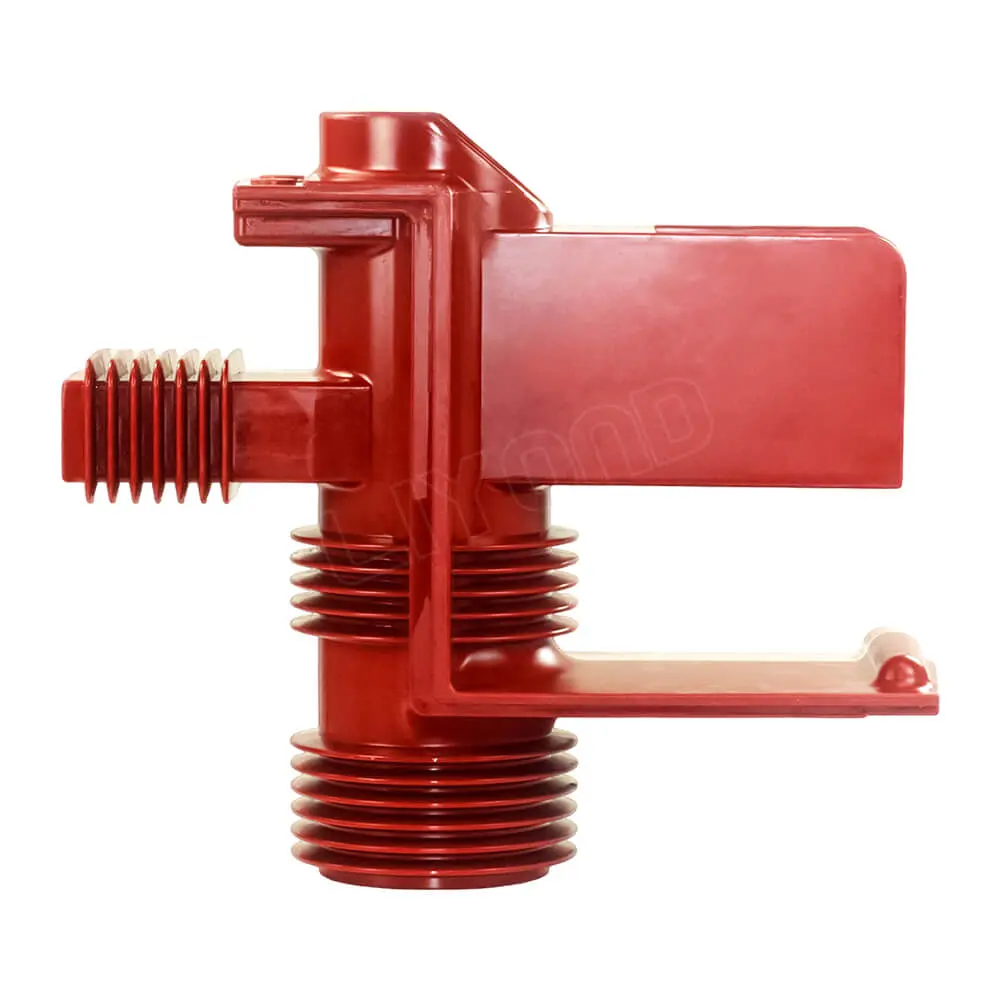
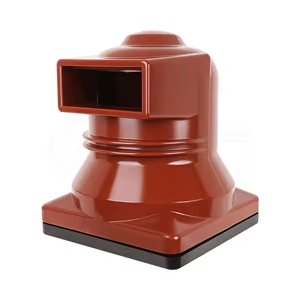
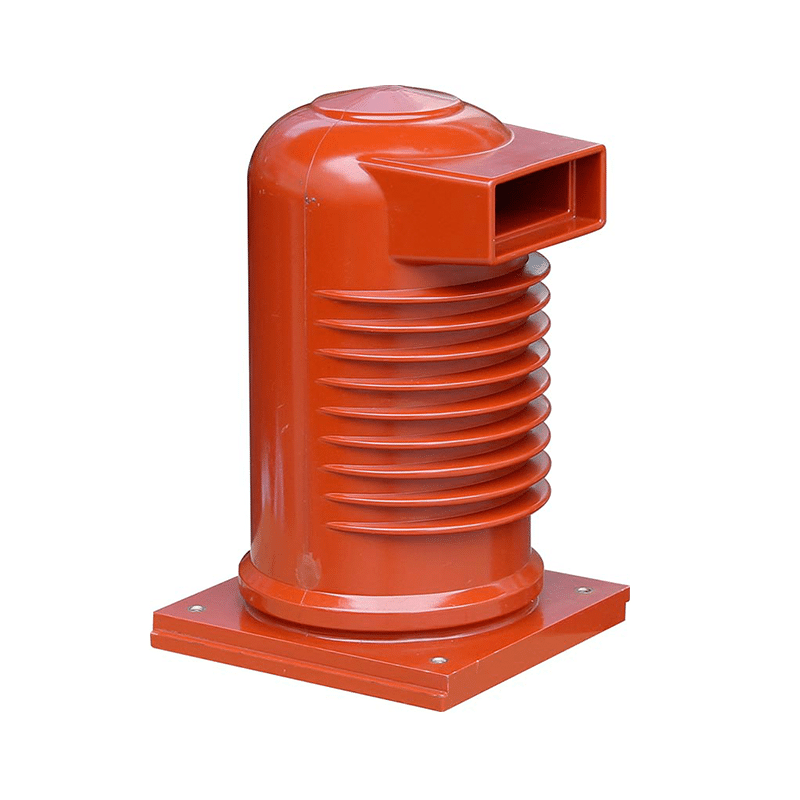
Switchgear contact box maintenance protects insulation integrity and power continuity in industrial networks. A contact box supports live conductors inside switchgear assemblies. It separates energized parts from grounded steel frames. Most units use epoxy resin, DMC, or SMC compounds. These materials resist heat, arc stress, and tracking. Age still lowers dielectric strength over time. Dust and moisture speed that decline quickly. B2B operators depend on stable uptime targets. Unexpected switchgear faults can stop lines, pumps, or data loads. Planned service lowers outage risk and protects staff. Strong maintenance routines also improve audit readiness for regulated facilities and utility-linked plants. Regular audits prove that switchgear contact box maintenance reduces sudden insulation failures.
How Contact Boxes Fail Under Real Operating Stress
Heat cycling expands copper bars during operation. Cooling cycles shrink them after shutdowns. Repeated movement can loosen joints and create hot spots. Surface contamination forms conductive paths in humid weather. Salt mist often harms coastal plants. Chemical vapors attack polymer surfaces in process sites. Short-circuit events may crack resin around inserts. Vibration from motors can disturb alignment. Small defects often grow silently for months. Infrared scans reveal rising temperatures near terminals. Partial discharge tests expose internal void activity. Visual checks catch discoloration and carbon marks. Fast action after these signals prevents larger failures. Asset managers should log every abnormal reading and compare trends across identical panels.
Recommended Maintenance Intervals by Site Conditions
Clean indoor electrical rooms usually need annual inspections. Dusty factories often need semiannual visits. Heavy vibration plants may need quarterly checks. Marine terminals need tighter schedules due to salt exposure. Mining sites face abrasive particles and moisture. Chemical plants face fumes and corrosion stress. Data centers may use annual checks plus thermal scans. High duty cycle feeders deserve extra attention. Fault history also changes interval planning. Sites with repeated overloads need shorter cycles. New installations should receive early baseline checks. Mature assets need trend-based reviews. Use condition data with calendar plans for best results. One fixed interval rarely fits every switchboard population. Plants with variable loads often adjust schedules after reviewing switchgear contact box maintenance records.
| Site Type | Typical Condition | Suggested Interval | Main Risk |
|---|---|---|---|
| Clean Indoor Plant | Stable temperature | 12 months | Hidden aging |
| Dusty Factory | Fibers and particles | 6 months | Tracking |
| Marine Terminal | Salt humidity | 3-6 months | Corrosion |
| Mining Site | Shock and moisture | 3 months | Cracks |
| Data Center | Critical uptime | 12 months + scans | Thermal rise |
Why Intervals Must Match Environment and Duty
Calendar plans are only a starting point. Current loading changes material stress every day. A feeder near rated current runs hotter. Higher temperature speeds resin aging and oxidation. Frequent switching adds mechanical wear to connected parts. Emergency generators may sit idle, then surge suddenly. That pattern needs careful torque checks. Plants with shutdown windows can inspect more deeply. Continuous plants may prefer online diagnostics. Managers should rank panels by criticality first. Then assign tighter intervals to revenue-critical feeders. This method balances labor cost and risk. It also supports budget requests with measurable logic and clear asset priorities.
Key Inspection Points During Each Service Visit
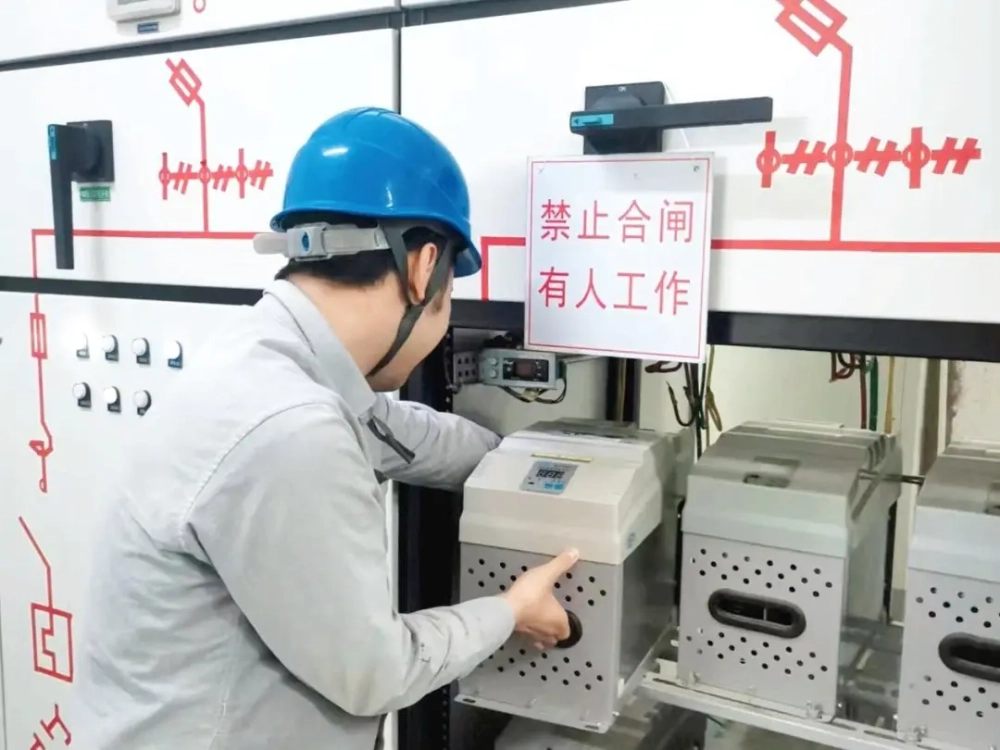
Technicians should inspect the entire surface carefully. Look for cracks near inserts and corners. Check for glossy tracks or burn marks. Confirm busbar alignment and hardware tightness. Use calibrated torque tools where values exist. Measure insulation resistance with approved procedures. Compare results with past records. Large drops deserve deeper investigation. Inspect shutters, barriers, and adjacent supports too.
Heat near one part may start elsewhere. Clean only with approved lint-free materials.Avoid aggressive solvents that soften resin. Record serial numbers and panel positions. Good records speed future sourcing and warranty review. Strong documentation also supports reliability programs. Good field records improve switchgear contact box maintenance planning.
Critical Tests That Add Predictive Value
Visual checks alone miss many hidden problems. Infrared thermography identifies resistance heating quickly. Scan under normal load for best results. Ultrasound can detect arcing in some compartments. Partial discharge testing finds insulation defects early. Tan delta methods help on selected systems. Torque audits confirm joint stability after outages. Moisture readings help in flood-prone regions. Trending matters more than one isolated number. Compare sister panels in the same room. Sudden deviation often signals developing issues. Predictive testing costs less than emergency outages. Many operators combine annual shutdown checks with quarterly scans for stronger coverage and better maintenance planning.
| Inspection Method | Purpose | Best Timing | Typical Benefit |
|---|---|---|---|
| Visual Check | Surface damage | Shutdown | Fast screening |
| Infrared Scan | Hot joints | Under load | Early heating alerts |
| Insulation Resistance | Leakage trend | Shutdown | Condition baseline |
| Partial Discharge | Internal defects | Online or outage | Hidden fault detection |
| Torque Audit | Joint security | Shutdown | Lower overheating risk |
Material Aging and Expected Service Life
Most contact boxes use thermoset composites. Epoxy resin offers strong dielectric performance. DMC compounds provide mechanical strength and arc resistance. SMC materials suit molded production volumes. Service life depends on heat, contamination, and stress. Clean indoor assets may last many years. Harsh outdoor enclosures may age faster. UV exposure can chalk some surfaces. Ozone may embrittle polymers over time. Repeated faults can damage internal bonding. Once cracks appear, replacement planning should begin. Repairs rarely restore original integrity fully. Buyers should request traceable raw materials and consistent molding controls from qualified suppliers with electrical experience. Thermal stress data helps engineers predict future switchgear contact box maintenance needs accurately.
Switchgear contact box maintenance Best Practices for Shutdown Windows
Prepare drawings, permits, and lockout steps early. Isolate energy sources before opening compartments. Confirm absence of voltage using approved devices. Clean compartments before close inspection starts. Replace damaged seals and missing hardware promptly. Use OEM dimensions for any replacement parts. Verify creepage distance and hole spacing carefully. Recheck torque after thermal cycles if required. Photograph defects for engineering review. Update asset software after each visit. Keep spare units for critical feeders onsite. Train staff on handling brittle aged components. Proper shutdown planning shortens downtime and improves work quality across every maintenance event.
Cost of Delay Versus Planned Service
Deferred work often looks cheaper initially. Hidden faults usually change that picture later. A single feeder outage may stop production lines. Lost batches, labor idle time, and restart waste add fast. Emergency sourcing often costs premium rates. Night callout labor raises invoices further. Safety exposure also increases during failures. Planned programs spread cost across budgets smoothly. Spare strategy reduces freight surprises. Reliability gains help insurance and compliance reviews. Finance teams usually support programs backed by downtime data. Present risk in hourly revenue terms. Decision makers respond well to clear business impact rather than technical language alone. Many factories now treat switchgear contact box maintenance as part of core reliability budgeting.
Procurement Tips for Replacement Contact Boxes
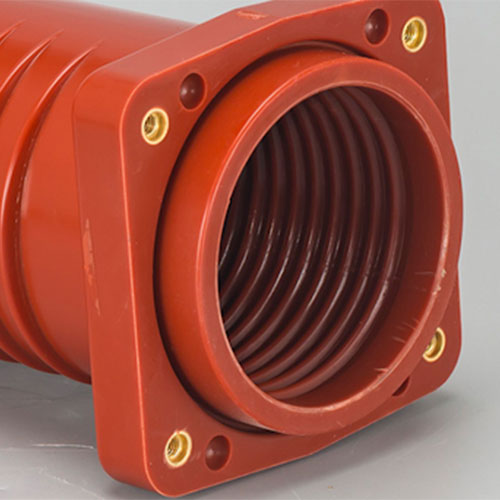
Match voltage class before ordering any part. Confirm impulse withstand and frequency ratings. Check creepage distance for site pollution class. Verify insert thread type and conductor size. Compare mounting centers with old drawings. Ask for routine test reports when available. Batch consistency matters for fleet maintenance. Mixed dimensions slow shutdown work. Reliable vendors provide resin specifications and traceability. Packaging should prevent edge damage in transit. Keep one approved alternate source when possible. Supply resilience matters during urgent outages. Good procurement policy supports switchgear contact box maintenance goals across multi-site industrial groups.
Practical Action List for Facility Managers
- Rank panels by production criticality.
- Set intervals by environment and load.
- Use annual infrared scans at minimum.
- Store critical spare contact boxes onsite.
- Keep torque values and drawings accessible.
- Review trends after every outage.
- Replace damaged units before peak season.
Turning Action Items Into Reliable Results
Lists create direction, yet execution creates value. Assign owners for each switchboard group. Set monthly review dates with operations teams. Tie findings to work orders quickly. Escalate hot spots without delay. Keep photos linked to asset numbers. Measure repeat defects by vendor and panel type. Use that data during future tenders. Reliability improves when feedback loops stay active. Even modest programs can cut surprise failures sharply. Consistent discipline matters more than complex software or expensive tools in many facilities. Strong discipline keeps switchgear contact box maintenance effective over long asset cycles.
FAQ
What Is a High-Voltage Contact Box Used For?
A high-voltage contact box supports and insulates live conductors inside switchgear systems. It separates energized busbars from grounded metal structures. This design reduces flashover risk and improves operator safety. The component also helps maintain correct conductor spacing under load stress. Many units use epoxy resin or thermoset compounds for strong dielectric performance. Contact boxes are common in medium and high-voltage panels, breaker compartments, and distribution assemblies. They also resist heat, vibration, and contamination in industrial environments. Proper selection improves system reliability, while damaged units can increase fault risk and unplanned downtime.
Can maintenance frequency change after thermal scans?
Yes, thermal scans often justify schedule changes. A cool panel with stable trends may stay on the normal cycle. A warmer panel may need shorter intervals. Compare temperature rise with load current first. High load can explain some heating. If one phase runs hotter than others, inspect joints and alignment soon. Trending over several scans gives stronger evidence than one reading. Many sites move critical panels to quarterly scans after anomalies. Once repairs succeed and temperatures normalize, intervals can return to standard planning.