Are Electromagnetic Locks Necessary In High Voltage Panels?
Secure high voltage panels with a reliable electromagnetic lock to prevent fatal accidents and ensure strict industrial compliance.
Industrial Switchgear Safety Challenges in Modern Power Grids
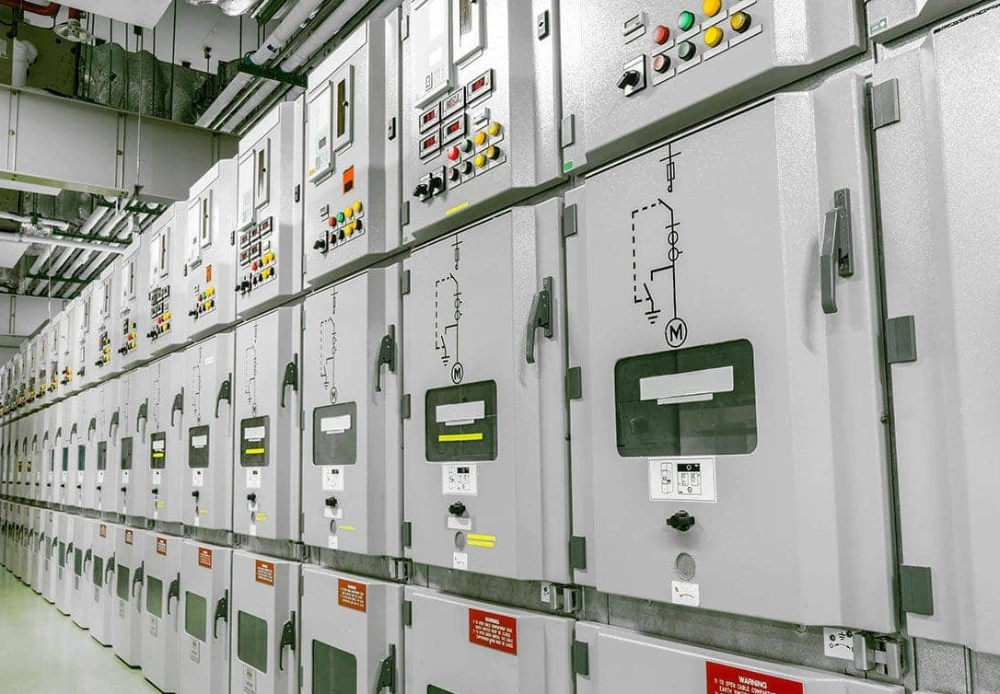
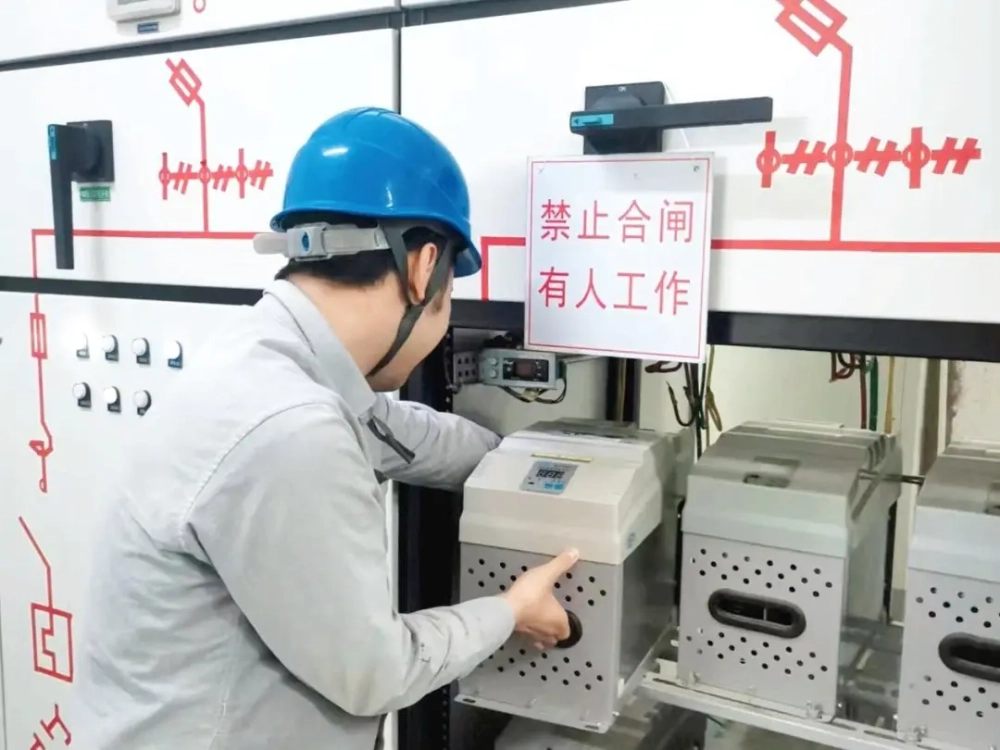
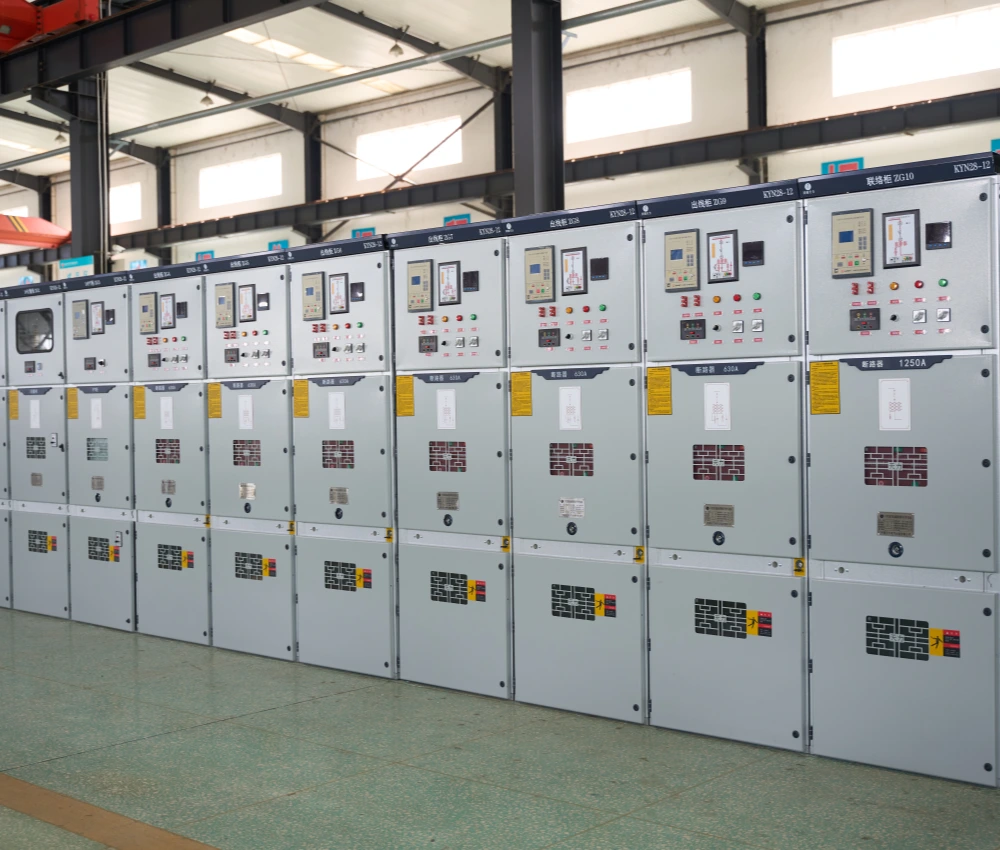
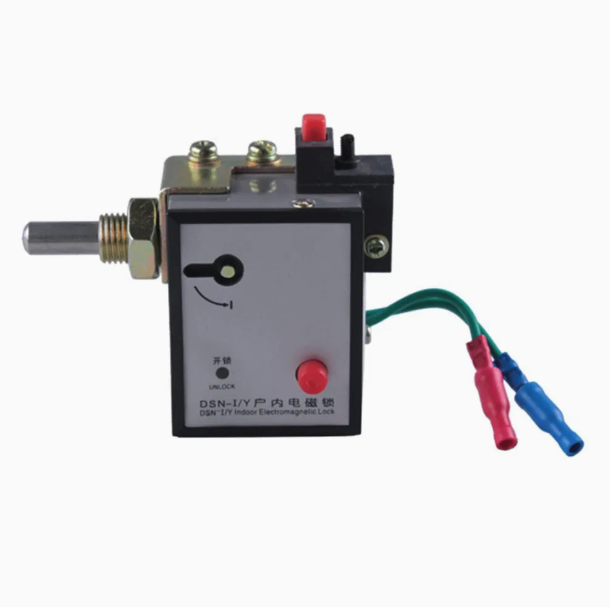
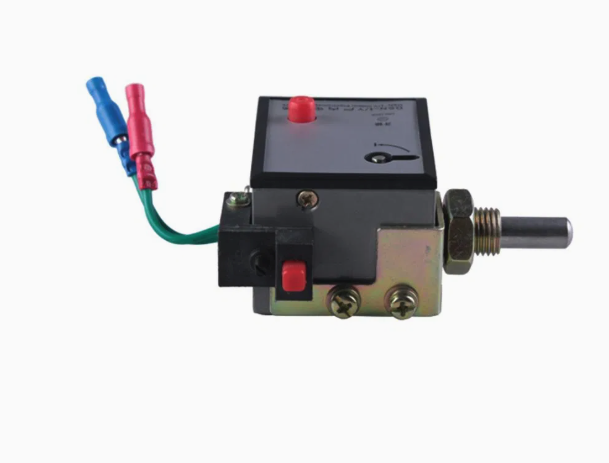
High voltage panels operate under extreme electrical stress daily. Maintenance personnel face severe risks during routine system checks. A sudden arc flash can cause fatal injuries within milliseconds. For this reason, modern substations require robust physical barrier systems. Installing a heavy-duty Electromagnetic Lock prevents accidental cabinet door opening. This safety device ensures that doors remain shut during active current flow. Operators cannot bypass the enclosure until the system is completely de-energized. Such automated integration reduces human error to nearly zero. Consequently, industrial facilities protect both human life and expensive electrical assets. Adhering to these strict safety protocols is vital for modern energy distribution networks. Robust physical barriers are now standard equipment worldwide.
The Critical Physics of Arc Flash Hazards in High Voltage Systems
Electrical arc flashes generate temperatures hotter than the surface of the sun. These events vaporize copper components instantly. Massive pressure waves destroy nearby metal enclosures and damage building structures. Human operators standing close to the panel face permanent injury. To prevent these disasters, physical key interlocks enforce correct operational sequences. Integrating the KBST Locking Solenoid into the breaker mechanism ensures absolute safety. This robust locking component restricts key release until the line is fully grounded. Mechanical blockages physically prevent the insertion of racking handles. Therefore, technicians cannot access energized busbars by mistake. Implementing this dual-stage security system drastically lowers overall workplace danger. Engineering teams must prioritize these heavy-duty mechanical safety features.
Technical Operation of an Electromagnetic Lock in Substation Safety
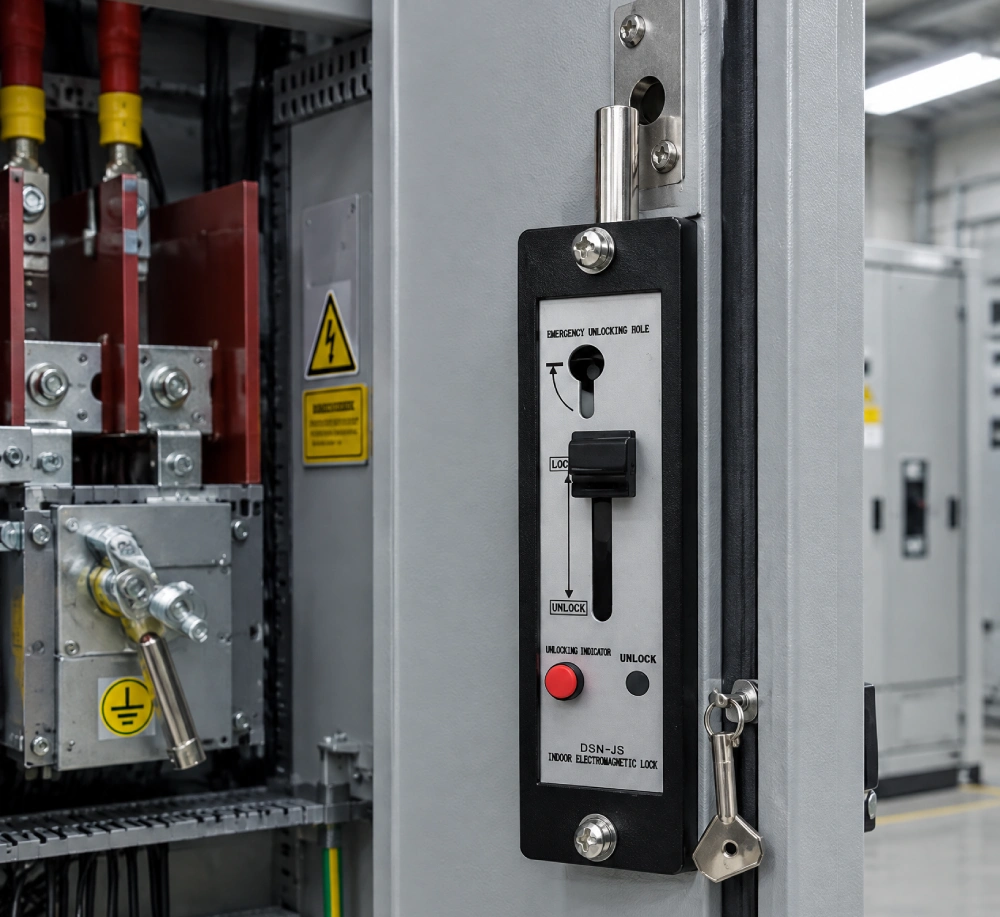
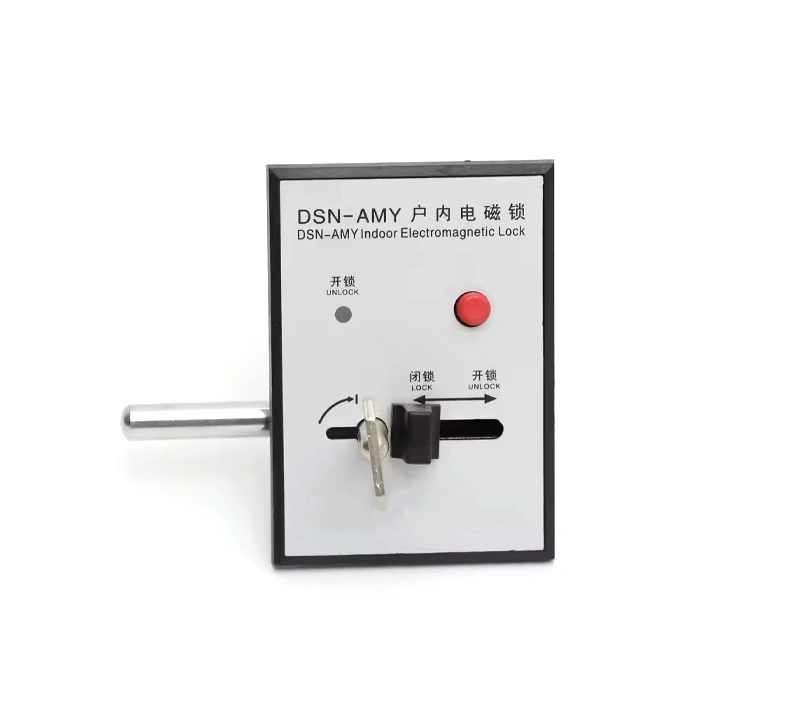
Magnetic safety mechanisms utilize heavy duty electric current to generate immense holding force. When energized, the internal coil attracts a thick steel armature plate. This action locks the cabinet door with several thousand Newtons of strength. Only a specific control signal can interrupt the electrical supply. Once power drops, the system releases the lock mechanism instantly. Such design ensures fail-safe operation during critical emergency power cuts. Modern power grids connect these systems directly to active voltage sensors. If sensor probes detect even a tiny charge, the door remains shut. Authorized engineers monitor these states via status indicator lights on the panel. These feedback loops eliminate guesswork during dangerous switchgear maintenance tasks. Reliable control systems are necessary for everyday industrial operations.
Key Interlocking Standards and Regulatory Compliance
| Standard Organization | Standard Number | Safety Interlock Requirements |
|---|---|---|
| IEC | IEC 62271-200 | Mandates physical interlocks to prevent unauthorized enclosure access during operation. |
| IEEE | IEEE C37.20.2 | Requires safe mechanism locking during circuit breaker racking procedures. |
| GB | GB 3906 | Specifies rigorous five-defense interlocking measures for metal-enclosed switchgear. |
Compliance with these international standards protects manufacturers from major safety liabilities. Regulatory frameworks dictate that physical barriers must resist deliberate bypass attempts. Engineers design switchgear cabinets to satisfy these precise specifications. Testing agencies verify that the physical locks withstand extreme pressure during arc events. Failure to meet these global standards results in expensive recall actions. Furthermore, utility companies refuse to purchase non-compliant power hardware. Implementing standardized interlocking systems ensures that your hardware integrates seamlessly into global grids. Safety remains the absolute priority for high voltage infrastructure planning. Certified components guarantee that equipment functions safely under volatile operational loads. Investing in high quality security parts ultimately protects both workers and corporate reputations.
Physical Locking System Specifications and Environment Metrics
| Operating Parameter | Standard Range | Critical Operational Impact |
|---|---|---|
| Holding Force | 2000N to 5000N | Prevents manual door forcing during pressure build-ups. |
| Rated Voltage | AC/DC 110V - 220V | Ensures seamless compatibility with standard substation battery banks. |
| Duty Cycle | 100% Continuous | Guarantees constant locking reliability without thermal degradation. |
| Protection Rating | IP40 to IP65 | Resists dust accumulation and moisture ingress in harsh environments. |
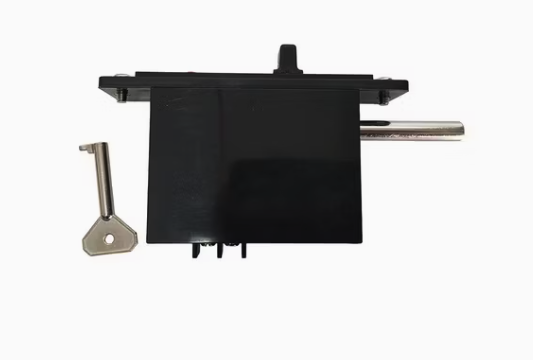
Selecting the correct operating parameters ensures long-term reliability in utility environments. High voltage substations frequently experience high ambient dust and extreme temperature swings. If a lock coil overheats, the entire security system might fail. Continuous duty cycles prevent magnetic decay under prolonged active states.
- Solenoid Core: The internal electromagnet that translates current into mechanical pull force.
- Armature Assembly: A precision-machined heavy steel plate that mates with the magnetic core.
- Microswitch Contacts: Auxiliary feedback circuits that transmit lock status to SCADA systems.
- Emergency Release Pin: A manual mechanical override designed for rare emergency extraction.
- Internal Return Springs: Mechanical elements that immediately disengage the mechanism when power drops.
Cost-Benefit Analysis of Prevention Versus Post-Accident Liability
Industrial plant managers must balance hardware acquisition costs against massive liability claims. A single switchgear accident leads to prolonged downtime and regulatory fines. Lawsuits from injured personnel easily exceed the cost of panel safety equipment. Installing a reliable Electromagnetic Lock provides an affordable insurance policy for utilities. These systems operate continuously with minimal power draw and low wear. Consequently, the initial investment pays for itself within a short operating period. Insurance companies offer lower premiums to facilities with advanced physical safety interlocks. Protecting substation operators remains a primary moral duty for modern corporations. Making key investments in safety systems guarantees long-term commercial success. Every energy facility should audit their current panel locking arrangements today.
FAQ
How does a power failure affect the safety interlocking system?
Power failure behavior depends on the chosen lock style. Most high voltage systems utilize fail-secure hardware for entry doors. This means the Electromagnetic Lock remains firmly closed if control power fails. Technicians must use a physical bypass key during power cuts. Conversely, fail-safe locks release automatically when current stops flowing. These are ideal for emergency escape doors rather than switchgear enclosures. Substation engineers configure physical lock states to align with specific safety protocols. Using dual-redundant power backup units prevents unwanted lock release during unexpected grid disturbances. Consistent security remains maintained under all power states.
Can physical locks integrate with existing SCADA infrastructure?
Modern substation control structures readily support integration with digital lock hardware. Auxiliary microswitches inside an Electromagnetic Lock send continuous status reports to the control room. Dispatchers monitor real-time door positions on their SCADA screens. If someone opens a door unauthorized, the system sounds an instant alarm. This feedback loop prevents security breaches across distant remote substations. Operators can also trigger remote lock release sequences via encrypted signals. Combining physical locks with SCADA systems creates a highly reliable defense network. Intelligent automation reduces manual safety checks and streamlines routine daily workflow procedures.
What routine maintenance do magnetic locks require?
Magnetic locks require very little regular upkeep compared to purely mechanical locks. Maintenance teams should clean the magnetic poles twice a year using a soft cloth. Dirt buildup on contact surfaces reduces the magnetic holding force. Technicians must also check mounting bolts for loose fittings caused by high vibration. Measuring the electrical coil resistance helps identify thermal degradation before issues arise. Testing the auxiliary microswitch function ensures that SCADA reporting remains highly accurate. Following these simple steps guarantees maximum reliability and safety inside critical substation buildings. Consistent care prevents accidental lock failures and protects active equipment.