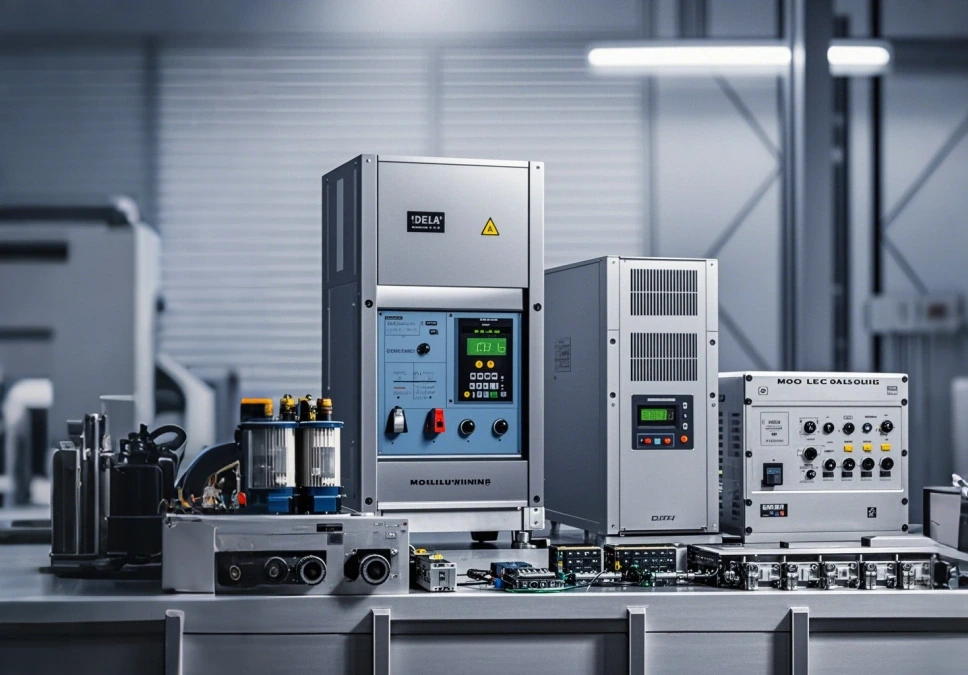
What Makes A High Voltage Switchgear Lock Factory Reliable?
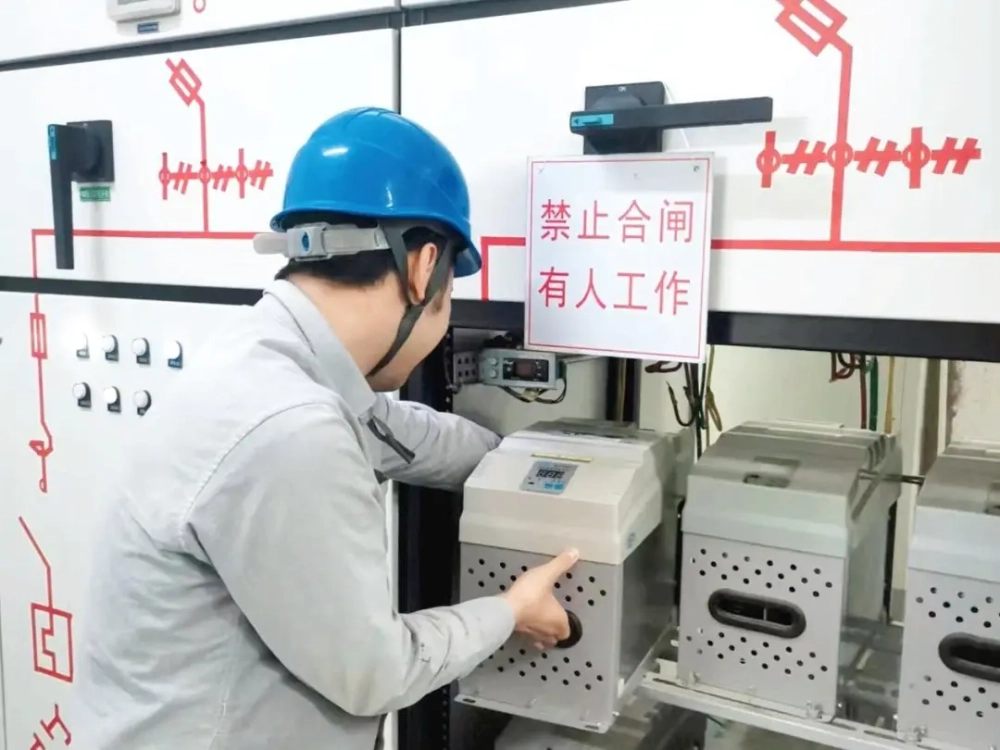
Precision in a digital temperature and humidity controller depends on metrological standards, sensor drift, and annual calibration.
High voltage electrical systems require secure mechanical protection to maintain operational safety. A High Voltage Switchgear Lock Factory must provide products that support reliable equipment operation in demanding environments. Switchgear locks prevent unauthorized access and help maintain correct operating procedures. Industrial buyers usually evaluate suppliers through manufacturing stability, material quality, and technical capability. Reliable production requires precise engineering because switchgear cabinets often operate under vibration, temperature changes, and long service cycles. Professional manufacturers combine experienced teams with advanced production methods. They also maintain strict inspection procedures to reduce product failures. A dependable supplier focuses on consistent performance instead of short-term production goals. This approach supports safer electrical installations and creates stronger cooperation with international customers.
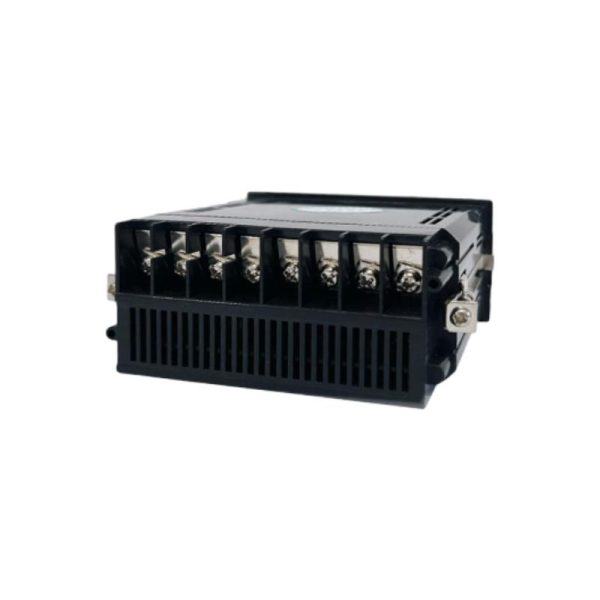
Manufacturing Capability Determines High Voltage Switchgear Lock Factory Reliability
Manufacturing strength directly affects the performance of industrial locking components. A High Voltage Switchgear Lock Factory needs advanced equipment, skilled operators, and efficient production management. Precision machining creates accurate lock components with stable dimensions. Modern factories often use CNC machines, automated assembly equipment, and professional testing tools. These systems improve repeatability during large-volume production. Production teams also control every stage from raw material preparation to final inspection. Effective manufacturing processes reduce defects and improve delivery reliability. Buyers should evaluate factory capacity because unstable production can create project delays. Suppliers with strong technical resources can handle different switchgear designs and changing customer requirements. Reliable manufacturing creates a foundation for long-term industrial partnerships.
Material Selection And Engineering Design For Switchgear Lock Production
Material performance determines the durability of switchgear locking systems. Industrial locks usually require strong materials that resist corrosion, impact, and environmental stress. Stainless steel provides excellent corrosion resistance for outdoor or humid locations. Zinc alloy offers good strength and supports complex casting designs. Aluminum alloy provides lightweight structures with suitable mechanical performance. Engineers also consider surface treatments such as electroplating and powder coating. These processes improve protection against oxidation and wear. Product structures include lock bodies, cylinders, mounting plates, and connecting parts. Each component requires accurate design to ensure smooth operation. Experienced manufacturers analyze installation conditions before selecting materials. Proper engineering improves service life and reduces maintenance frequency in electrical applications.
| Material | Main Feature | Typical Application |
|---|---|---|
| Stainless Steel | High corrosion resistance and strong durability | Outdoor switchgear cabinets |
| Zinc Alloy | Good strength with flexible forming options | Industrial control equipment |
| Aluminum Alloy | Lightweight and resistant to environmental conditions | Special cabinet structures |
Quality Control Systems Improve Industrial Lock Performance
Quality management determines whether locking products can perform consistently during long-term operation. Reliable manufacturers establish inspection procedures throughout production. Incoming materials receive verification before processing begins. Precision measurement tools check component dimensions during machining. Assembly teams test movement accuracy and connection stability. Finished products receive durability evaluations before shipment. Many industrial buyers request inspection records and quality documentation before cooperation. These records demonstrate production transparency and technical responsibility. A professional supplier also analyzes production problems and improves processes continuously. Quality control is not limited to final inspection because prevention creates better results. Strong management systems help maintain product consistency across different manufacturing batches.
| Inspection Stage | Testing Method | Quality Purpose |
|---|---|---|
| Raw Material Check | Material verification and surface inspection | Confirm basic product reliability |
| Component Inspection | Dimension measurement and tolerance testing | Maintain assembly accuracy |
| Final Testing | Function and durability evaluation | Ensure stable operation |
Customized Solutions Support Different Switchgear Requirements
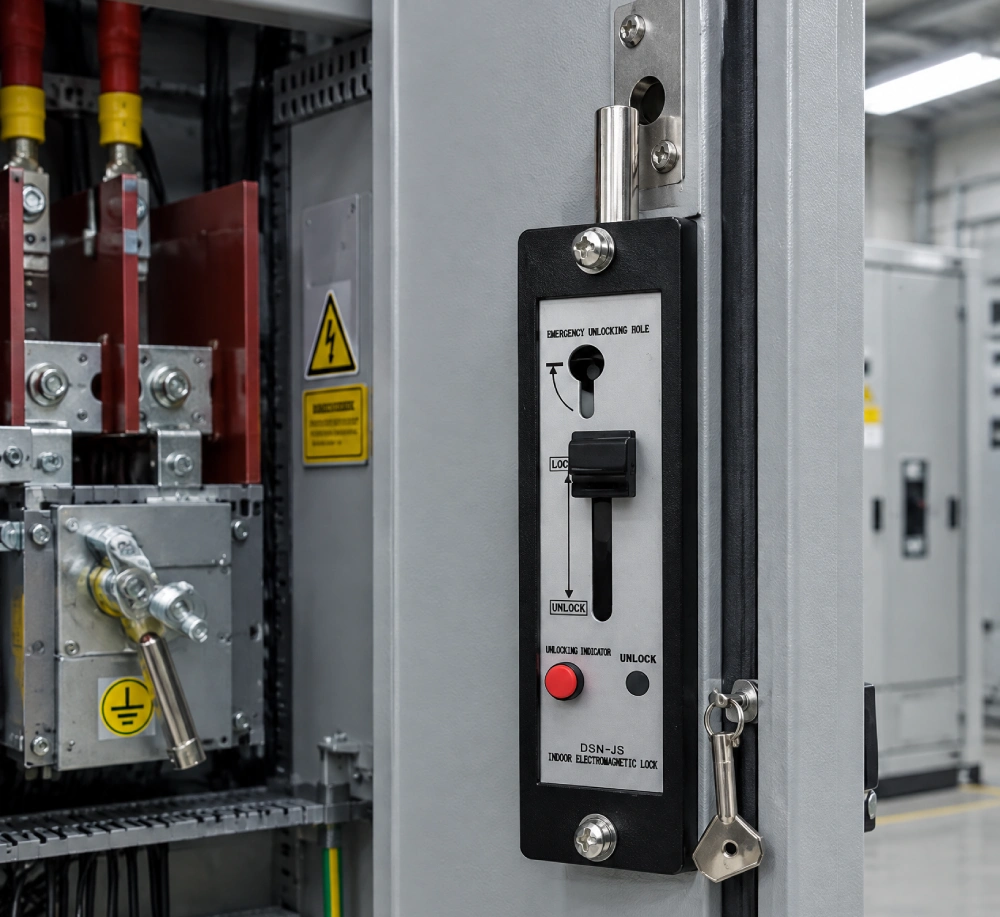
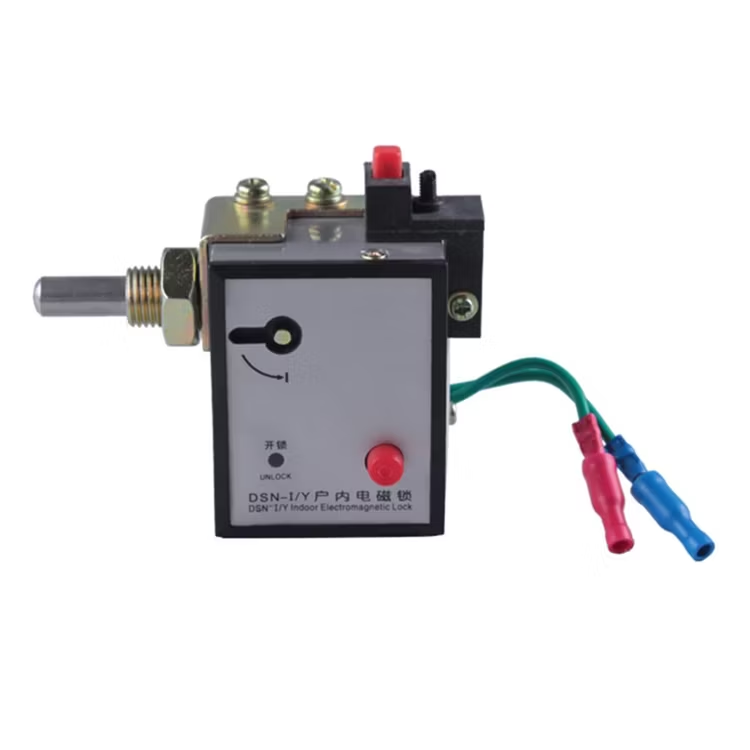
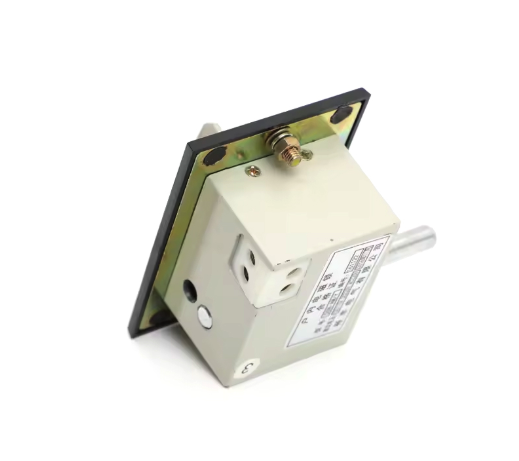
Different electrical projects require different locking structures and installation methods. Suppliers with customization capability can adjust designs according to cabinet dimensions and operating conditions. OEM services allow customers to develop products with specific technical requirements. ODM cooperation helps buyers receive complete solutions from design development to production delivery. For example, DSN J Indoor Electromagnetic Lock Grounding Switch represents a specialized component designed for indoor electrical applications. Such products require accurate structure matching and reliable operating performance. Manufacturers need engineering teams that can modify dimensions, materials, and connection methods. Custom solutions help customers improve equipment compatibility and reduce installation difficulties. Flexible production capability creates advantages for companies managing various switchgear projects.
Supplier Evaluation Factors Before Choosing A Switchgear Lock Partner
Selecting a reliable supplier requires more than comparing product prices. Industrial buyers should review production experience, technical support, and quality systems. A professional supplier provides clear communication and detailed product information. Companies should evaluate whether manufacturers can support customized orders and maintain stable delivery schedules.
Important evaluation factors include:
- Manufacturing experience and technical capability
- Product consistency across different batches
- Customization support for special applications
- Quality documents and inspection records
- Delivery performance and communication efficiency
A detailed supplier assessment helps reduce project risks. Buyers can identify partners with stronger production control and better service capability. Long-term cooperation becomes easier when suppliers provide stable support during different project stages. Reliable partnerships improve purchasing efficiency and create better results for future electrical equipment demands.
Long Term Cooperation Benefits From Reliable Industrial Lock Manufacturers
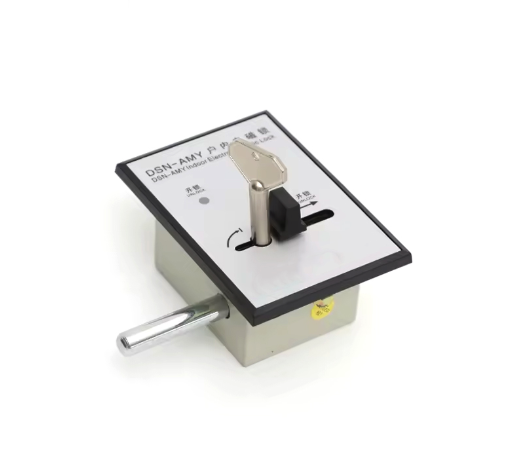
Long-term cooperation provides valuable advantages for industrial customers. Stable suppliers can optimize production processes based on repeated project requirements. They become familiar with customer specifications and improve communication efficiency. Continuous cooperation also helps reduce unnecessary adjustments during future orders. Professional manufacturers invest in technology improvement and quality management to maintain competitiveness. The DSN-JK Active Electromagnetic Lock for Switchgear OEM/ODM solution shows how customized development can support advanced switchgear applications. Strong partnerships allow buyers to receive technical assistance, flexible production support, and improved supply chain stability. Reliable cooperation is especially important for electrical industries because product failures may affect equipment safety and operational efficiency.
Professional Service Capability Strengthens Industrial Supplier Value
Reliable service capability plays an important role in supplier selection for electrical equipment projects. Manufacturers should provide responsive communication, technical assistance, and efficient order management. Industrial customers often require detailed specifications before production begins. Professional teams can review drawings, confirm installation requirements, and suggest suitable solutions. After production, suppliers should provide inspection reports, packaging support, and shipment coordination. These services improve purchasing efficiency and reduce possible project delays. A strong service system also reflects the manufacturer’s commitment to customer relationships. Companies that focus on continuous improvement can provide better support for future product upgrades. Reliable service combined with stable manufacturing creates stronger value for international buyers seeking dependable switchgear components.
Technical Documentation Supports Reliable Electrical Equipment Projects
Technical documentation is another important factor when evaluating industrial suppliers. Detailed documents help customers verify product specifications and application compatibility. Manufacturers should provide drawings, material information, testing records, and installation instructions when required. Clear documentation supports engineering teams during project planning and maintenance operations. It also improves communication between suppliers and customers from different regions. A professional factory maintains accurate records for production batches and quality inspections. These records help identify potential issues and improve future manufacturing processes. Transparent documentation demonstrates technical responsibility and increases buyer confidence. Suppliers with complete technical support are better prepared for complex electrical projects that require stable performance and long-term reliability.
Choosing The Right Partner For Switchgear Lock Applications
Industrial buyers should consider multiple factors before selecting a supplier for switchgear locking solutions. Product quality, engineering capability, customization service, and production management all influence final decisions. Low prices may appear attractive, but unstable quality can increase maintenance costs and project risks. A reliable manufacturer focuses on balanced value through consistent performance and professional support. Companies should review supplier experience with similar applications and evaluate their ability to manage special requirements. Strong cooperation depends on transparent communication and continuous improvement. When suppliers provide dependable products and technical assistance, customers can achieve better project efficiency. Careful evaluation helps companies build stable supply relationships and maintain reliable electrical system performance.