Why Is Customization Important For Indoor Switchgear Locks?
Custom indoor switchgear locks improve fit, security, access control, durability, and installation flexibility for electrical cabinets.
Why Custom Indoor Switchgear Locks Matter for Specialized Cabinets
Custom indoor switchgear locks provide a closer fit for specialized electrical cabinet designs. Indoor switchgear often uses different panel thicknesses, door structures, and locking positions. Standard locks may not match these mechanical conditions precisely. Poor alignment can create excessive operating force or unreliable door closure. Custom designs allow engineers to specify dimensions according to the actual cabinet structure. Lock body depth, mounting holes, cam length, and rotation angle can receive precise adjustments. Material selection can also match expected operating conditions and maintenance requirements. Such flexibility supports reliable access control without forcing cabinet designers to modify established structures. For manufacturers, this approach also helps maintain consistent installation methods across different product series. Buyers therefore gain greater control over mechanical compatibility, operational reliability, and long-term maintenance.
Cabinet Structure Determines the Required Lock Configuration
Every switchgear cabinet creates different mechanical demands for its locking hardware. Door thickness directly affects the required spindle or fastening length. Frame geometry also determines how much installation space remains behind the panel. Some cabinets require compact lock bodies because internal components occupy nearby areas. Others need extended cams to reach reinforced locking points. Hinged doors may also create different movement paths during opening and closing. These factors make dimensional compatibility a primary selection criterion. Engineers should verify the mounting hole diameter, center distance, lock body depth, cam position, and available clearance before production. Door deformation can also influence locking performance when cabinets experience repeated operation. A correctly configured lock should close smoothly without excessive force. It should also maintain sufficient engagement after repeated cycles.
How Custom Indoor Switchgear Locks Improve Installation Accuracy
Custom indoor switchgear locks can reduce installation problems by matching the cabinet's actual dimensions. Accurate mounting positions help prevent unnecessary drilling or structural modifications during assembly. Correct spindle lengths also reduce excessive movement between the handle and locking mechanism. Meanwhile, properly selected cams can provide stable engagement with the cabinet frame. Engineers should consider dimensional tolerances rather than relying only on nominal measurements. Even small deviations can affect rotation, compression, and door alignment. Production drawings should therefore define critical dimensions before machining begins. Sample approval provides another useful checkpoint before mass production. During this stage, technicians can verify installation clearance and operating force directly on representative panels. Such validation helps identify mechanical conflicts before large quantities enter production. The result is a smoother assembly process with fewer adjustment requirements.
Material Selection Influences Mechanical Performance
Material selection affects strength, corrosion resistance, wear behavior, and service life. Stainless steel offers strong corrosion resistance and performs well where frequent handling occurs. Zinc alloy can provide complex shapes with efficient casting characteristics and suitable mechanical strength. Carbon steel offers high structural strength when designers require robust locking components. Surface treatment adds another performance layer by improving wear resistance and environmental protection. Nickel plating, chrome plating, powder coating, and electrophoretic coatings each provide different characteristics. Engineers should also consider the material used for cams, shafts, springs, and fasteners. These components experience different loads during repeated locking cycles. Dissimilar metals may require additional attention because galvanic corrosion can occur under certain conditions. Selecting materials according to actual cabinet conditions creates a more balanced solution. Cost should remain important, but mechanical reliability should drive the final material decision.
Access Control Requirements Affect Lock Design
Different electrical cabinets require different levels of access control. Some installations need simple mechanical keys for routine maintenance personnel. Others may require restricted key systems that limit unauthorized cabinet access. Lock rotation direction also affects operator convenience and compatibility with existing mechanisms. Compression locks can provide additional door pressure when sealing or vibration resistance matters. Quarter-turn designs can support fast access during scheduled maintenance. Cam locks may offer flexible engagement positions for different cabinet frames. Key removal positions can also influence operating procedures and access management. Buyers should define whether the lock supports single-key or keyed-different configurations. They should also specify the required number of locking positions. These details should appear in technical drawings before production begins. Clear requirements prevent mismatched components and reduce changes during assembly. Good lock design should support both security requirements and practical maintenance access.
Key Parameters for Custom Indoor Switchgear Locks
Selecting custom indoor switchgear locks requires more than choosing a suitable exterior shape. Engineers should document every critical mechanical and functional parameter before requesting production samples. The following specifications provide a practical starting point:
- Lock body dimensions and mounting configuration
- Panel thickness and mounting hole diameter
- Cam length, width, thickness, and rotation direction
- Required locking position and engagement depth
- Keying arrangement and key removal position
- Surface treatment and material requirements
- Required operating force and expected cycle frequency
These parameters work together rather than functioning as isolated specifications. For example, panel thickness affects spindle length, while cam geometry determines engagement with the cabinet frame. Installation clearance can also limit the available lock body size.
Therefore, suppliers should review the complete mechanical interface before confirming production. A detailed drawing provides a reliable reference for both engineering approval and quality inspection.
How Lock Specifications Influence Cabinet Protection
A properly selected lock contributes to stable cabinet closure and controlled access. Mechanical engagement must remain sufficient when operators close the door repeatedly. Insufficient cam depth may allow movement between the door and frame. Excessive engagement can increase operating force and accelerate component wear. Compression requirements also matter when cabinet doors use gaskets or sealing strips. Excessive pressure can damage seals or make routine access difficult. Insufficient pressure may reduce the intended contact between the door and frame. Lock placement should therefore match the structural strength of the surrounding panel. Reinforced areas often provide better support for repeated locking loads. Engineers should also consider vibration caused by nearby equipment. A stable locking interface helps prevent unwanted movement during normal cabinet operation. However, the lock itself should not be treated as the sole factor controlling cabinet protection.
Customization and Mechanical Safety Requirements
Switchgear access often involves safety procedures that depend on cabinet configuration. Locking hardware may support controlled access, but its function must match the overall mechanical system. Designers should distinguish ordinary cabinet locks from dedicated electrical interlocking mechanisms. A basic lock may prevent unauthorized door opening without controlling equipment operation. Dedicated interlocks can instead coordinate access with specific operating conditions. The physical position of the cam or tongue can influence how the cabinet door interacts with related mechanisms. Engineers should therefore review the complete door and locking assembly. Clearances around handles and adjacent components also require verification. Maintenance personnel need sufficient space to operate the lock without contacting energized equipment areas. Mechanical design should always complement the cabinet's established safety procedures. Proper coordination reduces the risk of installing a lock that fits physically but fails to support the intended access sequence.
Tolerance Control Supports Reliable Lock Production
Dimensional tolerance becomes especially important when locks interact with metal cabinet panels. A mounting hole that exceeds its specified diameter can create unwanted movement. Conversely, an undersized hole may prevent correct installation. Cam alignment also requires controlled tolerances because even minor positional errors can affect engagement. Manufacturers should identify critical dimensions and apply suitable inspection methods. Coordinate measurement, calipers, gauges, and functional fixtures can support different inspection stages. First samples should receive detailed checks before batch production starts. Functional testing should also confirm smooth rotation, secure engagement, and consistent release. Quality teams can then compare production samples against approved drawings and reference units. Such controls help maintain consistency across larger orders. Buyers should request documented inspection criteria when dimensions directly affect cabinet assembly. Reliable tolerance control ultimately supports predictable installation and repeatable product performance.
Comparing Standard and Customized Locking Solutions
The choice between standard and customized hardware depends on cabinet complexity, production volume, and installation requirements. Standard products can work efficiently when cabinet dimensions follow common interfaces. Custom solutions become more valuable when unusual dimensions or specialized access requirements exist.
| Factor | Standard Lock | Customized Lock |
|---|---|---|
| Panel Compatibility | Depends on existing dimensions | Designed for specified dimensions |
| Mounting Adjustment | May require cabinet modification | Can match existing mounting points |
| Cam Configuration | Limited standard options | Can follow required geometry |
| Material Selection | Usually predefined | Can match application requirements |
| Design Flexibility | Limited | High |
The comparison shows why customization can provide practical advantages for specialized cabinets. Standard hardware remains useful when existing dimensions already match the selected product. However, modifying a cabinet to accommodate a lock can introduce additional machining and assembly work. Customized hardware can instead follow established cabinet dimensions from the beginning. This approach can preserve the original panel design and reduce unnecessary structural changes. Buyers should compare the complete installation cost rather than focusing only on the initial unit price.
Supplier Evaluation and Long-Term Product Consistency
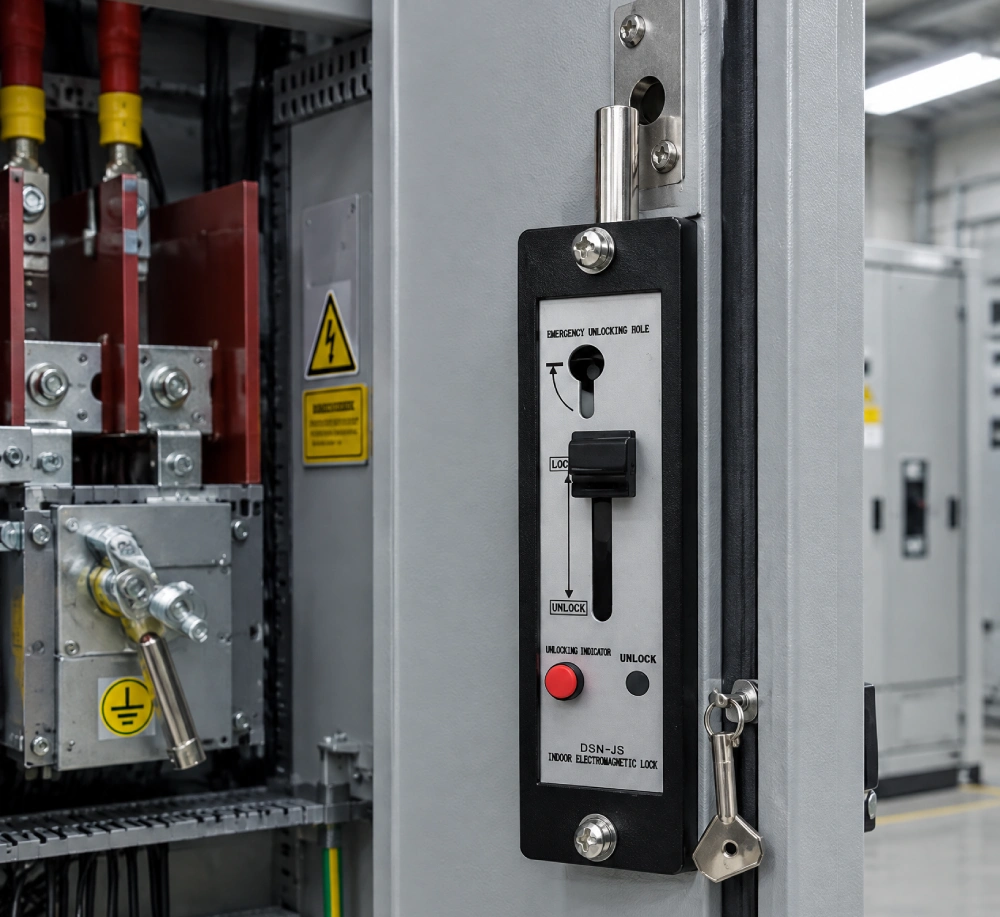
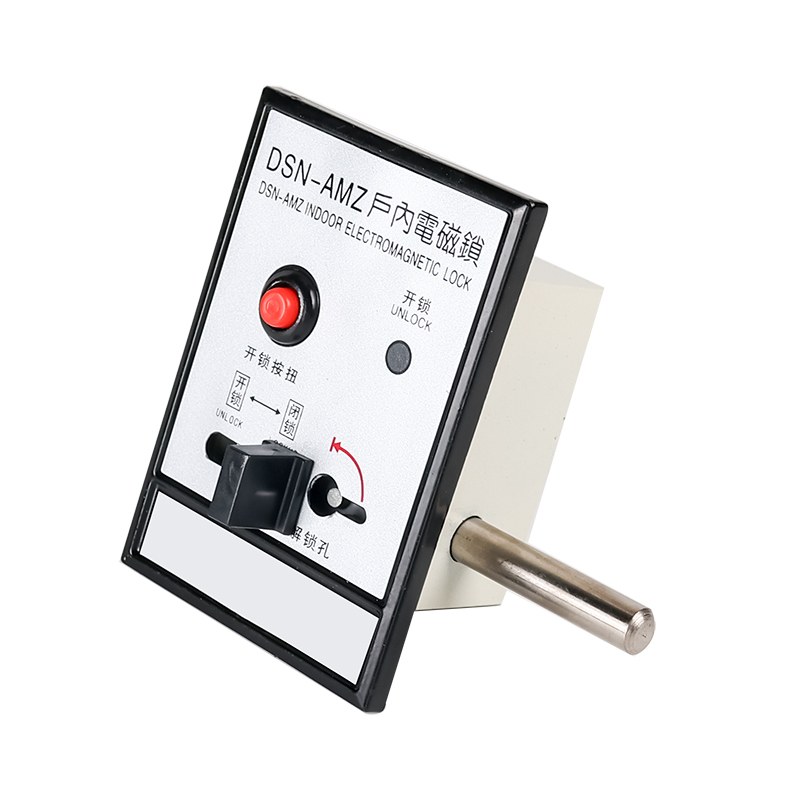
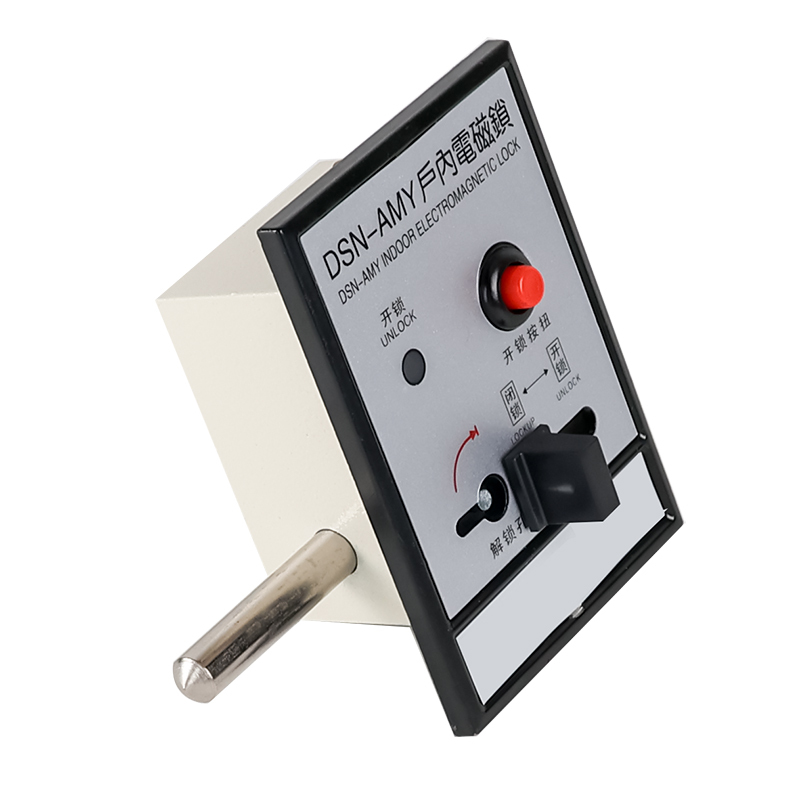
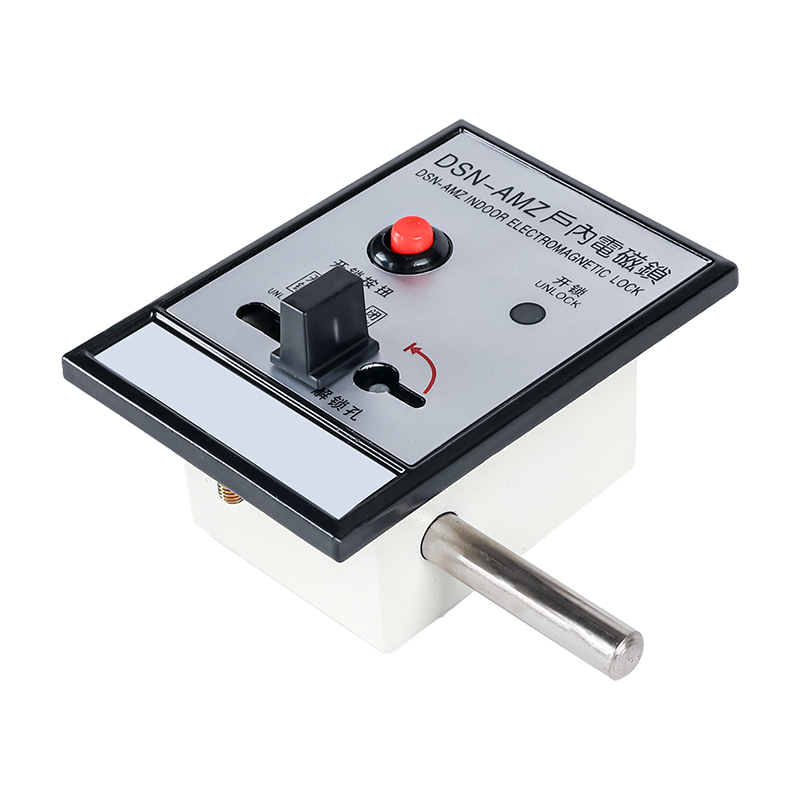
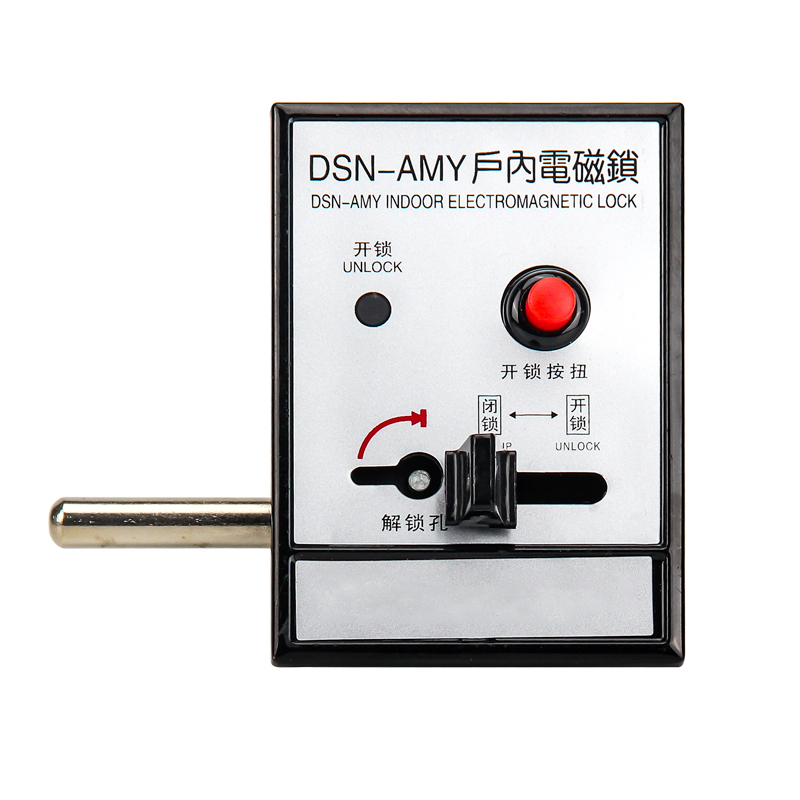
Supplier capability plays an important role when customized locking hardware becomes part of a product series. Engineering teams should evaluate drawing support, prototype development, dimensional inspection, and production consistency. Communication should cover every critical parameter before tooling or batch production begins. Sample approval should establish a clear reference for later quality checks. Material certificates may also help verify specified alloys or steel grades when documentation matters. Surface treatment should remain consistent because appearance and corrosion resistance can vary between production batches. DSN DM Indoor Electromagnetic Door Lock OEM/ODM can serve applications requiring customized electromagnetic access solutions alongside mechanical cabinet hardware. Buyers should also assess the supplier's ability to maintain identical dimensions across repeat orders. Stable specifications simplify spare-part management and reduce assembly changes. A reliable supplier should support both initial customization and future production continuity. This combination helps transform a custom component into a repeatable cabinet solution.
Why Customization Supports Future Switchgear Product Development
Customization does not always mean creating an entirely new lock for every cabinet. Engineers can establish a modular design platform with shared bodies, mounting interfaces, or keying systems. Only application-specific components may require modification for different cabinet models. This strategy can simplify inventory management while preserving necessary design flexibility. Product families can also share compatible installation procedures across multiple enclosure sizes. When new cabinet models enter production, engineers can evaluate whether existing lock components remain suitable. DSN-JK Active Electromagnetic Lock for Switchgear OEM/ODM represents another option when electromagnetic locking functions become part of a specialized switchgear access system. Careful documentation supports future engineering decisions and reduces repeated development work. Buyers should retain approved drawings, samples, material specifications, and inspection records. These records provide useful references for replacement orders and product revisions. A structured customization strategy therefore supports both current performance and future product expansion.
FAQ
What Factors Should Buyers Specify When Ordering Customized Switchgear Locks?
Buyers should provide complete mechanical and functional specifications before requesting customized locking hardware. Important details include panel thickness, mounting hole dimensions, lock body size, spindle length, cam geometry, rotation direction, and required engagement depth. Material and surface treatment should also match the expected operating environment. Keying requirements deserve attention when different access permissions exist across cabinet groups. Buyers should also state expected operating frequency and any special clearance restrictions around the lock. Providing cabinet drawings and representative panels can further improve engineering accuracy. Prototype testing remains valuable because dimensional compatibility cannot always be confirmed from individual measurements. Clear specifications help suppliers produce suitable samples and reduce later modifications. A complete technical package also creates a reliable reference for quality inspection during repeat production.
Can Customized Switchgear Locks Improve Installation Reliability?
Customized locking hardware can improve installation reliability when its dimensions match the cabinet structure precisely. Correct mounting positions reduce the need for additional drilling or panel modifications. Suitable spindle and cam dimensions also support smoother operation and stronger engagement. Tolerance control becomes important because small dimensional errors can create looseness or excessive operating force. Prototype installation provides a practical way to verify clearance and alignment before batch production. Buyers should test the lock on representative cabinet panels rather than relying only on product drawings. Functional checks should include opening, closing, locking, unlocking, and repeated operation. Consistent inspection during production can then preserve the approved dimensions. These practices help reduce assembly adjustments and improve repeatability across different cabinet batches.
What Makes A High Voltage Switchgear Lock Factory Reliable?
A reliable high voltage switchgear lock factory should combine engineering expertise with consistent manufacturing controls. Experienced engineers can evaluate cabinet structures, locking mechanisms, material requirements, and installation conditions before production. Accurate drawings help define critical dimensions and prevent avoidable assembly problems. Prototype testing also allows buyers to verify fit, locking movement, and mechanical compatibility before larger orders. Quality control should cover raw materials, machining accuracy, surface treatment, assembly, and functional performance. Production equipment and inspection tools should support stable dimensional consistency across different batches. Clear communication is equally important when buyers require custom specifications or design adjustments. Reliable factories should also maintain approved samples and technical records for repeat production. These capabilities help deliver dependable switchgear locking components while reducing quality risks, installation issues, and unnecessary modifications.