What Are Applications of Electromagnetic Interlock Systems?
Secure heavy-duty electrical switchgear with an Electromagnetic Interlock to prevent fatal operator accidents in industrial substations.
Securing Industrial Switchgear with an Electromagnetic Interlock
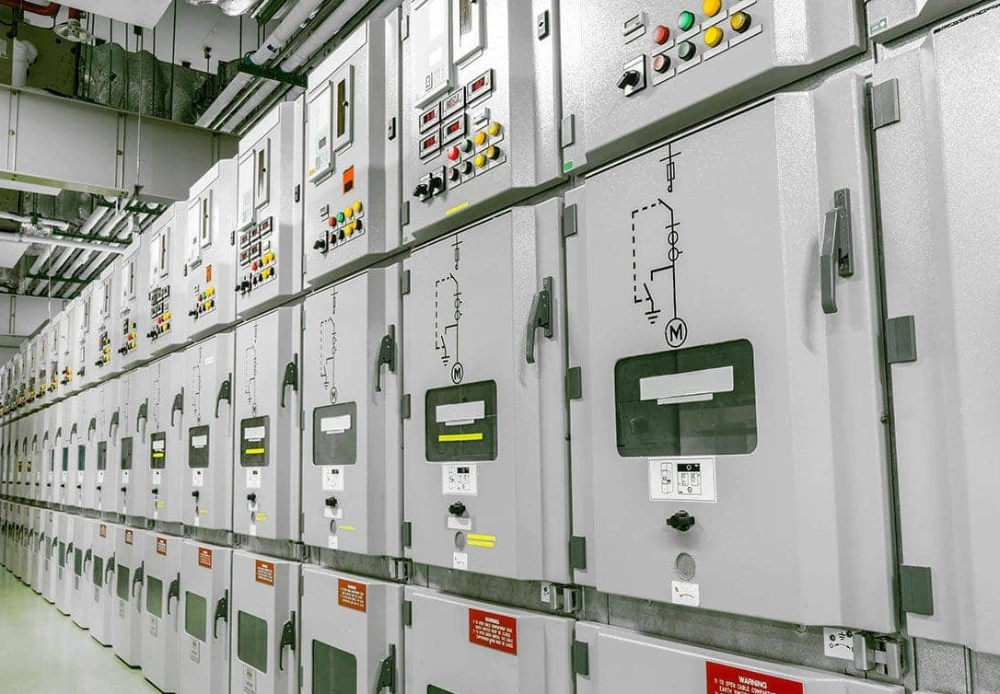
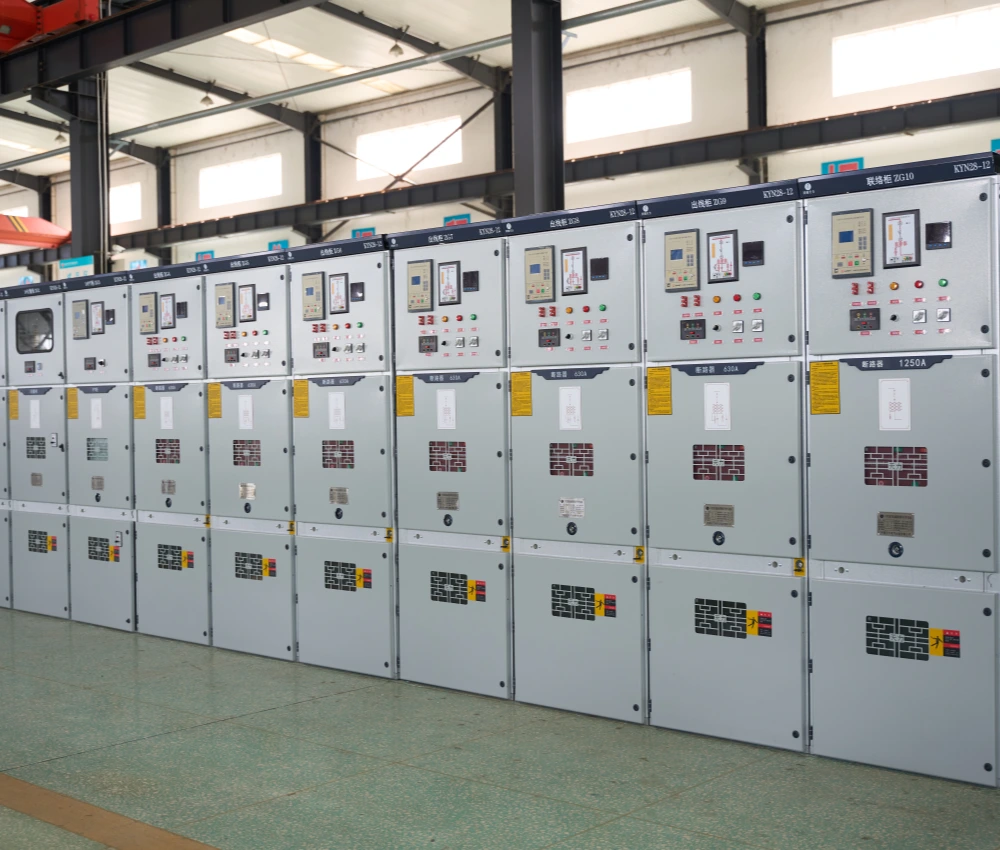
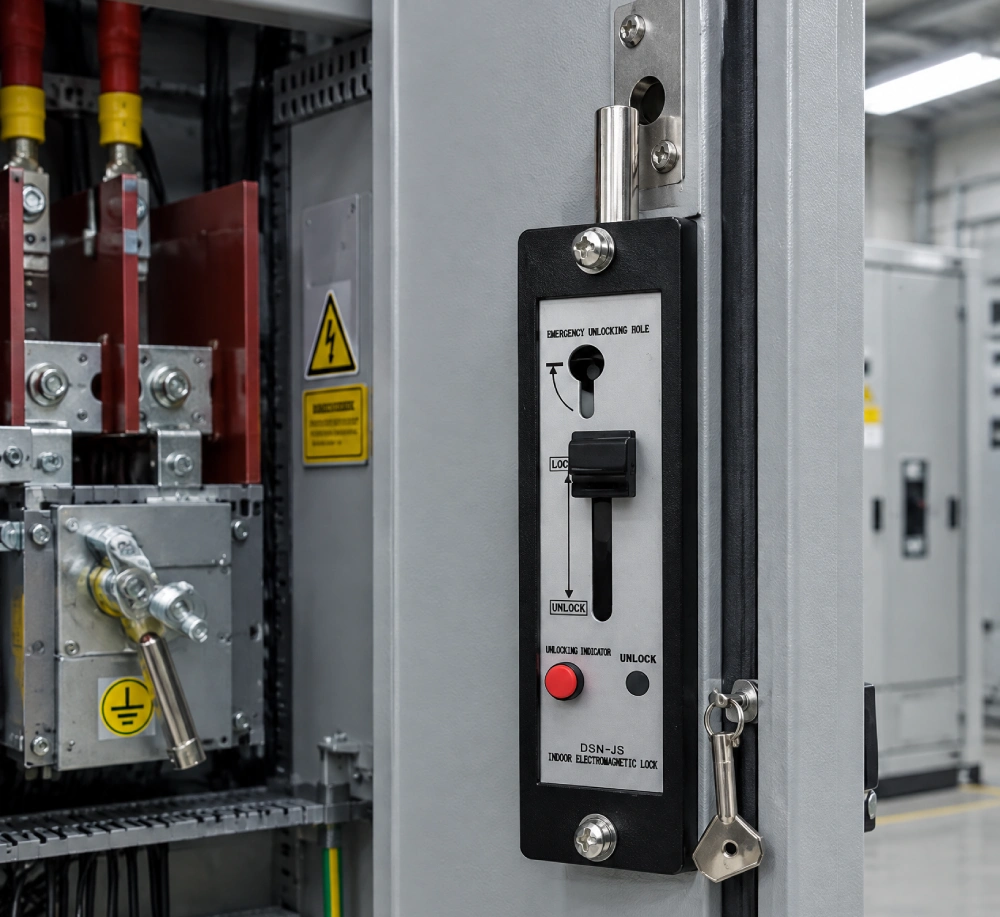
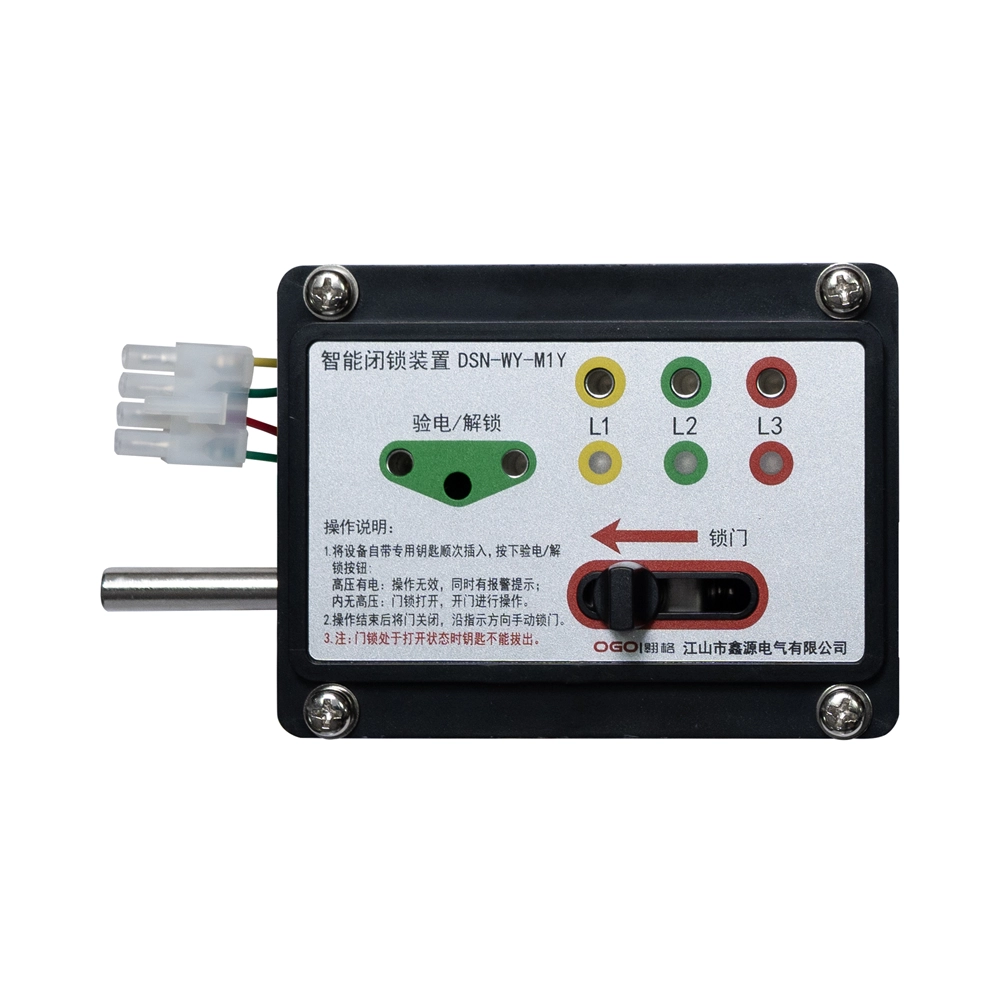
Heavy-duty power grids require robust safety mechanisms to prevent fatal operational accidents. Engineers install protective switchgear to isolate high-voltage currents during routine factory maintenance. Workers face extreme physical danger if they open active electrical cabinets prematurely. An Electromagnetic Interlock provides a reliable mechanical barrier against unauthorized access to live terminals. This specialized hardware restricts access until the electrical circuits reach a completely safe state. Sensors monitor the current levels continuously and send signal feedback to the central console. Operators cannot manually override these physical lockouts without proper system authorization codes. Modern power distribution facilities rely heavily on these integrated locking systems daily. These critical components maintain operational safety standards across complex utility grids worldwide.
Preventative Measures in Medium Voltage Cubicles with Solenoid Locks
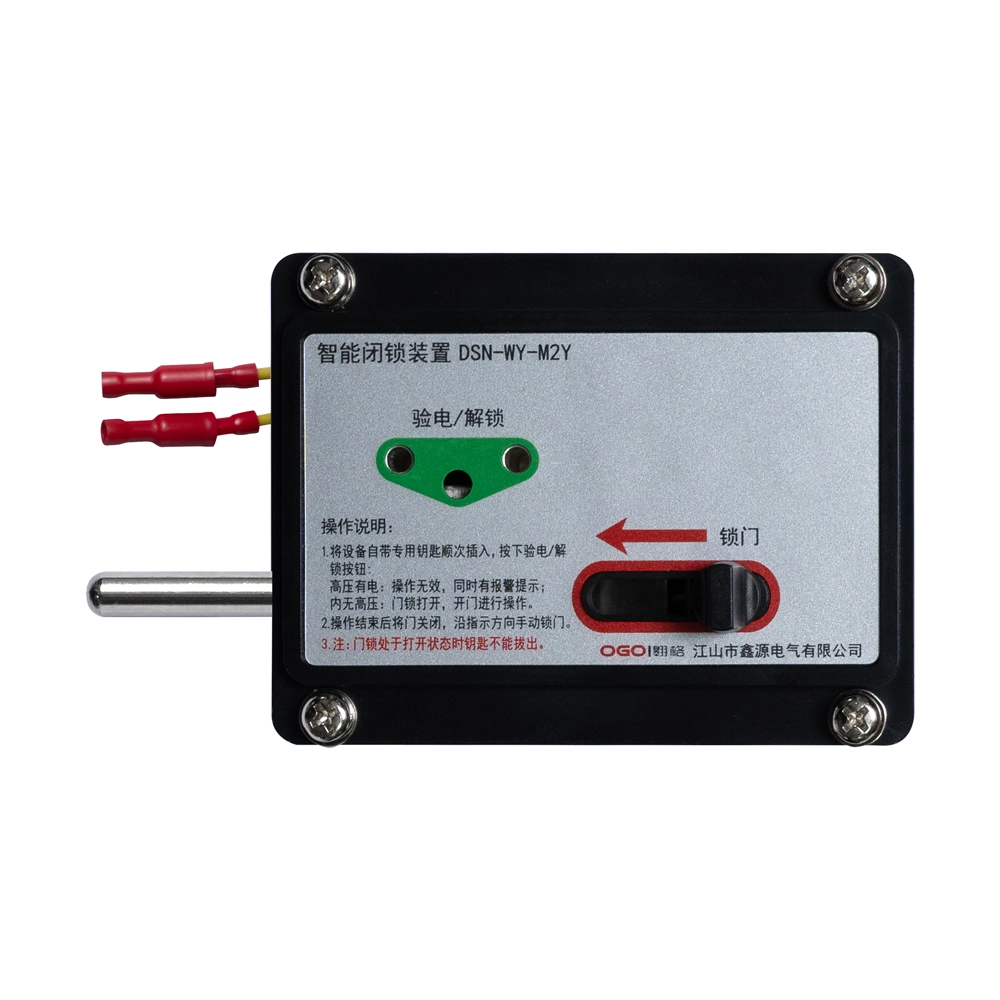
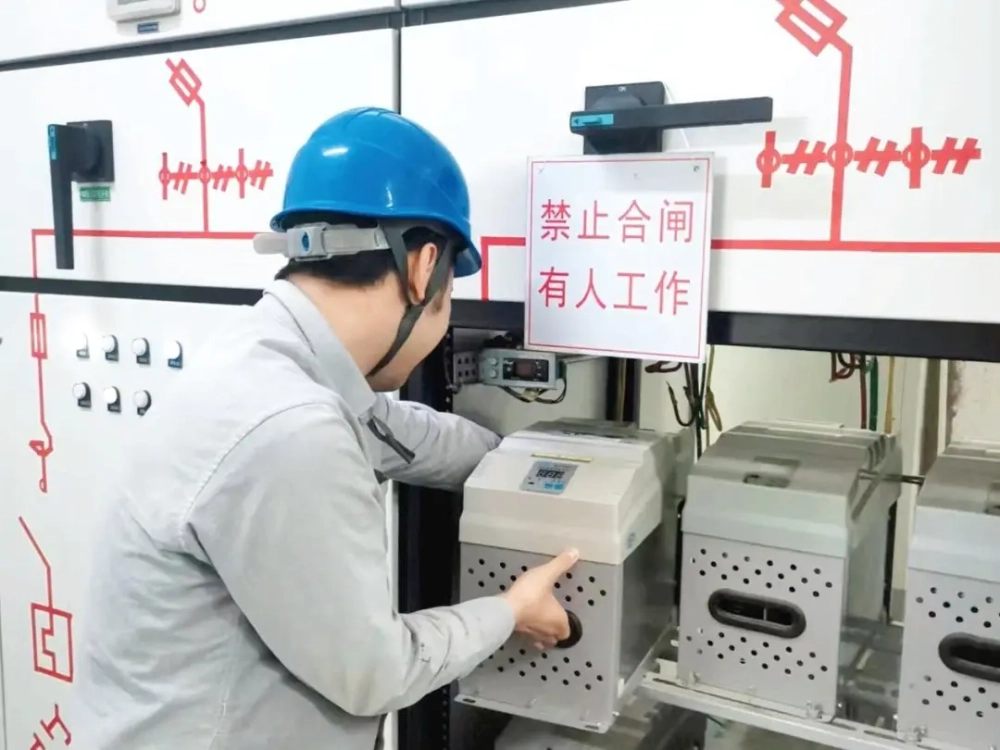
High-voltage distribution cabinets demand specialized safety apparatus to block improper manual switching actions. Safe maintenance routines depend on the physical immobilization of the main power isolation switch. Technicians utilize the KBST Locking Solenoid to secure manual grounding switches in closed positions. This device blocks the physical insertion of the operating handle into the switch socket. The control circuit permits unlocking only when upstream breakers interrupt the electrical load completely. Such electrical validation steps eliminate human error during rapid emergency grid reconfiguration tasks. Robust metal housings shield the internal actuator pins from external dust and moisture. Factory managers reduce overall downtime by installing these highly dependable locking components today. These systems guarantee that operators follow strict step-by-step safety sequences without fail.
Enforcing Safety Protocols in Power Substations with Solenoid Interlocks
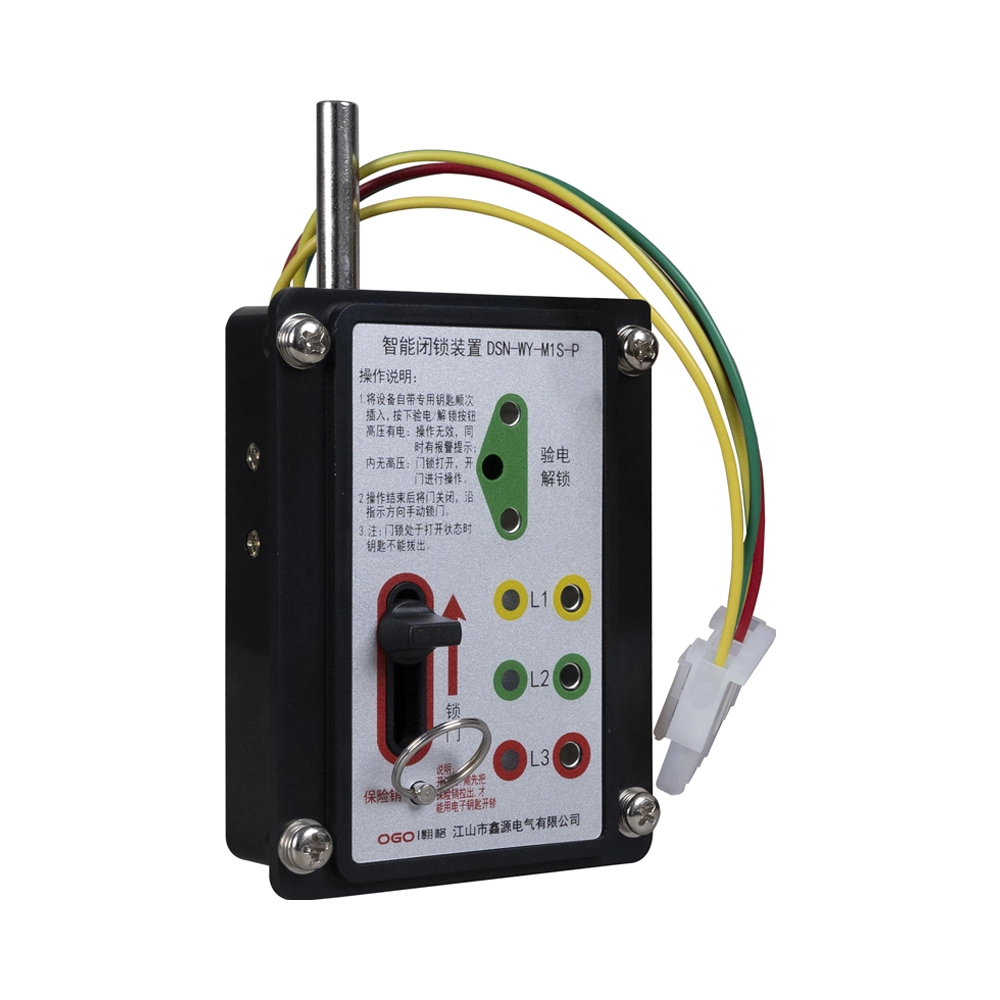
Power plants deploy reliable safety barriers to prevent unauthorized entry into live transformer bays. Steel mesh doors isolate these high-risk areas from regular pedestrian paths within the plant. Maintenance crews install the DSN DM Indoor Electromagnetic Door Lock to control access points. The heavy-duty device utilizes a strong electrical current to hold the door firmly closed. Control systems release the locking mechanism only after verifying complete de-energization of nearby equipment. Operators receive clear visual indications via light-emitting diodes on the front lock panel. These indicators prevent workers from attempting to force the gate open under active load. Integrated auxiliary switches transmit the lock status directly to the remote central control room. This real-time monitoring capability enhances overall plant security and simplifies modern safety audits.
Comparing Lock Specifications for Industrial Environments
| Parameter | Value | Industrial Benefit |
|---|---|---|
| Holding Force | 2000 Newtons | Prevents forced manual bypass |
| Solenoid Voltage | 220 Volts AC | Fits standard utility grids |
| Enclosure Rating | IP65 Rating | Resists dust and water ingress |
Analyzing Mechanical Performance and Operating Limits
Safety engineers must evaluate specific technical parameters when selecting a heavy-duty locking system. The holding force of two thousand Newtons ensures that guards resist extreme physical impacts. Heavy steel doors require this level of mechanical resistance to prevent accidental operator intrusion. An integrated Electromagnetic Interlock must operate reliably under standard industrial electrical configurations. Standardizing on two hundred and twenty volts allows simple integration into existing factory power circuits. Additionally, the IP65 enclosure rating protects the delicate internal electrical coils from environmental damage. Fine dust particles and high-pressure water sprays cannot penetrate this robust protective outer shell. Maintenance teams can deploy these durable units in dirty coal power plants safely. These technical specifications guarantee long operational life cycles in demanding production environments.
Adhering to International Electrical Safety Protocols
| Industrial Standard | Key Focus Area | Compliance Requirement |
|---|---|---|
| ISO 14119 | Interlocking Guarding | Prevents simple defeat methods |
| IEC 60947-5-1 | Control Circuit Devices | Guarantees positive opening contacts |
| EN 60204-1 | Electrical Machinery Safety | Ensures safe voltage levels |
Evaluating Safety Standards and Compliance Data
Industrial electrical hardware must comply with strict international guidelines to protect factory workforces globally. The ISO 14119 standard prevents workers from easily bypassing safety switch mechanisms with simple everyday tools. Furthermore, IEC 60947-5-1 requires positive opening contacts to guarantee electrical disconnection during severe contact welding. Compliance with EN 60204-1 ensures that control circuits isolate power paths reliably during manual maintenance routines. Equipment designers reference these global standards to verify the exact Performance Level of critical switchgear components. This rigorous validation process reduces the risk of expensive workplace liability claims and severe flash injuries. Facility managers inspect safety switches regularly to confirm adherence to current local electrical safety codes. Regular electrical testing maintains system integrity and ensures constant protection against accidental high-voltage arc faults. Ultimately, these strict safety protocols create a highly secure environment for every power plant operator.
Key Operations Utilizing Electromagnetic Interlock Systems
- Substation switchgear panel guarding
- High-voltage transformer enclosure isolation
- Power distribution busbar safety gates
- Industrial generator access doors
Evaluating Factory Environments and Safety Integrations
Heavy industrial facilities contain various dangerous zones that require positive physical separation barriers. Substation panels house massive busbars that carry extremely high voltages during normal operations. Generator enclosures contain rotating machinery and high electrical currents that pose fatal physical hazards. Mechanical keys alone cannot provide sufficient protection against rapid entry into these live areas. Active monitoring systems must coordinate with locking devices to block access during grid operation. Operators deploy advanced safety locks to prevent catastrophic mistakes during critical phase synchronization tasks. These heavy-duty locking units ensure that access remains impossible until the energy dissipates fully. This systematic control path eliminates hazardous situations in high-voltage distribution networks around the clock. Safety engineers recommend these combined electrical locking solutions to maintain secure power plant operations.
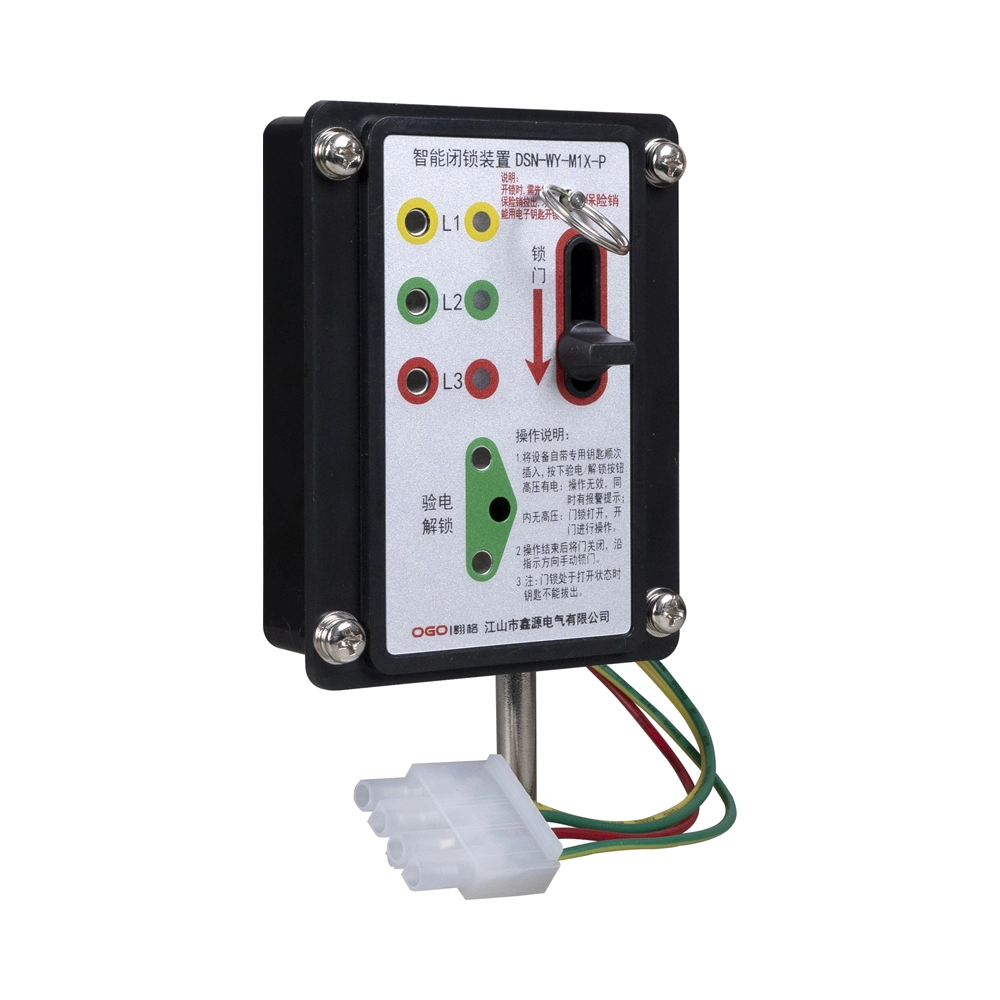
Integrating Safety Components into Industrial Control Panels using Solenoid Safety Switches
Modern electrical cabinets utilize central safety relays to control locking solenoids in dangerous zones. Relays receive real-time telemetry from voltage sensors located directly on the main busbar. The control system permits entry only after confirming zero voltage across all critical phases. This safety system relies on an Electromagnetic Interlock to prevent premature door opening events. Auxiliary switch contacts transmit the physical lock state back to the programmable logic controller. Redundant circuit paths prevent a single wiring fault from causing a major safety failure. Plant managers must design these control panels according to specific electrical standard recommendations. Proper installation guarantees that safety devices function correctly under high-stress short-circuit conditions. Reliable safety components protect expensive machinery and ensure maximum operational uptime in factories.
Establishing Rigorous Maintenance and Overhaul Protocols
Factory safety coordinators must implement regular inspection schedules for all heavy-duty switchgear locks. Dust and grime can accumulate inside lock cylinders during prolonged continuous industrial operations. Maintenance teams clean internal actuator components to prevent unexpected mechanical binding or failures. Technicians check the electrical resistance of the solenoid coil using calibrated multimeter devices. Any signs of coil degradation require immediate replacement to maintain proper safety rating compliance. Mechanical wear on locking pins demands careful visual inspection during routine plant shutdowns. Plant operators document these diagnostic tests in the official facility safety logbook. Consistent tracking helps identify potential components that require proactive replacement before faults occur. These thorough verification procedures preserve high safety standards and extend machinery operational life cycles.
FAQ
How does a solenoid-operated switch function?
Solenoid-operated switches employ electromagnetic force to lock or release mechanical access guards. An internal coil generates a strong magnetic field when electrical power flows through it. This magnetic field pulls a metal plunger against an internal return spring mechanism. The movement of the plunger shifts the locking pin into the matching receiver slot. Auxiliary contacts monitor the exact physical position of this locking pin continuously. These contacts open or close control circuits to signal the machine state safely. Removing power from the coil allows the return spring to push the plunger back. This dual action ensures mechanical stability and reliable operation in heavy industrial plants. Factory electrical networks manage these solenoid cycles using automated safety relay controllers.
What global safety standards govern industrial locking devices?
Safety regulators establish strict standards to guarantee the reliability of industrial locking systems. The ISO 14119 standard defines specific requirements for interlocking devices associated with guards. It regulates lock design to prevent easy physical tampering by factory operators. A standard Electromagnetic Interlock must meet specific Performance Levels under these international safety rules. Electrical components must also satisfy EN 60947 safety directives for low-voltage switchgear assemblies. These strict rules verify that auxiliary contacts open reliably during electrical fault events. Manufacturers conduct rigorous laboratory testing to prove compliance with these global guidelines. Facility managers inspect these certifications before deploying any locking equipment in dangerous work zones. Compliance guarantees safe operations and protects factory workforces from unexpected electrical equipment hazards.