High Voltage Presence Indicator Factory: How To Choose?
High Voltage Presence Indicator factory selection covers quality control, safety standards, technology, and production capabilities.
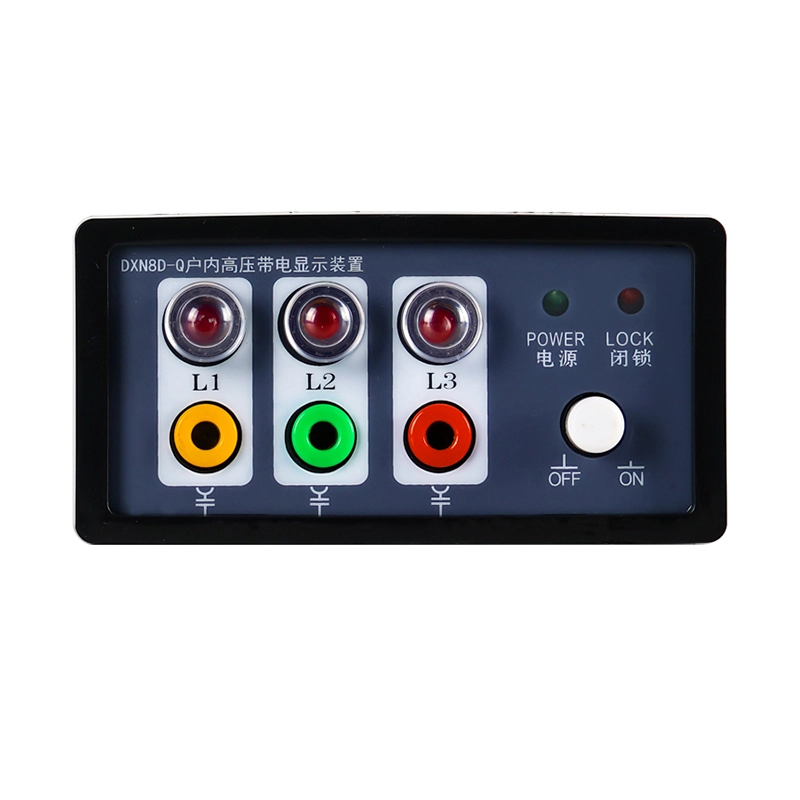
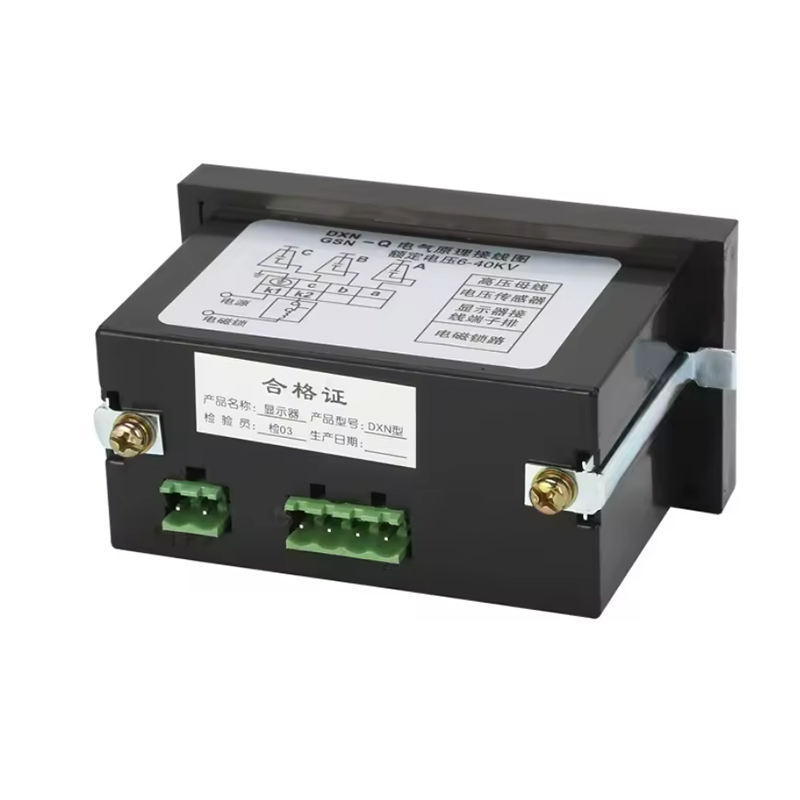
Choosing the right High Voltage Presence Indicator factory requires careful evaluation of technology, quality systems, and production capability. Industrial buyers need reliable products for switchgear safety applications. A qualified supplier should provide stable voltage detection, clear indication, and durable construction. The selection process should examine manufacturing experience, testing procedures, and compliance records. High voltage environments require accurate warning systems because incorrect indication may create serious operational risks. Professional factories focus on electrical performance, insulation reliability, and long service life. Buyers should review technical documents, product samples, and factory capabilities before making purchasing decisions. These factors help ensure consistent performance across different electrical systems and installation conditions.
Advanced Detection Technology And Product Performance Requirements
Modern voltage presence indicators use advanced sensing methods to monitor electrical conditions. Many products apply capacitive coupling technology to detect high voltage signals without direct contact. The sensing circuit transfers voltage information through controlled electrical fields. Signal processing components then activate visual indicators for operators. Reliable products require stable electronic components, accurate voltage thresholds, and strong interference resistance. Manufacturers should also optimize circuit layouts to reduce signal errors. Environmental factors such as temperature changes, humidity, and electromagnetic interference can affect performance. A professional supplier invests in testing equipment and engineering improvements. These practices support safer switchgear operation and improve product reliability in demanding industrial environments.
High Voltage Presence Indicator factory Quality Control And Manufacturing Process
A trusted High Voltage Presence Indicator factory should maintain strict production control from material selection to final inspection. Quality management begins with electronic component verification and continues through assembly procedures. Each production stage influences product stability and operational safety. Manufacturers should inspect circuit boards, indicator modules, insulation materials, and connection parts. Production workers need clear procedures for soldering, testing, and assembly. Aging tests are also important because they reveal hidden performance issues before shipment. A complete quality system reduces failure rates and improves customer confidence. The following table shows important manufacturing evaluation areas.
| Production Stage | Main Inspection Items | Quality Purpose |
|---|---|---|
| Material Control | Electronic parts and insulation materials | Ensure component reliability |
| Assembly Process | Circuit installation and connection accuracy | Maintain stable operation |
| Final Testing | Voltage response and insulation performance | Verify product safety |
Manufacturing Standards And Safety Compliance Evaluation
Electrical safety compliance directly affects product acceptance in global markets. Manufacturers should follow recognized standards related to insulation, electrical testing, and protective design. Standards such as IEC requirements provide references for product safety evaluation. Buyers should request certification documents and test reports before cooperation. Compliance verification includes dielectric strength testing, insulation resistance checks, and environmental performance assessments. A responsible supplier creates products that match application requirements and market regulations. The factory should also maintain traceable quality records. These records support future inspections and technical communication. Strong compliance management demonstrates professional manufacturing capability and reduces risks during equipment operation.
Product Structure Design And Application Adaptability
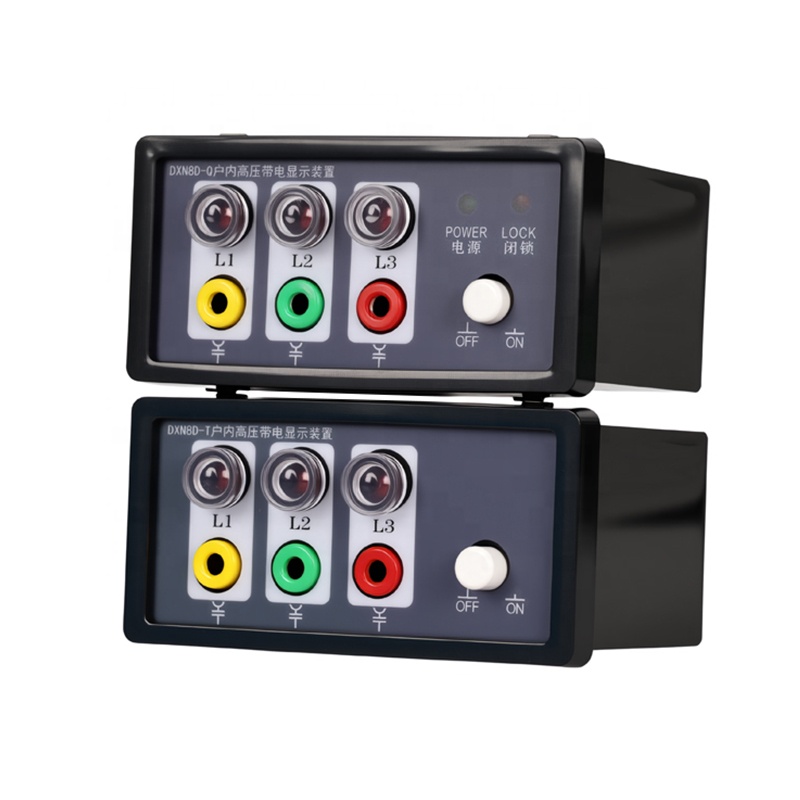
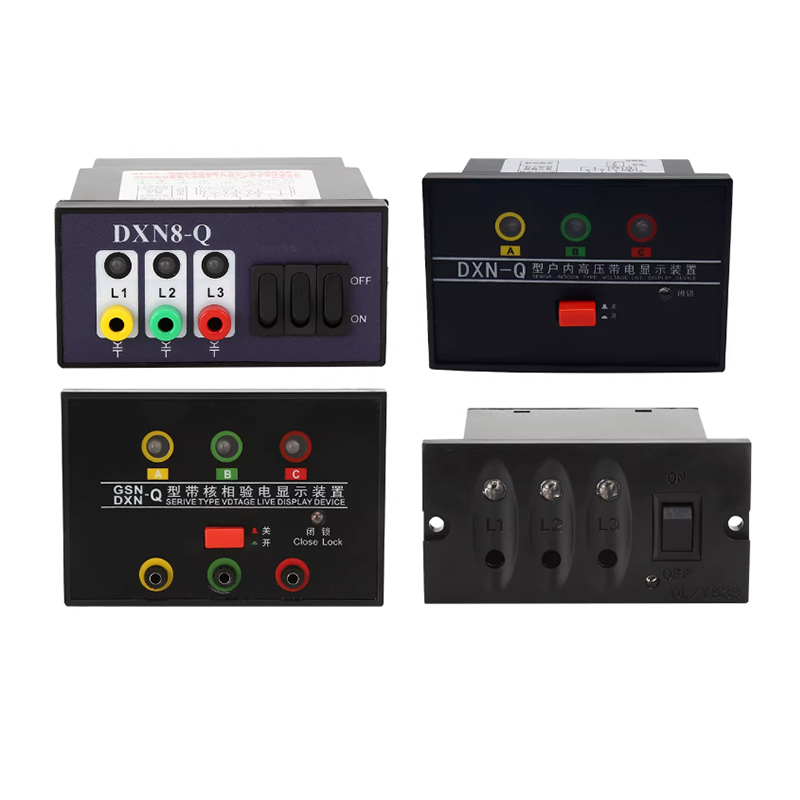
High voltage indicator products contain several important components that influence overall performance. The sensing unit detects electrical presence through non-contact measurement methods. The display module provides visible status information for operators. Protective housings help prevent damage from dust, moisture, and mechanical impact. Connection interfaces must match different switchgear designs and installation requirements. Some applications require compact structures, while others need enhanced protection levels. A supplier should provide flexible designs for various electrical environments. High Voltage Indicator Display with Diagnosis technology can provide additional monitoring functions. This feature helps operators identify abnormal conditions and improve maintenance efficiency. Proper structural design creates safer and more convenient operation experiences.
Key Evaluation Points For Supplier Comparison
Selecting an industrial supplier requires attention to several practical factors. Buyers should review the following points before confirming cooperation:
- Manufacturing experience in electrical protection products.
- Testing capability for voltage detection performance.
- Compliance documentation for different markets.
- Customization support for special application requirements.
- Production capacity for stable supply demands.
Supplier evaluation should include technical communication and factory verification. The lowest purchase price does not always represent the best value. Reliable performance, consistent quality, and responsive support often create better long-term results. Professional factories usually provide detailed specifications and application suggestions. This approach helps customers select suitable products for their electrical systems.
Supplier Experience And Long-Term Cooperation Benefits
Factory experience plays an important role in industrial purchasing decisions. Experienced manufacturers have extensive knowledge of switchgear structures, customer requirements, and application challenges. They can provide practical recommendations based on previous projects and technical experience. Stable production systems also help reduce delivery risks. The following table compares different supplier characteristics.
| Supplier Feature | Basic Supplier | Experienced Supplier |
|---|---|---|
| Technical Support | General product information | Professional application assistance |
| Customization | Limited adjustments | Flexible OEM solutions |
| Quality Management | Basic inspection | Complete testing system |
Experienced suppliers provide stronger cooperation value through engineering support and production consistency. They can respond quickly when customers require product adjustments. Their teams usually have better knowledge of international purchasing requirements. Long-term cooperation also improves communication efficiency. Buyers can receive faster technical feedback and more reliable delivery planning. High Voltage Presence Indicator factory evaluation should therefore consider experience, not only product pricing. A capable supplier becomes a strategic partner for continuous electrical safety improvement.
Testing Methods And Reliability Validation
Reliable testing procedures determine whether voltage indicators can operate safely under real conditions. Manufacturers should perform multiple inspections before products leave the factory. Common tests include insulation resistance testing, voltage withstand testing, signal accuracy verification, and temperature resistance evaluation. Environmental simulation can identify potential failures caused by harsh conditions. Some factories also conduct continuous operation tests to examine product durability. High Voltage Indicator Display lamp plug in OEM/ODM solutions require strict validation because customized products need consistent performance. Proper testing confirms that products meet technical expectations. Detailed inspection reports also help buyers evaluate supplier reliability and production discipline.
Global Application Requirements And Customization Support
Different regions and industries may require specific product configurations. Electrical systems vary in voltage levels, installation methods, and operating environments. A professional supplier should provide customization options based on customer needs. Custom solutions may include display styles, connector designs, voltage ranges, and housing structures. OEM capabilities allow buyers to develop products for specific market applications. ODM services can support customers seeking optimized designs and technical improvements. Manufacturers should maintain clear communication during development stages. High Voltage Presence Indicator factory capabilities become especially important when projects require special specifications. Strong customization support helps companies adapt products for changing market demands.
Cost Evaluation Beyond Initial Purchasing Price
Price evaluation should consider the complete product lifecycle instead of only the initial purchase cost. Low-quality products may increase maintenance expenses and replacement frequency. Reliable indicators usually provide longer service periods and fewer operational problems. Buyers should compare material quality, testing standards, warranty support, and production stability. A supplier with advanced manufacturing systems can often deliver better value. Total cost analysis helps companies avoid unexpected expenses caused by product failures. Professional purchasing decisions focus on safety, reliability, and long-term performance. This method creates stronger economic benefits while maintaining electrical system protection.
Why Does Factory Experience Matter For Industrial Buyers?
Factory experience helps suppliers provide better technical solutions and production support. Experienced manufacturers have strong knowledge of electrical applications and common customer challenges. They can recommend suitable designs and avoid unnecessary product issues. Strong experience also improves communication during customization projects. Buyers benefit from stable manufacturing processes and predictable delivery performance. A supplier with industry knowledge can provide more practical solutions. This creates better cooperation results and supports long-term equipment safety requirements.
FAQ
High Voltage Presence Indicator factory Should Provide Which Certifications?
A reliable High Voltage Presence Indicator factory should provide certification documents related to electrical safety and quality management. Important records may include test reports, compliance certificates, and quality system documentation. These materials show whether products meet industry requirements. Buyers should also review testing standards used during production. Certification verification helps reduce purchasing risks and supports international applications. Professional suppliers maintain complete technical files and provide clear information about product performance. This approach improves confidence during supplier selection and cooperation.
How Does A Factory Ensure Voltage Indicator Reliability?
Manufacturers ensure reliability through controlled production processes and detailed testing procedures. They inspect raw materials, electronic components, and finished products carefully. Testing normally includes insulation checks, voltage response tests, and environmental evaluations. Production teams also monitor assembly accuracy and component performance. Continuous improvement programs help reduce product defects over time. Reliable suppliers combine engineering experience with strict quality control methods. These practices create stable products that can operate safely in demanding electrical environments.