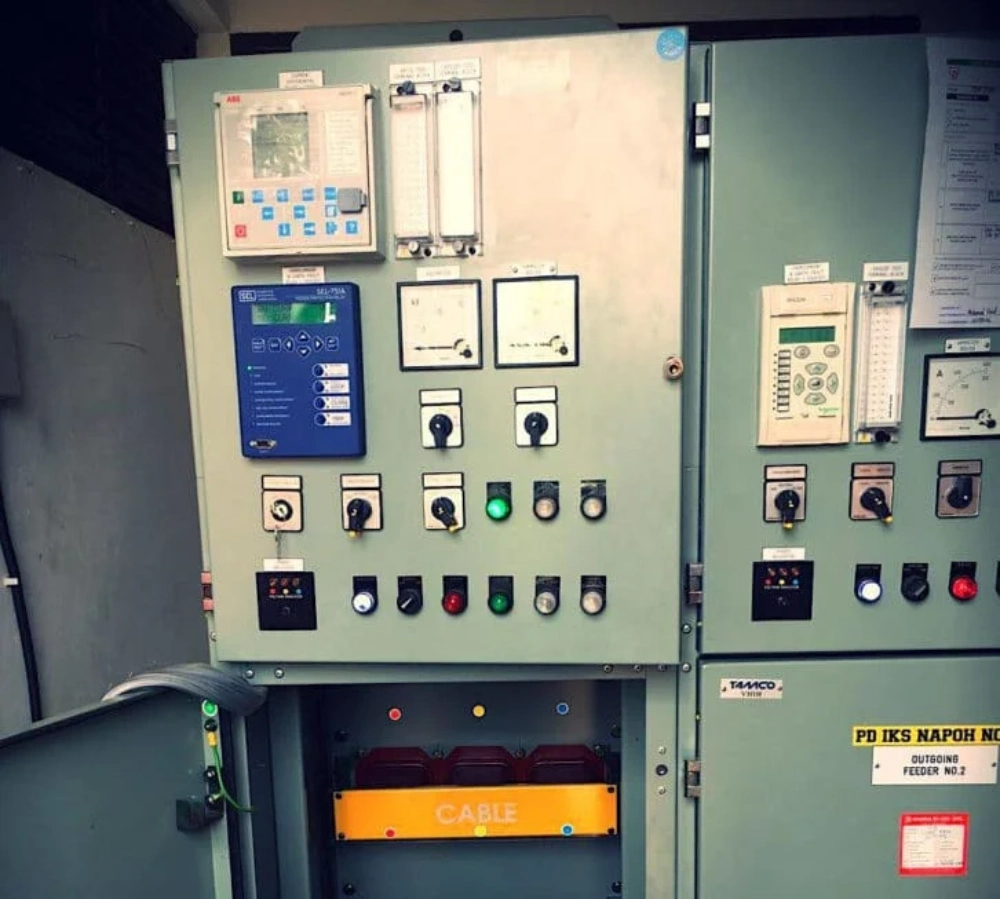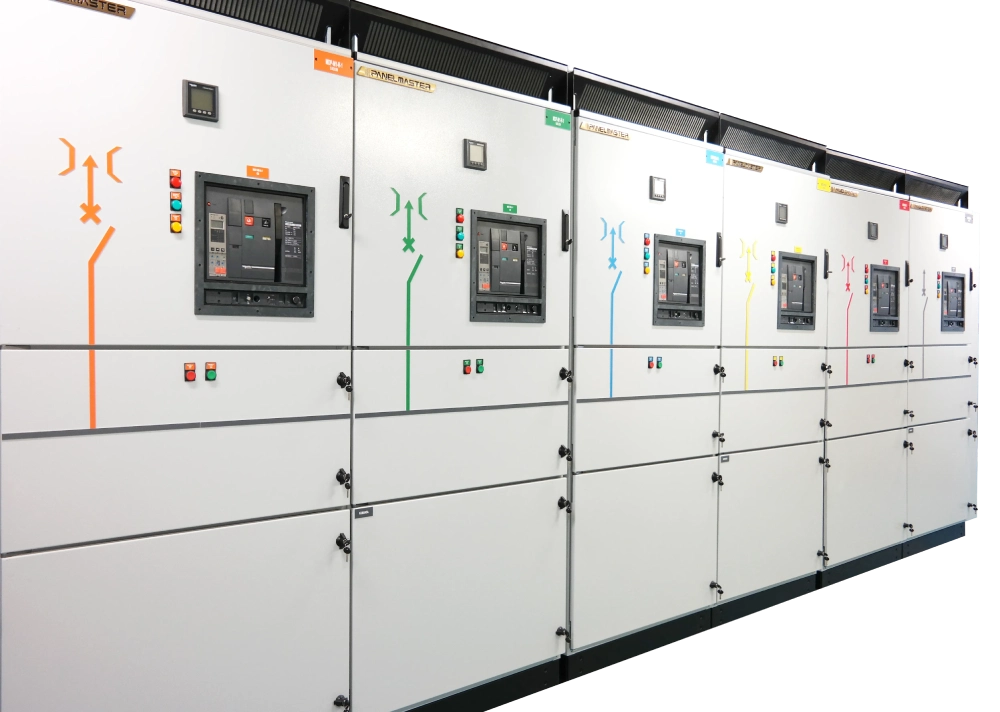

High Voltage Switchgear Light: How To Evaluate Lighting Quality
High voltage switchgear light selection covering light distribution, glare control, illuminance testing, and inspection visibility.
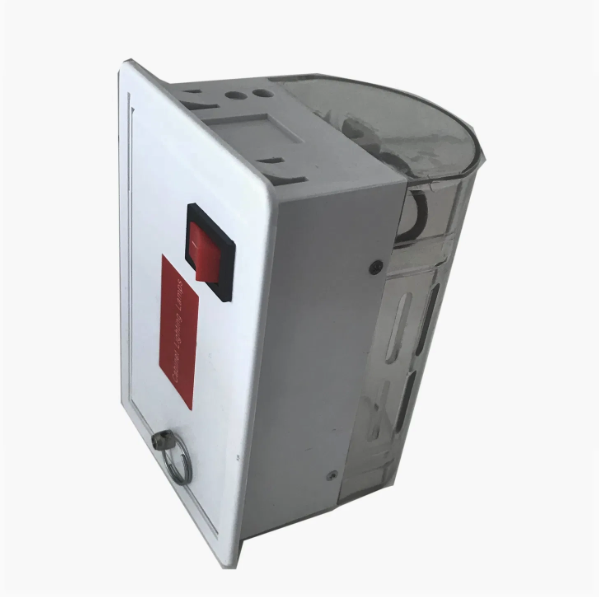
A high voltage switchgear light should provide clear visibility for inspection and maintenance. However, sufficient brightness does not always guarantee effective lighting. Shadows, glare, and uneven light distribution can make terminals and component labels difficult to see.
Evaluating lighting quality requires more than checking wattage. Cabinet layout, lamp position, and visual requirements also affect performance. Understanding these factors helps engineers select lighting that supports practical inspection needs.
Why Lighting Quality Matters in High Voltage Switchgear
High voltage switchgear contains components arranged within limited spaces. Cable ducts, partitions, and equipment housings can block light from reaching important areas.
Poor lighting makes it harder to read terminal markings, identify wiring, and inspect visible components. A properly positioned lamp improves visibility and supports routine maintenance. However, lighting does not replace electrical isolation, testing, or other required safety procedures.
Four Factors That Affect Switchgear Lighting Quality
Light Distribution and Coverage
Light distribution determines how illumination reaches the target area. A narrow beam may create a bright spot while leaving cabinet corners dark. The appropriate distribution depends on cabinet dimensions and component arrangement.
Before selecting a lamp, identify the areas requiring inspection. Consider whether the light can reach terminals, labels, and other critical surfaces without obstruction.
Shadows and Glare
Cable bundles and structural supports can block light and create shadows. These dark areas may conceal markings even when the lamp produces sufficient output.
Glare can also reduce visibility when direct or reflected light enters the technician's field of view. Evaluate the lamp from normal working positions and check whether labels remain clearly visible.
Color Rendering
Color rendering affects how accurately a light source reveals object colors. This can matter when technicians inspect colored wiring or component markings.
Check the lamp's color-rendering specifications when color identification is important. Actual visibility also depends on contrast, illumination, and the identification methods used within the cabinet.
Illuminance and Uniformity
Illuminance measures the light reaching a surface and is expressed in lux. Insufficient illuminance can make small markings and component details difficult to see.
Uniformity describes how evenly light spreads across the inspection area. One bright spot does not guarantee adequate lighting throughout the cabinet. Both factors should be considered when evaluating overall lighting performance.
How to Assess Lighting Performance
A practical assessment should focus on the areas technicians need to inspect regularly. Begin by identifying terminal blocks, wiring labels, instrument panels, and other critical components.
A suitable lux meter can measure illuminance at selected locations. Take readings across the inspection area to identify poorly illuminated spots and differences in light levels. Compare the results with project specifications or applicable requirements.
| Assessment Factor | What to Check |
|---|---|
| Illuminance | Light levels at critical inspection points |
| Uniformity | Differences between bright and dark areas |
| Shadows | Obstructions around cables and components |
| Glare | Direct or reflected light affecting visibility |
| Color rendering | Visibility of colored wires and markings |
There is no universal illuminance target for every switchgear cabinet. Requirements depend on inspection tasks, project specifications, and applicable standards. Measurements should follow a consistent method under representative conditions.
How to Improve Switchgear Lighting Quality
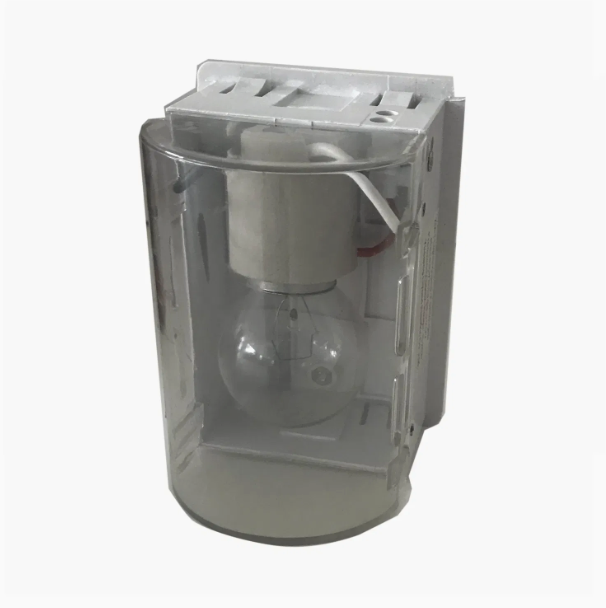
Improving lighting does not always require a higher-wattage lamp. Adjusting the mounting position or selecting a more suitable light distribution may provide better results.
Consider these practical measures:
- Optimize lamp placement: Position the light to reduce shadows and illuminate critical components.
- Choose suitable light distribution: Match the beam pattern to the cabinet's dimensions and inspection areas.
- Reduce glare: Check visibility from normal working angles and avoid distracting reflections.
- Verify performance: Inspect important surfaces and measure illuminance when required.
- Document results: Record lamp positions, measurements, and acceptance criteria for future maintenance.
When selecting a cabinet light, consider both lighting performance and installation requirements. The CM-1 Cabinet Light for Switchgear provides an option for internal switchgear lighting.
For applications requiring specialized environmental protection, the CM-L3 Explosion-Proof Cabinet Light for Switchgear may also be considered. Confirm the required hazardous-area certification and installation conditions before selecting this type of product.
When replacing an existing lamp, confirm electrical compatibility, mounting dimensions, wiring requirements, and operating conditions. Better lighting performance must not compromise electrical or mechanical safety.
Frequently Asked Questions
Is a Higher-Wattage High Voltage Switchgear Light Always Better?
No. Wattage measures electrical power consumption, not how effectively light reaches inspection surfaces. A higher-wattage lamp may still produce shadows or uneven illumination. Buyers should consider light output, distribution, mounting position, and visual comfort together. Actual performance should be evaluated against project requirements.
How Can I Check Whether a Switchgear Cabinet Has Enough Light?
Start by checking whether technicians can clearly read labels and inspect components. A lux meter can measure illuminance at several important locations. Compare these readings with applicable project requirements. Also check for shadows and glare, since adequate light levels alone do not guarantee good visibility.
Should I Replace a Switchgear Light If Some Areas Remain Dark?
Not necessarily. Dark areas may result from poor positioning or obstructed light paths rather than lamp failure. Review the mounting position and internal layout first. If the lamp cannot provide the required coverage, consider a more suitable model. Any replacement must meet the cabinet's electrical and mechanical requirements.
High voltage switchgear lighting should be evaluated by its practical performance, not brightness alone. Light distribution, shadow control, color rendering, and illuminance all affect visibility. Assessing these factors helps engineers select suitable lamps and improve inspection conditions without compromising safety.