How Can Quality Control Affect Earth Fault Indicator Performance?
Quality control enhances earth fault indicator performance through testing, quality components, and manufacturing for safer systems.
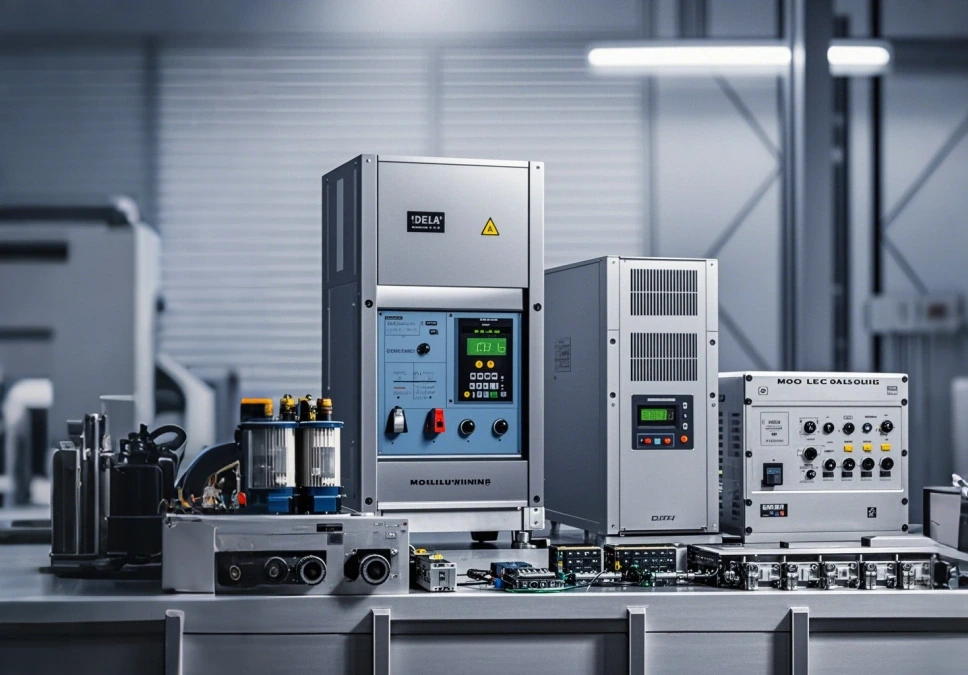
Quality control determines whether electrical monitoring devices deliver stable results in real applications. Strong inspection systems directly influence earth fault indicator performance by improving accuracy, durability, and operational consistency. Manufacturers evaluate components, production processes, and final products through strict procedures. Each stage affects the device’s ability to detect abnormal conditions. Professional factories use experienced technicians and advanced equipment to control production risks. They inspect electrical parts, mechanical structures, and signal systems carefully. Reliable quality management reduces unexpected failures and supports safer power distribution networks. A complete inspection process creates confidence for users who require dependable protection equipment.
Manufacturing Precision and Earth Fault Indicator Performance
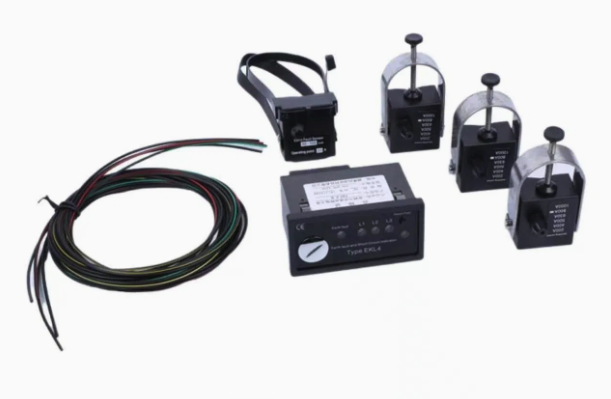
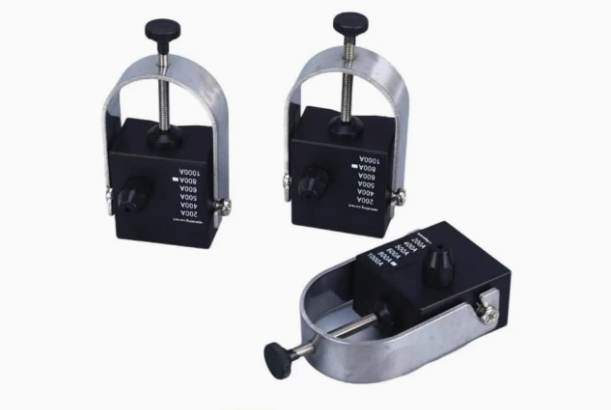
Manufacturing precision plays an important role in maintaining reliable electrical protection products. Production teams focus on component positioning, circuit connection, and assembly accuracy. Small errors during manufacturing may create incorrect signals or delayed responses. Engineers use automated equipment to improve consistency during production. Manual inspections also help identify issues that machines cannot detect. The combination of technology and skilled workers creates better product stability. Accurate manufacturing methods help devices operate correctly under different electrical conditions. Quality-focused production reduces performance variation between different batches and improves long-term application value.
Component Selection and Internal Structure Evaluation
Internal components determine how effectively a fault detection device responds during operation. Sensors collect electrical information and transfer signals to processing units. Circuit boards manage signal analysis and control indicator responses. Manufacturers test these parts separately before final assembly. Material compatibility also affects electrical stability and service life. High-quality components reduce signal errors and improve response accuracy. Engineers evaluate connection points because weak joints may interrupt communication. Careful component selection creates a stronger foundation for reliable electrical monitoring solutions.
| Component Area | Inspection Focus | Application Benefit |
|---|---|---|
| Sensor Module | Detection accuracy and sensitivity | Improves fault recognition |
| Circuit System | Signal processing stability | Reduces response errors |
| Protective Housing | Mechanical and environmental resistance | Extends service life |
Material Quality and Environmental Protection Standards
Material selection affects equipment reliability in demanding environments. Protective housings need resistance against moisture, dust, and mechanical impact. Insulation materials require strong dielectric properties to maintain electrical safety. Manufacturers select suitable materials according to installation conditions. Temperature resistance also becomes important for outdoor applications. Testing teams evaluate material performance before production approval. Proper material choices reduce aging problems and improve structural stability. A durable design allows equipment to maintain consistent operation during long service periods. Quality inspections confirm that materials meet expected technical requirements.
Electrical Testing Methods for Production Verification
Manufacturers apply detailed electrical tests to verify product functions before shipment. These procedures examine voltage response, signal transmission, and insulation performance. Testing equipment measures whether devices react correctly during simulated fault conditions. Engineers record results and compare them with technical specifications. Electrical verification helps identify hidden problems that may appear during operation. Regular testing improves manufacturing reliability and reduces product risks. Quality teams also review test data to improve future production processes. A professional testing system supports dependable electrical protection solutions.
Testing Procedures That Improve Earth Fault Indicator Performance
Testing procedures create valuable verification steps during manufacturing. Engineers simulate different operating conditions to check device reactions. These evaluations include temperature changes, electrical stress, and repeated operation cycles. Earth fault indicator performance improves when manufacturers remove potential defects before delivery. Testing specialists analyze response time, detection accuracy, and stability. They also inspect mechanical durability after environmental simulations. A complete evaluation process ensures products meet application requirements. Reliable testing methods help users receive equipment that performs consistently in complex electrical systems.
Key Quality Checks for Production Reliability
- Electrical accuracy verification
- Insulation resistance evaluation
- Temperature tolerance testing
- Signal response measurement
- Mechanical durability inspection
Production Management and Process Control
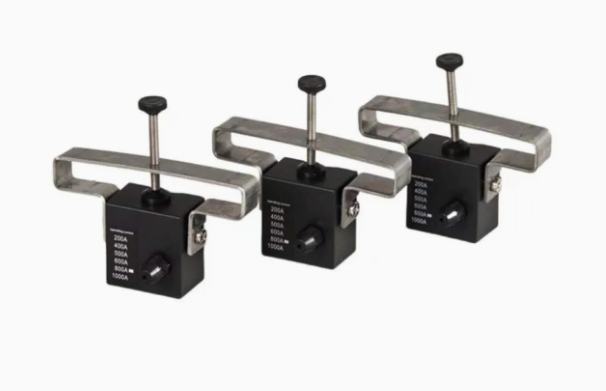
Effective production management maintains consistency throughout manufacturing operations. Companies establish inspection procedures for materials, assembly stages, and finished products. Quality records allow teams to track production conditions and identify improvement opportunities. Process control reduces variations between different manufacturing batches. Workers follow standardized procedures to maintain stable output quality. Continuous monitoring also helps manufacturers improve efficiency. A structured production system supports reliable electrical equipment development and strengthens customer confidence.
Quality Management for Earth Fault Indicator Performance
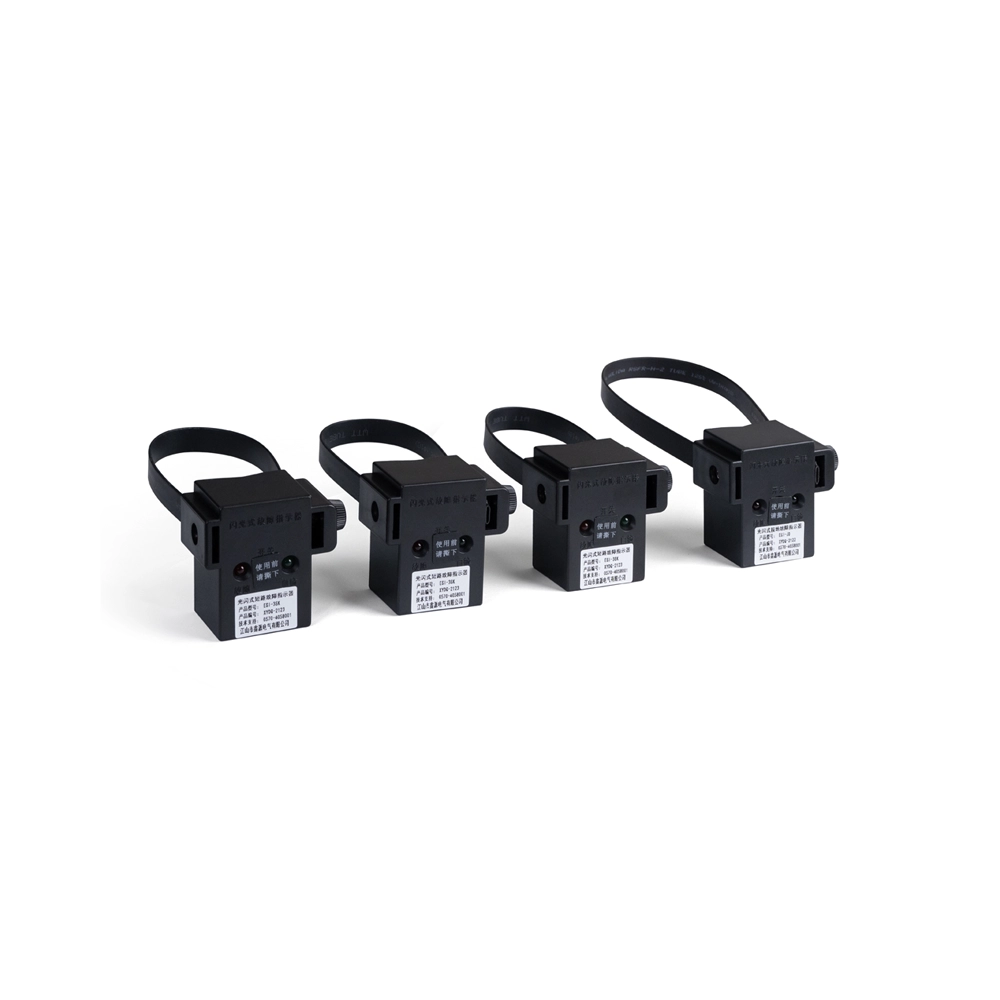
A professional quality management system directly supports product reliability and operational safety. Manufacturers review supplier quality, production records, and testing results regularly. These actions create stronger control over every manufacturing stage. Quality teams verify that products meet required specifications before delivery. Earth fault indicator performance benefits from consistent management because each production step receives proper monitoring. Integrated Indicator for Voltage Presence Grounding Fault combines monitoring functions with electrical safety requirements, so precise manufacturing control remains essential. Strong management practices reduce defects and improve product consistency.
Common Manufacturing Problems Affecting Device Reliability
Several manufacturing problems may reduce detection accuracy and product stability. Incorrect component installation can affect electrical signals. Poor soldering quality may create connection failures. Weak housing materials may decrease environmental protection. Manufacturers prevent these issues through inspection systems and employee training. Advanced products such as Panel Mounted Paddle Type Short Circuit Fault Indicator require accurate assembly control because improper installation may influence detection reliability and signal accuracy. Regular calibration also helps maintain measurement accuracy. Production teams analyze failure reports to improve future designs. Effective correction methods create better reliability and stronger protection performance.
Advanced Quality Practices for Electrical Safety Applications
Advanced quality practices combine technical expertise with practical experience. Manufacturers use modern testing tools, skilled workers, and controlled production environments. They evaluate products according to different installation requirements and operating conditions. Professional factories also improve processes through continuous evaluation. These methods help create dependable electrical protection equipment for various industries. Quality-focused production supports safer power networks and reduces operational interruptions. Companies that maintain strict standards can provide stable solutions for demanding electrical applications.
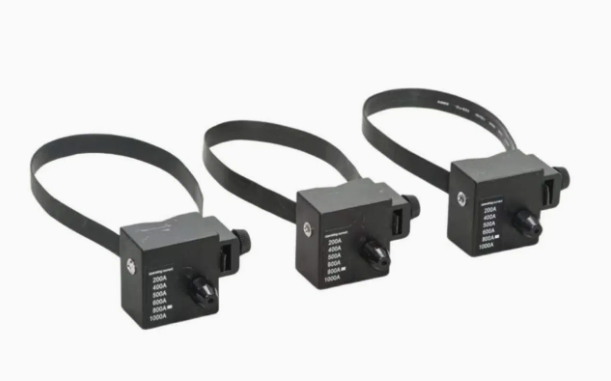
Future Improvements in Fault Detection Equipment Manufacturing
Future manufacturing trends focus on smarter testing systems and higher production accuracy. Automated inspection technology can analyze components faster and identify minor defects. Digital records help manufacturers track quality information throughout production. Advanced materials may improve durability and environmental resistance. Manufacturers continue developing better solutions through research and technical improvements. Earth fault indicator performance will benefit from stronger quality systems, improved components, and more precise testing methods. These developments support safer electrical infrastructure and more reliable fault monitoring applications.