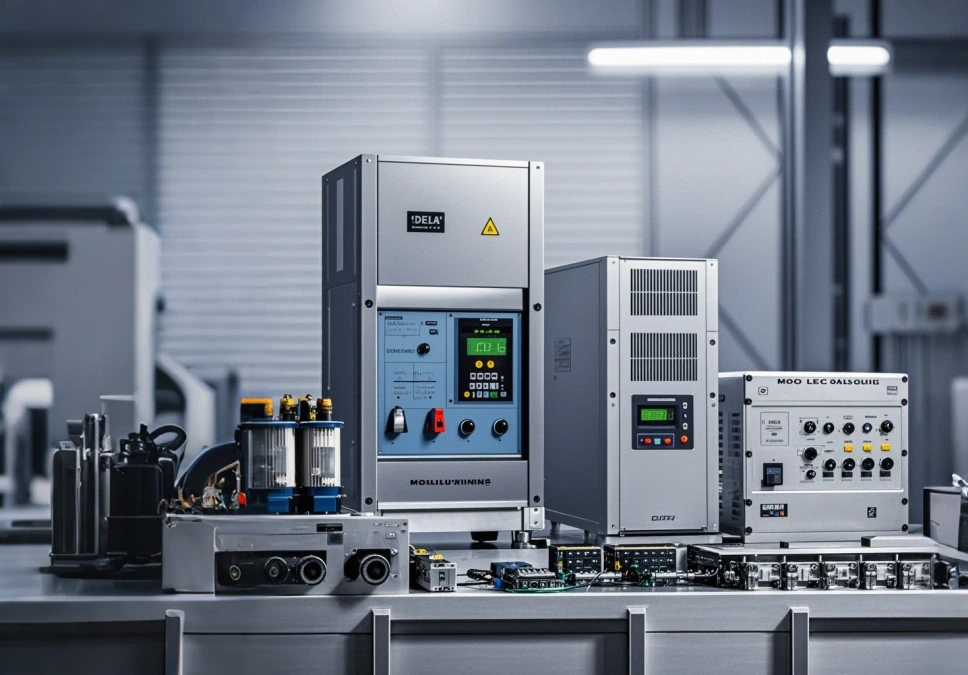
How Does A Disconnector Locking Device Improve Safety?
Disconnector locking device solutions prevent accidental operation, improve isolation control, and enhance electrical maintenance safety.
A disconnector locking device creates a physical barrier against unintended movement of an electrical isolating mechanism. It helps keep a disconnector in a selected position during maintenance. The device can restrict access to an operating handle after isolation. It also provides a visible indication of secured equipment. Proper selection matters because switchgear designs, handle shapes, and mounting spaces vary widely. Buyers should match the locking method with the actual mechanism and enclosure. Suitable hardware should resist handling, vibration, corrosion, and repeated locking cycles. Clear identification also helps maintenance teams recognize equipment status quickly. These factors make mechanical locking an important layer within electrical isolation procedures. However, locking hardware should complement established safety practices rather than replace them.
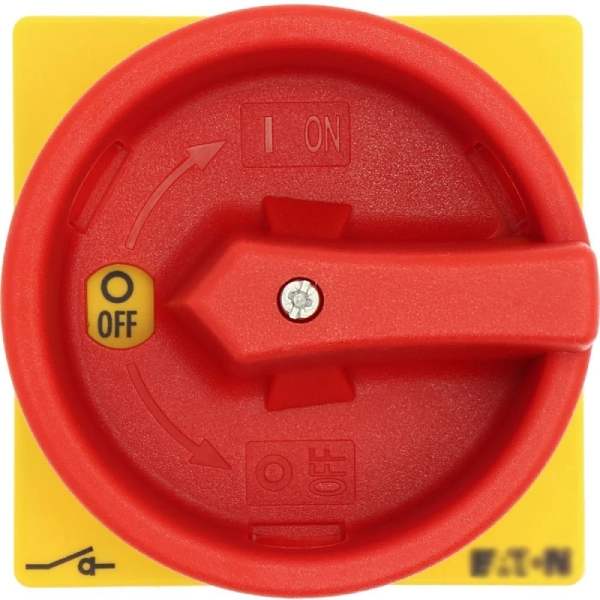
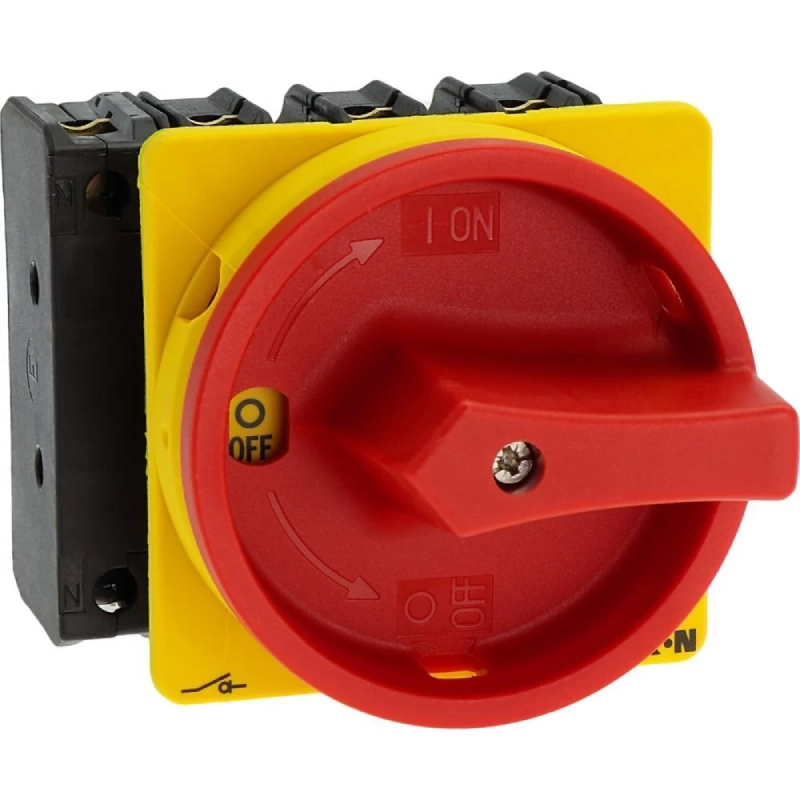
How Does A Disconnector Locking Device Improve Isolation Control?
Mechanical locking improves isolation control by creating deliberate physical resistance against unwanted operation. Electrical workers can confirm the intended position before maintenance begins. The lock then helps prevent another person from changing that position accidentally. This separation reduces a common human-factor risk around operating mechanisms. Visual indicators can reinforce equipment status during shutdown activities. Robust hardware should maintain its position despite normal vibration and handling. It should also provide sufficient clearance for lock attachment and removal. Poorly fitted components can create interference or permit unwanted movement. Therefore, compatibility checks should cover handle dimensions, travel direction, mounting points, and enclosure clearance. The locking method should also support established isolation and verification procedures.
Why Is Accidental Disconnector Operation a Serious Risk?
Accidental operation can create dangerous electrical conditions during inspection or maintenance. A disconnector may change circuit conditions when workers expect stable isolation. The resulting change can expose personnel to energized conductors or unexpected equipment behavior. Risk increases when several teams work around the same switchgear installation. Clear control of operating mechanisms therefore becomes especially important during planned shutdowns. Mechanical restriction provides a straightforward physical control at the operating point. Workers can pair the lock with identification tags and documented procedures. These measures help communicate who controls the equipment and why it remains isolated. Operators should still verify absence of voltage using approved procedures and suitable test equipment. Mechanical locking prevents operation, while electrical verification confirms the actual circuit condition.
Which Features Matter When Selecting Locking Hardware?
Selection should start with the disconnector's mechanical arrangement and operating method. Buyers should measure the handle, mounting surface, travel path, and available clearance. Material selection also matters in dusty, humid, corrosive, or outdoor environments. Stainless steel can provide strong corrosion resistance for demanding installations. Engineering polymers may reduce weight and provide electrical insulation around selected components. The locking interface should accept the required lock type without excessive play. Durable hardware should tolerate repeated attachment, removal, and routine handling. Buyers should also check whether the device blocks the required operating direction. Installation should not obstruct labels, inspection points, or emergency access. A compatible disconnector locking device can reduce fitment problems and support consistent isolation practices.
Key selection checks include:
- Operating handle dimensions and movement
- Mounting points and available clearance
- Material resistance to corrosion and temperature
- Lock compatibility and attachment method
- Visibility of identification markings
- Interference with doors, interlocks, or adjacent equipment
These checks help buyers evaluate hardware before installation and reduce avoidable field modifications. They also create consistent purchasing criteria for different switchgear configurations. Mechanical compatibility should remain the first priority during product selection. Environmental exposure should then determine suitable materials and protective finishes. Identification requirements deserve attention because clear status signals support safer maintenance coordination. Buyers should retain approved dimensions and specifications for repeat procurement. This approach helps maintenance teams replace worn components without introducing incompatible designs. It also reduces variation across equipment groups and simplifies future inspections.
| Selection Factor | What to Verify | Safety Value |
|---|---|---|
| Mechanism compatibility | Handle shape and movement | Prevents interference |
| Mounting space | Clearance and fixing points | Supports secure installation |
| Material | Corrosion and temperature resistance | Improves service life |
| Lock interface | Lock size and attachment method | Maintains secure control |
| Identification | Visibility and labeling space | Supports status recognition |
How Does Material Choice Affect Long-Term Reliability?
Material performance directly affects locking reliability throughout equipment service life. Corrosive environments can attack exposed metal surfaces and weaken fastening components. Stainless steel often suits installations facing moisture, chemicals, or frequent cleaning. Different grades provide different balances of corrosion resistance, strength, and cost. Engineering polymers can perform well where low weight and electrical insulation offer practical benefits. Temperature exposure also matters because some plastics can soften or become brittle outside their rated range. Surface finishes can add protection when the base material suits the application. Buyers should consider cleaning agents, humidity, ultraviolet exposure, and mechanical wear together. A disconnector locking device should match the actual installation environment rather than appearance alone. Periodic inspection remains necessary even when hardware uses corrosion-resistant materials.
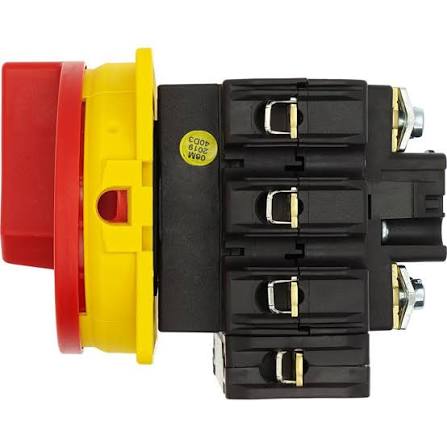
How Should Operators Install and Inspect Locking Components?
Installation should follow equipment instructions and approved site safety procedures. Workers should first confirm that the locking component matches the specific mechanism. Fasteners should remain secure without distorting brackets or restricting normal operation. After installation, operators should test the locking action without energizing equipment. The lock should engage fully and prevent the intended movement. Inspection should check for loose hardware, cracks, deformation, corrosion, and damaged identification. Moving parts should also operate smoothly when the lock is removed. Abnormal resistance can indicate misalignment or mechanical damage. Maintenance teams should record recurring defects and replace components that no longer provide reliable restriction. Consistent inspection helps keep mechanical controls dependable across long operating periods.
| Inspection Item | Check Point | Recommended Action |
|---|---|---|
| Fasteners | Loose or damaged hardware | Tighten or replace |
| Locking interface | Deformation or excessive play | Replace affected part |
| Surface condition | Rust, cracking, or wear | Assess and replace |
| Operating clearance | Contact with nearby parts | Correct alignment |
| Identification | Missing or unclear markings | Restore identification |
How Can Locking Support Maintenance Procedures?
A locking arrangement can make maintenance controls easier to communicate at equipment level. Workers can identify the secured operating mechanism before starting authorized work. A visible lock also signals that someone has intentionally restricted operation. Sites may combine locking hardware with tags, permits, isolation lists, and verification records. Such systems create several layers of communication around a single energy source. Group work can require additional coordination when several workers depend on one isolation point. Each site should use procedures that match its equipment, workforce, and electrical safety requirements. A Disconnector Lock can serve as a physical control when its design matches the mechanism. However, workers should never treat a lock as proof that conductors are de-energized. Testing and verification remain essential before contact with electrical parts.
What Role Does Design Compatibility Play in Safety?
Design compatibility determines whether locking hardware can provide reliable mechanical restriction. A device may look strong yet fail if its dimensions do not match the mechanism. Buyers should compare mounting geometry, handle travel, locking points, and enclosure depth before purchase. They should also confirm whether the mechanism uses rotary, linear, or lever-based movement. Installation tolerances deserve attention because small dimensional errors can create unwanted clearance. The locking component should remain stable during normal operation and environmental vibration. It should not interfere with adjacent breakers, doors, interlocks, or visual indicators. Clearances should support safe access for authorized personnel using appropriate protective equipment. Careful compatibility checks reduce installation modifications and avoid unreliable field solutions. Approved dimensional specifications can also standardize repeat purchases.
How Can Facilities Improve Locking Hardware Management?
Facilities can improve reliability by treating locking hardware as part of equipment management. Each installed device should have clear identification and a suitable maintenance record. Spare components should match approved equipment specifications rather than appearance alone. Purchasing teams should retain drawings, dimensions, materials, and compatibility information for repeat orders. Maintenance personnel should report damaged locks and mounting hardware promptly. Training should explain the difference between mechanical restriction and electrical verification. Supervisors can review isolation procedures after equipment changes or control modifications. Periodic audits can identify inconsistent locking practices across switchgear groups. Standardized procurement reduces variation and simplifies replacement planning. These actions create a controlled approach to mechanical isolation hardware. They also support consistent practices when personnel or equipment configurations change.
How Does A Disconnector Locking Device Support Reliable Safety?
Proper locking provides a practical barrier against unintended mechanical operation during controlled work. It supports clear ownership of an isolation point and reduces opportunities for accidental movement. The benefit becomes stronger when workers combine locking with identification and verification procedures. Equipment selection also influences reliability because unsuitable hardware can create gaps in mechanical control. Regular inspections help detect wear before it affects locking performance. Environmental conditions should guide material and finish decisions from the beginning. Operators should follow site procedures and applicable electrical safety requirements for every isolation task. No mechanical device can replace voltage verification or other required safeguards. Instead, the hardware forms one physical layer within a broader risk-control system. Consistent application can improve predictability, communication, and discipline around electrical maintenance activities.
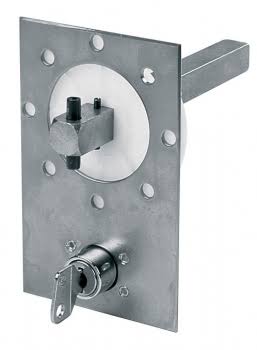
How Should Buyers Evaluate Locking Hardware Quality?
Buyers should evaluate locking hardware through mechanical compatibility, material quality, dimensional accuracy, and operating consistency. Product drawings should specify critical dimensions before purchasing larger quantities. Sample testing can reveal interference between the locking component and the operating mechanism. Surface inspection should identify burrs, cracks, sharp edges, coating defects, or corrosion. Fastening points should provide stable attachment without damaging the equipment enclosure. Repeated operation testing can also reveal premature wear around moving or stressed areas. Environmental requirements should influence material selection and protective treatment. Documentation should identify materials, dimensions, applicable tolerances, and recommended inspection points. A disconnector locking device that meets these criteria can provide more predictable field performance. Buyers should retain approved specifications for future replacements and equipment expansions.