
How To Compare Lockable Disconnect Switches?
Compare lockable disconnect switch options by ratings, locking design, enclosure fit, safety features, and installation requirements.
Why Should Buyers Compare Lockable Disconnect Switches Carefully?
Industrial buyers need reliable isolation when machinery requires inspection or maintenance. A lockable disconnect switch creates a visible separation point for electrical equipment. However, products with similar ratings can perform differently in demanding applications. Buyers should compare electrical capacity, pole configuration, locking methods, enclosure design, and installation requirements. Price alone cannot reveal these differences. For example, a production line may operate at 400 V with several motor loads. Its disconnect device must handle the actual load and switching category. Maintenance staff also need a secure locking position during service work. Poor compatibility can create installation delays or unsafe workarounds. Therefore, procurement teams should evaluate the complete operating environment before selecting a device. This approach reduces replacement costs and improves maintenance efficiency over the equipment lifecycle.
What Electrical Ratings Should Buyers Compare First?
Rated voltage and current provide the first screening criteria during procurement. Buyers should match these values with the equipment supply and connected load. A three-phase motor can create substantial starting current during acceleration. Consequently, its switching requirements may exceed those of a simple resistive load. Utilization categories provide additional information about switching capability under specific load conditions. IEC 60947-3 classifies switching devices according to their intended applications. AC-22A suits mixed resistive and inductive loads with moderate operational frequency. AC-23A addresses motor loads and other highly inductive applications. Buyers should also verify frequency, short-circuit coordination, and the required number of poles. A 400 V motor circuit therefore needs more than a simple current comparison. Supplier datasheets should clearly state each applicable rating and utilization category.
How Does The Locking Mechanism Affect Safety?
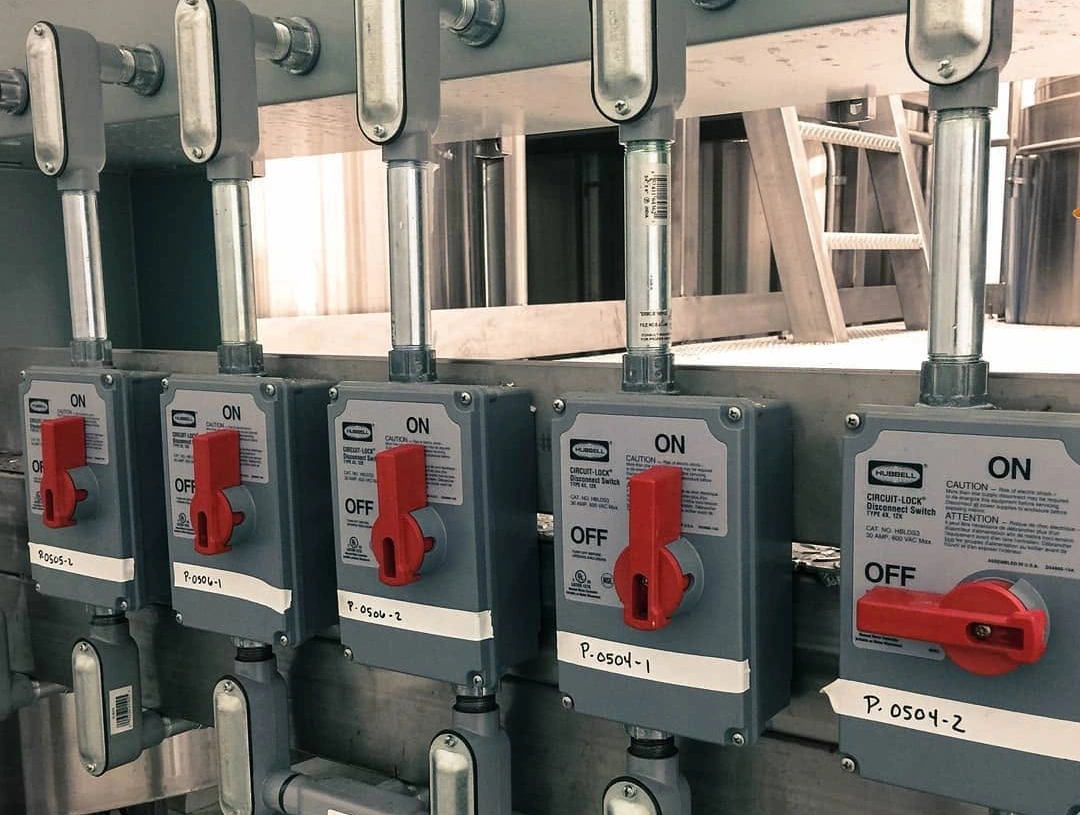
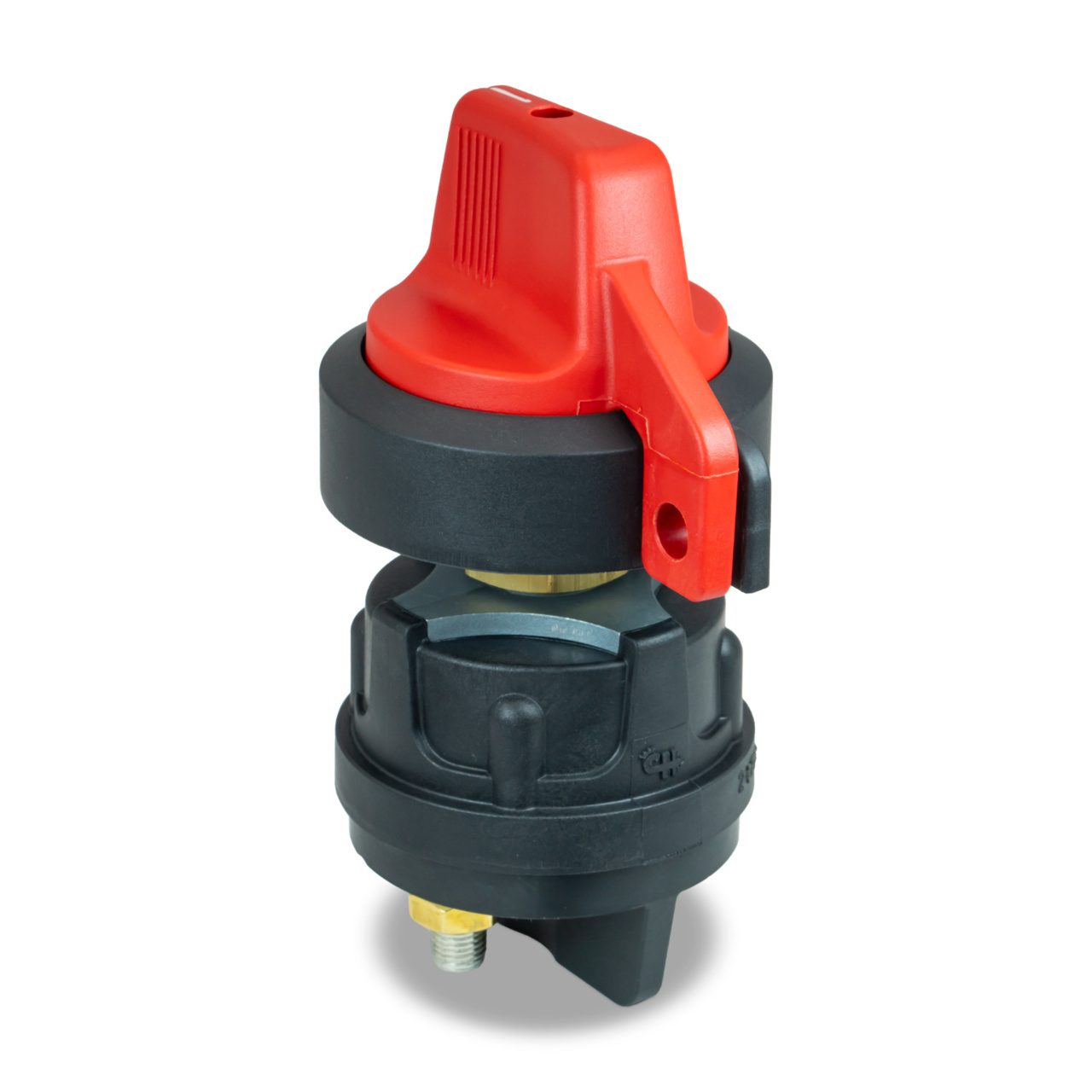
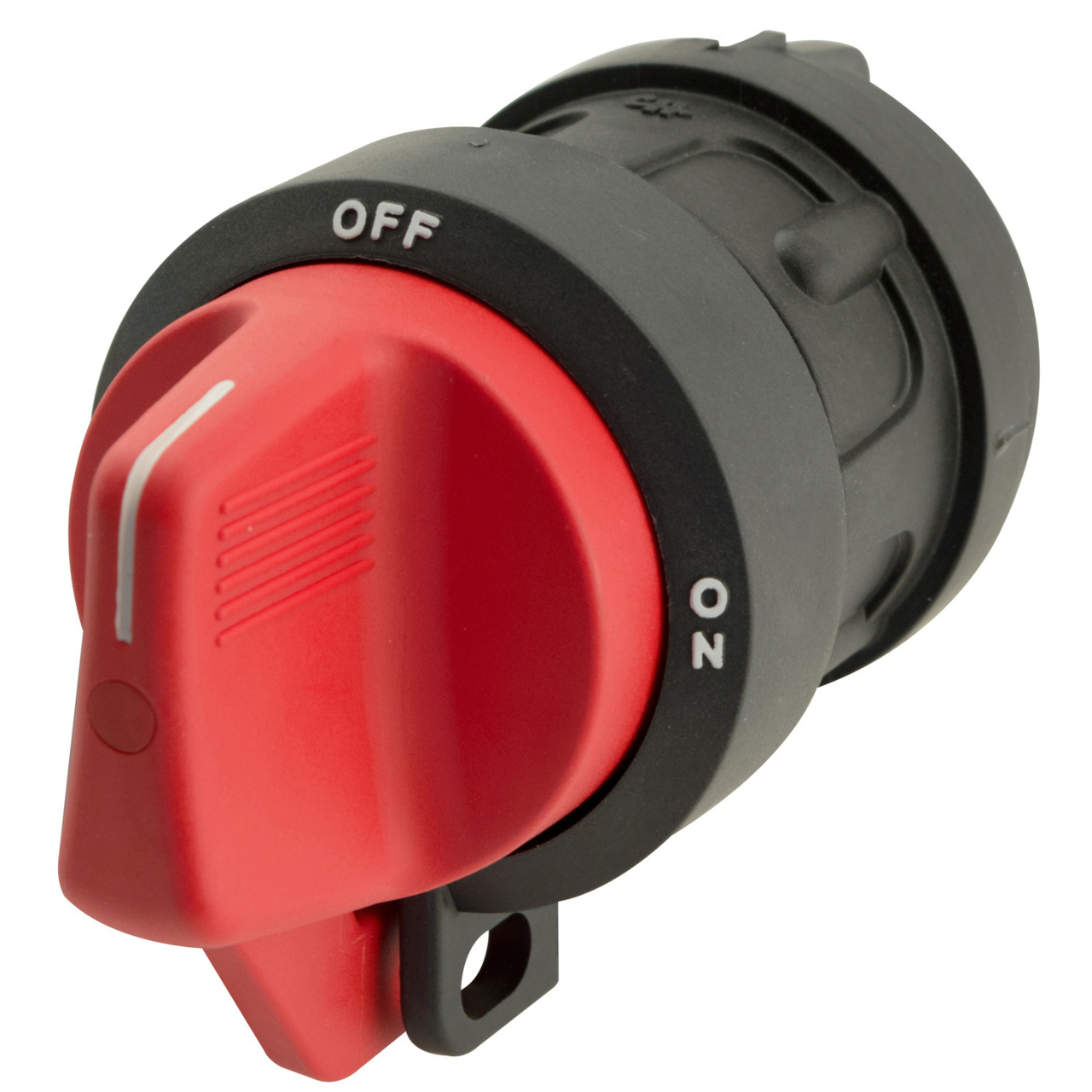
The locking mechanism directly affects maintenance control and unauthorized operation. A suitable design should keep the handle securely in its intended isolation position. Many industrial applications use padlocks to prevent another worker from restoring power. Some products accept multiple locks for group maintenance activities. Others provide integrated mechanisms that simplify lockout procedures. Buyers should check the lock hole diameter and compatible shackle dimensions. Handle construction also matters because repeated operation can create mechanical wear. A weak mechanism may develop excessive movement after prolonged use. Maintenance teams should verify whether the device supports lock-off, lock-on, or both positions. A Disconnector Lock can provide a dedicated physical locking solution when the application requires it. Procurement teams should therefore inspect the actual locking structure rather than relying on general safety claims.
Which Pole Configuration Fits The Application?
Pole configuration determines which conductors the device can isolate simultaneously. Two-pole designs commonly suit single-phase circuits with appropriate wiring arrangements. Three-pole versions normally serve three-phase equipment without a neutral switching requirement. Four-pole designs can also isolate the neutral conductor when system architecture requires it. However, buyers should follow the electrical design and local installation requirements. A four-pole device does not automatically provide better protection in every application. The switching sequence can also matter when neutral conductors require controlled isolation. For example, a three-phase packaging machine may use three live conductors and a separate neutral. Engineers must decide whether the neutral requires switching based on the circuit design. They should also verify whether the selected device maintains adequate isolation between all relevant poles. Correct pole selection prevents incomplete isolation and unnecessary installation changes.
| Comparison Item | What Buyers Should Check | Why It Matters |
|---|---|---|
| Rated Voltage | Operating voltage and insulation requirements | Ensures suitable electrical isolation |
| Rated Current | Continuous load current and application margin | Prevents unsuitable thermal loading |
| Pole Configuration | 2P, 3P, 4P, or other required arrangement | Determines conductor isolation |
| Utilization Category | AC-22A, AC-23A, or applicable category | Matches switching duty with load type |
| Locking Method | Padlock compatibility and locking positions | Supports controlled maintenance isolation |
How Should Enclosure And Installation Options Be Compared?
Installation compatibility often determines whether a product works in the intended cabinet. Buyers should compare panel dimensions, mounting holes, handle position, and required rear clearance. A lockable disconnect switch should also match the cabinet's available installation space. Door-mounted designs allow operators to control the switch without opening the enclosure. DIN-rail designs can simplify installation inside compact control cabinets. Base-mounted products may suit larger industrial distribution assemblies. Enclosure protection also requires careful consideration. An IP65 enclosure provides stronger protection against dust and water jets than an IP20 construction. However, the complete assembly must maintain suitable protection after installation. Cable glands, door seals, and mounting openings can reduce effective protection. A food-processing cabinet may require frequent washdown resistance. Outdoor equipment may also face ultraviolet exposure and temperature changes. Therefore, buyers should compare the complete installation environment rather than selecting based on mounting style alone.
What Contact And Switching Performance Matters?
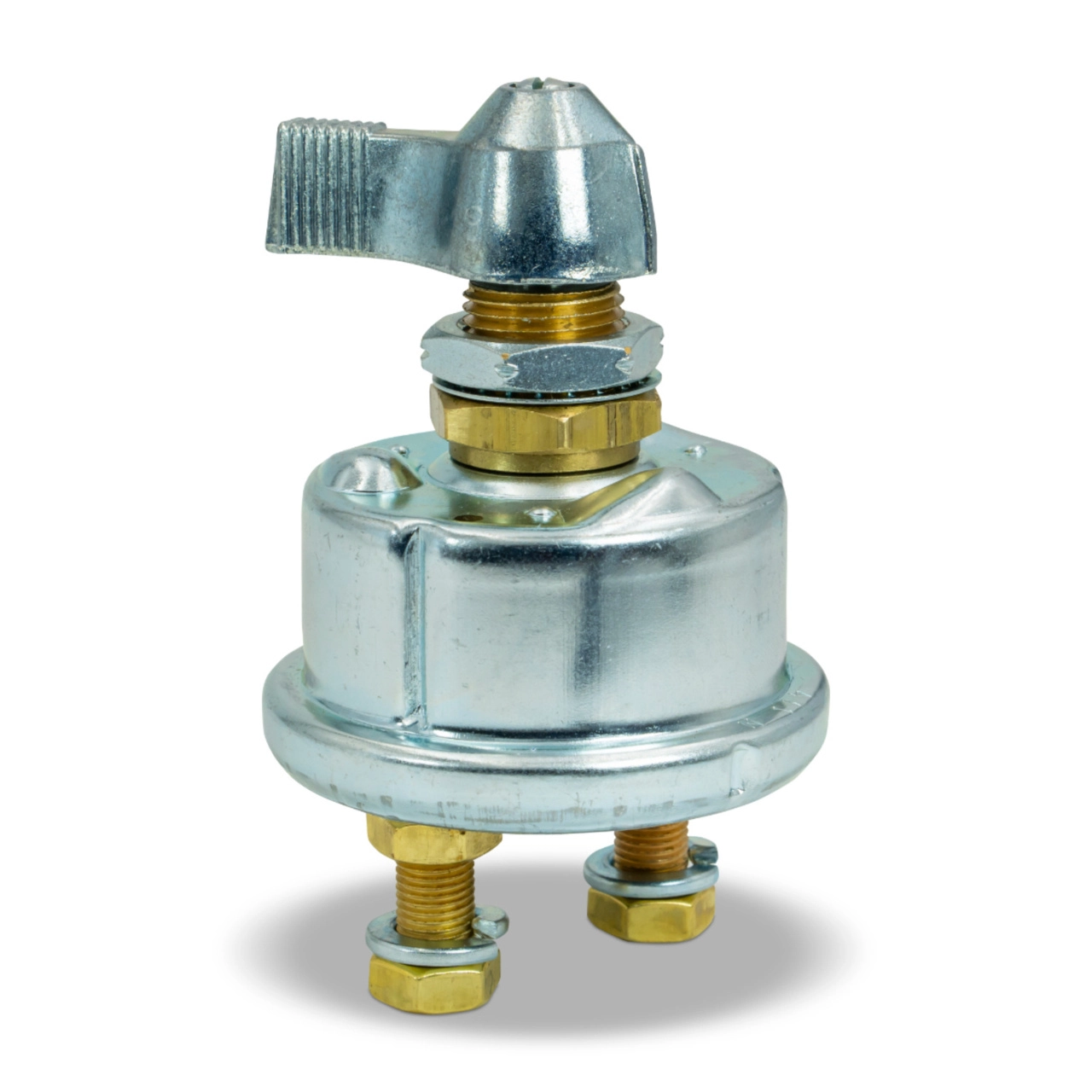
Contact construction influences electrical reliability, heat generation, and service life. Buyers should examine the stated mechanical and electrical endurance ratings. Mechanical endurance describes repeated switching without considering the electrical load. Electrical endurance reflects switching under specified operating conditions. Motor loads can produce stronger electrical stress than simple resistive circuits. Contact pressure also affects resistance at the connection point. Poor contact pressure can increase local heating during continuous operation. Terminal construction matters because loose connections can create additional resistance and heat. Buyers should check conductor capacity and required tightening torque before installation. Frequent manual operation requires stronger mechanical performance than occasional emergency isolation. A device used several times daily faces different wear conditions than one used monthly. Supplier documentation should therefore show endurance figures under defined test conditions.
| Specification | Option A | Option B | Preferred Evaluation |
|---|---|---|---|
| Rated Voltage | 400 V | 500 V | Match system voltage and required margin |
| Rated Current | 32 A | 40 A | Match actual load and switching duty |
| Poles | 3P | 4P | Follow the circuit design |
| Locking | Single Padlock | Multiple Padlocks | Match maintenance procedures |
| Mounting | Panel Mount | DIN Rail | Match cabinet construction |
| Protection | IP40 | IP65 | Match environmental exposure |
- Verify system voltage and current requirements.
- Confirm the required pole configuration.
- Check conductor size and terminal capacity.
- Verify mounting dimensions and cabinet clearance.
- Test the locking mechanism before final installation.
- Confirm terminal tightening torque from supplier documentation.
- Check enclosure protection after cable entry.
- Verify certification documents against the exact model.
How Can A Real Factory Case Show The Difference?
An anonymized factory case shows why specification matching matters. A packaging plant needed isolation for a 400 V three-phase conveyor motor. The motor circuit carried a continuous load below 30 A. However, the maintenance team required secure lockout during belt replacement. The first supplier offered a 40 A three-pole device with a basic locking hole. Its electrical rating looked suitable during the initial review. Engineers later found that its handle position conflicted with the cabinet door. The lock could also interfere with the door-mounted guard. A second supplier offered a similar current rating with compatible panel mounting. Its locking mechanism also supported the maintenance team's padlocks. Installation required fewer cabinet changes and avoided a separate external bracket. The final selection therefore depended on more than rated current. This case shows how installation and maintenance requirements can influence the practical value of a product.
How Can Buyers Build A Practical Comparison Score?
A structured scoring system helps procurement teams compare technically different products. Buyers can assign higher weights to requirements that directly affect safety and compatibility. Electrical ratings should receive strong weighting because incorrect ratings can stop the application. Locking performance deserves similar attention where maintenance procedures require physical isolation. Certification should also carry significant weight for regulated projects. Installation compatibility can reduce labor and cabinet modification costs. Environmental protection becomes critical for outdoor or washdown applications. Supplier documentation supports engineering approval and future maintenance. Total cost should include installation, replacement, inspection, and potential downtime. A low purchase price may create higher lifecycle costs when compatibility remains poor.Teams can score each category from one to five and record evidence for each score.
This method creates a transparent purchasing decision based on measurable requirements rather than subjective impressions.
FAQ
What Is A Lockable Disconnect Switch Used For?
A lockable disconnect switch provides a physical means of isolating electrical equipment during maintenance. The locking function prevents unauthorized operation after technicians disconnect the power source. Industrial facilities commonly use these devices on machinery, control panels, and distribution equipment. Maintenance teams can attach personal padlocks when procedures require individual control. The device should match the circuit voltage, current, poles, and switching duty. Proper installation also requires suitable enclosure protection and terminal connections. Buyers should verify the exact locking positions before approving a product. A secure mechanism should resist accidental movement during normal maintenance activity. The device does not replace a complete lockout procedure or electrical safety program. Instead, it provides an important physical component within that procedure. Correct selection therefore depends on both electrical design and workplace maintenance practices.
Can A Disconnect Switch Be Used For Motor Isolation?
A disconnect switch can serve motor isolation when its ratings and utilization category match the application. Motor circuits create higher electrical stress during switching than simple resistive loads. Buyers should therefore examine the manufacturer's specified switching category and rated operational current. AC-23A commonly applies to switching motor loads under IEC 60947-3. The actual motor circuit still requires proper upstream protection and coordination. Installers should also confirm the motor voltage, phase arrangement, and expected operating frequency. A three-phase motor may require a three-pole or four-pole arrangement depending on system design. The locking mechanism should support the facility's maintenance procedure. Engineers should never select a device solely because its current rating exceeds motor running current. Starting conditions, switching frequency, and system protection can influence the final choice.
What Should I Check Before Buying A Disconnect Switch?
Buyers should first confirm voltage, current, frequency, pole configuration, and utilization category. These values establish whether the product suits the intended electrical duty. Next, review the locking structure and confirm compatibility with the facility's lockout procedure. Mounting dimensions should match the cabinet without requiring improvised brackets or modifications. Environmental requirements should determine the necessary enclosure protection and material selection. Terminal capacity must also accommodate the specified conductor size. Certification should match the destination market and exact product model. Supplier documentation should include clear technical ratings and installation information. Buyers should also review mechanical and electrical endurance when frequent operation is expected. Finally, compare total lifecycle cost rather than purchase price alone. This approach helps procurement teams select products that fit the electrical system, maintenance process, and installation environment.