Where Are Switch Disconnector Locks Commonly Used?
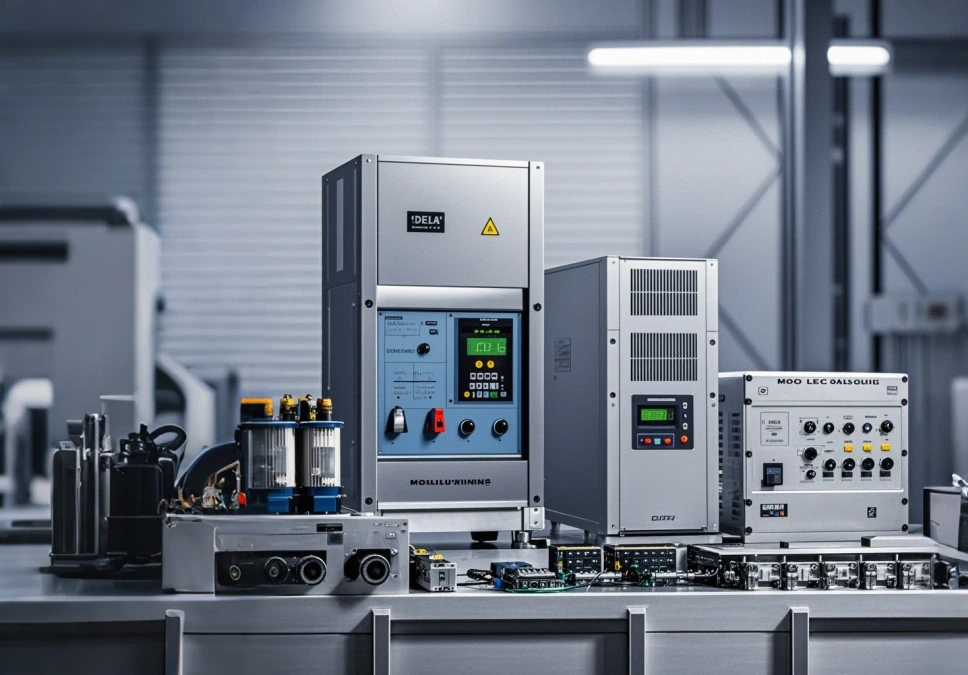
Switch disconnector lock applications span industrial panels, machinery, HVAC, solar systems, and maintenance isolation points.
Switch Disconnector Lock is widely used where electrical equipment needs controlled isolation during maintenance. Industrial sites often place these locks on switch disconnectors near motors, pumps, compressors, and production machines. The lock keeps the operating handle in a defined position and limits unauthorized switching. This function matters when several workers share equipment or when stored energy creates additional hazards. A simple OFF command may not provide enough assurance during servicing. Workers need a clear physical barrier against accidental operation. For that reason, lockable isolation points often form part of a site’s electrical safety procedure.
Selection also depends on handle geometry, enclosure space, current rating, environmental conditions, and the isolation device itself. Real installations therefore require more than matching a generic lock to a switch name.
What Does an Isolation Lock Actually Secure?
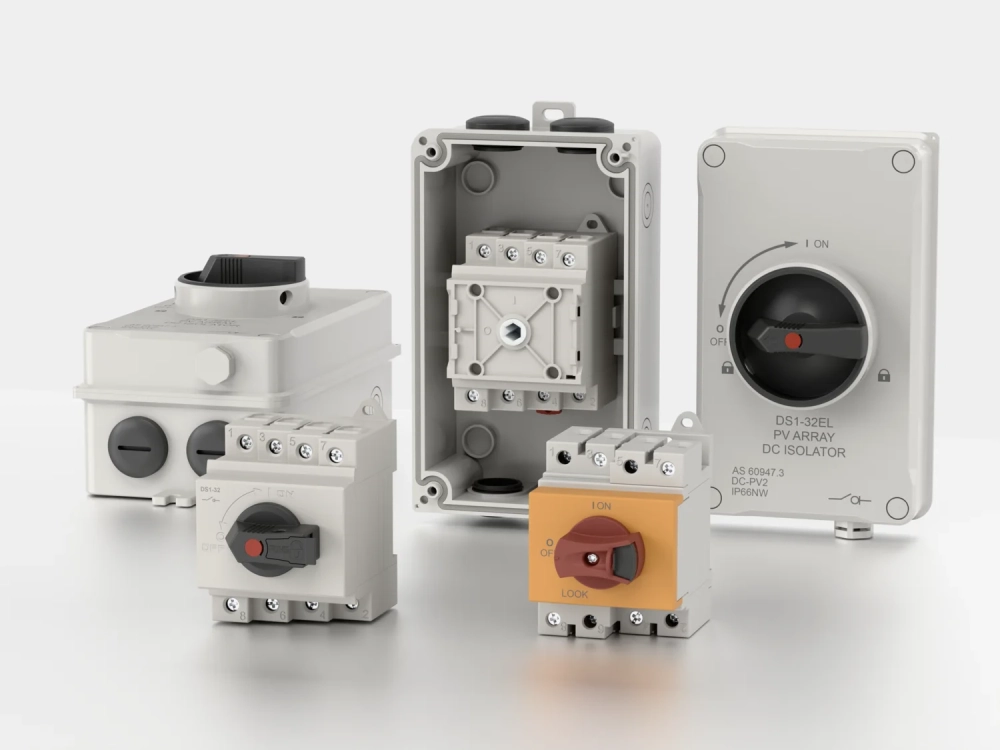
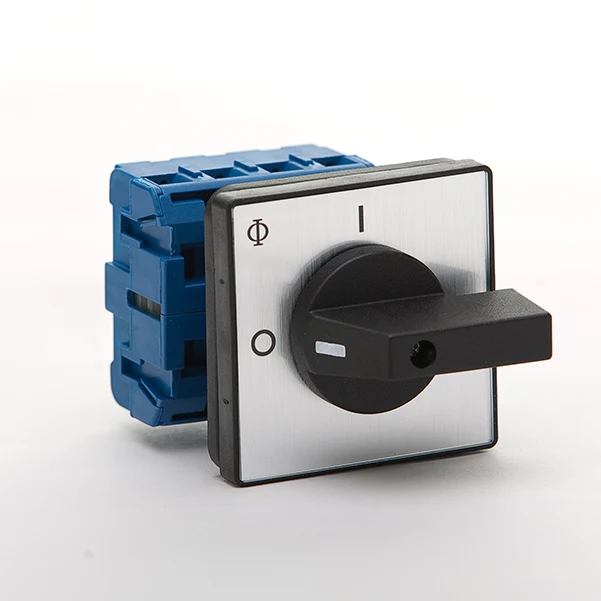
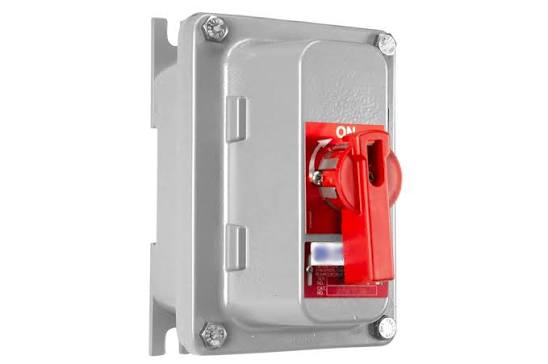
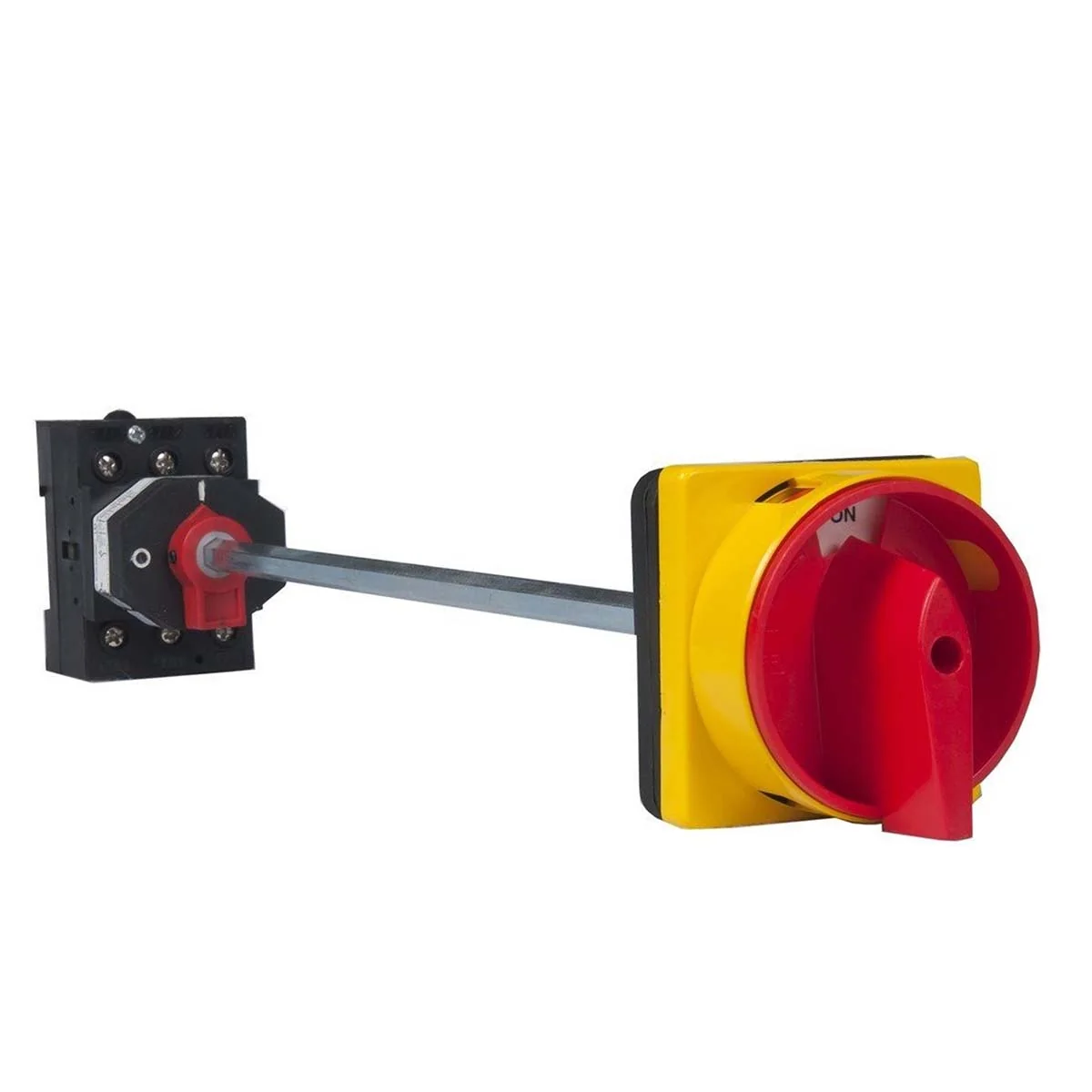
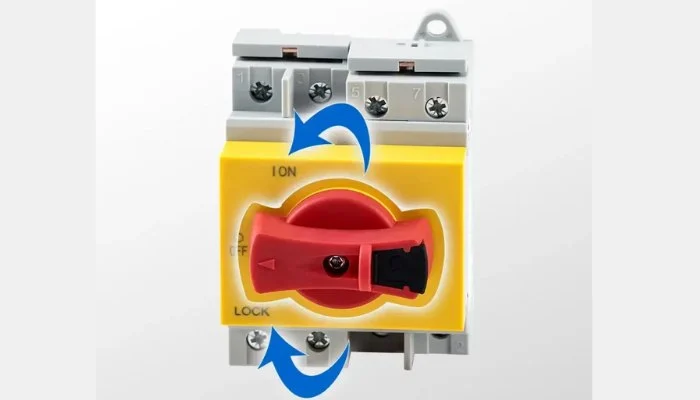
The lock normally secures an energy isolating device rather than the equipment load itself. Many disconnectors use rotary handles, toggle handles, or door-mounted operating mechanisms. Each design creates different clearance and attachment requirements. A suitable device must hold the handle firmly without blocking its normal operation before isolation. After shutdown, the mechanism should prevent movement toward the energized position. Some installations also use hasps when several authorized workers need individual locks. A Disconnector Lock therefore works as one physical element within a larger isolation process. Workers must identify each energy source, stop equipment, isolate each source, and verify hazardous energy is absent. OSHA’s hazardous-energy rules emphasize these procedural controls for covered maintenance work.
Where Are Switch Disconnector Locks Commonly Used?
Manufacturing plants provide one of the clearest applications for lockable disconnecting equipment. Production lines may contain conveyors, servo drives, motors, heaters, pumps, and pneumatic systems. A maintenance electrician may need to isolate one machine while nearby equipment continues running. The isolation point must remain physically secure throughout the repair. Consider a packaging line with a dedicated motor disconnect beside its control panel. A technician can stop the machine, open the disconnect, apply the lock, and verify that the motor cannot restart. The procedure becomes especially important during jam clearing or component replacement. OSHA states that covered servicing work requires hazardous energy controls when unexpected startup could injure workers. Verification should follow isolation.
How Are They Used in Industrial Control Panels?
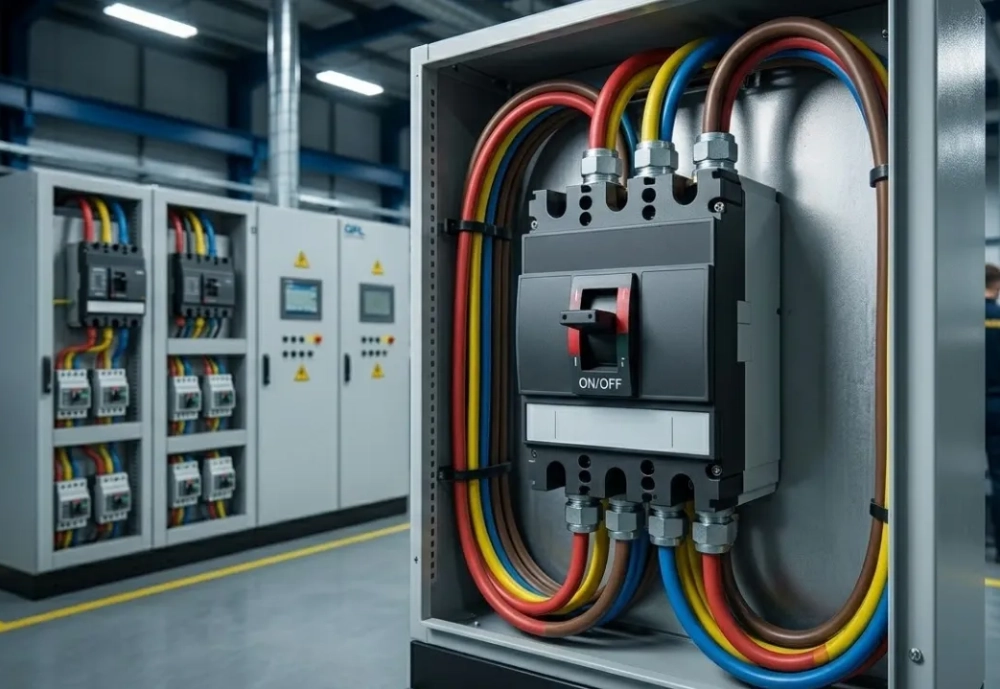
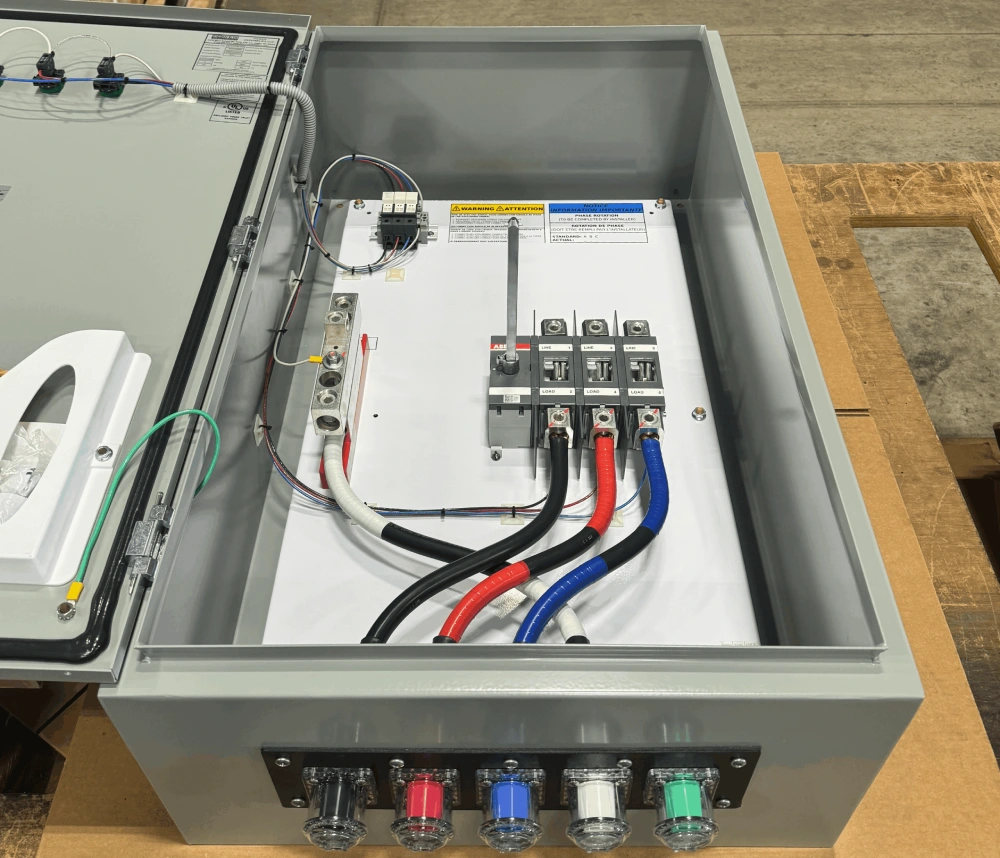
Switch Disconnector Lock selection becomes more demanding inside industrial control panels and motor control centers. Space limitations can affect handle movement, lock attachment, and door closure. Buyers should check the operating mechanism before selecting a locking accessory. Rotary handles may require different attachment geometry from compact toggle mechanisms. Panel builders also need sufficient clearance around the lock for routine operation and maintenance. A food processing plant, for example, may operate multiple motors from adjacent control sections. Maintenance teams could service one conveyor while other lines remain active. Clear identification helps workers select the correct isolation point. A lock that fits physically but obscures labels or interferes with the enclosure door can create unnecessary operational problems. Sample testing remains valuable before approving a large production order.
What Role Do They Play in Commercial Buildings?
Commercial buildings use isolating devices across mechanical and electrical systems that require periodic servicing. Large HVAC units, chilled-water pumps, exhaust fans, and rooftop equipment often have local disconnects. Facility technicians may need to isolate one motor without shutting down an entire building. The locking method must tolerate the equipment location and local environment. Rooftop applications can expose hardware to rain, ultraviolet radiation, dust, and temperature changes. Mechanical rooms may instead present oil, condensation, vibration, and limited access. A commercial facility manager should therefore match the locking accessory to both the disconnect design and the installation environment. Clear labeling also matters because multiple disconnects can sit within a small electrical room. A secure isolation point can support maintenance coordination when several contractors work on separate building systems.
How Do Maintenance Teams Apply Them to Machinery?
Industrial machinery creates another important application because electrical isolation often interacts with mechanical hazards. A CNC machine may contain spindle motors, pumps, heaters, fans, and control electronics. A conveyor system may also connect several motors through separate electrical sources. Switch Disconnector Lock hardware can secure the appropriate disconnect when maintenance requires physical isolation. Workers must still address pneumatic pressure, gravity, rotating inertia, and stored electrical energy where those hazards exist. OSHA treats hazardous energy broadly, covering electrical, mechanical, hydraulic, pneumatic, chemical, thermal, and other sources. A locking accessory therefore supports an energy-control procedure rather than replacing it. The correct isolation strategy depends on the machine design, maintenance task, and number of energy sources involved.
Can Solar and Renewable Energy Systems Use Them?
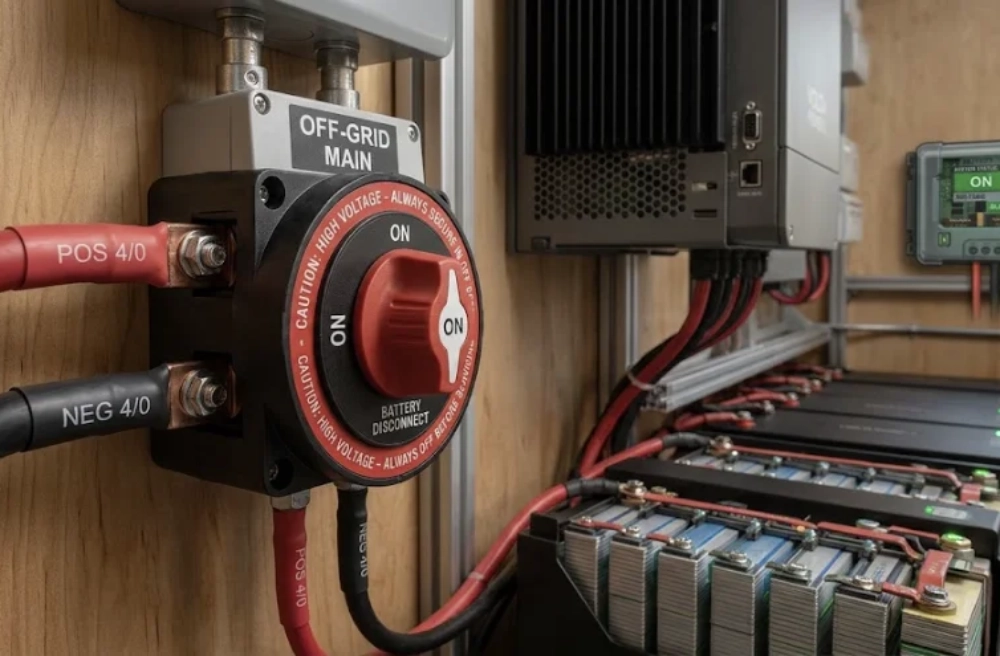
Solar and renewable energy installations create different isolation requirements from conventional factory equipment. Photovoltaic systems can contain DC strings, inverters, AC disconnects, battery systems, and auxiliary circuits. Maintenance teams may need to isolate several sources before opening equipment or replacing components. A locking device must match the physical disconnect mechanism and its installation environment. Outdoor enclosures may require corrosion-resistant materials and suitable environmental protection. DC applications also demand careful attention to the equipment manufacturer’s switching capability and system voltage. Buyers should avoid assuming that an accessory suitable for an AC panel automatically suits a photovoltaic installation. Project engineers should confirm the actual isolation points, equipment instructions, and applicable electrical requirements before procurement. The same principle applies to battery energy storage systems with multiple isolation locations.
What Should Buyers Check Before Selecting a Switch Disconnector Lock?
A practical purchasing process starts with the disconnect rather than the lock. Buyers should record the operating mechanism, dimensions, pole arrangement, current rating, voltage rating, mounting method, and enclosure conditions. Photographs help during early supplier communication, but dimensional drawings provide stronger confirmation. Samples should then undergo physical installation and repeated operation. Testing should confirm that the handle reaches the intended isolation position and that the locking device remains secure. Procurement teams should also review material quality, surface treatment, corrosion resistance, and production consistency. For overseas projects, documentation can matter as much as hardware. The supplier should provide clear product specifications and identify applicable testing or conformity information. A successful sample fit reduces the risk of receiving a large batch that requires modification or replacement.
How Do Lockable Isolators Support Safer Maintenance Work?
A documented OSHA case shows why the quality of the isolation point matters. OSHA described an overhead crane case involving a millwright and a crane disconnect. The worker turned off the disconnect and placed a lock on its lever. The lever had corroded and could separate from the switch assembly. Although the lever appeared OFF, the internal mechanism remained ON. The worker did not verify deenergization before contacting an energized bus bar, and a fatal injury occurred. This case demonstrates a critical engineering point: visible handle position alone cannot prove isolation. Equipment condition, mechanical integrity, verification, and procedural controls all matter. A locking device can prevent handle movement. It cannot compensate for a defective disconnect mechanism or incomplete verification. Verification remains essential.
| Application | Typical Equipment | Isolation Location | Key Selection Concern |
|---|---|---|---|
| Manufacturing | Motors, conveyors, pumps | Control panel or local disconnect | Frequent operation and durability |
| Commercial HVAC | Fans, pumps, chillers | Mechanical room or rooftop | Environment and access |
| Solar Energy | Inverters, PV systems | AC or DC disconnect | System voltage and mechanism |
| Food Processing | Packaging and processing machines | Machine-side disconnect | Moisture and cleaning exposure |
| Logistics | Conveyor systems | Local motor isolation point | Multiple isolation locations |
What Problems Can Poor Lock Compatibility Cause?
Poor compatibility can create several problems even when the lock appears suitable during initial inspection. An attachment may slip from a narrow handle or prevent the handle from reaching its full isolation position. Excessive size can interfere with enclosure doors, labels, or adjacent controls. Weak materials may deform after repeated use, especially in demanding industrial environments. Corrosion can also affect moving parts and attachment points. Buyers should check these risks before approving production quantities. A useful evaluation sequence includes:
- Confirm the disconnect model and operating mechanism.
- Measure the handle and available clearance.
- Test installation in the actual enclosure.
- Operate the mechanism repeatedly.
- Verify secure locking in the intended position.
- Inspect the lock after environmental exposure when relevant.
Which Industries Rely Most on Switch Disconnector Lock Solutions?
Switch Disconnector Lock procurement also differs across industries because equipment layouts and maintenance routines vary. Manufacturing sites often prioritize frequent operation and mechanical durability. Commercial facilities may place greater emphasis on compact installation and environmental exposure. Renewable projects can require outdoor corrosion resistance and compatibility with specialized disconnects. Food processing environments may introduce washdown, moisture, and cleaning chemicals. Logistics facilities can involve conveyors with multiple interconnected isolation points. Water treatment plants may combine electrical equipment with pumps, valves, and process systems. The table below summarizes common requirements for each setting. These categories help buyers compare applications before requesting quotations. However, final specifications should come from the actual disconnect design and site conditions.
| Industry | Common Isolation Equipment | Operating Environment | Primary Procurement Focus |
|---|---|---|---|
| Manufacturing | MCCs and machine disconnects | Industrial production areas | Mechanical durability |
| Building Services | HVAC disconnects | Indoor and rooftop areas | Compact fit and weather exposure |
| Renewable Energy | PV and battery disconnects | Outdoor and utility areas | Voltage and corrosion resistance |
| Water Treatment | Pump and motor disconnects | Humid process environments | Material and environmental resistance |
| Logistics | Conveyor disconnects | Warehouses and distribution centers | Identification and accessibility |
How Should Buyers Verify a Lock Before Bulk Orders?
Global engineering projects require careful coordination between product selection, installation practice, and local requirements. Switch Disconnector Lock buyers should confirm the manufacturer and operating mechanism before placing bulk orders. Project specifications may also identify electrical standards, enclosure ratings, material requirements, or documentation packages. Those requirements can differ between jurisdictions and project owners. Suppliers should provide consistent dimensions across production batches because small geometry changes can affect fit. Quality teams can use incoming inspection samples to verify critical measurements and material condition. Maintenance departments should also review whether workers can attach and remove locks without awkward positioning. These practical checks reduce installation delays and improve repeatability across multiple sites. Procurement decisions become stronger when engineering, maintenance, safety, and quality teams review the same product information.
FAQ
Can a switch disconnector be locked in the OFF position?
Yes, many switch disconnectors can accept a locking accessory when their operating mechanism provides a suitable locking point. The device must hold the handle securely in the required isolation position. Compatibility depends on the handle design, dimensions, mounting arrangement, and available clearance. Some rotary mechanisms include dedicated holes, while others require an external accessory designed for that model. Workers should also verify that the disconnect actually isolates the intended energy source. A lock should never be treated as proof that electrical energy has disappeared. Authorized personnel must follow the site’s energy-control procedure and verify safe conditions before maintenance begins. OSHA requires appropriate lockout controls for covered servicing work where unexpected energization could cause injury.
Is a switch disconnector lock the same as a circuit breaker lock?
No. A switch disconnector and a circuit breaker perform different primary functions, although some devices can combine several functions. A disconnector generally provides isolation and switching within its specified operating limits. A circuit breaker adds protective interruption for abnormal current conditions such as overloads and short circuits. Their operating mechanisms and locking accessories can therefore differ significantly. Buyers should identify the exact device before ordering a locking accessory. Using a breaker lock on a disconnector may produce poor fit or unreliable operation. Likewise, a disconnector lock does not provide overcurrent protection. The correct selection depends on the equipment function, manufacturer design, electrical rating, and required maintenance procedure.
What should I check when buying switch disconnector locks wholesale?
Wholesale buyers should verify compatibility before comparing unit prices. Start with the disconnect model, handle dimensions, mounting arrangement, and available enclosure space. Request technical drawings and samples when the mechanism is unfamiliar. Test the sample in the actual installation and operate it repeatedly. Material, corrosion resistance, environmental conditions, and production consistency also deserve attention. Project documentation may specify electrical standards, enclosure requirements, or inspection records. Suppliers should explain manufacturing tolerances and quality checks for repeat orders. Buyers should also confirm packaging, identification, and batch traceability when multiple project sites are involved. A low purchase price has limited value if the locking device requires field modification or cannot maintain reliable isolation.