When Should You Use A Locking Disconnect Switch?
Locking disconnect switch options for electrical isolation, maintenance safety, equipment control, and reliable industrial use.
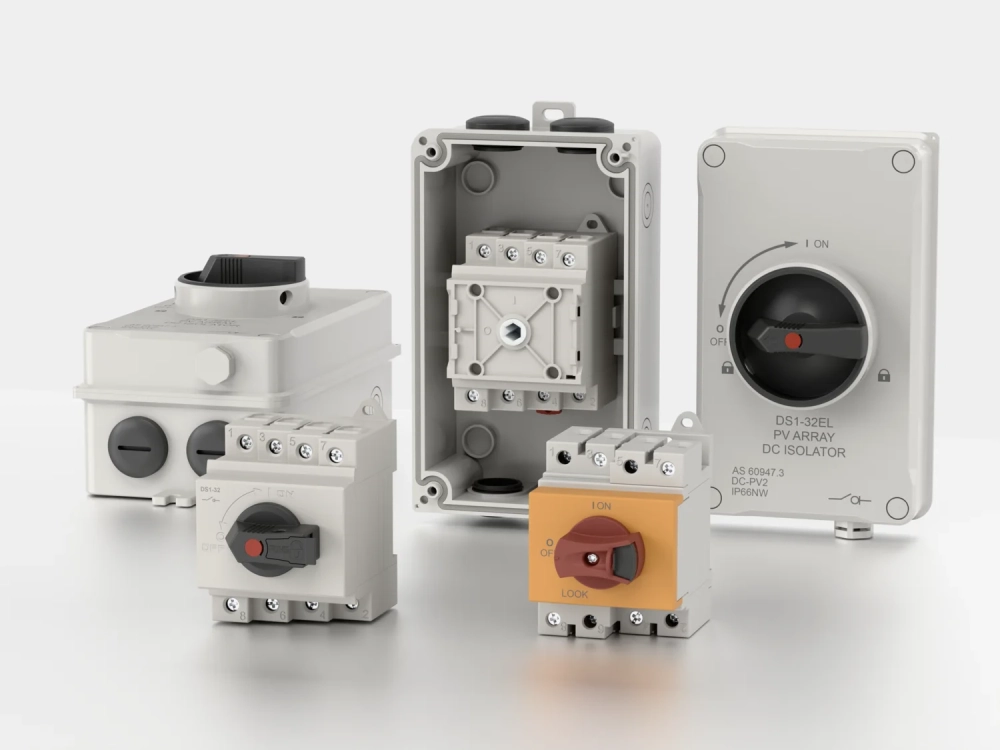
Electrical equipment needs a dependable isolation point whenever maintenance exposes workers to hazardous energy. A locking disconnect switch provides physical separation between the power source and connected equipment. Its locking feature helps prevent unauthorized operation during servicing. Operators can also identify the isolated position through a clearly defined handle position. A control button alone cannot provide the same physical barrier against energization. OSHA requires energy-control procedures when unexpected machine startup or energy release could cause injury. These procedures apply to electrical and several other hazardous energy sources. Industrial facilities should therefore treat isolation as a planned safety function. Proper selection also considers voltage, current, poles, enclosure protection, and installation conditions. The isolation device should match the equipment design and the facility's maintenance procedures.
When Does Equipment Require Lockable Isolation?
Lockable isolation becomes important when maintenance activities could expose personnel to energized components. Typical tasks include inspection, cleaning, adjustment, lubrication, troubleshooting, and component replacement. Authorized workers need a physical means to control electrical supply during these activities. OSHA defines servicing activities broadly, including cleaning, unjamming, tool changes, and adjustments where unexpected energization could create hazards. Production environments can create additional risks because several workers may service interconnected equipment. One employee may stop a machine while another employee works on its electrical system. A secured isolation point reduces the possibility of unintended restoration. Facilities should also identify upstream supplies, auxiliary circuits, and stored energy before maintenance begins. Equipment with multiple energy sources requires particular attention because one isolated circuit may not eliminate every hazard.
How Does a Locking Disconnect Switch Improve Maintenance Safety?
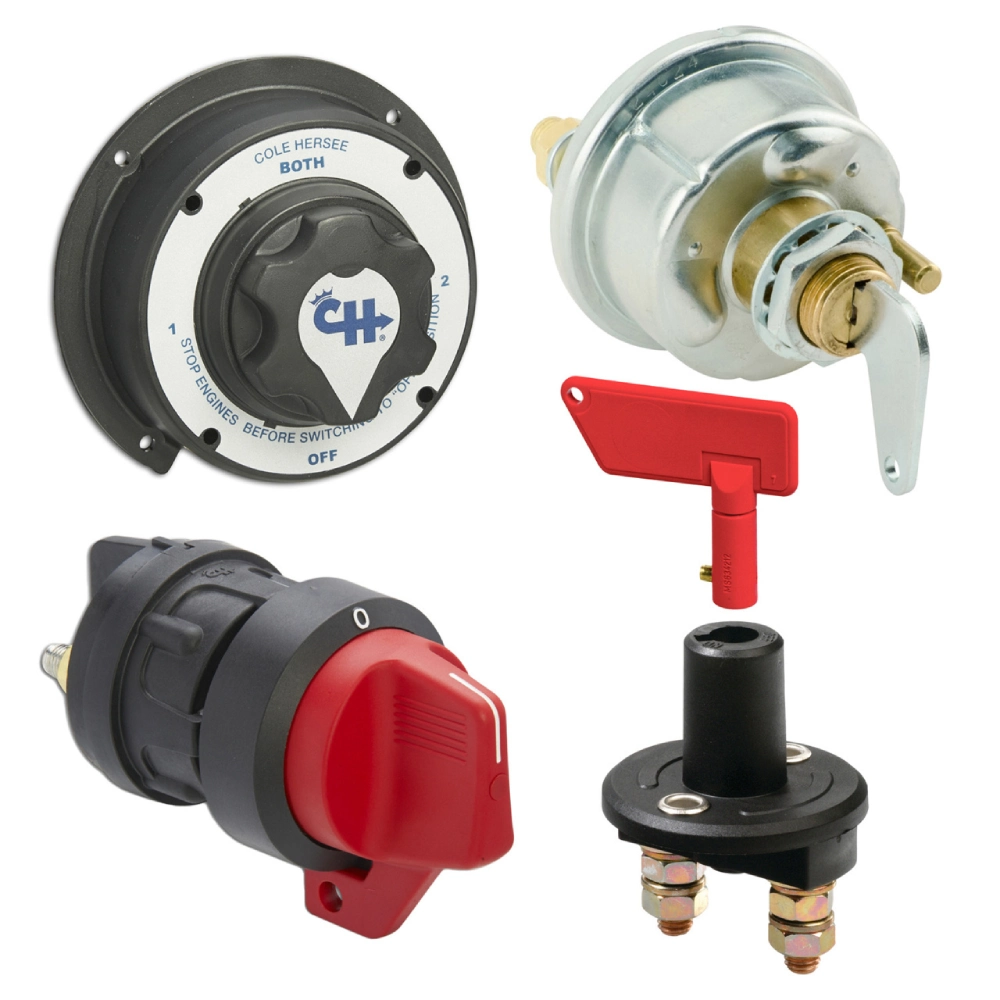
A physical locking mechanism creates an additional barrier against accidental re-energization during maintenance. Authorized workers can move the disconnect to the required position and apply their personal lock according to site procedures.The device therefore becomes part of a broader lockout process rather than an isolated safety component. OSHA states that lockout devices prevent operation of energy-isolating devices until authorized removal. A documented procedure should also include shutdown, isolation, lock application, verification, and controlled restoration. A real OSHA case illustrates the consequences of incomplete isolation. In 2019, a textile worker contacted an energized transformer while working on a folding machine after lockout procedures were interrupted for testing. The worker suffered an electrical shock and burn requiring hospitalization. Physical isolation, verification, and disciplined restoration procedures could reduce similar risks.
Which Electrical Ratings Should You Check Before Selection?
Electrical ratings should reflect the actual system rather than a simple equipment nameplate comparison. Voltage rating establishes the maximum operating voltage supported under specified conditions. Current rating determines whether the device can carry the intended continuous load. Frequency, phase arrangement, and load characteristics also influence selection. Motors deserve special attention because starting current can exceed normal running current. Transformers and capacitive loads can create different electrical stresses during switching. A locking disconnect switch should also coordinate with upstream overcurrent protection. The disconnect does not automatically replace a fuse or circuit breaker. Buyers should check utilization categories, terminal capacity, temperature limits, and conductor compatibility in technical documentation. Short-circuit conditions require separate evaluation because available fault current can exceed normal operating current by a large margin. Proper electrical coordination improves reliability and reduces unsuitable product selection.
| Selection Factor | What to Check | Selection Impact |
|---|---|---|
| Voltage | System voltage and phase | Confirms operating compatibility |
| Current | Continuous load and duty | Supports safe thermal performance |
| Frequency | 50 Hz or 60 Hz system | Confirms application suitability |
| Load Type | Motor, heater, transformer, or mixed load | Determines switching stress |
| Pole Count | Conductors requiring isolation | Determines circuit separation |
| Fault Rating | Available short-circuit current | Supports protection coordination |
| Enclosure | Indoor or outdoor conditions | Protects internal components |
How Do Pole Configurations Affect Disconnect Performance?
Pole configuration determines how many conductors the device can interrupt simultaneously. Single-pole designs can suit specific single-conductor applications when the electrical design permits them. Double-pole versions can isolate two conductors in appropriate single-phase systems. Three-pole configurations commonly serve three-phase motors and industrial machinery. Four-pole configurations may switch the neutral when system design requires complete conductor separation. Engineers should select pole count from the electrical schematic rather than physical convenience. The locking disconnect switch must isolate every conductor that maintenance personnel could otherwise contact or energize. Neutral switching requires particular care because some systems require continuous neutral connections. Incorrect pole selection can leave an energized conductor inside equipment after the operator assumes complete isolation. A circuit review should therefore precede product selection. Electrical diagrams, equipment ratings, maintenance procedures, and local requirements should all support the final configuration.
What Locking Mechanisms Should Industrial Buyers Consider?
Locking mechanisms differ in construction, accessibility, and permitted operating positions. Padlockable handles allow authorized workers to secure the operating position with physical padlocks. Some products accommodate multiple locks, which can support maintenance involving several employees. Integrated locking systems can reduce the need for separate accessories. Buyers should verify whether the mechanism locks only in the OFF position or supports additional positions. Handle accessibility also matters when technicians wear gloves or protective equipment. A reliable mechanism should provide positive movement and a clearly defined locked state. The Disconnector Lock concept also deserves attention when equipment requires repeated isolation cycles. Outdoor applications introduce additional concerns because moisture, dust, ultraviolet exposure, and corrosion can affect moving parts. Product documentation should identify locking positions, mounting dimensions, material specifications, environmental ratings, and compatible accessories before purchase.
Where Are Locking Disconnect Switches Commonly Used?
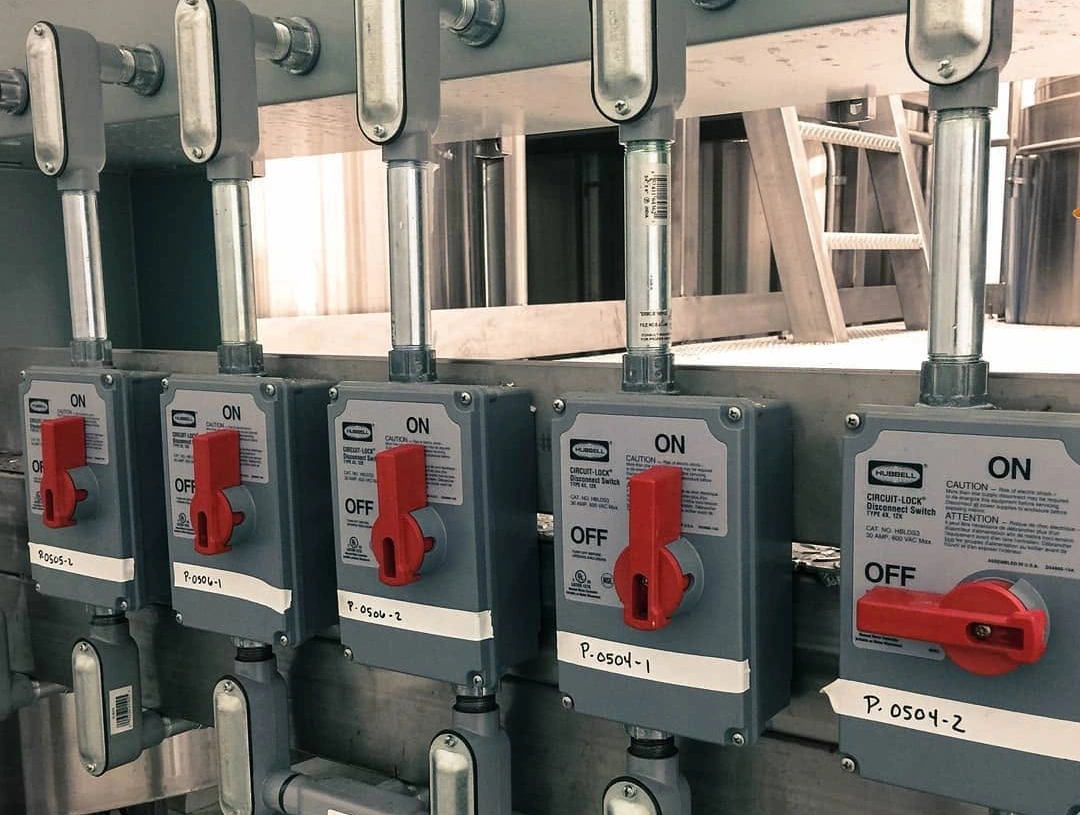
Many industrial and commercial systems require accessible electrical isolation near equipment. Motor-driven machinery often needs local isolation before mechanical or electrical service. HVAC installations may require disconnect points for compressors, fans, pumps, and control equipment. Production machinery can also need isolation when technicians perform adjustments or replace components. Control cabinets may incorporate disconnecting devices that separate incoming power from internal circuits. Outdoor equipment introduces additional enclosure and environmental requirements. Common applications include:
- Motor-driven machinery
- HVAC equipment
- Pumps and compressors
- Industrial production lines
- Control panels
- Outdoor electrical equipment
Why Do Application Conditions Matter After Selection?
Environmental conditions can determine whether an electrical device performs reliably throughout its service life. High humidity can accelerate corrosion on exposed metallic surfaces and mechanical interfaces. Dust can accumulate around handles, seals, and enclosure openings. Chemical vapors may attack plastics, coatings, elastomers, and conductive materials. Outdoor equipment also faces ultraviolet radiation, temperature changes, rain, and condensation. A locking disconnect switch should therefore match both electrical and environmental conditions. NEMA and IP classifications provide useful references for enclosure protection. However, the appropriate rating depends on the actual installation environment. Food-processing facilities may require frequent washdown resistance. Chemical plants may require materials compatible with specific substances. Outdoor installations may need stronger protection against moisture and ultraviolet exposure. Correct environmental selection protects internal mechanisms and can reduce maintenance interruptions.
What Installation Factors Affect Long-Term Reliability?
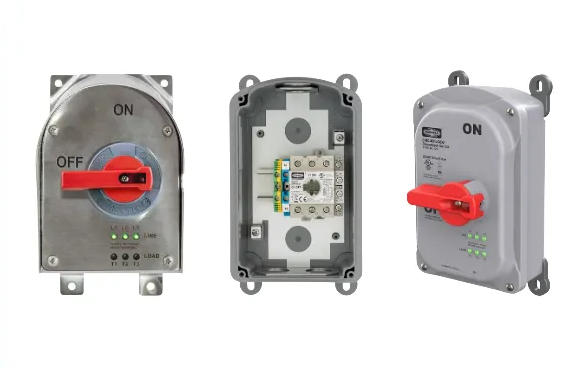
Installation quality directly affects electrical temperature, mechanical stability, and operating reliability. Conductors must fit the specified terminal range without excessive bending or compression. Installers should follow the manufacturer's stated torque requirements for terminal connections. Loose terminals can increase electrical resistance and create localized heating under load. Excessive torque can damage terminal components or deform conductive parts. Mounting hardware should maintain stable alignment when technicians repeatedly operate the handle. Cable routing should also prevent unnecessary mechanical stress at terminal points. After installation, technicians should verify switching operation and confirm that the intended circuit becomes de-energized. OSHA requires verification before covered servicing continues. Installation records can document conductor size, terminal torque, mounting condition, grounding, switching function, and isolation results. These checks help identify installation problems before equipment enters regular production service.
| Installation Check | Verification Method | Potential Problem |
|---|---|---|
| Terminal Torque | Compare with manufacturer specification | Loose connection or overheating |
| Conductor Size | Check approved terminal range | Poor electrical connection |
| Mounting | Inspect alignment and hardware | Mechanical instability |
| Handle Operation | Test defined operating positions | Unclear switching status |
| Locking Function | Test required locking position | Unauthorized operation risk |
| Grounding | Verify protective conductor continuity | Inadequate fault path |
| Enclosure | Inspect covers, seals, and openings | Environmental exposure |
| Isolation | Verify absence of intended voltage | Unexpected energization |
How Should Buyers Evaluate Product Quality?
Quality evaluation should cover electrical construction, mechanical operation, materials, and documentation. Contact materials influence conductivity, switching durability, and resistance to wear. Spring pressure should remain consistent enough to maintain dependable contact engagement. Operating mechanisms should provide positive movement between defined positions. Enclosure materials should match temperature, impact, moisture, and chemical exposure. Locking components deserve separate inspection because repeated padlock use can stress handles and mounting points. Buyers should request technical drawings, electrical ratings, certifications, test information, and installation instructions. Production consistency also matters for repeated equipment purchases. A technically strong sample provides limited value if later production batches vary in dimensions or terminal quality. Suppliers should maintain controlled specifications for critical components. Factory inspections can compare production units with approved samples and documented requirements. Consistent documentation also makes replacement and future procurement more efficient.
What Standards and Compliance Factors Should You Verify?
Electrical isolation equipment must meet the standards applicable to its market and intended installation. UL standards commonly influence product acceptance in North American applications. IEC standards provide an important framework for many international electrical installations. Buyers should verify the exact standard referenced by the product documentation rather than relying on general certification claims. Certification markings should correspond with the specific model and rating. Testing information should also cover the product configuration supplied for production use. OSHA requirements address workplace energy-control procedures, while product standards address equipment construction and performance. These requirements serve different purposes and should not be treated as interchangeable. A locking disconnect switch selected for an industrial facility should therefore satisfy both equipment requirements and the site's safety procedures. Purchasing teams should retain certification records, technical drawings, installation instructions, and applicable test reports for future maintenance and compliance checks.
What Real Cases Show About Electrical Isolation?
OSHA accident records provide practical evidence of the consequences of incomplete isolation. In February 2023, an employee performing substation maintenance worked on a 9601 solid disconnect switch. The worker cleaned disconnect blades while the upper portion remained energized. Contact with the energized section caused an electrical shock, a fall, and a fatal injury. OSHA identified electrical shock, maintenance activity, and lockout-related factors within its investigation. The case demonstrates why operating a disconnect does not automatically prove that every relevant conductor has become safe. Maintenance planning must identify upstream and downstream supplies before work begins. Technicians should also verify the actual work area rather than relying only on handle position. Equipment with multiple feeds requires particular attention because auxiliary circuits can remain energized. Physical isolation, documented procedures, and voltage verification should work together before exposed maintenance starts.
How Can You Select the Right Locking Disconnect Switch?
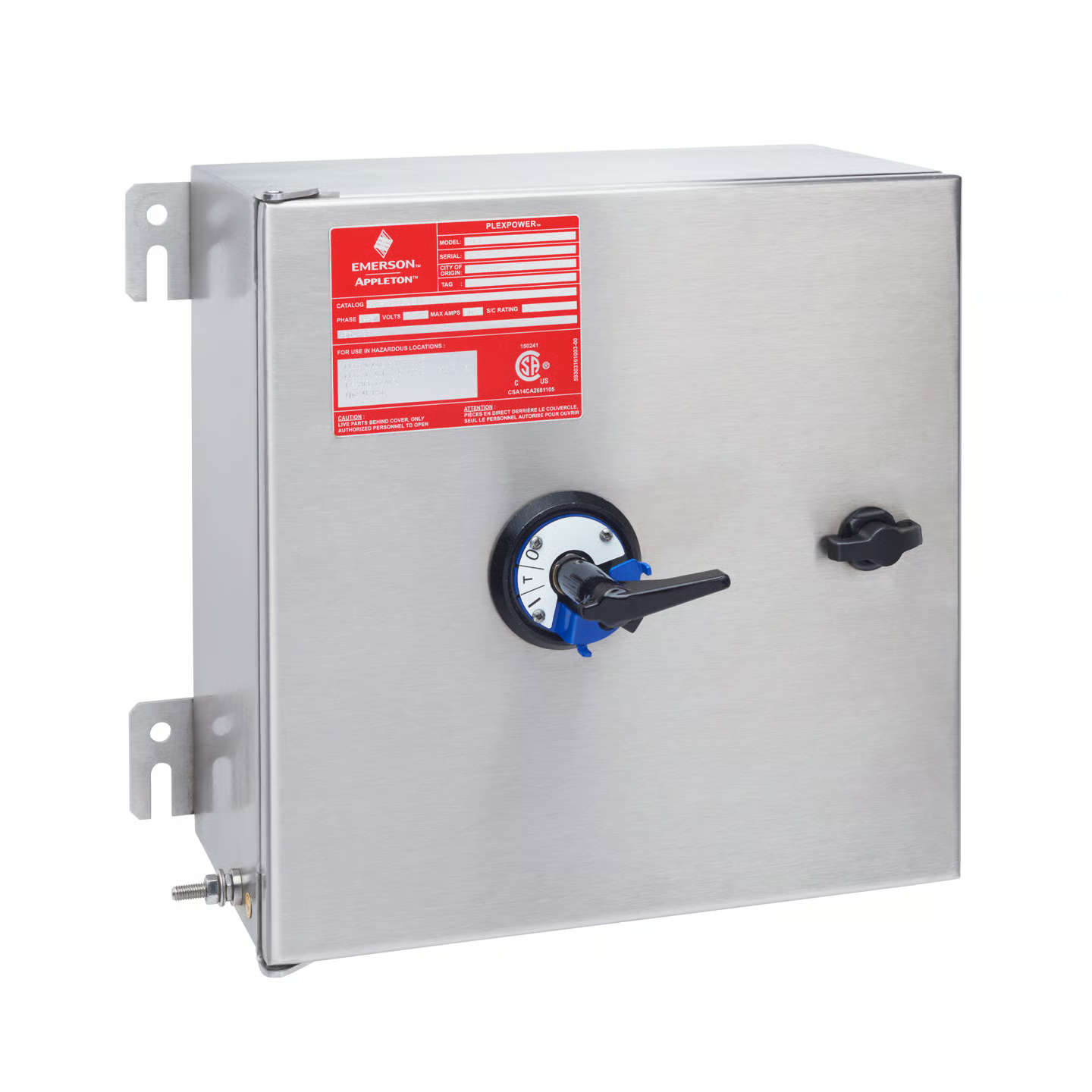
Selection should begin with the electrical system instead of enclosure appearance or purchase price. First, identify voltage, phase, frequency, load type, and full-load current. Next, determine which conductors require simultaneous isolation during maintenance. Then evaluate available fault current and coordination with upstream protective equipment. Environmental conditions should determine enclosure protection and material requirements. Maintenance procedures should define the required locking method and handle accessibility. Installation dimensions should also match the existing cabinet, panel, or equipment layout. Finally, verify certification requirements for the destination market and intended application. A locking disconnect switch should support the complete isolation strategy rather than serve as an isolated purchasing decision. Buyers should compare technical documentation, mechanical construction, electrical ratings, environmental protection, and supplier consistency. This approach reduces installation changes and supports reliable maintenance across repeated equipment platforms.
FAQ
Can a locking disconnect switch replace circuit protection?
No. A disconnecting device and an overcurrent protective device perform different functions. The disconnect provides a means for separating equipment from its electrical supply. Fuses and circuit breakers protect conductors and equipment against excessive current and short-circuit conditions. Some products combine switching and protection functions, but buyers must verify the exact product construction and ratings. Never assume that a lockable handle provides fault-current protection. Engineers should coordinate the disconnect with upstream protective equipment and available fault current. Proper coordination improves both maintenance safety and electrical reliability. The installation should also follow the manufacturer's requirements and applicable electrical standards.
Can you lock a disconnect switch in the ON position?
Some products permit locking in multiple operating positions, while others restrict locking to OFF. The permitted configuration depends on the product design and intended application. Maintenance procedures generally prioritize securing the isolated state against accidental re-energization. OSHA lockout requirements focus on securing energy-isolating devices so equipment cannot operate until authorized removal. Buyers should therefore confirm permitted locking positions before installation. A lockable handle does not independently prove complete electrical isolation. Technicians still need to identify every energy source and verify the equipment's de-energized condition. Product drawings and manufacturer documentation should confirm the available locking positions.
What should you check before installation?
Check voltage, current, phase, frequency, pole count, load type, and short-circuit requirements first. Confirm that terminals accept the intended conductor size and material. Review enclosure protection against moisture, dust, chemicals, temperature, and impact. Verify the handle position and locking method against the site's maintenance procedure. Inspect mounting dimensions to ensure sufficient clearance for wiring and operation. Install conductors according to specified torque requirements. After installation, test switching operation and verify that the intended circuits become de-energized. Maintenance personnel should also follow the facility's established energy-control procedure. OSHA requires verification of isolation before covered servicing proceeds. These checks connect product selection with actual electrical, environmental, and maintenance conditions.