
How Does High Display Voltage Presence Wholesale Work?
High display voltage presence wholesale ensures reliable indication through sensing, insulation, testing, and quality control.
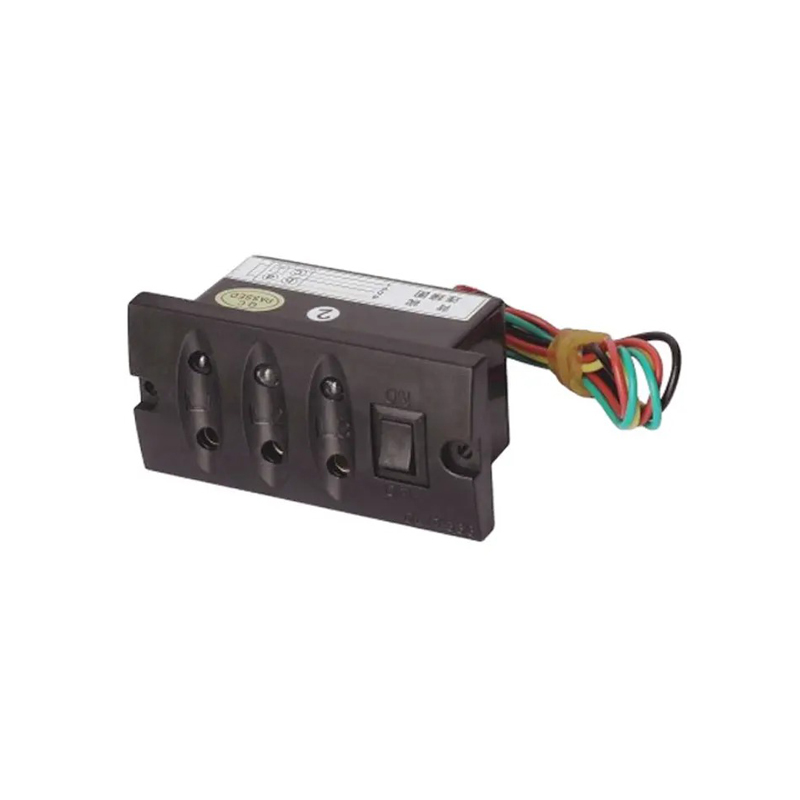
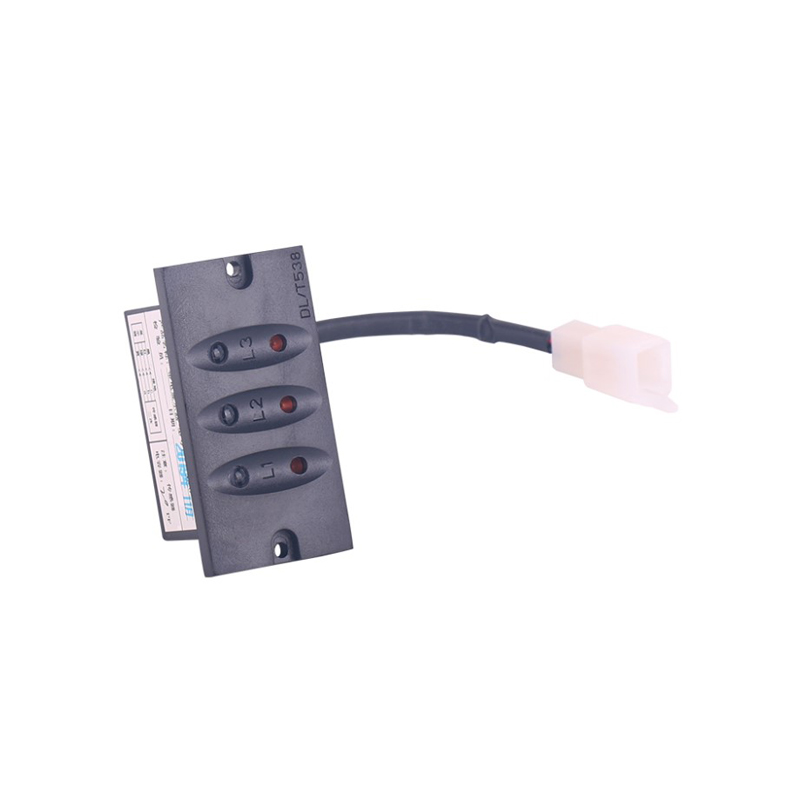
High Display Voltage Presence Wholesale and Its Core Function
High display voltage presence wholesale supports reliable status indication in medium-voltage switchgear. Buyers normally purchase these systems for repeated equipment builds. The system detects electrical potential through controlled sensing structures. It then converts the sensed condition into a visible indication. This process helps operators recognize energized circuits before maintenance activities. Proper design also limits exposure to high-voltage electrical stress. Wholesale supply adds another concern because every batch must maintain consistent performance. Buyers therefore need technical specifications, testing evidence, and production controls. Installation dimensions also matter when equipment uses fixed panel layouts. A suitable system should match the switchgear structure and electrical rating. Careful supplier evaluation reduces mismatches during assembly and commissioning. The complete process involves sensing, signal processing, insulation, testing, and controlled production.
How Does a Voltage Presence System Detect High Voltage?
A voltage presence system starts by sensing electrical potential from the primary circuit. Many switchgear designs use capacitive coupling between the conductor and sensing circuit. The coupling structure transfers a controlled signal without exposing the display circuit directly to full voltage. A sensing network then limits current and conditions the signal. The electronic circuit evaluates whether the measured level exceeds its indication threshold. Once the threshold is reached, the display produces a clear visual status. Three independent channels can represent the three phases separately. Correct phase separation helps operators identify abnormal conditions during inspection. Signal conditioning also reduces unwanted response from electrical noise. Designers must coordinate insulation, capacitance, threshold values, and circuit impedance. These factors determine stable indication across the intended voltage range. A properly engineered system combines electrical sensing with controlled signal processing.
What Components Control Voltage Presence Indication?
Core components determine how consistently a switchgear voltage indicator performs. The sensing electrode connects to the high-voltage circuit through an engineered coupling path. A coupling capacitor transfers a limited electrical signal toward the detection circuit. Resistors or limiting elements help control current and protect downstream electronics. The detection circuit interprets the resulting signal against a defined threshold. Indicator LEDs then provide a visible phase-by-phase status. Connection terminals provide the interface between the indicator and external wiring. Enclosures and insulating materials protect internal parts from contamination and mechanical contact. Designers also consider creepage distance around conductive sections. Clearance requirements address the shortest air distance between conductive points. Component tolerances can shift sensing thresholds across production batches. Suppliers should therefore control critical electrical parts before assembly. Such consistency matters in high display voltage presence wholesale programs.
How Does a High Display Voltage Presence Wholesale Order Handle Customization?
Wholesale customization usually begins with the switchgear's physical and electrical interface. Buyers may request specific panel dimensions, mounting holes, terminal positions, or display layouts. Electrical customization can include voltage ranges, sensing thresholds, phase arrangements, and connection methods. Mechanical changes can affect insulation spacing and therefore require engineering review. An OEM project should not treat dimensional changes as cosmetic modifications. The supplier must verify every changed interface against electrical safety requirements. ODM projects may also require a new housing, display window, or connector arrangement. A Fixed Voltage Presence Indicating System can support standardized cabinet configurations when voltage classes remain defined. Prototype samples should undergo functional and dielectric checks before mass production. Approved drawings should become controlled production documents. Engineering changes should receive formal revision records and customer confirmation. These controls reduce the risk of mixed specifications during large purchase orders.
What Electrical Ratings Should Buyers Check?
Electrical ratings provide the foundation for selecting a suitable high-voltage indicator. Buyers should first confirm the system's nominal voltage and operating frequency. Rated insulation voltage indicates the level the assembly can withstand under defined conditions. Power-frequency withstand voltage provides another important dielectric verification point. Impulse withstand capability may matter when equipment faces transient overvoltage. The sensing threshold should also match the intended indication circuit. Buyers should verify whether the system supports three-phase indication or another configuration. Connection arrangements require equal attention because terminal positions affect cabinet wiring. Environmental ratings should cover temperature, humidity, altitude, and pollution conditions. Mechanical dimensions must also fit the available mounting space. Suppliers should provide drawings with hole positions and interface dimensions. Clear specifications reduce engineering changes during switchgear assembly. These checks become especially important in high display voltage presence wholesale procurement.
| Parameter | What Buyers Should Check | Production Impact |
|---|---|---|
| Rated voltage | Nominal and operating voltage range | Prevents electrical mismatch |
| Frequency | Specified operating frequency | Supports correct sensing behavior |
| Withstand voltage | Power-frequency dielectric level | Supports insulation verification |
| Impulse rating | Applicable transient withstand level | Helps address surge conditions |
| Sensing threshold | Detection level and tolerance | Controls indication consistency |
| Mounting dimensions | Hole pattern and panel depth | Prevents assembly conflicts |
What Customization Details Affect Switchgear Integration?
Physical integration depends on more than the external appearance of an indicator. Mounting holes must match the cabinet panel without forcing mechanical adjustment. Terminal positions should also align with the planned internal wiring route. Display orientation can affect visibility after installation behind protective doors. Housing depth matters when busbars and cable compartments have limited clearance. Electrical customization requires similar attention to system compatibility. The sensing circuit must match the intended voltage class and connection structure. Changes to insulation materials can also affect creepage and clearance distances. Buyers should therefore approve technical drawings before production tooling begins. Sample units should represent the final material and component configuration. Engineers can then verify fit, wiring, visibility, and electrical behavior together. This approach prevents cosmetic approvals from hiding functional integration problems. It also gives production teams a fixed reference for later batches.
What Testing Should High-Voltage Indicators Pass Before Delivery?
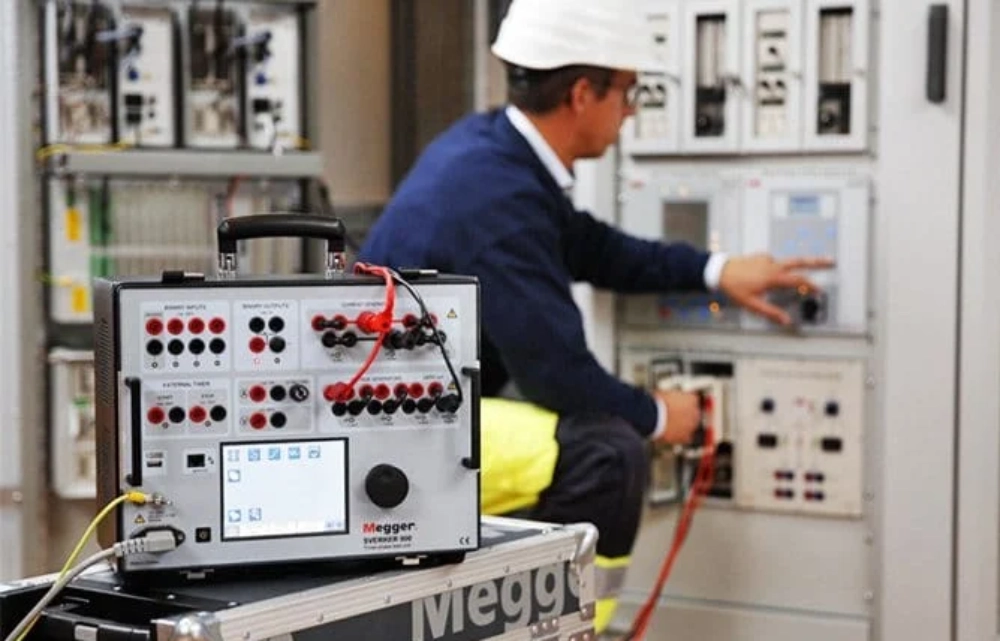
Testing verifies whether the finished indicator meets its intended electrical and mechanical requirements. Functional testing confirms that each phase produces the correct visible status. Insulation testing checks resistance between specified conductive and insulated sections. Withstand testing applies controlled voltage for a defined period. This process stresses insulation and can reveal weaknesses that normal operation may not expose. Visual inspection checks terminals, housings, markings, solder joints, and display alignment. Dimensional inspection confirms mounting features against approved drawings. Sampling plans can combine full functional checks with defined batch inspections. Critical safety characteristics may require tighter controls than cosmetic features. Test records should identify production batches and relevant measurement results. Traceability becomes especially important when buyers order repeated shipments. Suppliers should retain inspection records according to their quality procedures. Consistent testing creates objective evidence for release decisions and customer audits.
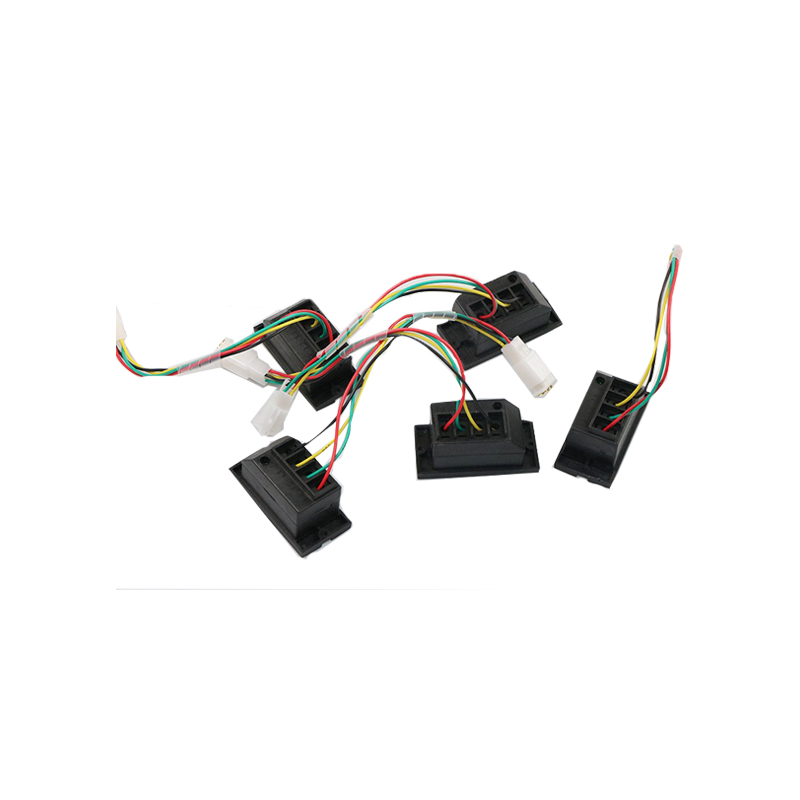
What Should Buyers Request Before Placing a Wholesale Order?
Buyers should request clear documentation before approving a wholesale voltage indicator order. The technical drawing should show mounting dimensions, terminals, and critical tolerances. Electrical data should identify voltage ratings, frequency, insulation levels, and sensing thresholds. Test documentation should describe relevant dielectric and functional verification. Material information can help buyers assess insulation performance and environmental suitability. Samples should represent the intended production configuration rather than a temporary prototype. Buyers should also confirm packaging, labeling, and batch identification requirements. Change-control procedures matter when suppliers replace components or modify production methods. For high display voltage presence wholesale, each specification should remain measurable.
| Document or Check | Recommended Information | Purpose |
|---|---|---|
| Technical drawing | Dimensions, terminals, tolerances | Confirms mechanical compatibility |
| Electrical specification | Voltage, frequency, threshold | Confirms electrical suitability |
| Test records | Functional and dielectric results | Supports quality verification |
| Material information | Insulation and housing materials | Supports environmental assessment |
| Approved sample | Final production configuration | Sets the production reference |
| Traceability data | Batch and component records | Supports later investigation |
Why Do Installation Conditions Affect Voltage Indication?
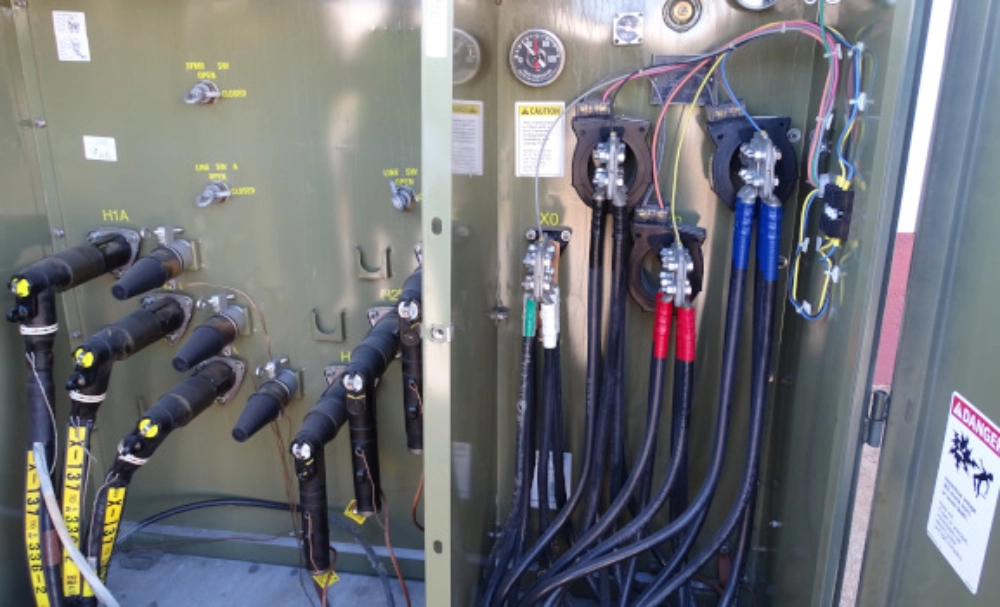
Installation conditions can change the electrical behavior of a voltage presence system. Switchgear compartments may contain strong electromagnetic fields, confined wiring paths, and conductive structures. Nearby grounded metal can influence capacitive sensing characteristics. Cable routing can also introduce unwanted coupling into sensitive signal circuits. Temperature changes can affect electronic components and material properties. High humidity may increase surface leakage across contaminated insulation. Dust and condensation create additional risks inside poorly controlled equipment rooms. Installation teams should follow the supplier's specified mounting orientation and wiring arrangement. Phase connections must remain correctly identified throughout cabinet assembly. Grounding arrangements should also follow the switchgear design and applicable electrical practices. A technically correct indicator can still perform poorly after incorrect installation. Commissioning checks should therefore confirm phase indication and wiring integrity. Site conditions deserve the same attention as factory specifications.
What Can a Real Switchgear Application Reveal About Reliability?
A practical switchgear scenario shows why these controls matter. Consider a medium-voltage distribution panel using three-phase voltage presence indication. The panel builder receives a production lot for identical cubicles. Each indicator must fit the same front-panel cutout and wiring arrangement. Engineers first approve one sample against the cabinet drawing and electrical schedule. The sample then undergoes functional and dielectric verification before release. Production staff use controlled drawings for assembly and inspection. Each finished unit receives phase-status verification during final testing. Batch records connect test results with production dates and component lots. This process helps isolate problems if a later unit shows abnormal indication. The scenario reflects common manufacturing practice, not a branded installation. DXN8D High Voltage Presence Indicator can represent this type of dedicated switchgear indication application. Its main lesson concerns repeatability across identical cabinets. Stable dimensions, controlled components, and documented testing reduce integration problems during delivery. The same principles apply when high display voltage presence wholesale orders cover repeated cabinet builds.
How Can Buyers Control Wholesale Batch Quality?
Batch quality control becomes essential when a wholesale order covers many switchgear assemblies. Buyers should define acceptance criteria before production begins. Suppliers can then align incoming inspection, assembly checks, and final testing with those criteria. Critical components deserve tighter control because their characteristics influence sensing performance. Production records should connect each batch with approved drawings and material lots. Buyers can use the following controls during procurement and production:
- Approve a production sample before mass assembly.
- Verify critical dimensions against controlled drawings.
- Test phase indication and dielectric performance.
- Record batch numbers and component lots.
- Review defects and corrective actions before repeat orders.
These controls create a structured feedback loop between procurement and manufacturing. Consistent quality depends on process discipline rather than visual inspection alone.
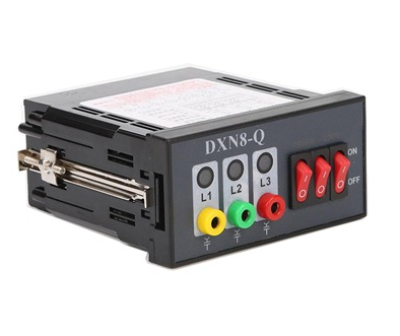
How Does Wholesale Supply Support Long-Term Continuity?
Long-term supply depends on maintaining stable engineering and manufacturing conditions. A supplier should control the bill of materials for critical sensing and insulation components. Approved alternatives should receive technical validation before entering production. Production drawings need revision control so operators use current specifications. Tooling changes should receive dimensional verification before affected batches ship. Component shortages can create pressure to substitute parts without adequate evaluation. Formal change management reduces that risk and protects interface consistency. Buyers can also establish sample approval procedures for future design revisions. Periodic quality reports can track rejection rates, test failures, and corrective actions. Packaging specifications should remain stable when products travel through different logistics channels. Technical support should retain records of the approved configuration for each project. These practices make high display voltage presence wholesale orders more predictable over repeated production cycles.