
How Does High Voltage Presence Indicator Replacement Work?
Electrical panel dehumidifier selection for cabinet size, humidity, heating power, voltage, installation, and control needs.
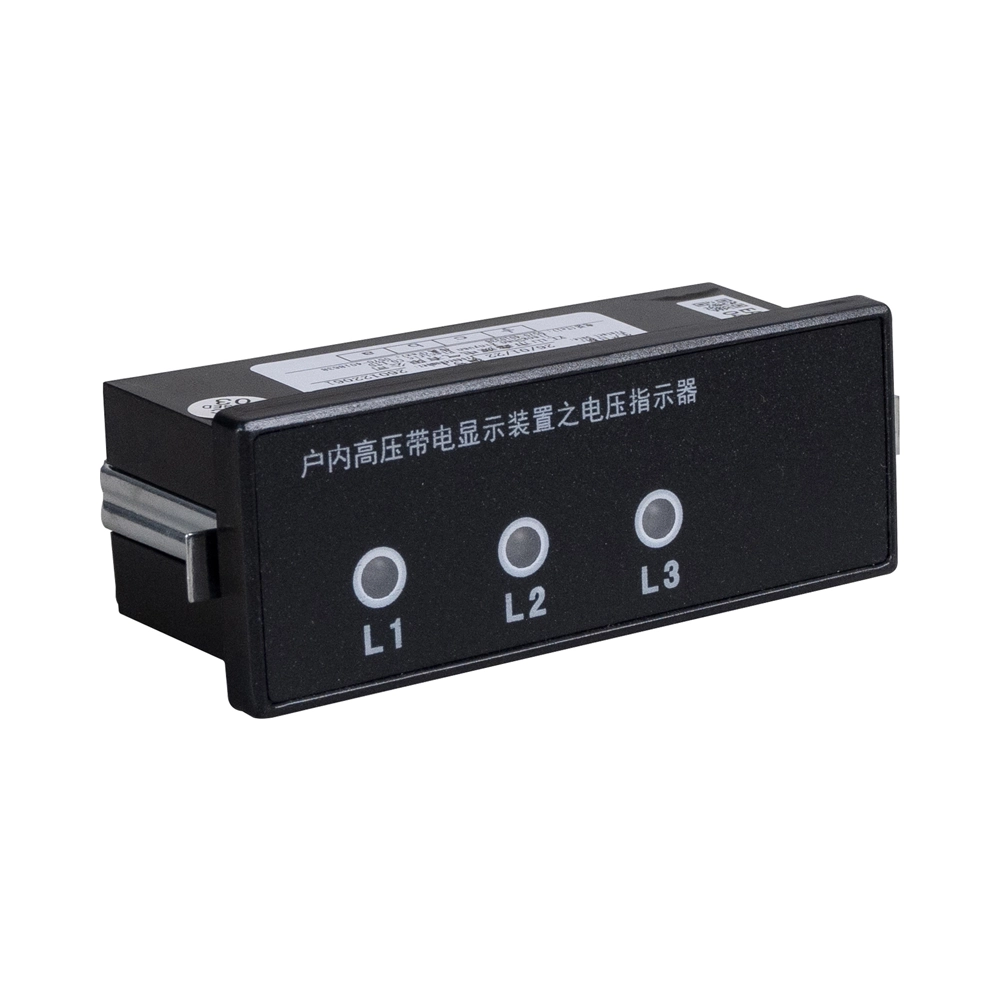
High Voltage Presence Indicator Replacement helps maintain reliable voltage indication in electrical panels and switchgear. A faulty indicator may fail to display hazardous voltage or provide misleading visual information. Replacing it requires careful fault diagnosis, compatibility checks, and post-installation verification. Selecting a suitable replacement also helps maintain the reliability of existing electrical systems.
When Is High Voltage Presence Indicator Replacement Necessary?
A high voltage presence indicator may require replacement when its display fails, its housing becomes damaged, or its components show signs of deterioration. Flickering lights or inconsistent phase indications may also indicate a problem.However, these symptoms do not always mean the indicator itself has failed. Loose connections, damaged sensing leads, and grounding problems can produce similar symptoms. Qualified personnel should identify the underlying cause before deciding whether replacement is necessary.
How Do You Identify a Faulty Voltage Presence Indicator?
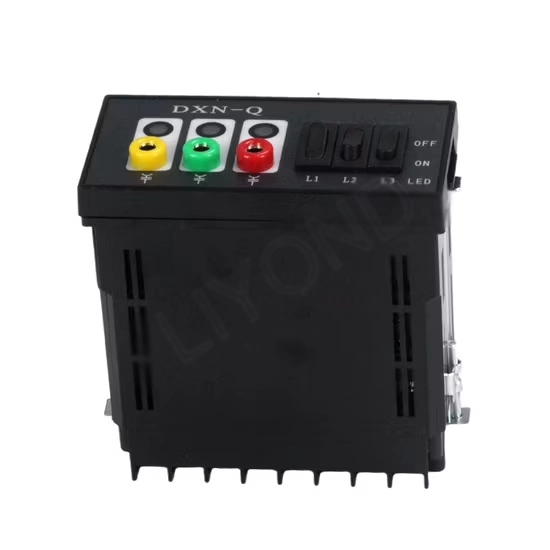
Start by reviewing the indicator's operating history and checking for visible damage or abnormal display patterns. Compare the observed indications with the system design and manufacturer specifications. If one phase appears different from the others, the cause could involve phase loss, an electrical imbalance, or a sensing circuit fault. For example, troubleshooting a DXN8D High Voltage Presence Indicator requires checking its installation and sensing connections against the applicable product documentation. Do not assume that an unlit LED confirms an indicator failure or proves the circuit is de-energized.
What Should You Check Before Replacement?
Before selecting a replacement, confirm the original indicator's model, rated voltage, AC or DC application, phase configuration, and wiring arrangement. Check the mounting dimensions, terminal connections, and environmental requirements. For medium-voltage switchgear, also review the sensing method and the manufacturer's compatibility requirements. These details help prevent mismatches that could affect indication accuracy or equipment reliability. Consult the original equipment documentation whenever possible, especially when replacing discontinued models.
How Do You Choose a Compatible Replacement Indicator?
A compatible replacement must match the electrical and mechanical requirements of the existing installation. Rated voltage, frequency, sensing technology, phase arrangement, and grounding configuration all influence suitability.
The replacement should also fit the available mounting space and connect correctly to the intended sensing points.For high-voltage and medium-voltage applications, voltage class and insulation requirements need particular attention. If the original model is unavailable, obtain confirmation from the manufacturer or a qualified electrical engineer before approving an alternative.
What Safety Precautions Are Required for High Voltage Presence Indicator Replacement?
High voltage presence indicator replacement must follow the facility's electrical safety procedures. Qualified personnel should identify all energy sources, isolate the equipment, apply lockout/tagout, and verify the absence of voltage using an approved test method. Required grounding and other protective measures must follow the applicable procedures and equipment instructions. A voltage presence indicator is designed to indicate voltage, not independently prove that equipment is safe to touch. Never remove or replace an indicator on energized equipment unless a specifically authorized procedure permits the work and appropriate protections are in place.
What Are the Main Steps in the Replacement Process?
After the equipment has been placed in a verified safe condition, qualified personnel can compare the existing installation with the replacement manufacturer's documentation. They should identify and document the original connections before removing the faulty component. The replacement must then be mounted securely, with the correct terminals and sensing connections confirmed against the approved wiring diagram. Before returning the equipment to service, personnel should inspect the installation and confirm that all required covers, barriers, and protective components are restored. The exact procedure depends on the equipment design and manufacturer instructions.
How Do You Test the Indicator After Replacement?
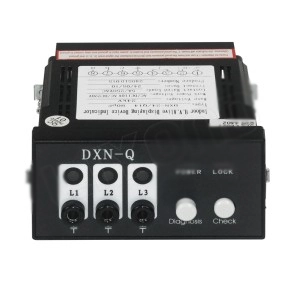
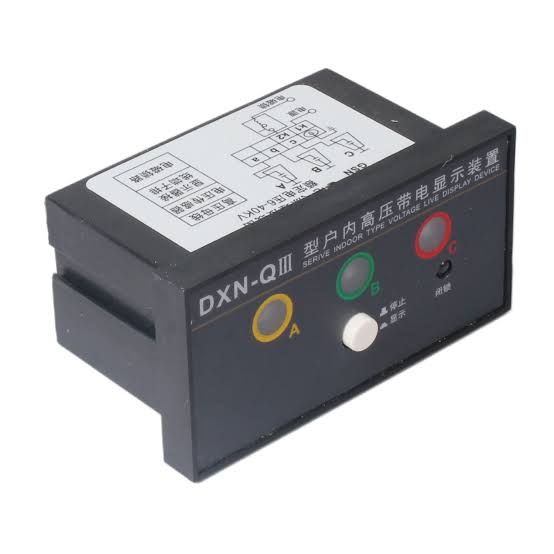
Post-installation checks should confirm that the replacement is correctly installed and provides the expected indication under the specified test conditions. Qualified personnel should review the wiring, verify phase correspondence, and perform the functional checks required by the manufacturer. Where applicable, a Voltage Presence Indicating System with Diagnosis may provide additional diagnostic information to help identify indication or sensing problems. Any unexpected display, missing phase indication, or abnormal behavior requires investigation before the equipment returns to service. Record the replacement model, test results, and maintenance date for future reference.
How Can You Prevent Future Replacement Problems?
Regular inspections and accurate equipment records can reduce unnecessary replacements and avoid compatibility errors. Keep the indicator's model number, electrical ratings, wiring diagrams, and replacement history accessible to maintenance personnel. Follow manufacturer recommendations for inspecting visible damage, connections, and environmental exposure. Maintaining suitable spare parts can also reduce delays when a failure occurs. For older switchgear, reviewing replacement compatibility before a component becomes unavailable can help prevent rushed purchasing decisions and unexpected maintenance downtime.
FAQ
Can a Different Model Replace the Original Indicator?
Yes, a different model may be suitable if it meets all relevant electrical, mechanical, sensing, and installation requirements. Similar appearance or matching mounting dimensions alone does not establish compatibility. The replacement must also provide the required voltage indication for the specific switchgear configuration. Consult the equipment manufacturer or a qualified electrical engineer before approving a substitute.
Does a Dark Indicator Mean There Is No Voltage?
No. An unlit indicator may result from a failed LED, a sensing circuit problem, a disconnected lead, or another electrical fault. It does not reliably establish that voltage is absent. Before electrical work, qualified personnel must follow the applicable isolation procedures and verify the absence of voltage using an approved test instrument.
When Should a High Voltage Presence Indicator Be Replaced?
Replacement may be necessary when the indicator is damaged, fails required functional checks, or no longer meets the installation's technical requirements. There is no single replacement interval that applies to every model and application. Follow manufacturer recommendations, maintenance findings, and site requirements to determine when replacement is appropriate.