How Is VDIS Factory Testing Performed Before Delivery?
VDIS factory testing checks electrical performance, display functions, and switchgear compatibility for quality assurance before delivery.
VDIS factory testing helps manufacturers verify product quality, functional performance, and compatibility before delivery. These checks can identify assembly defects, wiring errors, and abnormal indications before installation in medium-voltage switchgear. A structured testing process also improves quality traceability and reduces commissioning risks. However, testing requirements depend on the VDIS design, applicable standards, and customer specifications.
What Does VDIS Factory Testing Include?
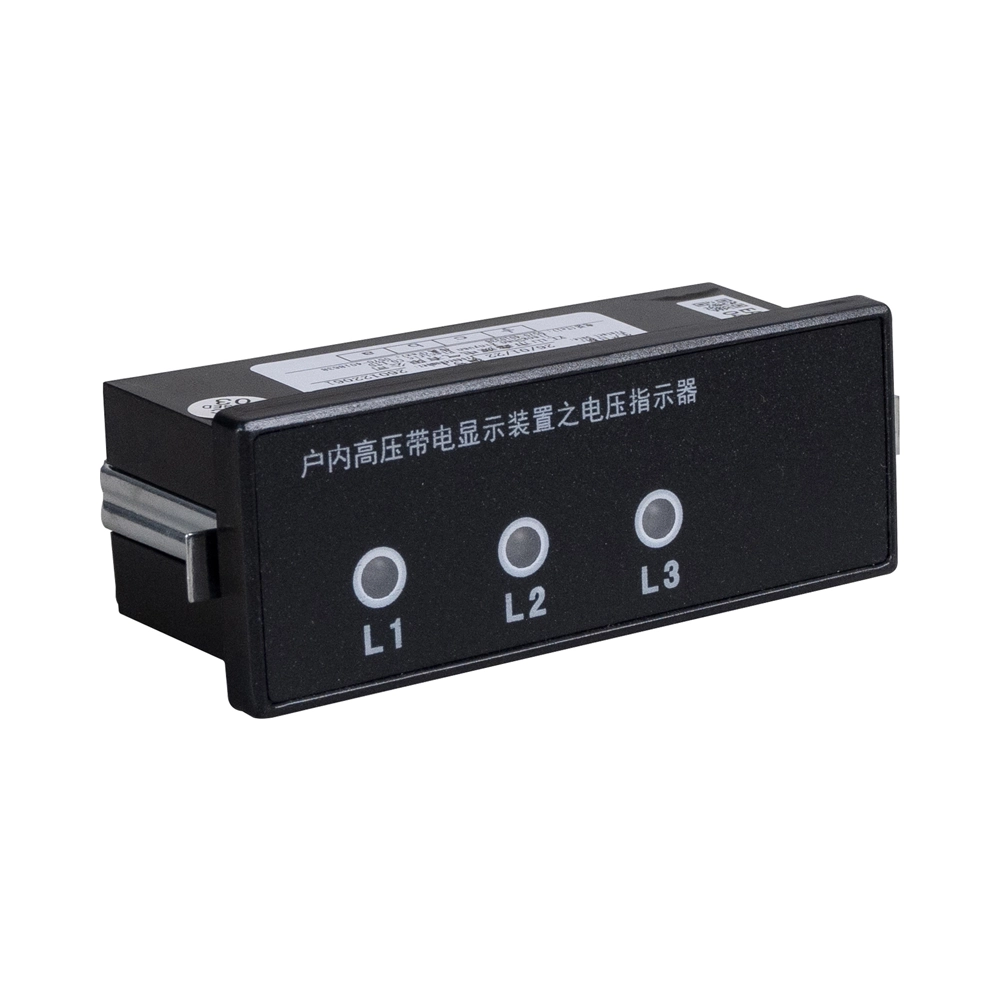
VDIS factory inspections generally cover visual quality, assembly, electrical performance, and functional operation. For example, a DXN8D High Voltage Presence Indicator should be checked against its approved product specifications and configuration. Inspectors first confirm the product model, nameplate information, housing condition, connectors, and terminal arrangements. They then check whether the assembled unit matches approved drawings and product specifications. Electrical and functional checks follow the manufacturer's documented procedures. The inspection scope should distinguish routine production checks from type tests and switchgear-level acceptance tests. Not every test applies to every model, so manufacturers should define suitable acceptance criteria before production begins.
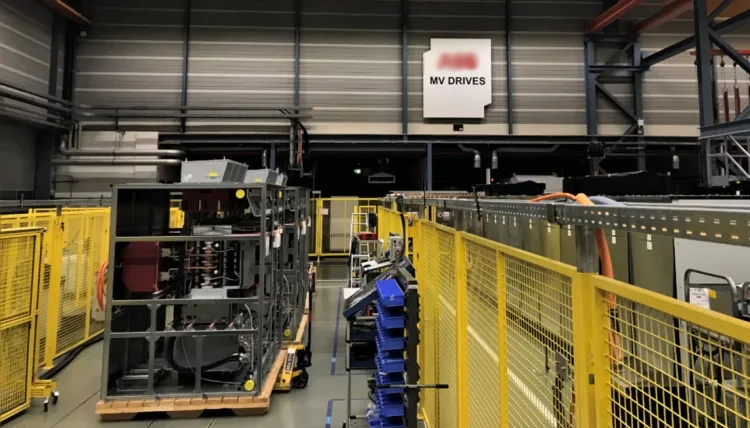
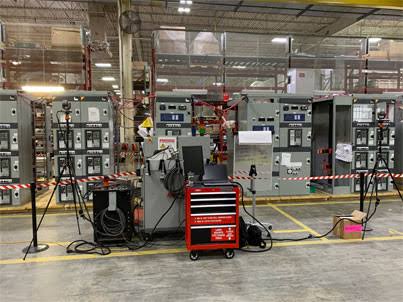
Which Standards Apply to VDIS Factory Testing?
IEC 62271-213:2021 specifies requirements for voltage detecting and indicating systems installed on indoor and outdoor high-voltage equipment. It covers the VDIS and its coupling system for detecting operating voltage. Manufacturers should use the applicable standard, approved product documentation, and customer specifications to establish their testing procedures. The IEC 62271-213 standard provides the official scope and publication information. Its requirements should not be confused with additional internal quality checks. The exact tests and acceptance criteria must reflect the applicable product design and contractual requirements.
How Are VDIS Electrical and Display Functions Tested?
During VDIS factory testing, manufacturers verify whether each phase indication responds correctly under defined test conditions. Approved test equipment and procedures help confirm voltage-state indications and relevant electrical interfaces. Display inspections check whether indicators and status symbols operate as intended. Models with relay outputs may also require contact operation and remote signaling checks. Some products include a front-panel display test that checks the display while the equipment is de-energized. However, this function alone cannot confirm that the complete voltage-detection chain operates correctly. All tests should follow the manufacturer's instructions, specified acceptance criteria, and appropriate electrical safety procedures.
How Is VDIS Compatibility With Switchgear Verified?
VDIS compatibility checks confirm that the detecting unit matches the intended switchgear configuration. A Voltage Presence Indicating System with Diagnosis may require additional attention to its diagnostic functions and associated interfaces, according to the manufacturer's specifications. Important factors include nominal voltage, service frequency, coupling components, connecting leads, phase assignments, and interface arrangements. The switchgear manufacturer must coordinate the coupling system and connections according to the approved design. For adjustable-capacitance models, the selected setting must also match the application requirements. A VDIS passing its individual factory checks does not automatically confirm that the installed switchgear system is fully compliant. System-level verification and commissioning should follow the project procedures and applicable safety requirements.
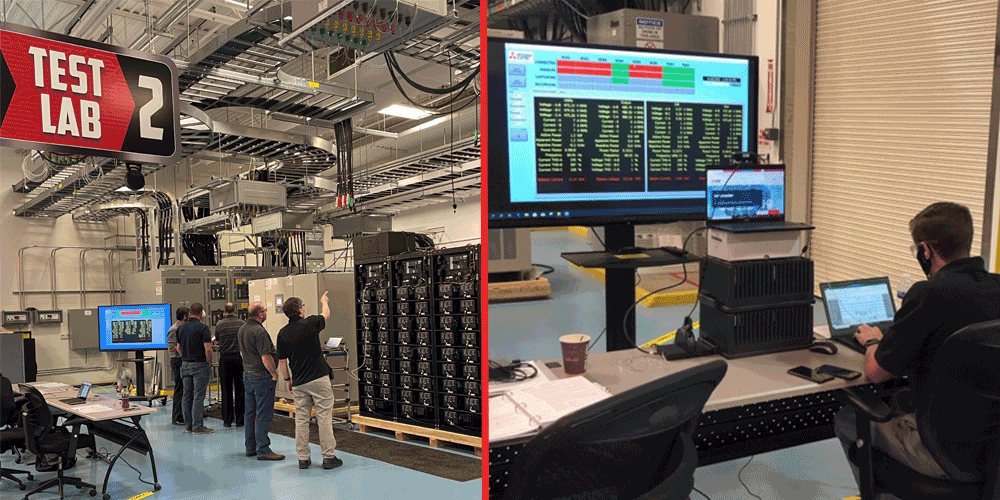
What Should a VDIS Factory Test Report Include?
A factory test report provides evidence of inspection results and helps manufacturers trace quality issues. The report should identify the tested unit, applicable procedures, acceptance criteria, equipment used, and final disposition. The following table lists useful records for a structured quality process. Exact documentation requirements depend on the applicable standard, contract, and internal quality system.
| Record Item | Information to Include |
|---|---|
| Product identification | Model, serial number, and configuration |
| Visual inspection | Housing, terminals, connectors, and assembly condition |
| Functional tests | Test conditions, observed indications, and results |
| Test equipment | Equipment identification and calibration status, where applicable |
| Acceptance criteria | Applicable specifications and pass/fail limits |
| Quality approval | Inspection date, responsible personnel, and release status |
| Nonconformities | Defects, corrective actions, and retest results, if applicable |
How Are VDIS Factory Testing Failures Handled?
When a unit fails an inspection, the manufacturer should identify and isolate it before release. Technicians then investigate the cause, which may involve incorrect assembly, damaged connections, unsuitable configuration, or abnormal functional behavior. Authorized personnel should perform repairs or adjustments according to approved procedures. The affected tests must be repeated to confirm that the corrective action resolves the issue. Results and corrective actions should remain traceable to the product's identification number. The unit should only be released after all required acceptance criteria are satisfied and the responsible quality personnel approve the final status.
FAQ
Is VDIS Factory Testing the Same as Type Testing?
No. Factory testing and type testing serve different purposes. Production inspections verify individual units against defined manufacturing and acceptance requirements. Type tests assess a representative design against applicable technical requirements. The required scope depends on the relevant standard and product specification. A successful routine inspection does not replace type-test evidence when that evidence is required.
Does Every VDIS Require the Same Factory Tests?
No. Test requirements vary according to product design, available functions, and application. A basic model may have different verification needs from a model with adjustable capacitance or relay outputs. Manufacturers should identify applicable tests from approved technical documentation and customer requirements. Unavailable functions should not be treated as mandatory test items. Acceptance criteria must also match the specific model rather than being copied from another product.
Can a Factory-Tested VDIS Be Installed Immediately?
Not necessarily. Factory testing confirms the results of the checks performed before delivery. Installation still requires correct wiring, suitable coupling components, and compatibility with the switchgear configuration. The installer must follow the manufacturer's instructions and the project's commissioning procedures. Any required system-level checks must also be completed before the equipment is placed into service. A factory test report supports verification but does not replace safe installation and commissioning.