How Does Material Choice Affect Post Insulator Durability?
Electrical post insulator materials impact durability through strength, heat resistance, and environmental aging in power systems.
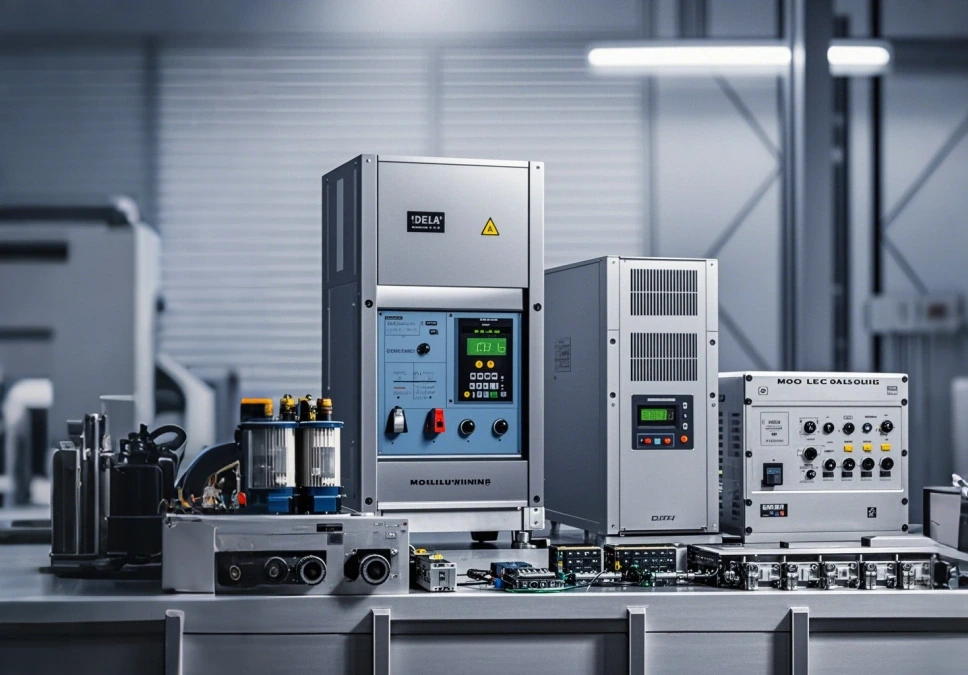
Electrical post insulator materials determine how well high-voltage systems survive stress and environmental exposure over time. Engineers focus on durability because failure leads to outages and safety risks. Material selection affects mechanical strength, dielectric stability, and resistance to aging factors. Substations rely on consistent insulation behavior under changing loads and weather conditions. Operators evaluate performance under heat, moisture, and pollution stress. Different materials respond differently to electrical and mechanical loads. Some materials maintain stability under long operation cycles, while others degrade faster. Strong material design reduces maintenance needs and improves system reliability. Utility engineers always balance cost and long-term operational safety when selecting insulation components for critical infrastructure.
Core Material Categories in High Voltage Insulation Systems
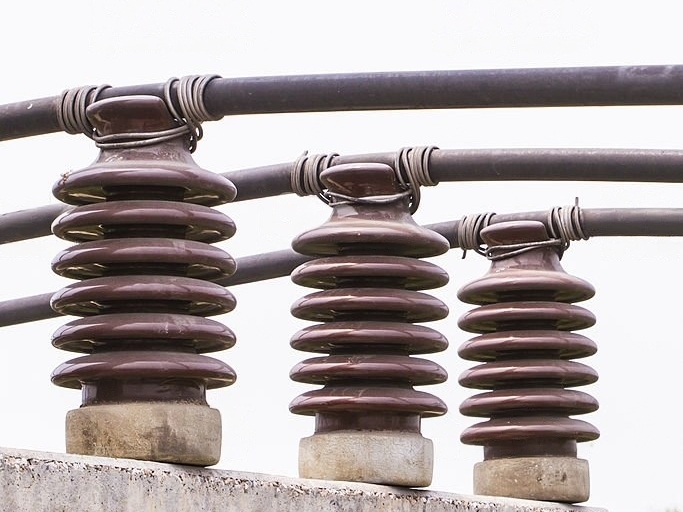
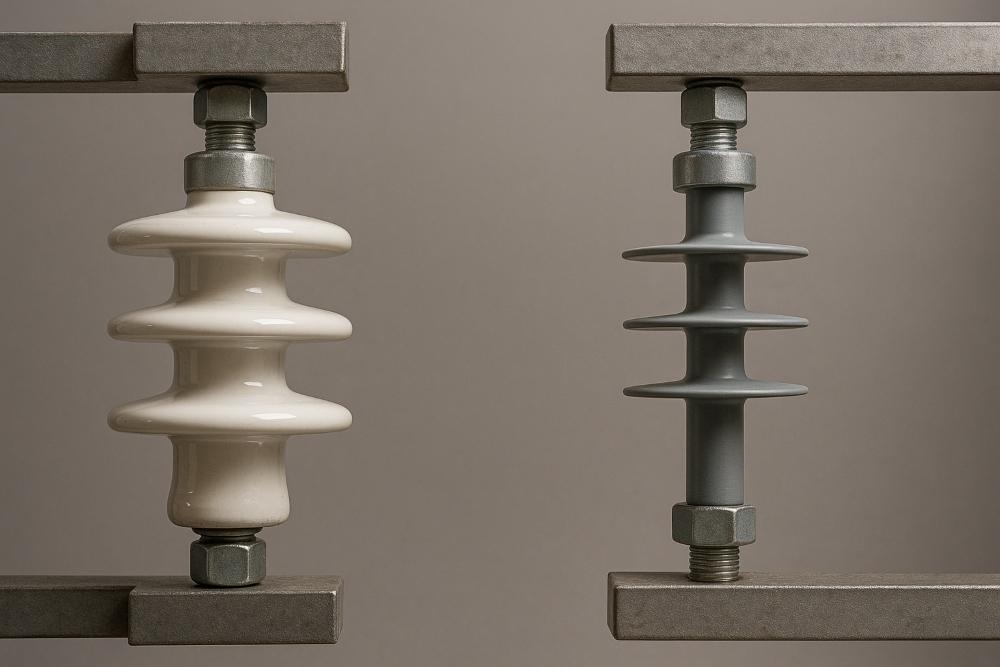
Electrical post insulator materials include porcelain, polymer, and composite structures used across transmission networks. Porcelain provides strong compressive resistance and stable dielectric properties under steady conditions. Polymer materials offer lightweight structure and hydrophobic surfaces that reduce contamination effects. Composite systems combine fiberglass cores with silicone housings for improved flexibility and environmental resistance. Each category performs differently under mechanical and electrical stress. Utility engineers select materials based on voltage level and installation environment. High pollution zones often require hydrophobic surfaces to prevent leakage currents. Cold regions demand materials with low thermal contraction. Industrial systems prefer stable ceramics for predictable long-term behavior. Material structure directly influences failure rate and service lifespan in demanding grid environments.
Mechanical Load Behavior and Structural Endurance
Mechanical stress strongly influences post insulator performance in operational networks. Wind pressure, conductor tension, and vibration create continuous loading conditions. Porcelain structures handle compression well but may crack under sudden impact. Polymer structures absorb vibration more effectively due to flexible design. Composite cores distribute mechanical forces more evenly across layers. Engineers test bending strength and torsion resistance before installation. Repeated mechanical stress can cause micro-cracks in rigid materials. These defects gradually reduce insulation strength and increase failure risk. Load cycles in outdoor substations vary with seasonal weather patterns. Strong mechanical design ensures stable alignment of conductors and reduces structural fatigue. Proper load management significantly extends service life in high-voltage environments.
Material Comparison Across Industrial Insulation Systems
Electrical post insulator materials differ significantly in durability and operational behavior. Porcelain offers high hardness but lower impact resistance. Polymer systems resist pollution but degrade under UV exposure over time. Composite designs combine mechanical strength and environmental adaptability. Each material shows distinct advantages depending on application conditions. Engineers evaluate dielectric strength, tensile capacity, and hydrophobic performance during selection.
| Material Type | Mechanical Strength | Environmental Resistance |
|---|---|---|
| Porcelain | High compression strength | Moderate pollution resistance |
| Polymer | Medium flexibility strength | High contamination resistance |
| Composite | High tensile performance | Very high weather resistance |
This comparison shows how structural differences influence grid performance. Composite materials often provide the best balance for mixed environments. Porcelain remains widely used in stable conditions. Polymer systems dominate polluted or coastal regions. Selection depends on environmental stress and maintenance strategy.
Thermal Stability and Environmental Stress Response
Temperature variation strongly impacts insulation behavior in outdoor systems. Heat expansion and contraction create internal stress in rigid materials. Porcelain maintains stable dielectric properties under moderate thermal cycles. Polymer materials soften slightly at higher temperatures but recover after cooling. Composite designs reduce internal stress through layered construction.
Extreme cold can increase brittleness in ceramic structures. High heat accelerates aging in polymer housings. Engineers evaluate thermal cycling tests to predict field performance. Seasonal changes introduce repeated expansion and contraction cycles. These cycles gradually reduce structural integrity if materials lack flexibility. Stable thermal performance ensures consistent electrical insulation under varying environmental conditions.
Surface Leakage and Electrical Field Control
Electrical performance depends on surface behavior under humidity and contamination. Leakage current forms when moisture and dust accumulate on insulation surfaces. Smooth hydrophobic coatings reduce water film formation. Porcelain surfaces require glazing to improve resistance against pollution. Composite housings naturally repel water due to silicone layers. Engineers design long creepage distances to control electric field distribution. Poor surface performance increases risk of flashover during wet conditions. Insulation geometry plays a key role in maintaining field stability. Regular cleaning helps reduce contamination buildup in industrial areas. Proper surface design ensures reliable performance under both dry and wet operating conditions in power networks.
| Factor | Effect on Performance | Mitigation Method |
|---|---|---|
| Moisture | Increases leakage current | Hydrophobic coating |
| Dust pollution | Reduces insulation strength | Regular cleaning cycles |
| Salt deposits | Raises flashover risk | Extended creepage design |
Environmental control strategies directly improve insulation reliability. Surface engineering remains essential for long-term grid stability.
Manufacturing Precision and Quality Control Systems
Production methods directly affect insulation performance consistency. High-quality casting improves structural density in ceramic components. Polymer injection molding ensures uniform material distribution. Composite fabrication requires precise fiber alignment for mechanical strength. Testing standards evaluate dielectric breakdown voltage and mechanical load limits. Defect detection prevents early field failures. Industry standards define acceptable tolerance ranges for thickness and density. Advanced manufacturing reduces internal voids and weak points. Quality inspection includes thermal cycling and contamination resistance tests. Strict production control ensures predictable performance across large batches. Reliable manufacturing processes increase operational safety in high-voltage infrastructure systems.
Aging Mechanisms and Environmental Degradation Factors
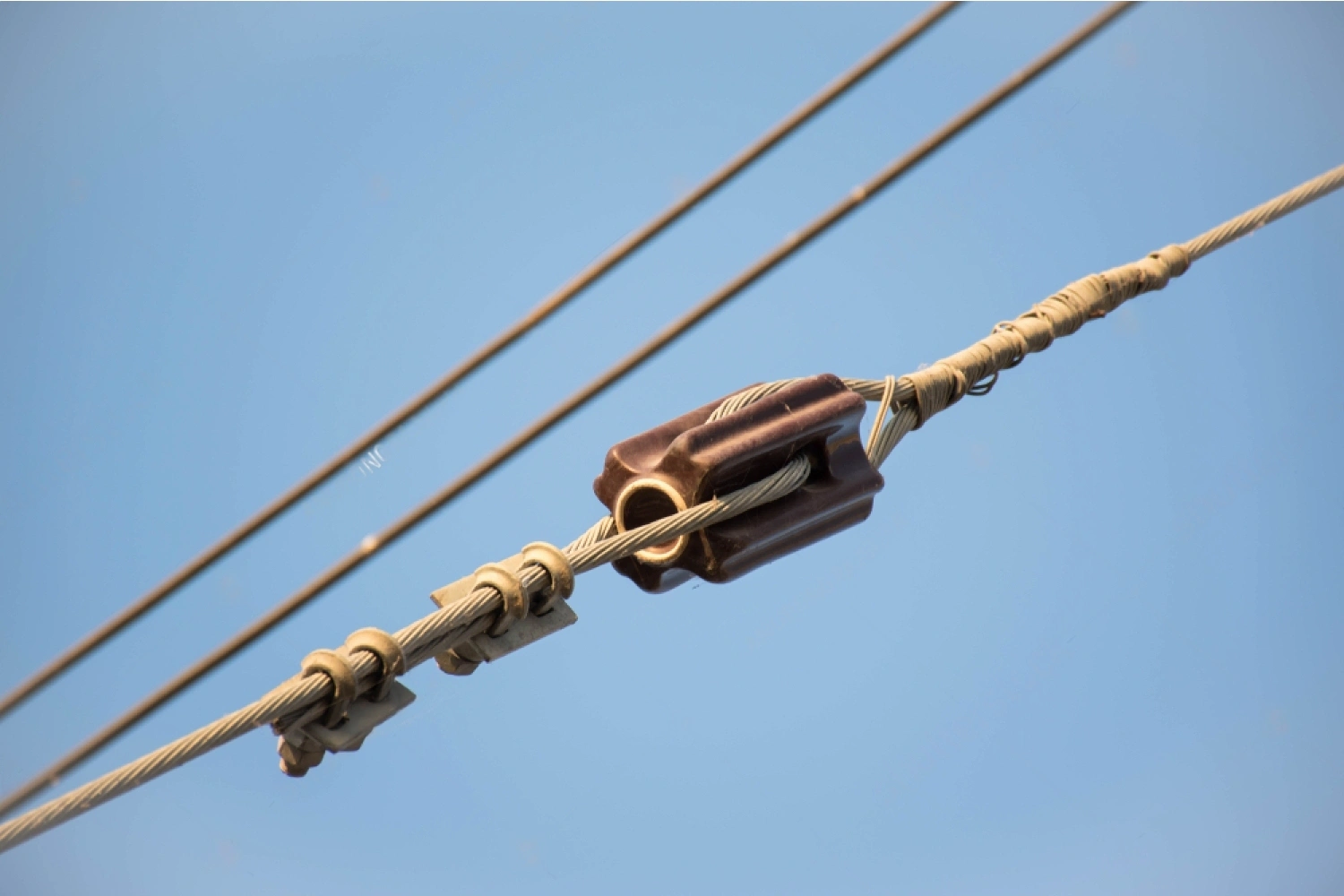
Electrical post insulator materials degrade over time due to environmental exposure. UV radiation breaks down polymer chains and reduces surface strength. Moisture penetration weakens internal bonding in composite structures. Industrial pollution creates conductive layers on external surfaces. Ceramic materials resist UV damage but may accumulate surface contaminants. Thermal cycling accelerates microstructural fatigue. Windborne particles cause abrasion over long periods. Engineers evaluate aging through accelerated laboratory testing.
Predicting lifespan helps plan maintenance schedules effectively. Environmental protection coatings extend operational durability. Proper material selection reduces long-term degradation risk in harsh environments.
Installation Practices and Field Performance Reliability
Proper installation directly affects insulation system durability in real conditions. Incorrect mounting increases mechanical stress on support structures. Alignment errors create uneven load distribution across components. Torque control during fastening ensures stable mechanical connection. Field engineers verify clearance distances before energization. Environmental conditions during installation influence long-term reliability. Dust or moisture trapped during assembly reduces insulation quality. Proper grounding configuration improves safety during operation. Installation teams follow standardized procedures for consistent results. Accurate setup reduces early-stage failure rates significantly. Good installation practice ensures stable performance throughout service life in power systems.
Maintenance Strategy and Operational Lifecycle Management
Maintenance planning extends service life of insulation equipment in substations. Regular inspection detects surface contamination and structural wear. Cleaning cycles remove conductive deposits from exposed surfaces. Infrared scanning identifies thermal anomalies in live systems. Predictive maintenance reduces unexpected failure risks. Replacement schedules depend on environmental severity and load conditions. Field data analysis supports lifecycle optimization decisions. Engineers track performance trends over long operational periods. Preventive actions reduce system downtime and repair costs. Proper maintenance strategy ensures stable and continuous electrical transmission performance.
Conclusion: Engineering Balance Between Performance and Durability
Material selection determines overall reliability in high-voltage insulation systems. electrical post insulator materials influence mechanical strength, thermal resistance, and environmental durability. Engineers must evaluate multiple performance factors before selecting suitable solutions. No single material fits all operating environments. Composite systems often provide balanced performance in complex conditions. Porcelain remains effective in stable environments with low pollution. Polymer materials suit lightweight and contaminated regions. Lifecycle performance depends on both material quality and operational practices. Strategic selection ensures long-term grid stability and reduced maintenance cost.
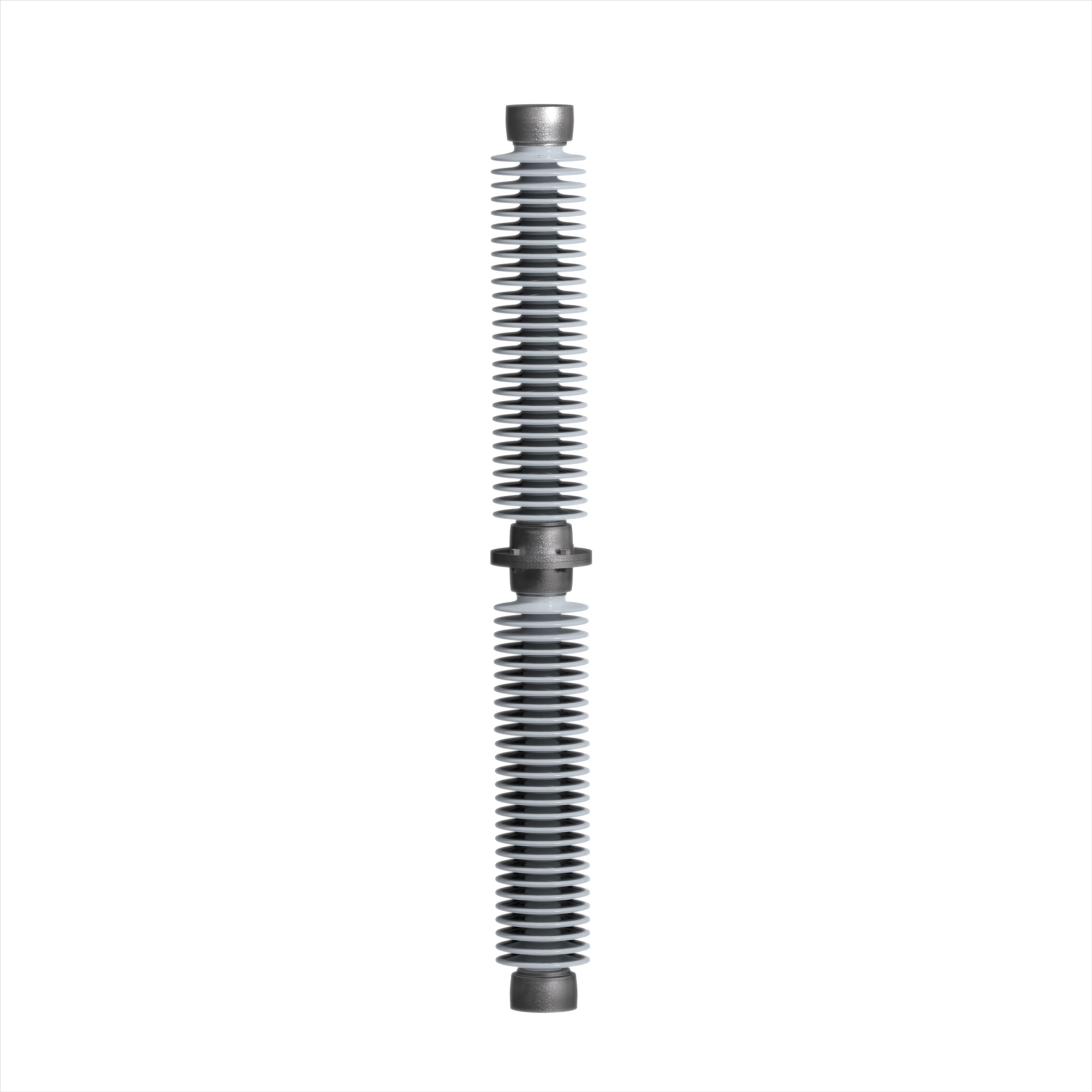
Why do composite materials improve grid reliability?
Composite materials enhance reliability through layered structural design. Fiberglass cores provide strong mechanical support under tension. Silicone housings deliver hydrophobic protection against pollution. This combination reduces failure under both mechanical and environmental stress. Composite systems maintain performance during thermal cycling and heavy contamination. They also reduce weight, making installation easier and safer. Reduced maintenance requirements improve operational efficiency. Their adaptability makes them suitable for complex transmission environments. Grid operators prefer composites in areas with mixed pollution and weather challenges.
FAQ
What Is A Post Insulator Used For?
Post insulators are used in substations to support live conductors and provide electrical isolation from structures. They maintain safe spacing between energized parts and grounded equipment in power distribution systems. These components are installed on switchgear, busbars, and transmission line support structures. Their main function is preventing unintended current flow into grounded metallic frames. They also withstand mechanical loads from conductor tension and environmental forces. Engineers select materials based on voltage level and operating environment conditions. Reliable insulation performance ensures stable grid operation and reduces fault risk. Regular inspection helps extend service life and maintain long-term system reliability.
How does moisture affect post insulator durability?
Moisture directly reduces insulation performance by forming conductive surface layers. Water films increase leakage current and raise flashover risk. Porous or damaged surfaces absorb moisture more easily. Composite and polymer materials resist water better due to hydrophobic properties. Porcelain requires surface glazing for protection. High humidity environments accelerate contamination buildup. Engineers use creepage distance design to reduce moisture impact. Regular cleaning improves resistance to wet conditions. Moisture control remains critical for maintaining long-term electrical reliability in outdoor substations.