How Long Does An Aluminum Alloy Heater Last?
Aluminum alloy heater lifespan depends on operating temperature, duty cycle, corrosion exposure, and maintenance quality.
Why Aluminum Alloy Heater Lifespan Matters in Industrial Systems
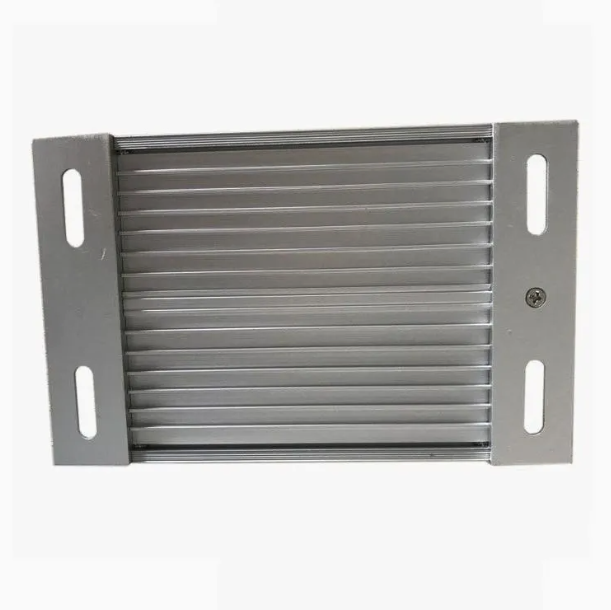
Industrial facilities demand stable heating performance during continuous production cycles. Many engineers monitor aluminum alloy heater lifespan before selecting heating equipment. Reliable service life reduces downtime and lowers unexpected replacement costs. Aluminum alloy transfers heat rapidly because the material carries excellent thermal conductivity. Fast heat transfer improves temperature consistency across molds, pipelines, and packaging systems. Production managers also value lower energy consumption during extended operating schedules. Strong thermal stability supports accurate processing inside automation environments. Manufacturers often install these heaters inside extrusion machinery, sealing equipment, and drying chambers. Poor heater durability can interrupt sensitive production tasks quickly. Repeated shutdowns also increase labor costs and maintenance pressure. Long operating life therefore supports safer industrial planning and predictable equipment performance across demanding manufacturing environments.
Main Factors That Influence Heater Durability
Several operating conditions directly affect heater performance during industrial operation. Excessive temperature creates thermal stress inside internal resistance wires. Rapid cycling also expands metal surfaces repeatedly during operation. Frequent expansion gradually weakens insulation materials and terminal structures. Stable voltage supply reduces sudden thermal fluctuations inside heating assemblies. Clean operating environments also support better electrical stability over time. Moisture exposure increases oxidation around terminals and electrical connections. Chemical contamination often damages protective surface coatings rapidly. Poor airflow may trap heat around surrounding machine structures. Uneven mounting pressure can also create dangerous hot spots. Engineers often calculate watt density before selecting industrial heating equipment. Correct watt density prevents localized overheating during continuous operation. Proper installation therefore protects structural integrity and extends operational stability throughout demanding industrial production environments.
Typical Service Expectations Across Industrial Applications
Industrial operating schedules strongly influence expected heater durability. Light industrial systems usually achieve longer operational periods under controlled conditions. Heavy production facilities often generate faster component fatigue during continuous operation. Many factories expect aluminum alloy heater lifespan to reach five years or longer. Moderate operating temperatures normally support better long-term electrical stability. Packaging equipment usually creates lower thermal stress than metal processing machinery. Plastic molding systems often require aggressive heating cycles throughout production shifts. High humidity environments may accelerate corrosion around electrical terminals. Outdoor machinery also experiences larger temperature fluctuations during seasonal changes. Preventive maintenance significantly affects long-term operational reliability inside industrial systems. Facilities using stable controllers normally reduce overheating incidents effectively. Consistent inspection routines therefore help production teams maintain reliable thermal performance and predictable maintenance schedules.
Material Structure and Thermal Performance Characteristics
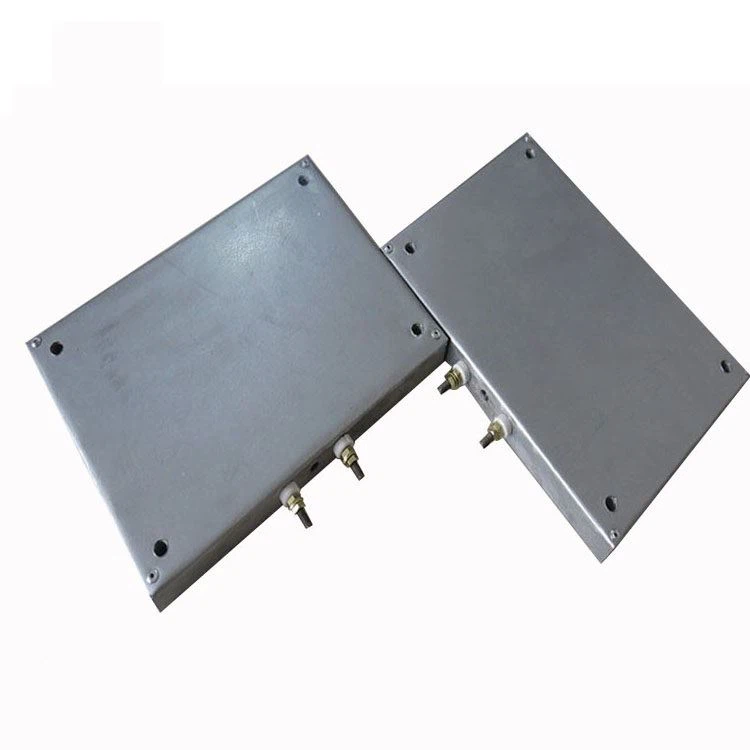
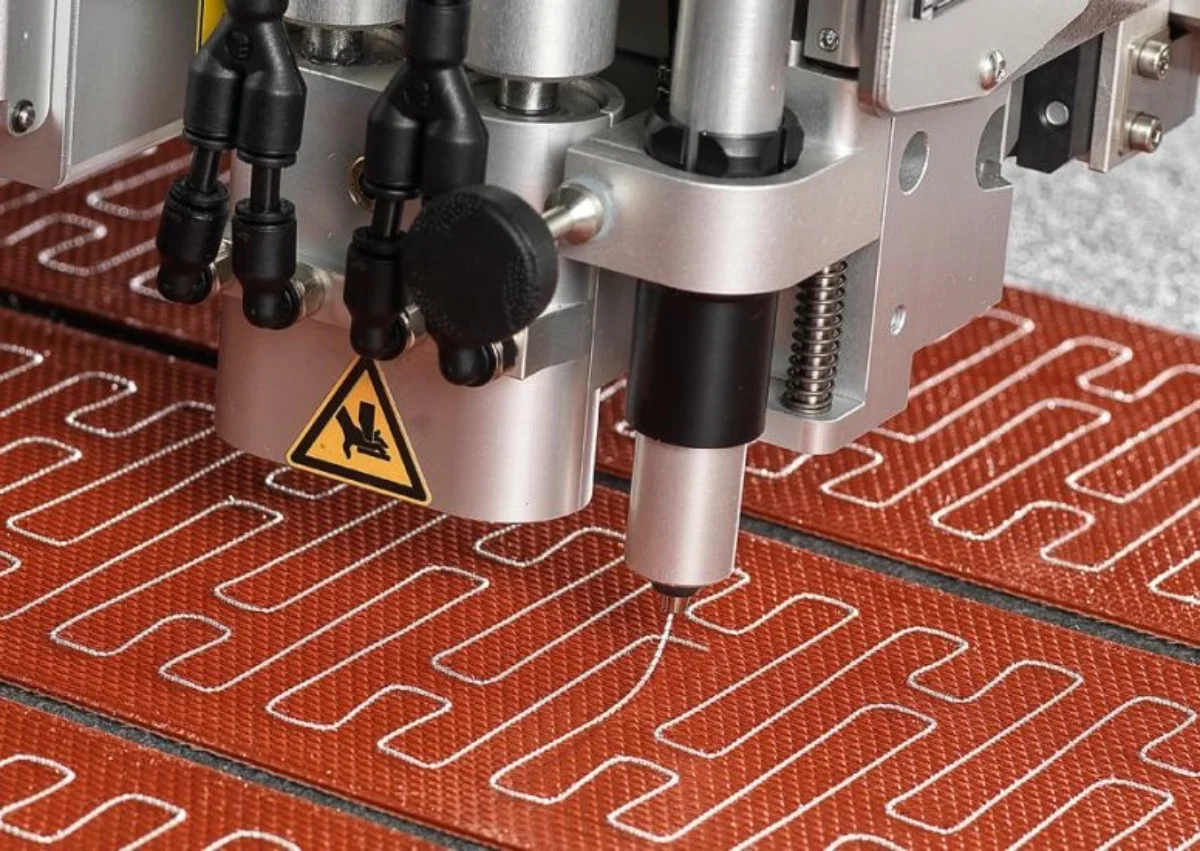
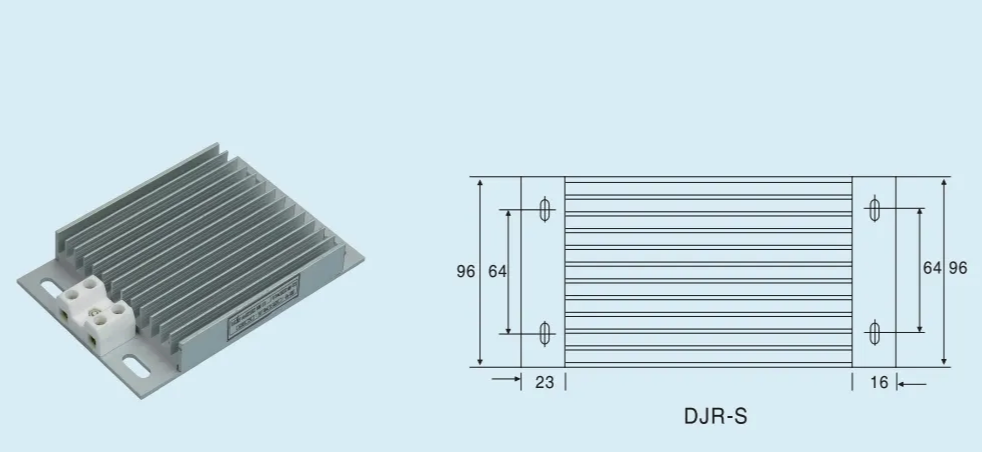
Aluminum alloy offers strong thermal conductivity compared with many industrial metals. Rapid heat distribution reduces surface temperature imbalance during operation. Balanced heating supports accurate processing inside sensitive manufacturing equipment. Cast aluminum structures often contain embedded tubular heating elements. Machined heater bodies usually provide excellent dimensional accuracy during installation. Dense material structure also improves mechanical strength under industrial pressure. Many manufacturers apply corrosion resistant coatings across external surfaces. Protective coatings reduce oxidation caused by humidity and airborne contaminants. Low thermal inertia allows faster startup performance during production schedules. Quick temperature response also improves energy efficiency during intermittent operation. Industrial designers frequently select aluminum because machining costs remain manageable. Lightweight structural properties simplify installation across complex industrial machinery. Strong thermal transfer therefore supports efficient heating performance and reliable operational stability.
Temperature Control and Electrical Stability Requirements
Accurate temperature regulation protects heating systems from premature component failure. PID controllers maintain stable thermal output during changing production conditions. Precise sensors also reduce excessive temperature overshoot during operation. Poor controllers often create unstable cycling across heating surfaces. Repeated thermal shock gradually damages internal resistance materials. Voltage instability may also increase electrical stress inside terminals and connectors. Industrial facilities therefore monitor amperage and resistance values regularly. Advanced monitoring systems detect abnormal temperature patterns before serious damage appears. Some factories install thermal cutoff devices for additional equipment protection. Controlled heating cycles reduce unnecessary expansion across metal surfaces. Balanced thermal loading also protects nearby machine components from excess stress. Many engineers prioritize aluminum alloy heater lifespan when selecting industrial control systems. Reliable controllers therefore improve energy efficiency and support consistent operational durability during demanding industrial processes.
Common Failure Modes Inside Industrial Heating Systems
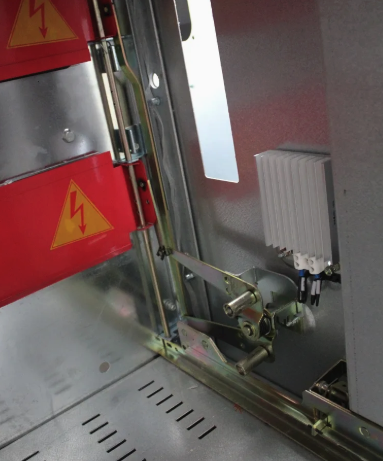
Industrial heating equipment eventually experiences wear during continuous operation. Insulation degradation represents one common failure source inside heating assemblies. Excessive heat gradually weakens insulating layers around resistance wires. Damaged insulation may trigger electrical leakage and unstable thermal performance. Terminal overheating also creates serious operational safety concerns. Loose electrical connections often increase resistance around wiring points. Increased resistance generates dangerous heat concentration during production cycles. Surface corrosion may appear after prolonged chemical or moisture exposure. Corrosion weakens protective coatings and damages structural integrity gradually. Some heaters develop uneven heating because resistance elements deteriorate internally. Uneven temperature distribution can damage nearby production materials rapidly. Experienced technicians inspect terminals, resistance values, and surface conditions regularly. Early diagnosis helps facilities avoid expensive shutdowns and severe equipment damage during industrial operation.
Maintenance Practices That Extend Equipment Service Life
Preventive maintenance improves operational reliability across industrial heating systems significantly. Maintenance teams usually inspect terminals for discoloration and mechanical looseness. Technicians also measure resistance values during scheduled inspection routines. Stable resistance readings indicate healthy internal electrical performance. Cleaning procedures remove oil, dust, and chemical contamination from surfaces. Excess contamination may trap heat and increase thermal stress. Operators should inspect airflow around enclosed heating assemblies frequently. Restricted ventilation often raises operating temperatures beyond safe limits. Scheduled shutdown inspections also reveal early structural cracking and oxidation. Some facilities store spare heaters inside dry temperature controlled environments. Dry storage protects terminals from corrosion before equipment installation. Many engineers track aluminum alloy heater lifespan through maintenance records and resistance testing. Organized maintenance procedures therefore reduce emergency failures and improve long-term production efficiency.
Industrial Standards and Installation Requirements
Industrial facilities follow strict electrical standards during heater installation procedures. Correct wiring selection protects systems from overload and unstable current flow. High quality terminals also reduce electrical resistance during continuous operation. Mounting pressure must remain even across the entire heater surface. Uneven pressure may create localized overheating during production cycles. Many industrial systems require IP rated protection against dust and moisture. Environmental protection standards depend on surrounding operating conditions and contamination exposure. Technicians often verify grounding continuity before activating industrial heating equipment. Accurate grounding improves operational safety and electrical stability significantly. Industrial operators also monitor startup amperage during initial installation testing. Proper commissioning identifies abnormal electrical behavior before full production begins. Consistent installation standards therefore support reliable heater operation and safer industrial manufacturing environments.
Environmental Conditions and Operational Stability
Industrial environments create major performance differences across heating equipment categories. Humidity often accelerates oxidation around exposed electrical terminals and connectors. Dust contamination may block airflow and trap excessive thermal energy. Chemical vapor exposure can also weaken protective surface coatings gradually. Production facilities handling corrosive materials require stronger environmental protection measures. Ventilation systems help stabilize surrounding equipment temperatures effectively. Controlled airflow also reduces localized thermal concentration during continuous operation. Outdoor installations experience additional stress from rain and seasonal temperature variation. Some manufacturers use sealed terminal housings for improved operational protection. Stable environmental management helps facilities reduce unexpected equipment failure rates. Many production engineers review aluminum alloy heater lifespan before selecting equipment for corrosive environments. Careful environmental planning therefore improves long-term operational reliability and maintenance efficiency inside industrial manufacturing systems.
Comparison Between Aluminum Alloy and Stainless Steel Heaters
Different heater materials provide unique operational advantages across industrial applications. Aluminum alloy delivers faster heat transfer than stainless steel structures. Rapid thermal response supports accurate process control during production cycles. Stainless steel usually offers stronger corrosion resistance under aggressive chemical exposure. Heavy industrial environments may therefore favor stainless steel equipment. Aluminum structures normally weigh less and simplify installation procedures. Faster startup performance also improves operational efficiency during intermittent schedules. Maintenance costs often remain lower because aluminum transfers heat efficiently. Many facilities compare aluminum alloy heater lifespan against stainless steel durability before purchasing equipment. Material selection usually depends on environmental exposure and production temperature requirements. Manufacturers should evaluate operating schedules carefully before final equipment selection.
| Heater Material | Heat Transfer Speed | Corrosion Resistance | Typical Weight | Maintenance Demand |
|---|---|---|---|---|
| Aluminum Alloy | Very Fast | Moderate | Lightweight | Moderate |
| Stainless Steel | Moderate | High | Heavy | Low |
| Cast Iron | Slow | Moderate | Very Heavy | High |
Operational Strategies for Longer Equipment Reliability
Industrial managers often apply structured operating strategies for better equipment durability. Stable production schedules reduce excessive thermal cycling during daily operation. Lower cycling frequency minimizes repeated metal expansion inside heating structures. Operators should avoid unnecessary overheating during idle production periods. Smart controllers can reduce output automatically during reduced production demand. Ventilation improvements also support lower surrounding equipment temperatures. Maintenance schedules should include regular terminal inspection and resistance testing. Production teams often replace damaged wiring before major operational failure develops. Important operational strategies include several critical maintenance priorities:
-
Maintain stable voltage supply during continuous operation.
-
Remove contamination from heater surfaces regularly.
-
Verify terminal tightness during maintenance inspections.
-
Monitor temperature controller accuracy consistently.
-
Replace damaged insulation components immediately.
-
Protect equipment from chemical vapor exposure.
These operational methods improve electrical stability and reduce long-term thermal stress. Organized maintenance planning also supports predictable production scheduling and lower repair costs.
Signs That Indicate Heater Replacement Needs
Industrial heating systems often display warning signs before complete operational failure occurs. Slow temperature response usually indicates internal resistance deterioration. Uneven heating patterns may also damage sensitive production materials rapidly. Visible discoloration around terminals suggests dangerous electrical overheating conditions. Surface cracking can appear after repeated thermal cycling during continuous operation. Corrosion buildup frequently weakens electrical connections and protective coatings. Rising energy consumption may indicate declining thermal transfer efficiency. Technicians often compare operating resistance against manufacturer specifications carefully. Large resistance changes usually reveal internal structural deterioration. Production facilities should replace damaged heaters before serious operational disruption appears. Many engineers monitor aluminum alloy heater lifespan closely through inspection records and energy consumption data. Accurate replacement planning therefore improves industrial safety and reduces unexpected production downtime significantly.
FAQ
What Factors Impact Aluminum Alloy Heater Efficiency?
Several operational conditions directly influence industrial heating efficiency during continuous production cycles. Surface temperature stability strongly affects thermal transfer performance across heating assemblies. Excessive contamination often traps heat and reduces energy efficiency gradually. Voltage instability may also create uneven electrical output during operation. Proper insulation helps minimize unnecessary heat loss around surrounding machinery. Engineers usually select correct watt density according to production demand requirements. Poor airflow frequently increases thermal concentration near heating surfaces and electrical terminals. Accurate controllers improve temperature consistency during changing operating conditions. Material quality also affects thermal conductivity and long-term operational stability. Regular maintenance therefore supports efficient energy transfer, stable heating performance, and lower operating costs across industrial manufacturing systems.