How Environment Affects Ground Fault Indicator Accuracy?
Environmental conditions influence ground fault indicator accuracy in industrial and outdoor power distribution systems.
Ground fault indicator accuracy is strongly shaped by operating environments in electrical networks. Field systems rarely operate under stable laboratory conditions. Instead, they face fluctuating temperature, moisture, and electromagnetic conditions. These external forces directly influence sensing coils and signal interpretation circuits. As a result, measurement drift becomes a common operational challenge. Engineers must evaluate environmental stress during system design. Field reliability depends on how well sensors maintain stable readings under variable conditions. In real deployments, even small environmental shifts can create detection deviation. Therefore, environmental awareness remains essential for stable fault indication behavior.
Temperature variation and insulation behavior instability
Extreme temperature changes affect conductor resistance and insulation performance in distribution systems.When temperature rises, resistance values increase and ground fault indicator accuracy.
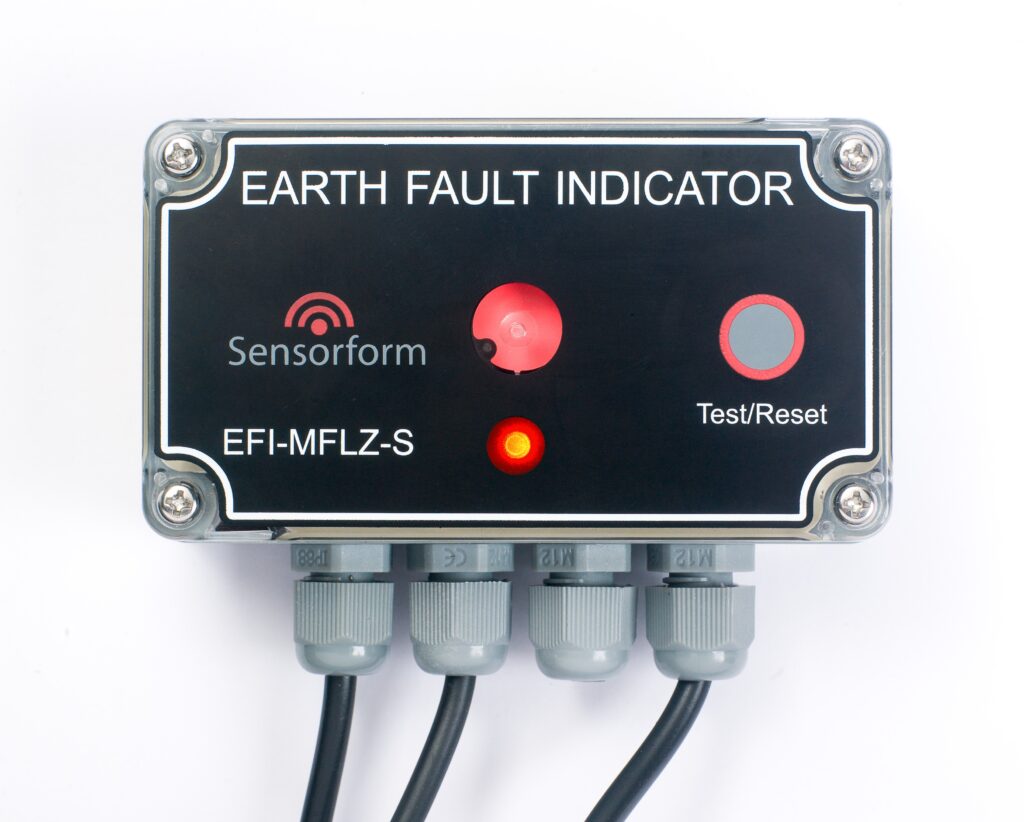
Cold environments slow down electronic response and reduce signal clarity. These changes create calibration mismatch between expected and actual readings. Thermal cycling also accelerates material fatigue in sensor housings. Over time, this leads to reduced measurement consistency. Engineers often design compensation circuits to stabilize output behavior. Proper thermal design ensures more stable detection thresholds under seasonal variation.
Moisture intrusion and leakage current distortion
Humidity introduces additional conduction paths across insulation surfaces. Condensation forms thin conductive films that alter leakage current patterns. These unintended currents reduce ground fault indicator accuracy circuits. Corrosion changes contact resistance and introduces measurement noise. Enclosures with poor sealing amplify these effects significantly. Proper sealing techniques help reduce environmental interference. Dry gas filling is sometimes used in sensitive installations. These methods improve stability and preserve long-term system reliability.
Electromagnetic interference and signal disruption effects
Electromagnetic fields from nearby equipment disrupt sensor signal integrity. Switching devices and power converters generate high-frequency noise.
This noise couples into measurement circuits and distorts readings.Shielding quality determines how much interference reaches detection modules. Grounding design also plays a critical role in noise suppression. Poor grounding increases susceptibility to false triggering events. Filter circuits are commonly used to stabilize signal output. Engineers often combine hardware shielding with digital filtering methods. These strategies reduce noise impact and improve operational consistency.
Altitude variation and dielectric stress behavior
High-altitude environments change air density and dielectric strength. Lower air pressure reduces insulation capability between conductors. This condition increases the likelihood of partial discharge events. Electrical arcs behave differently under reduced atmospheric pressure. These changes affect detection sensitivity thresholds in monitoring systems. Equipment calibration must account for altitude-related variations. Specialized designs are used in mountainous power networks. These adaptations ensure stable sensing performance under reduced pressure conditions.
Engineering Optimization Methods for Improving ground fault indicator accuracy
Calibration ensures ground fault indicator accuracy across operational lifecycles. Engineers use reference fault currents to verify sensor response. Regular calibration reduces drift caused by environmental aging. Digital calibration systems adjust thresholds dynamically in real time. These systems compensate for gradual component degradation. Field technicians perform periodic validation to maintain accuracy. Stable calibration procedures reduce false alarms significantly. Proper documentation ensures repeatable testing results across installations.
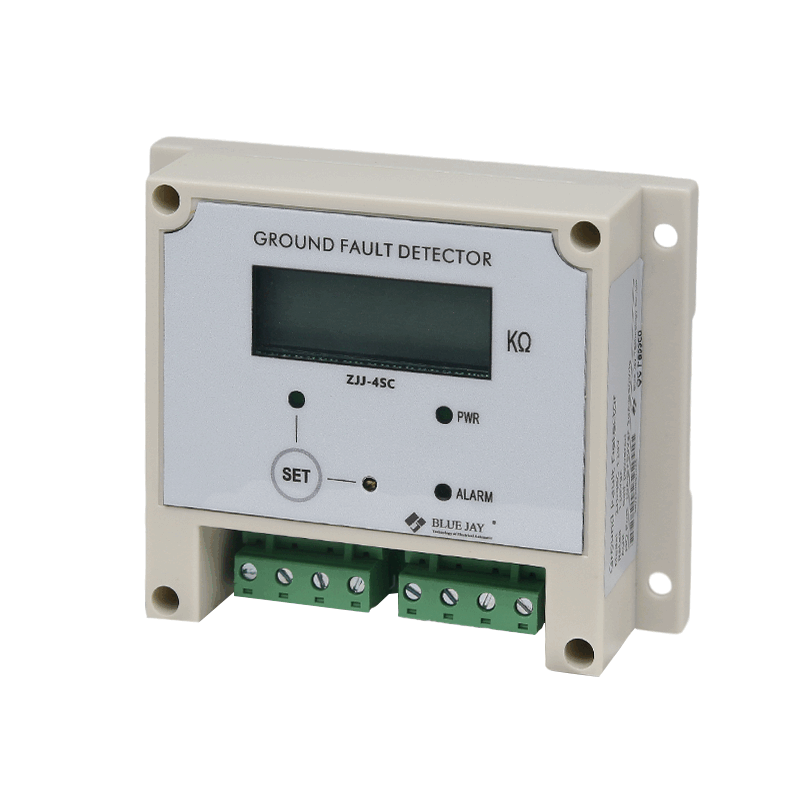
Signal processing and filtering enhancement techniques
Advanced filtering improves ground fault indicator accuracy in noisy environments. Digital algorithms remove transient spikes from measurement data.Moving average filters stabilize rapid fluctuations in sensor output. Adaptive filtering adjusts sensitivity based on load conditions. These methods improve detection reliability under dynamic electrical loads. Hardware filters complement software-based processing systems. Combined approaches reduce error probability significantly. Engineers prioritize low-latency filtering for real-time response systems.
| Environmental Factor | Mechanism of Impact | Severity Level | Engineering Countermeasure |
|---|---|---|---|
| Temperature variation | Resistance drift and thermal expansion | High | Thermal compensation circuits |
| Humidity | Leakage current formation | High | Sealed enclosure design |
| Electromagnetic interference | Signal noise coupling | Medium | Shielding and filtering |
| Altitude | Reduced dielectric strength | Medium | Recalibrated insulation design |
Environmental stress mechanisms in electrical monitoring systems
Environmental stress directly modifies system behavior across multiple operating layers. Thermal expansion changes conductor alignment and sensor geometry. Moisture accelerates insulation breakdown and surface leakage formation. Electromagnetic fields distort signal transmission pathways inside control units. Altitude variations alter breakdown voltage thresholds in air gaps. These combined effects create complex interference patterns. Engineers must analyze all variables during system deployment. Multi-layer protection strategies ensure stable operation across diverse conditions. Proper integration of hardware and software controls improves long-term reliability.
Material selection and enclosure design improvements
Material engineering plays a central role in system durability. High-grade polymers resist moisture absorption and chemical corrosion. Metallic housings provide electromagnetic shielding effectiveness. Composite materials balance strength and weight requirements efficiently. Sealing gaskets prevent water ingress under pressure variation. Industrial standards define minimum protection requirements for enclosures. IP-rated systems ensure consistent environmental resistance. Proper material selection directly reduces failure probability in field conditions. These improvements enhance operational stability across extended service life.
| Material Type | Property | Benefit | Application Area |
|---|---|---|---|
| Polycarbonate | High impact resistance | Mechanical durability | Outdoor enclosures |
| Stainless steel | Corrosion resistance | Long service life | Coastal installations |
| Epoxy resin | Electrical insulation | Signal stability | Sensor encapsulation |
Maintenance scheduling and system validation practices
Routine maintenance ensures stable system operation over time. Technicians inspect wiring integrity and sensor alignment. Diagnostic tests verify response accuracy under controlled conditions. Preventive maintenance reduces unexpected failure events. Standardized protocols improve consistency across maintenance teams. Data logging systems track performance trends over time. These records help identify early degradation patterns. Regular validation maintains operational confidence in field deployments.
Application scenarios and environmental risk overview
Industrial power distribution systems
Outdoor transmission cable networks
Underground tunnel electrical supply systems
Coastal high-humidity power infrastructure
Each environment introduces distinct operational risks. Industrial sites face electromagnetic noise from heavy machinery.
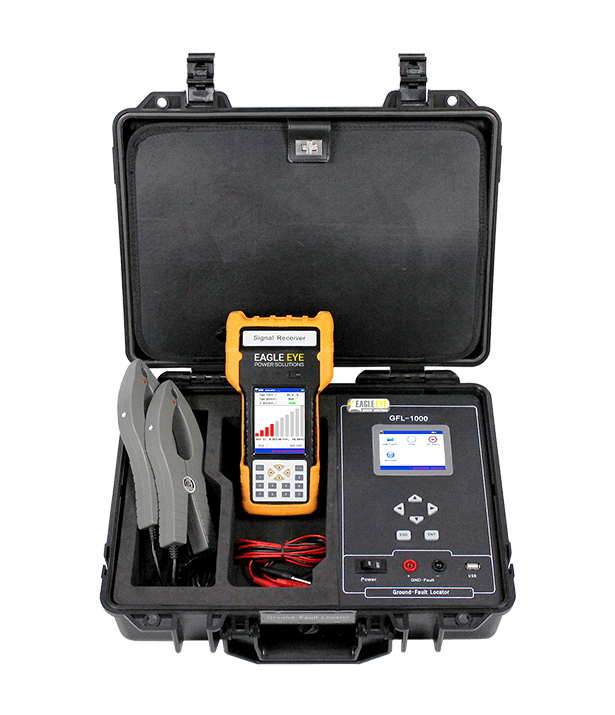
Outdoor networks encounter weather-driven fluctuations. Underground systems suffer from moisture accumulation. Coastal areas experience corrosion acceleration due to salt exposure. These conditions collectively influence detection reliability. Engineers must tailor design strategies for each scenario. Proper adaptation improves system resilience under real-world stress.
Environmental risk interaction in monitoring systems
Different environments interact in complex ways across installations. Temperature and humidity often combine to accelerate degradation. Electromagnetic noise amplifies instability in already stressed systems. Mechanical vibration adds further variability to sensor output. These overlapping effects create compounded accuracy challenges. System designers must evaluate combined stress rather than isolated factors. Integrated testing ensures readiness for real deployment conditions. Robust engineering strategies minimize cumulative environmental impact.
FAQ
What causes instability in ground fault indicator accuracy in harsh environments?
Instability arises from combined environmental stress factors. Temperature shifts alter resistance and sensor sensitivity. Humidity introduces leakage currents that distort measurements. Electromagnetic noise interferes with signal clarity. These combined effects create fluctuating detection thresholds. Poor enclosure sealing worsens environmental exposure. Aging components also increase measurement drift. Engineers address these issues through shielding, calibration, and filtering. Robust system design significantly reduces instability in field applications.
How can calibration improve ground fault indicator accuracy in field applications?
Calibration aligns sensor output with known reference values. Field conditions gradually shift measurement baselines over time. Regular calibration corrects these deviations before they accumulate. Digital calibration systems provide real-time adjustment capabilities. Technicians use controlled test currents for verification. Accurate calibration reduces false alarms and missed detections. It also extends system operational lifespan. Consistent calibration schedules ensure stable performance across diverse environments.
What standards are used to evaluate ground fault indicator accuracy performance?
International electrical standards define performance benchmarks. IEC guidelines specify testing conditions and measurement tolerances. IEEE standards define sensor response and safety requirements. These frameworks ensure consistency across manufacturers. Testing includes environmental simulation and stress validation. Compliance confirms system reliability under real-world conditions. Certification processes verify long-term operational stability. Standardized evaluation improves trust in industrial deployment systems.