How High-Voltage Live Displays Enhance Electrical Safety?
High-voltage live display electrical safety improves hazard visibility, reduces risk, and ensures compliance in industrial power systems.
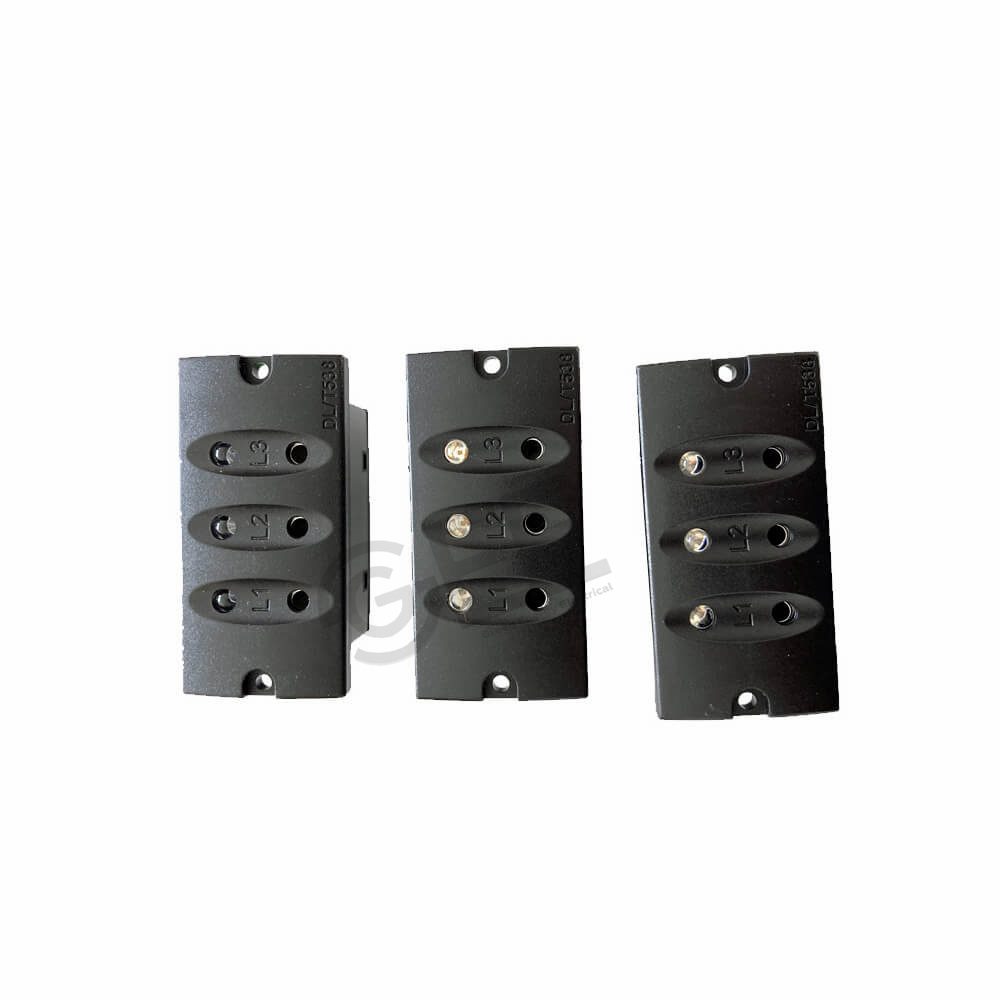
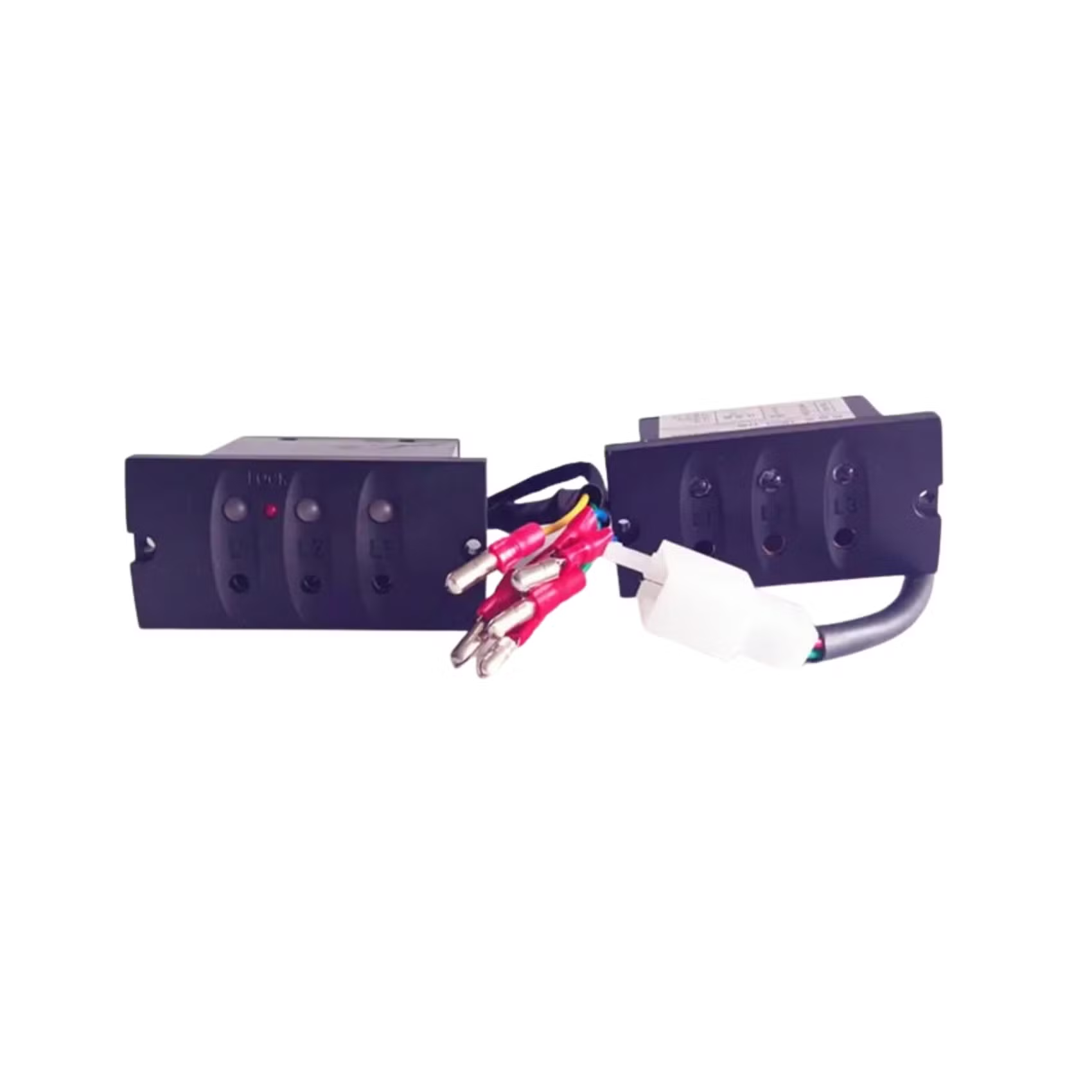
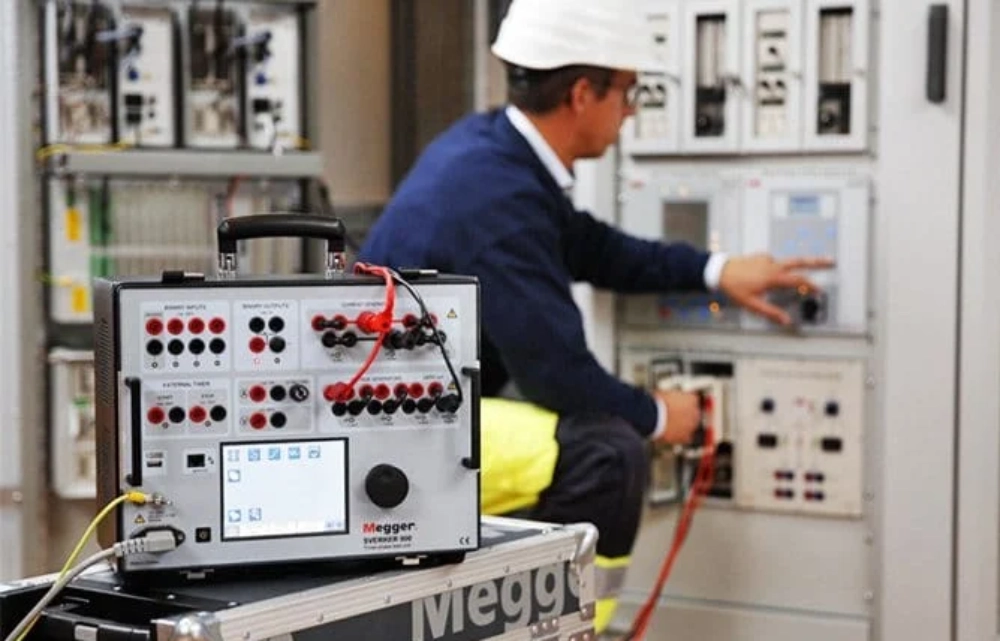
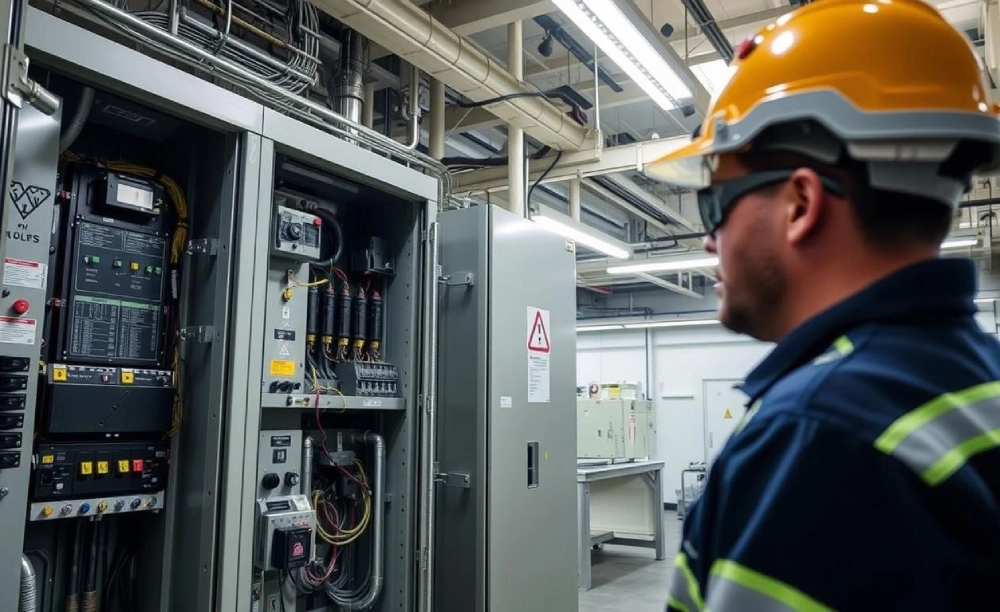
Modern electrical systems demand precise visibility of energized components to prevent accidents. The concept of high-voltage live display electrical safety has become essential in industrial power distribution. Engineers rely on visual indicators to confirm voltage presence without direct contact. These systems reduce uncertainty during maintenance and operation tasks. Clear status indication improves decision making in complex environments. Operators can instantly verify whether equipment is energized or isolated. This capability minimizes exposure to hazardous conditions significantly. Industrial sectors such as manufacturing and utilities depend on reliable monitoring solutions. Safety protocols now integrate visual display technologies as standard practice. Consistent implementation enhances operational stability and protects personnel from unexpected electrical risks.
Real-Time Voltage Visibility Improves Operational Awareness
Real-time voltage visibility provides immediate feedback about system conditions. Operators can detect live circuits before performing any intervention. This awareness reduces accidental contact with energized components effectively. Visual signals eliminate the need for invasive testing methods. Maintenance teams benefit from faster verification processes during inspections. Clear indicators improve coordination among multiple technicians working simultaneously. Industrial environments often involve complex switchgear arrangements. Accurate visibility prevents misinterpretation of system status. Engineers design these displays to function under varying load conditions. Reliable operation ensures continuous monitoring even in harsh environments. Enhanced awareness directly contributes to safer workflows and reduced downtime.
How high-voltage live display electrical safety Supports Risk Prevention
Risk prevention remains a critical objective in power system management. High-voltage live display electrical safety plays a direct role in hazard mitigation. Visual indicators warn personnel about energized zones instantly. Early detection prevents accidental exposure to dangerous voltage levels. Electrical arcs and shock incidents can be avoided with proper signaling. Safety procedures become more effective when supported by clear visual data. Operators gain confidence while performing switching operations. Reduced reliance on manual testing lowers human error rates. Consistent monitoring ensures that faults are identified quickly. Preventive measures become proactive rather than reactive in nature. This approach strengthens overall system reliability and safety performance.
Core Components and Technical Structure of Live Display Systems
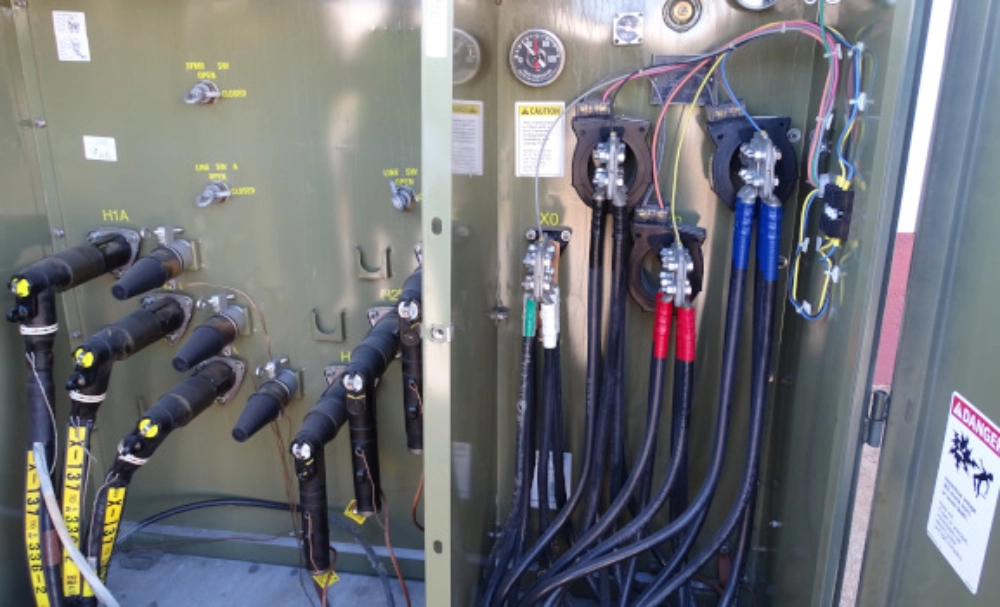
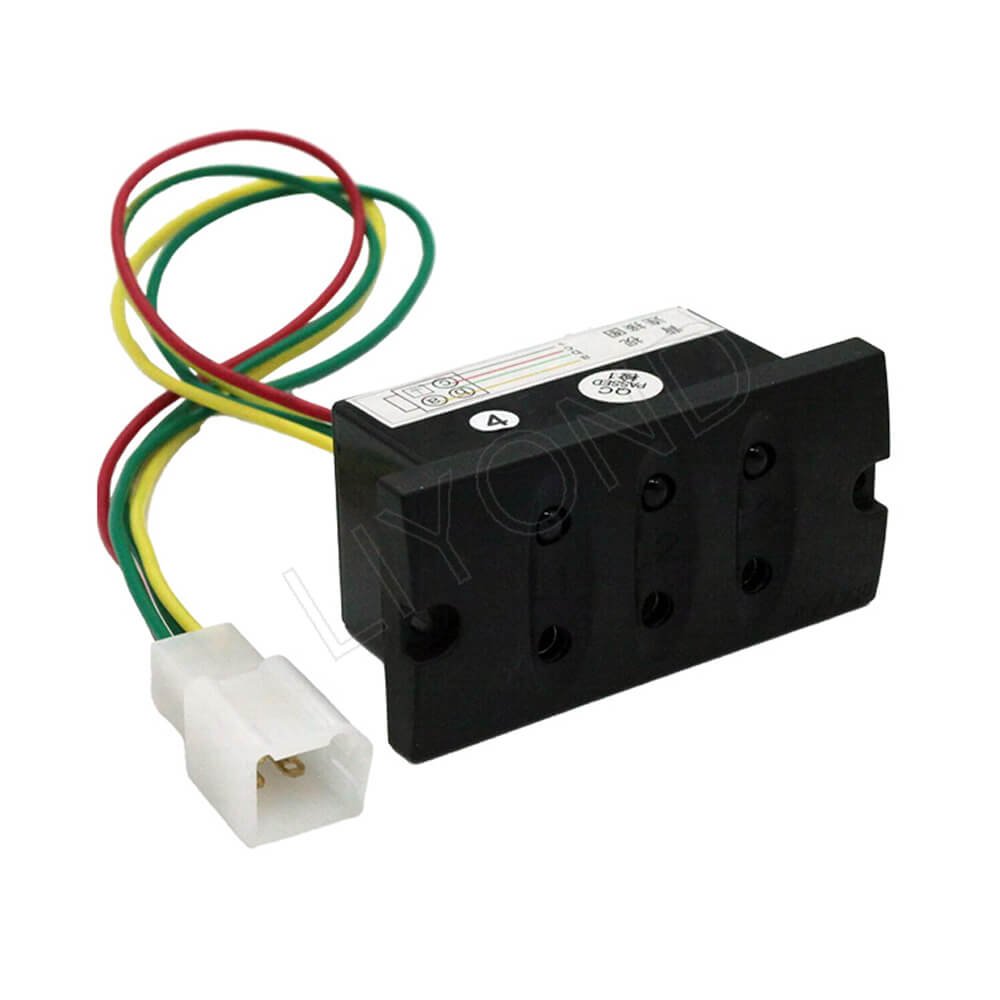
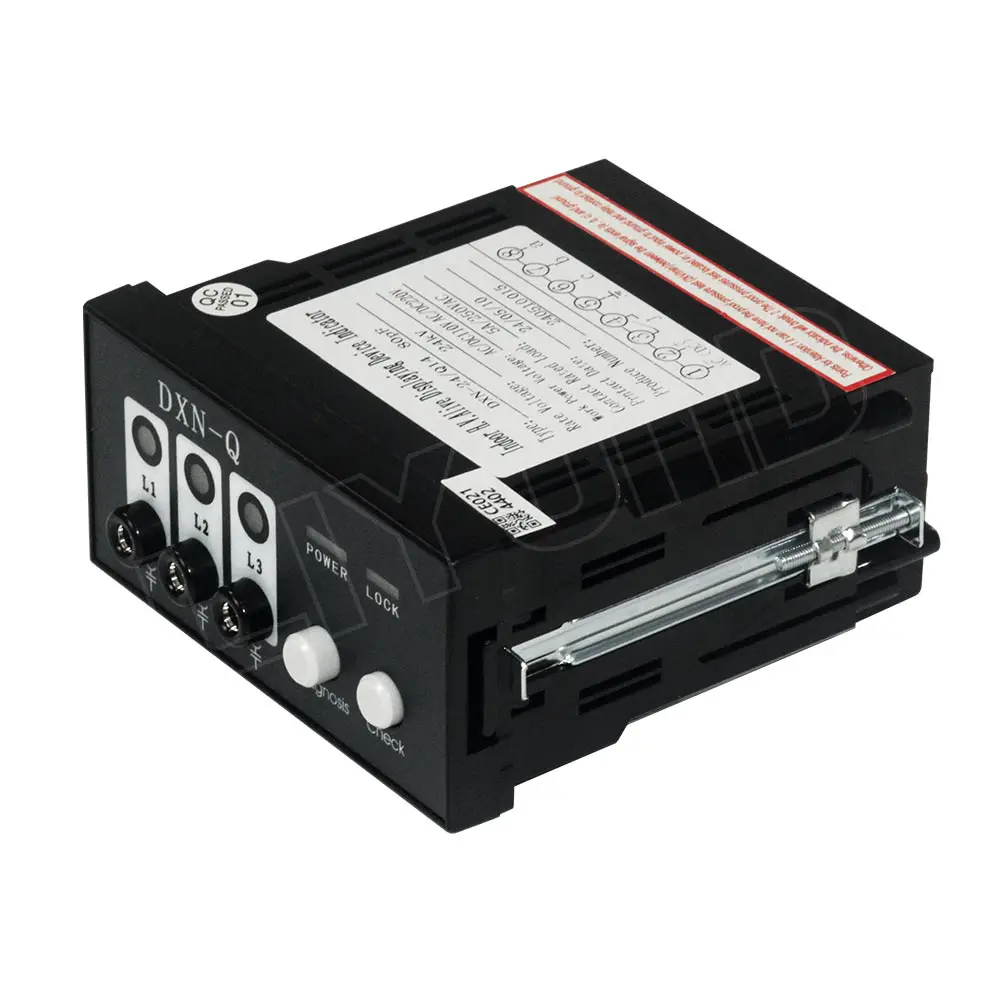
Live display systems consist of sensors, indicators, and signal processing units. Capacitive sensors detect electric fields without direct electrical contact. Signal converters translate detected voltage into visual outputs. LED indicators provide clear and immediate status representation. Insulation materials protect internal components from high voltage stress. Engineers design circuits to maintain accuracy across voltage ranges. Protective housings ensure durability in industrial environments. Internal calibration mechanisms maintain measurement precision over time. These systems often integrate with existing electrical panels seamlessly. Advanced designs include self-checking features for reliability assurance. High-voltage live display electrical safety depends on the coordinated performance of these components.
Integration with Switchgear and Industrial Electrical Equipment
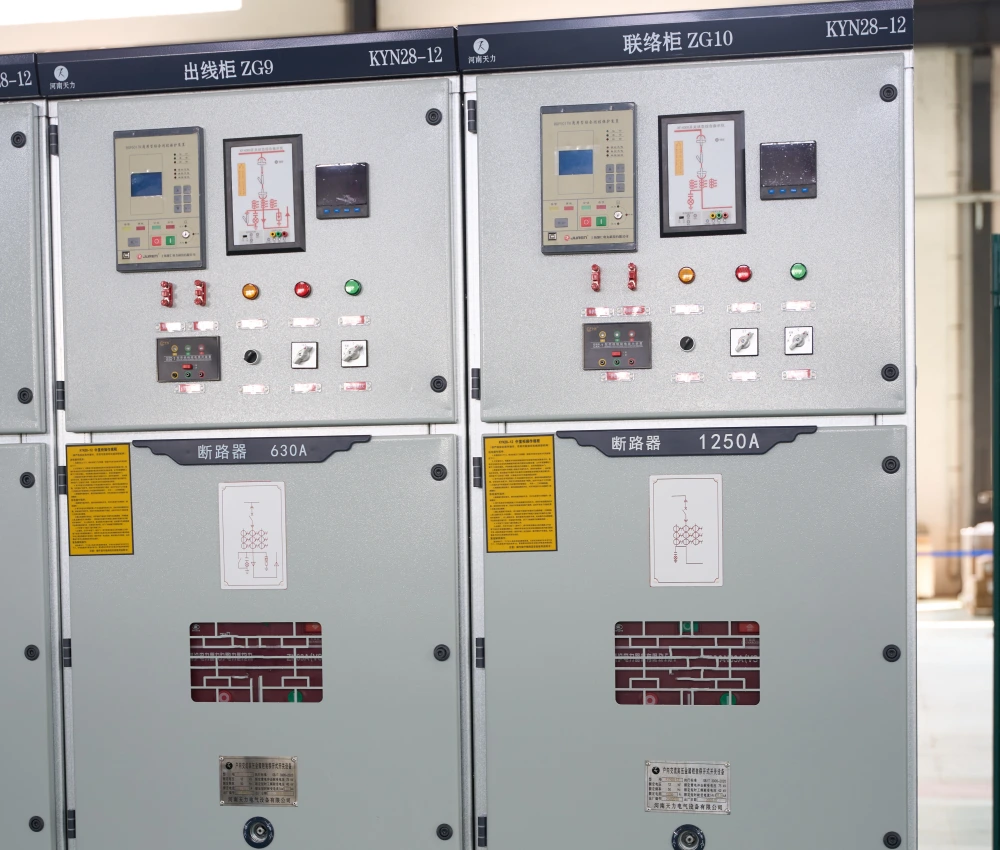
Switchgear integration allows live display systems to function within existing infrastructures. Engineers install indicators directly on panel doors or busbar compartments. This placement ensures visibility without exposing internal components. Compatibility with medium and high voltage systems remains essential. Integration supports safe operation during circuit isolation procedures. Operators can confirm de-energized status before accessing equipment. Modern switchgear designs include dedicated slots for display modules. Wiring connections remain minimal to reduce complexity. Seamless integration improves efficiency during installation and maintenance. Industrial facilities benefit from standardized safety configurations. High-voltage live display electrical safety strengthens operational confidence in these integrated systems.
Material Selection and Durability in High-Voltage Environments
Material selection directly affects system durability and performance stability. Insulating materials must withstand high electrical stress and temperature variations. Polycarbonate and epoxy resins are commonly used for housing components. These materials provide strong dielectric properties and mechanical strength. UV resistance ensures long term performance in outdoor installations. Internal conductors use corrosion resistant alloys for reliability. Sealing techniques protect against moisture and dust intrusion. Thermal stability prevents deformation under continuous operation. Engineers evaluate material properties based on environmental conditions. Proper selection extends equipment lifespan significantly. High-voltage live display electrical safety relies on durable materials for consistent operation.
Key Benefits of Implementing Live Display Technology
Live display technology offers several operational and safety advantages:
- Immediate identification of energized components
- Reduced need for manual voltage testing
- Enhanced compliance with safety regulations
- Lower risk of electrical accidents
- Improved maintenance efficiency
Performance Comparison of Live Display Technologies
| Technology Type | Detection Method | Accuracy Level | Typical Application |
|---|---|---|---|
| Capacitive Indicator | Electric Field Sensing | High | Medium Voltage Panels |
| Resistive Indicator | Direct Voltage Sampling | Moderate | Low Voltage Systems |
| Optical Indicator | Light Signal Conversion | Very High | High Voltage Equipment |
Technical Explanation of Display Performance and Selection Criteria
Performance evaluation depends on response speed, accuracy, and environmental tolerance. Capacitive systems offer non-contact detection with high reliability. Optical systems provide faster response in high voltage applications. Engineers consider insulation coordination during selection processes. Voltage range compatibility remains a critical factor. Environmental conditions influence material and design choices significantly. Maintenance requirements also affect technology selection decisions. Systems with self-diagnostic features improve operational reliability. Cost considerations must align with performance expectations. Proper evaluation ensures optimal safety and efficiency outcomes. High-voltage live display electrical safety benefits from correct technology selection.
Operational Comparison of Live Display Features
| Feature | Capacitive System | Optical System | Resistive System |
|---|---|---|---|
| Response Speed | Fast | Very Fast | Moderate |
| Maintenance Need | Low | Low | Medium |
| Durability | High | High | Medium |
| Installation Complexity | Low | Medium | Low |
Interpreting Performance Data for Practical Implementation
Evaluation of performance data plays a decisive role in selecting suitable solutions for specific applications. Capacitive systems suit environments requiring non-invasive monitoring. Optical systems perform well in high voltage and fast response scenarios. Resistive systems remain cost effective for simpler installations. Data comparison highlights trade-offs between accuracy and complexity. Engineers must align system capabilities with operational requirements. Environmental conditions also influence final decisions significantly. Proper interpretation ensures safe and efficient implementation. Balanced selection improves long term reliability and safety outcomes. High-voltage live display electrical safety improves when data is correctly interpreted.
Compliance with International Safety Standards and Regulations
International electrical safety compliance for high-voltage live display systems is governed by multiple globally recognized standards. IEC 62271 defines requirements for high-voltage switchgear and controlgear, including insulation coordination and voltage indication interfaces. IEC 60071 specifies insulation coordination principles to ensure safe clearance distances and dielectric strength. IEC 61326 covers electromagnetic compatibility requirements for measurement and control equipment. IEEE C37 series standards define performance and testing requirements for high-voltage switchgear assemblies. IEEE 519 addresses harmonic control and system power quality considerations. Certification processes under CE marking in Europe and UL listing in North America validate product safety, dielectric performance, and environmental resilience. Engineers must follow IEC 61010 for safety requirements of electrical measurement equipment during design and installation. Regulatory adherence ensures traceability, repeatable testing, and consistent manufacturing quality. These frameworks collectively ensure that high-voltage live display electrical safety maintains reliable performance under real-world operating stress conditions.
Installation Considerations and Best Practices for Industrial Use
Proper installation ensures accurate performance and long term reliability. Engineers must position indicators for maximum visibility and accessibility. Wiring should follow standardized routing practices to avoid interference. Environmental sealing prevents damage from moisture and contaminants. Calibration procedures ensure accurate voltage detection after installation. Routine inspection schedules maintain system performance over time. Safety protocols must be followed during installation processes. Training ensures operators correctly interpret display signals. Proper documentation supports maintenance and troubleshooting activities. High-voltage live display electrical safety improves with correct installation practices.