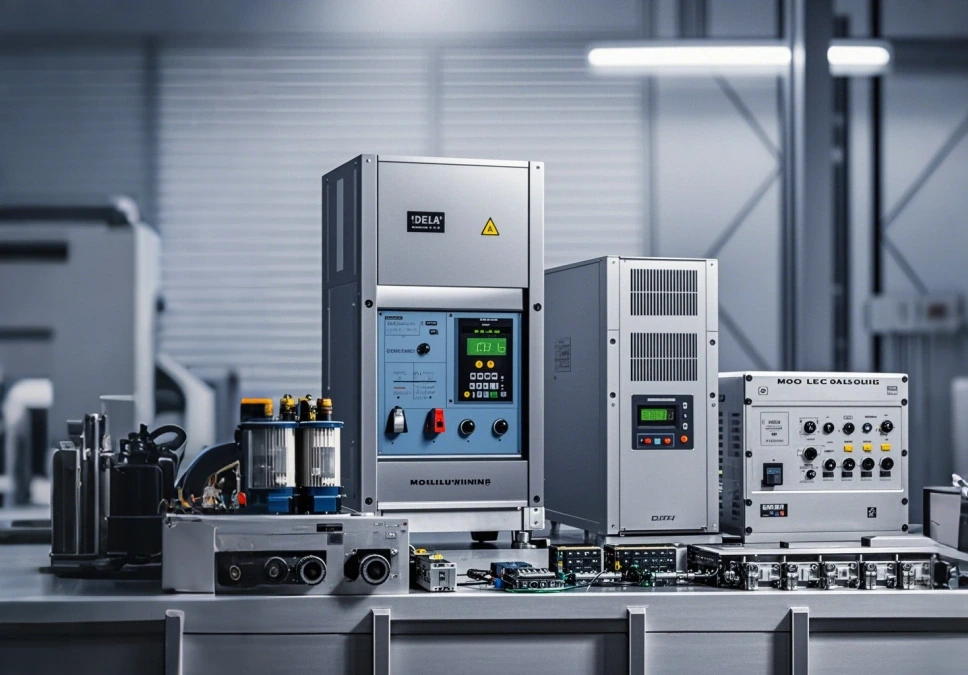
What Is An Indoor High-Voltage Live Display?
Indoor High-Voltage Live Display covers voltage detection, components, standards, and applications for reliable electrical safety systems.
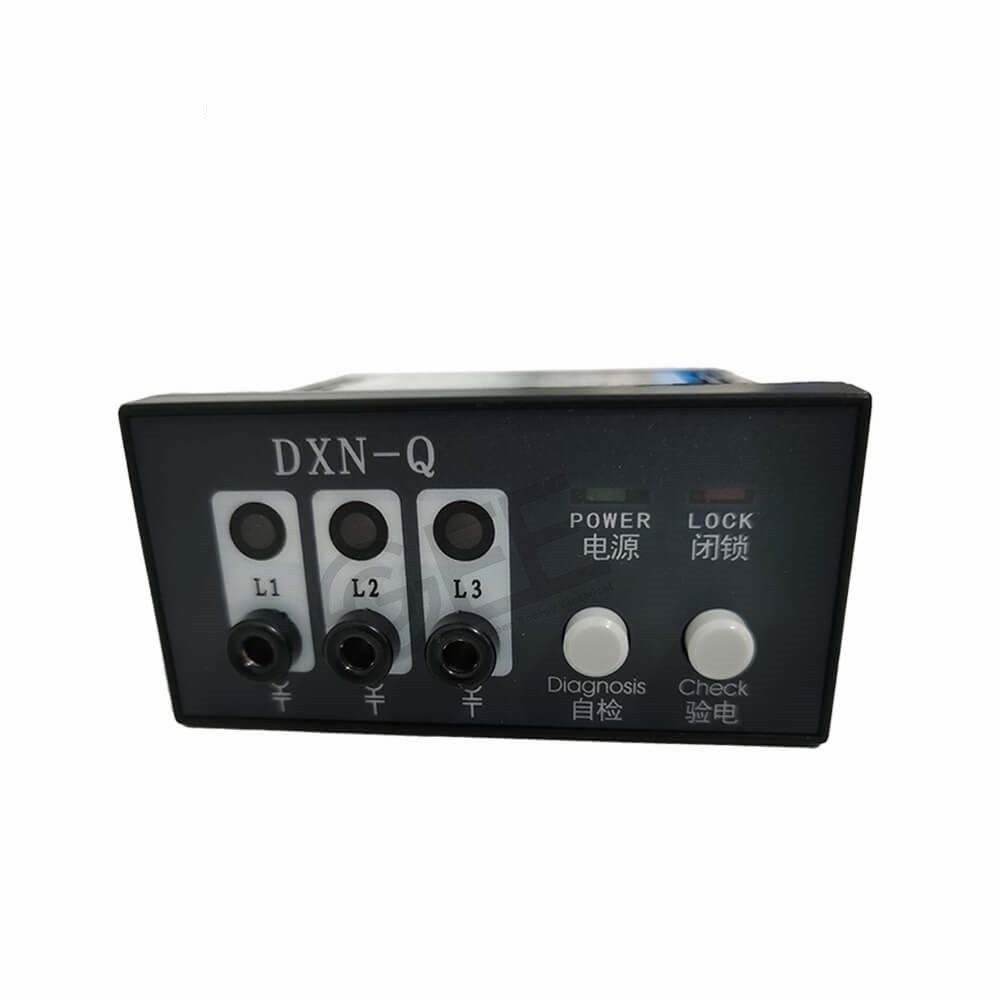
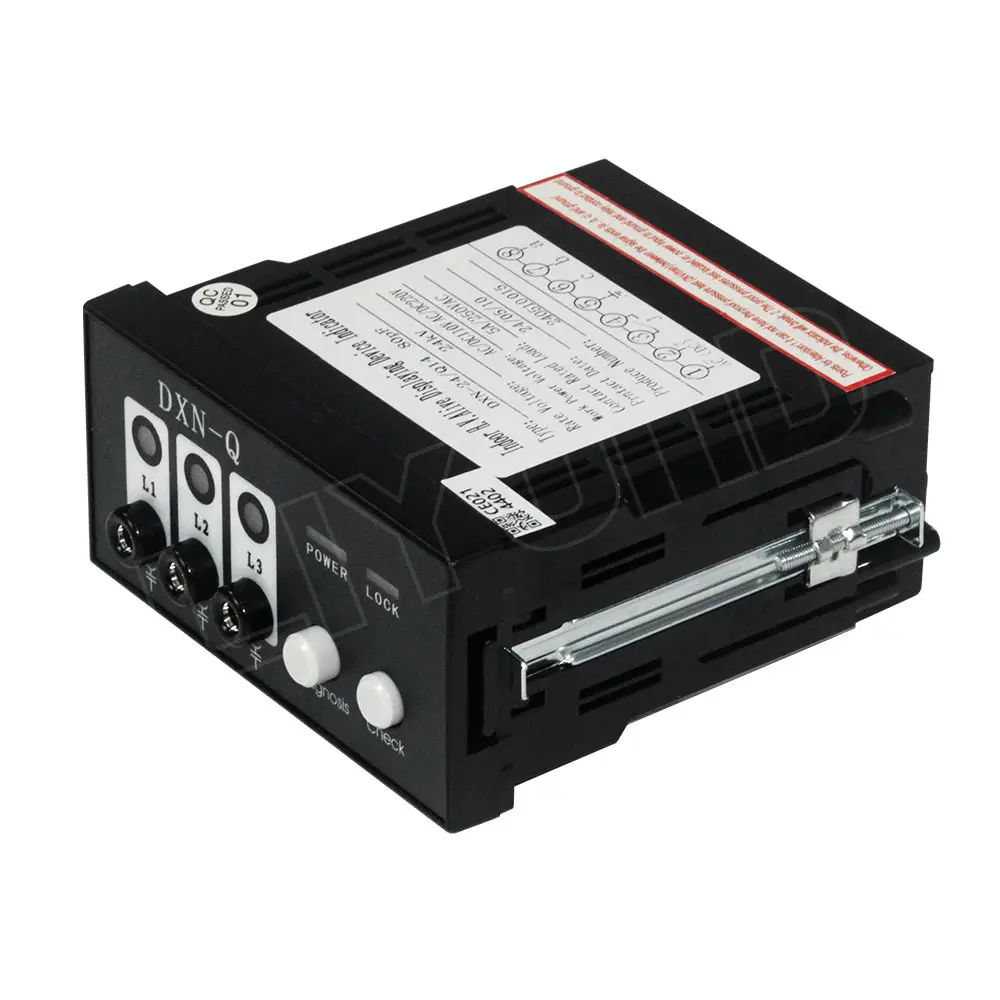
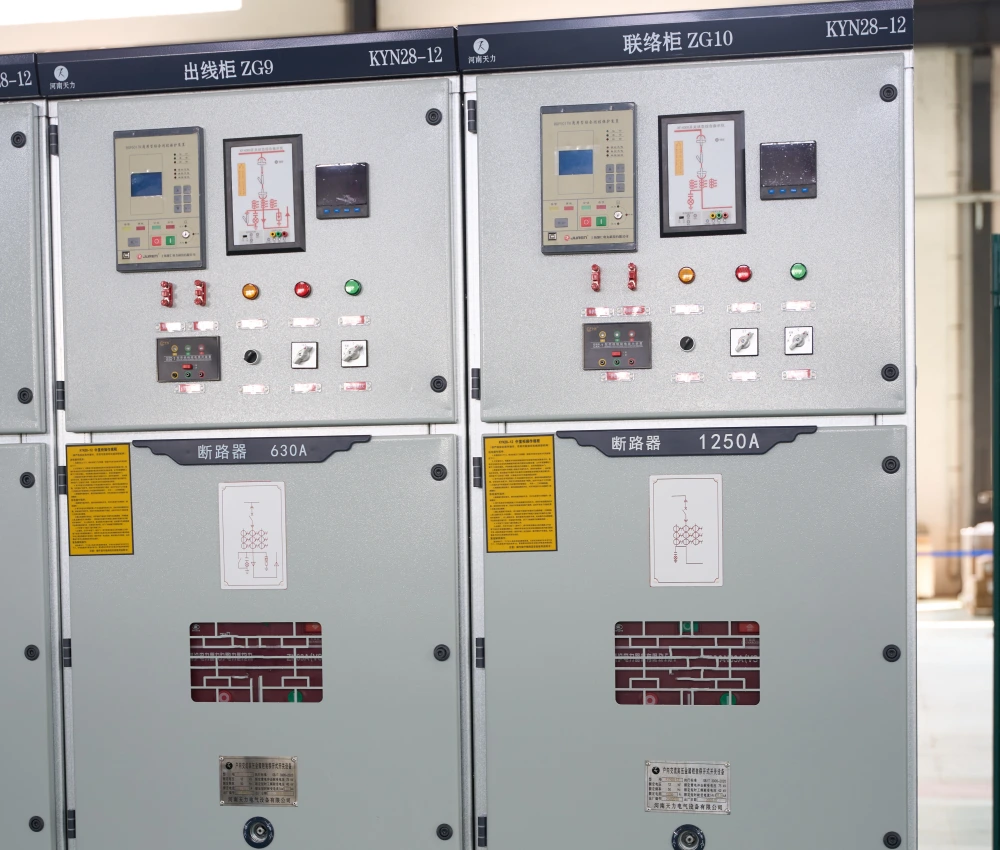
Indoor High-Voltage Live Display plays a critical role in modern electrical safety systems. It visually indicates whether high-voltage circuits are energized. Many industrial facilities rely on this system for real-time awareness. Electrical engineers use it during maintenance and operation tasks. Clear voltage indication reduces accidental contact risks significantly. Manufacturing plants integrate these displays into switchgear panels. Power distribution rooms also depend on accurate voltage status signals. The system enhances safety awareness for operators and technicians. Reliable indication improves operational confidence across high-voltage environments. Industrial buyers often prioritize safety visibility when selecting electrical equipment.
Working Principles Behind Indoor High-Voltage Live Display Systems
Indoor High-Voltage Live Display operates through non-contact voltage detection methods. Sensors detect electric fields generated by energized conductors. Signal processing circuits convert detected energy into readable outputs. Visual indicators then display the live status clearly. LED lights commonly represent different voltage phases. Capacitive coupling ensures safe isolation from high-voltage sources. The system responds instantly when voltage presence changes. Engineers design circuits to minimize false signals. Stable performance depends on proper grounding and insulation. Accurate detection ensures reliable communication of electrical conditions.
Key Components of Indoor High-Voltage Live Display Equipment
Indoor High-Voltage Live Display systems consist of several essential components. High-voltage sensors form the detection foundation. Display modules provide visual feedback to operators. Control circuits manage signal interpretation and output logic. Insulation structures protect users from electrical hazards. Some systems include integrated alarm functions for added safety. Modular design simplifies installation and maintenance processes. Manufacturers often use durable materials for long-term reliability. Each component must meet strict electrical performance standards. System integration ensures seamless operation within switchgear assemblies.
Technical Standards and Compliance Requirements
Indoor High-Voltage Live Display must comply with strict electrical safety standards. International standards define insulation levels and testing procedures. Certification ensures product reliability under operational conditions. Testing includes dielectric strength and environmental resistance checks. Compliance reduces risks in industrial installations. Buyers often require documented certification before procurement decisions. Standards also define performance consistency across voltage ranges. Engineers follow these guidelines during system design and manufacturing. Proper compliance ensures compatibility with global electrical systems. Reliable certification strengthens supplier credibility in B2B markets.
Common Applications of Indoor High-Voltage Live Display in B2B Environments
Indoor High-Voltage Live Display is widely used across industrial sectors. Power substations rely on it for voltage status monitoring. Manufacturing plants integrate it into control panels. Electrical maintenance teams use it for safety verification. Training facilities adopt it for demonstration purposes. Utility companies deploy it in distribution systems. Accurate indication improves workflow efficiency during inspections. Industrial buyers value its role in reducing operational risks. The system supports compliance with workplace safety regulations. Its versatility makes it essential in many B2B applications.
Comparison with Other Voltage Indication Methods
Different voltage indication methods offer varying performance levels. Traditional testers require direct contact with conductors. Installed display systems provide non-contact detection advantages. This reduces risk during operation significantly. Portable devices offer flexibility but lack continuous monitoring. Fixed systems ensure constant visibility in critical environments. Accuracy varies depending on detection technology used. Maintenance requirements also differ between systems. Fixed displays require less frequent handling than portable tools. Industrial users prefer stable and integrated solutions for safety.
Advantages and Limitations of Indoor High-Voltage Live Display Systems
Indoor High-Voltage Live Display delivers reliable performance in demanding electrical environments. Continuous indication helps operators confirm circuit status instantly. Non-contact sensing reduces direct exposure to energized components. Clear visual signals improve response speed during maintenance tasks. Panel integration supports stable monitoring within enclosed systems. Certain constraints still require attention during practical applications. Strong electromagnetic interference may affect detection stability. Improper installation can reduce signal accuracy and consistency. Routine inspection ensures stable long-term operation. Balanced evaluation of benefits and constraints supports informed equipment selection.
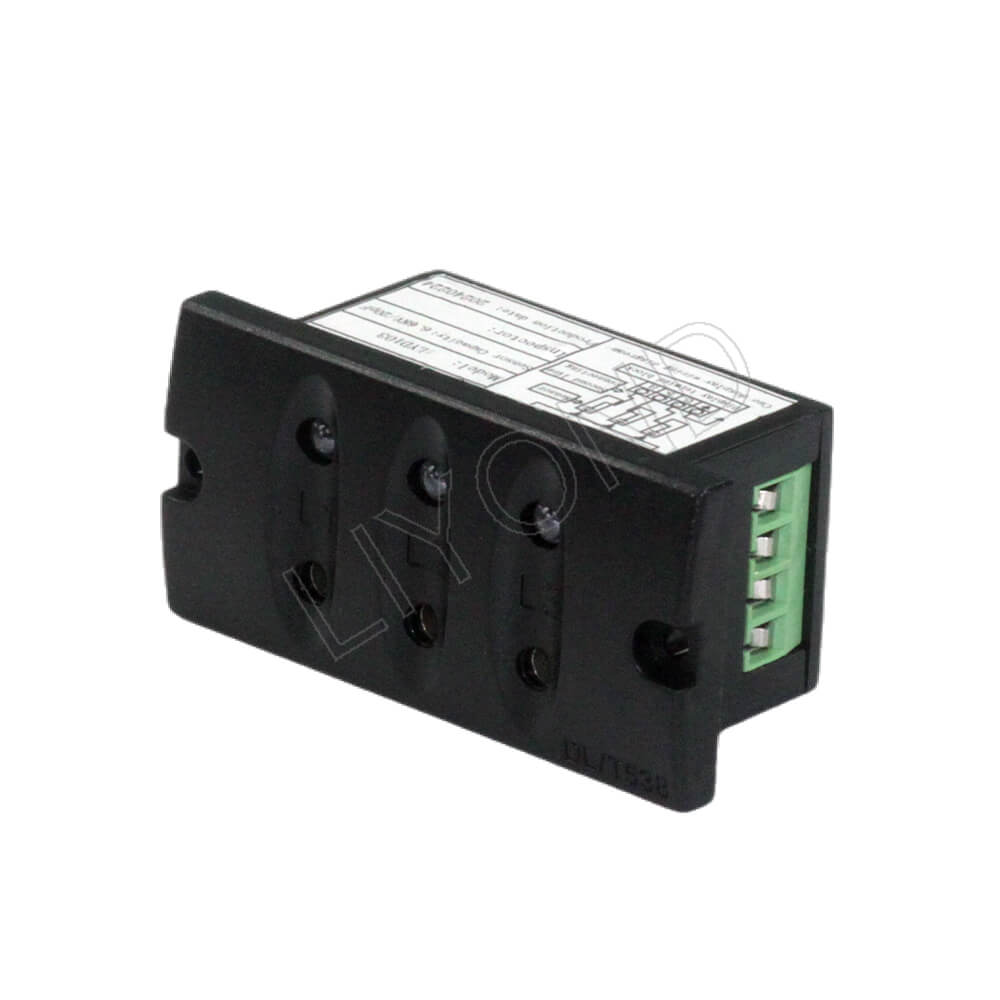
Technical Specifications Overview
Indoor High-Voltage Live Display systems vary in technical specifications. Voltage detection range determines system compatibility. Response time affects real-time monitoring capability. Installation type influences integration with existing equipment. Insulation level ensures safe operation under high voltage. Environmental tolerance defines system durability. Buyers must evaluate these parameters carefully. Reliable specifications ensure stable performance in demanding conditions.
| Parameter | Description | Typical Range |
|---|---|---|
| Voltage Detection Range | Operational voltage levels supported | 3kV – 40.5kV |
| Response Time | Time to display live status | < 1 second |
| Installation Type | Indoor panel or switchgear mounting | Embedded / Surface-mounted |
| Insulation Level | Electrical insulation capability | High dielectric strength |
Detailed Performance Metrics and Environmental Adaptability
System performance depends on environmental and technical factors. Temperature tolerance affects stability in different conditions. Humidity resistance prevents insulation degradation over time. Mechanical durability ensures long-term operation in industrial settings. Electrical interference resistance improves signal accuracy. Proper material selection enhances overall performance. Engineers design systems for harsh operational conditions. Buyers should review environmental ratings before selection. Performance metrics help ensure consistent functionality across applications.
| Factor | Impact on Performance | Typical Requirement |
|---|---|---|
| Temperature Range | Ensures stable operation | -25°C to +55°C |
| Humidity Resistance | Prevents insulation failure | Up to 95% RH |
| EMI Resistance | Maintains signal accuracy | High immunity |
| Mechanical Strength | Supports long-term durability | Industrial grade |
Selection Criteria for Choosing Indoor High-Voltage Live Display Systems
Indoor High-Voltage Live Display selection requires careful technical evaluation. Buyers should assess voltage compatibility with existing equipment. Environmental conditions influence product selection significantly. Certification and compliance remain critical decision factors. Supplier reputation affects long-term reliability expectations. Cost considerations should align with performance requirements. Integration capability determines installation efficiency. The Integral Plug-in Series offers convenient installation advantages. Modular options simplify maintenance and upgrades. A structured evaluation process ensures optimal procurement outcomes.
Essential Features to Evaluate in Display Systems
Key features determine system effectiveness in industrial use. High visibility indicators improve operational clarity. Fault detection enhances safety during abnormal conditions. Compact design supports space-constrained installations. Long service life reduces maintenance frequency. Reliable insulation ensures consistent performance over time. Buyers should prioritize features that align with operational needs. Advanced systems may include smart monitoring capabilities. Feature comparison helps identify suitable solutions quickly.
- High brightness LED indicators
- Fault detection capability
- Compact modular design
- Long service life components
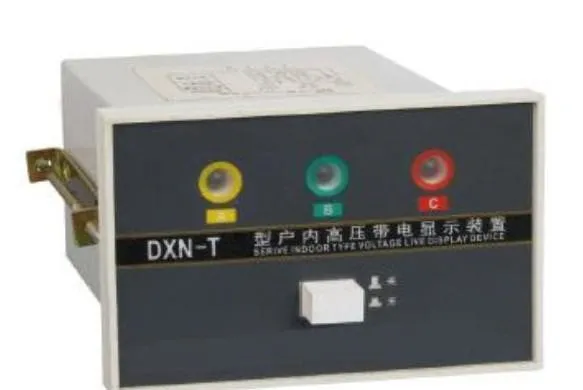
How does an indoor high-voltage live display improve electrical safety?
An indoor high-voltage live display improves safety by offering real-time voltage visibility. Workers can identify energized circuits quickly and accurately. This prevents unintended contact with live components. Non-contact detection reduces exposure to electrical hazards. Visual alerts increase awareness in complex environments. Maintenance teams depend on it during troubleshooting tasks. Continuous monitoring ensures consistent safety conditions. Integration with switchgear enhances protection measures. Training programs often include its usage for safety education. Its presence significantly lowers the risk of electrical accidents.
What factors affect the accuracy of an indoor high-voltage live display?
Several factors influence the accuracy of an indoor high-voltage live display. Sensor quality determines detection precision. Environmental conditions may affect signal stability. Electrical interference can distort readings if shielding is inadequate. Installation quality impacts overall system performance. Proper grounding ensures consistent detection results. Component aging may reduce sensitivity over time. Regular maintenance helps maintain accuracy levels. Calibration processes improve reliability in critical applications. Engineers must consider these factors during system selection and operation.
Maintenance and Operational Best Practices
Regular maintenance ensures reliable system performance over time. Inspection routines should check indicator functionality and wiring. Cleaning prevents dust accumulation on display surfaces. Technicians should verify insulation integrity periodically. Faulty components must be replaced promptly. Proper documentation supports maintenance tracking. Training improves correct system handling and operation. Preventive maintenance reduces unexpected failures. Consistent care extends equipment lifespan significantly.
Future Trends in Indoor High-Voltage Live Display Technology
Indoor High-Voltage Live Display continues evolving with advanced technologies. Smart grid integration enhances real-time monitoring functions. IoT connectivity enables remote diagnostics and control. Digital interfaces provide more detailed system information. Automation reduces manual inspection requirements. Improved materials increase durability and safety. Manufacturers focus on energy-efficient designs. Future systems will offer enhanced reliability and intelligence. Innovation drives continuous improvement in electrical safety solutions.
FAQ
What is the main function of an indoor high-voltage live display?
An indoor high-voltage live display indicates whether electrical circuits are energized. It provides visual confirmation through LED indicators or similar devices. Operators rely on it before performing maintenance tasks. This reduces the risk of accidental electrical contact. The system continuously monitors voltage presence without direct interaction. Engineers integrate it into switchgear and control panels. Its function supports safe operational procedures in industrial environments. Reliable indication improves decision-making during inspections. Proper use enhances overall electrical safety performance. It remains an essential component in high-voltage systems.