
VDIS Lead Time: Stock, Custom Orders, and Shipping
VDIS Lead Time depends on stock, custom options, approvals, testing, and freight. Set approvals, dispatch and arrival dates before ordering.
What VDIS Lead Time Should Buyers Expect?
VDIS Lead Time depends on stock, technical configuration, order quantity, and the agreed shipping milestone. Standard configurations may offer shorter dispatch windows when matching units remain available in stock. Confirm the exact model, quantity, and current availability before scheduling cabinet assembly. That dispatch window does not include international transportation, customs clearance, or receipt at your factory. Custom configurations need their own assessment rather than a standard-product assumption. Ask the supplier to confirm the start condition and dispatch date in writing. Your quotation should identify what must happen before the supplier starts counting those days.
Separate Dispatch, Arrival, and Installation Readiness
A short factory schedule can still leave a cabinet project waiting. Distinguish goods-ready dates, carrier collection, destination arrival, and receipt at your assembly site. Agree which event the quoted duration actually covers. Also check whether the offer uses working days or calendar days. Holidays can affect the factory, carrier, customs office, and receiving team on different dates. Installation readiness requires more than physical arrival. Your team also needs the correct accessories, drawings, inspection records, and engineering approval. Track those requirements separately so a missing document does not become an invisible assembly delay.
Confirm the Configuration Before Reserving Production
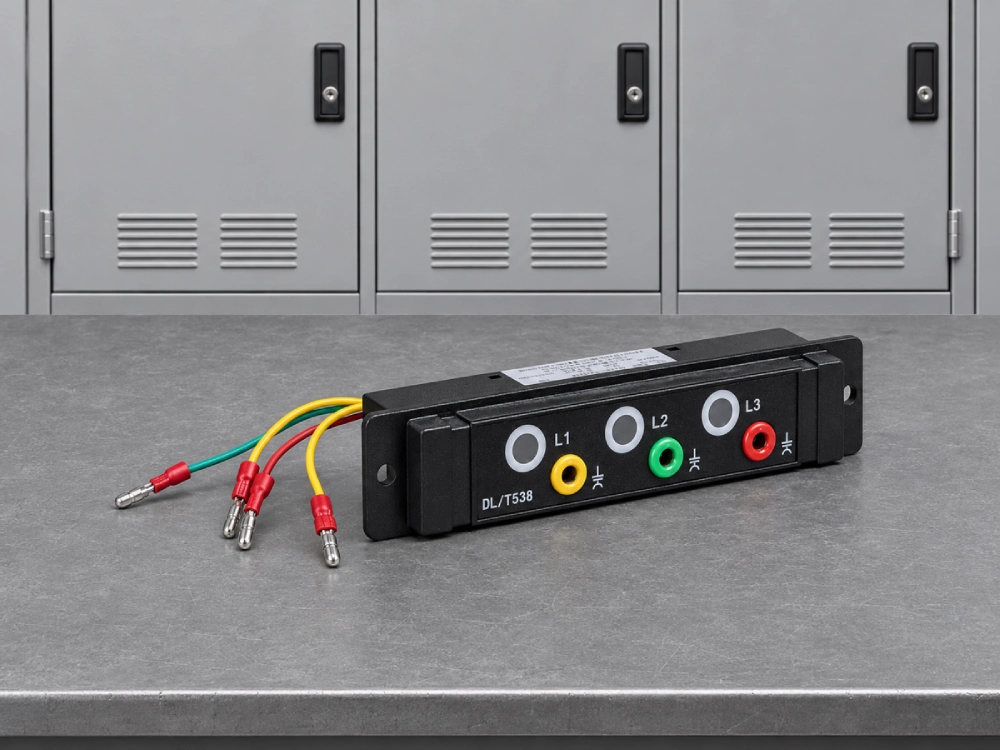
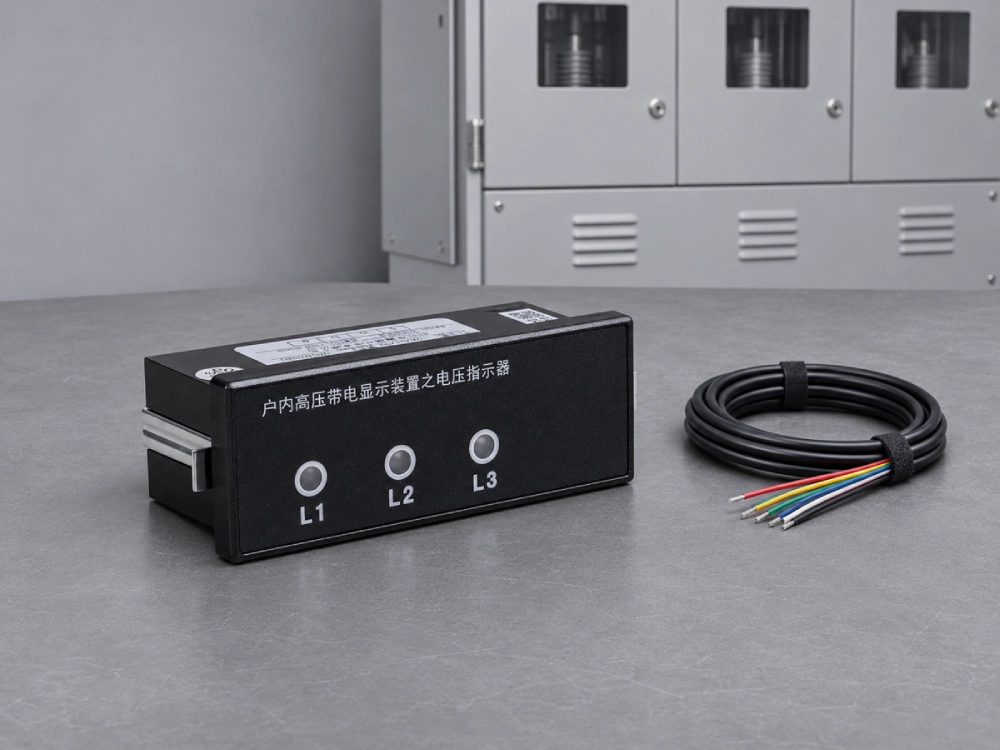
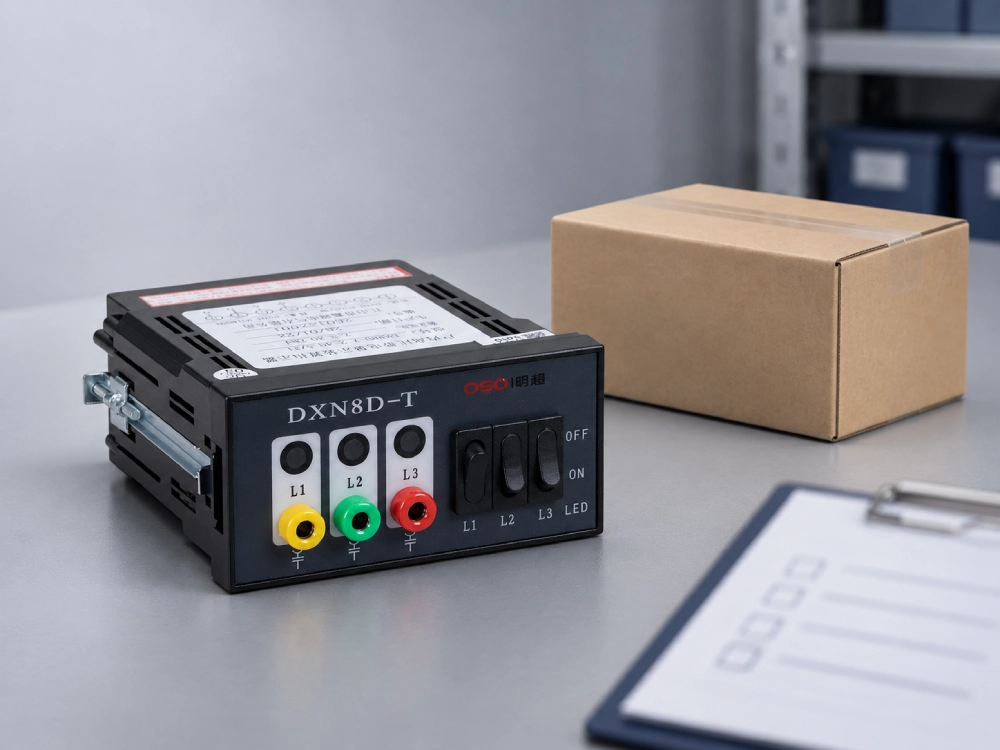
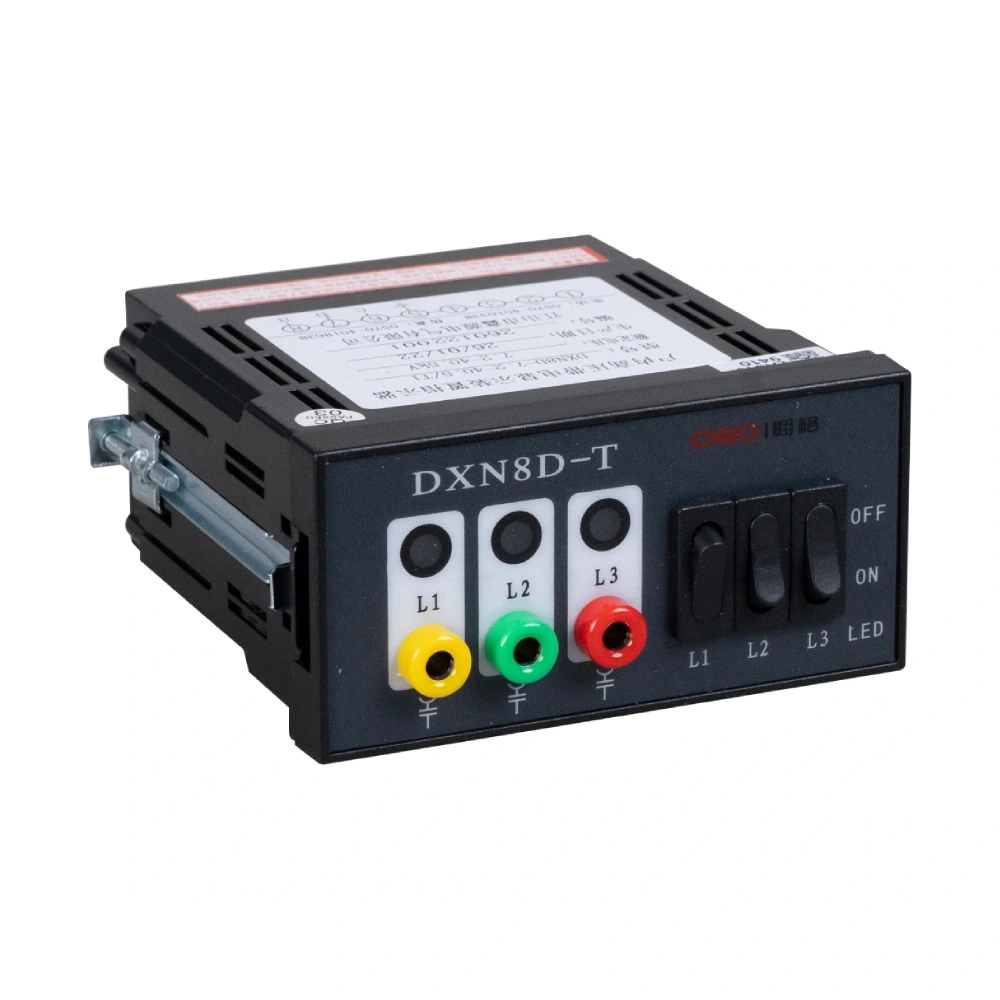
Stock availability matters only when the stocked unit matches your approved application. The 92×44mm Integral Plug-in VDIS offers a specific mounting format for a model-based enquiry. Confirm voltage, frequency, sensor capacitance, wiring arrangement, and required outputs alongside the panel dimensions. For an LCD option, review the High Voltage Detection and LCD Display Device. Ask for the exact part identification and drawing revision on the order confirmation. Similar appearance does not establish electrical interchangeability. Avoid accepting an available replacement until your engineering team approves its interface and required functions.
Identify the Stage That Controls the Finish Date
Standard production and custom development follow different schedules. Custom electronics, special terminals, housings, or marking requirements can introduce additional work. Ask which stage currently determines completion: approval, material purchasing, assembly, or release testing. Several activities may overlap, so adding every quoted duration can exaggerate the overall schedule. Conversely, assuming everything runs in parallel can hide a real dependency. Request a simple milestone sequence with owners and completion dates. Clarify whether material purchasing can begin before final drawings, and who accepts any associated change risk. Update the forecast whenever a critical dependency moves.
Build a VDIS Lead Time Schedule Backward
Start with the date your assembly team needs complete, approved kits. Work backward through receiving checks, transportation, dispatch preparation, production, and technical release. Use one calendar and identify every stage that counts working days.
For illustration, assume three working days for receiving checks and seven for transport and clearance. Add five working days from technical release to dispatch and two for contingency. Those sequential assumptions require 17 working days before assembly. These figures illustrate scheduling arithmetic rather than a confirmed production schedule or freight guarantee. Replace every assumption with an agreed duration and review opportunities for overlap.
| Planning milestone | Evidence to request | Question to resolve |
|---|---|---|
| Technical release | Approved model and drawing revision | Who closes outstanding approvals? |
| Material readiness | Stock allocation or purchasing confirmation | Which item controls production start? |
| Production and inspection | Completion forecast and release checklist | Does inspection require an external appointment? |
| Carrier collection | Booking confirmation and collection cutoff | When does the carrier receive the goods? |
| Site receipt | Transit plan and receiving appointment | Are accessories and documents complete? |
Protect Testing and Document Release Time
An urgent schedule should preserve the inspection scope agreed for the selected configuration. Confirm applicable routine checks, acceptance limits, and records before production starts. Ask whether customer witnessing, third-party inspection, or document review adds a separate release step. Reserve the inspector and review slot early when your contract requires them. Sample approval can also precede a new production configuration, so include that dependency explicitly. Require the supplier to identify unresolved failures and the expected corrective-action date. Shipping an unapproved variant creates rework rather than useful schedule recovery. Keep engineering release distinct from the carrier booking milestone.
Recover Delays With Complete Priority Kits
When only part of an order can finish early, prioritize complete kits for the first cabinet build. An early display shipment offers little value if matching accessories remain unavailable. Ask which approved configurations and quantities can ship together with their required documents. Compare split-shipment costs against the assembly delay those shipments could prevent. Confirm stock reservation, carrier collection deadlines, and the remaining balance schedule. Any substitute needs engineering approval before release. Establish who reports changes and when escalation begins. A dated recovery plan helps more than repeated assurances that production will finish soon.
Keep Repeat Orders Predictable
Repeat business still needs current availability checks. Share a rolling demand forecast and separate firm releases from tentative requirements. Discuss reserved stock or scheduled shipments without assuming the supplier already offers either arrangement. Confirm ownership, payment timing, storage conditions, and responsibility for obsolete configurations. Review actual performance against the milestone your contract defines. Supplier dispatch punctuality and transport punctuality require different corrective actions. For VDIS Lead Time enquiries, send the required site date alongside the model, quantity, and destination. Include drawing revisions, inspection needs, and approval deadlines so the supplier can assess a realistic schedule.
Frequently Asked Questions
Does a Standard Dispatch Window Guarantee Arrival?
No. A standard dispatch window describes when the supplier expects to release or hand over the goods. It does not automatically include international transit, customs clearance, or delivery to your assembly site. Ask whether dispatch means goods ready, carrier collection, or departure from the shipping terminal. Each definition creates a different planning milestone. Request separate dates for dispatch and site receipt, alongside the agreed transport method and destination. Confirm who arranges collection and prepares the shipping documents. Your receiving team should also reserve time to check quantities, accessories, and product identification. Use the complete arrival plan when scheduling cabinet assembly.
Can an Urgent Order Skip Technical Approval?
No. Urgency does not remove the need to confirm compatibility and the agreed acceptance requirements. Faster collection cannot resolve mismatched sensing interfaces, terminals, or mounting dimensions. First, ask whether the supplier holds your exact approved configuration in stock. If that option cannot meet the deadline, request a documented alternative for engineering review. Compare its electrical interface, required functions, drawings, and mounting arrangement against the original specification. Your engineering team should identify any additional validation before accepting the change. You can discuss faster document reviews, priority production, or partial shipments without removing required checks. Confirm feasibility and additional charges before approving a recovery plan.
When Does the Quoted Production Clock Start?
The order confirmation should define the starting event and any conditions that must precede it. Depending on the order, those conditions may include payment receipt, drawing approval, sample acceptance, or material availability. Ask which conditions apply to your specific purchase rather than assuming every order follows the same sequence. Record the date when the final prerequisite closes, together with the supplier’s acknowledgment. Confirm whether the quoted duration uses working days or calendar days. Also ask how specification changes, delayed approvals, or revised quantities affect the original schedule. Request an updated dispatch date whenever either party changes an agreed prerequisite. Keep the latest confirmation beside your purchasing schedule.