
VDIS Minimum Order Quantity: A Switchgear Buyer’s Guide
VDIS Minimum Order Quantity depends on model and customization. Compare samples, batch costs, mixed orders, and specs before purchase.
What Is the VDIS Minimum Order Quantity?
VDIS Minimum Order Quantity depends on the selected model, configuration, and production requirements. Xinyuan’s public FAQ gives a general starting range of 10–50 pieces for standard products. That range does not confirm availability or acceptance for every individual VDIS model. Custom OEM products require an assessment of tooling and production needs. Ask for a written quotation against your exact configuration before committing. Treat the published range as an enquiry starting point rather than a universal ordering rule. For switchgear projects, the important question concerns quantities per approved configuration, rather than the total number of indicators.
Define What One Piece Actually Includes
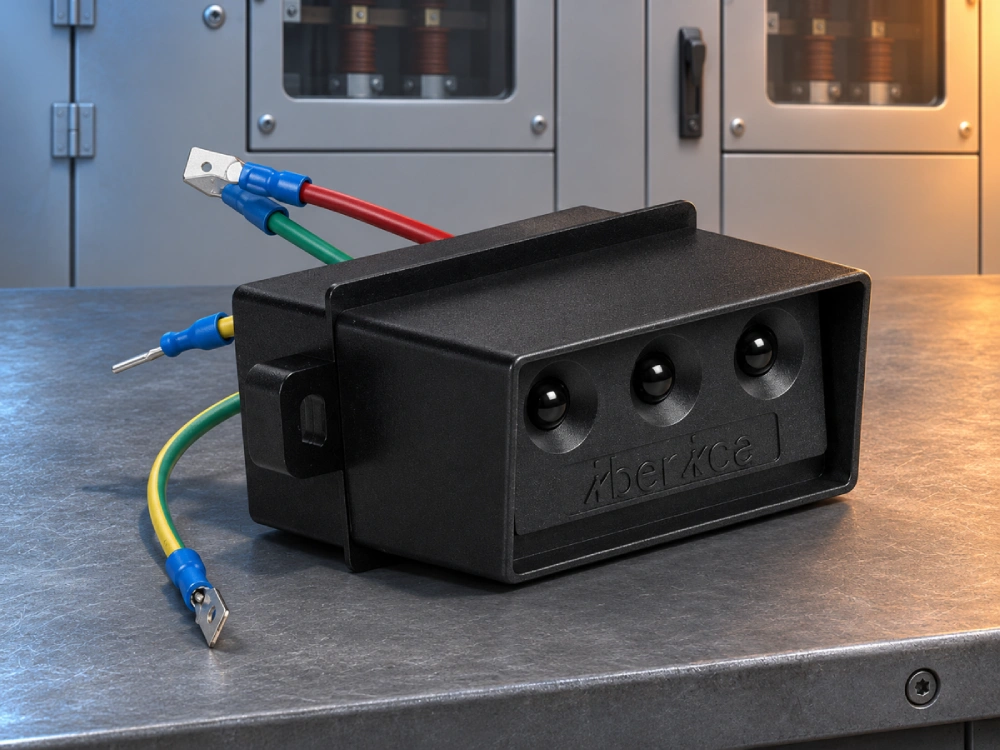
Specify whether your quantity means individual display units or complete assemblies. A three-phase display does not automatically mean three separate purchased devices. Sensors, wiring harnesses, connectors, and mounting accessories may require separate line items. Ask the supplier to list every included component and its quantity.
For example, ten display units might still require additional matching sensor sets. Check the packing list against your cabinet bill of materials before comparing prices. This simple distinction prevents incomplete deliveries and misleading comparisons between indicator-only quotations and complete-system offers.
Separate Standard Models From Custom Production
An existing configuration can avoid some engineering work, but availability still depends on current stock and scheduling. Custom housings, terminal layouts, markings, or electronic functions can introduce separate setup costs. A logo change and a new sensing interface do not create equivalent manufacturing work. Ask which requested changes affect tooling, purchased components, assembly, or validation. Separate one-time engineering charges from recurring unit prices. Confirm ownership and retention of any tooling you fund. Also establish whether later design revisions trigger new charges or fresh approval requirements.
Confirm Compatibility Before Comparing Offers
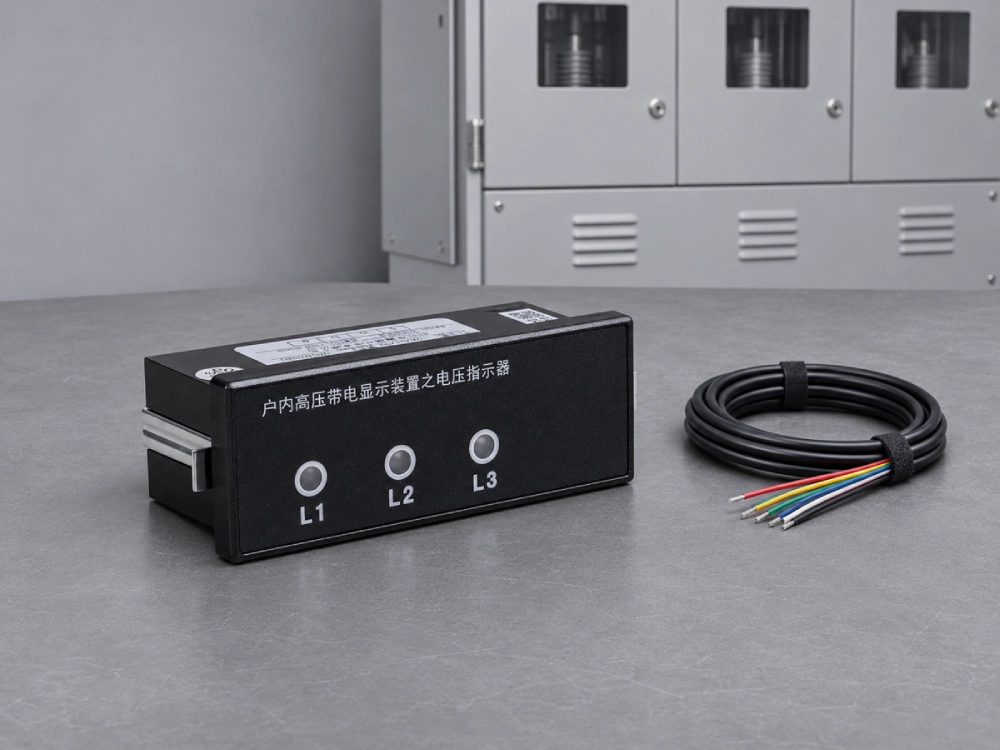
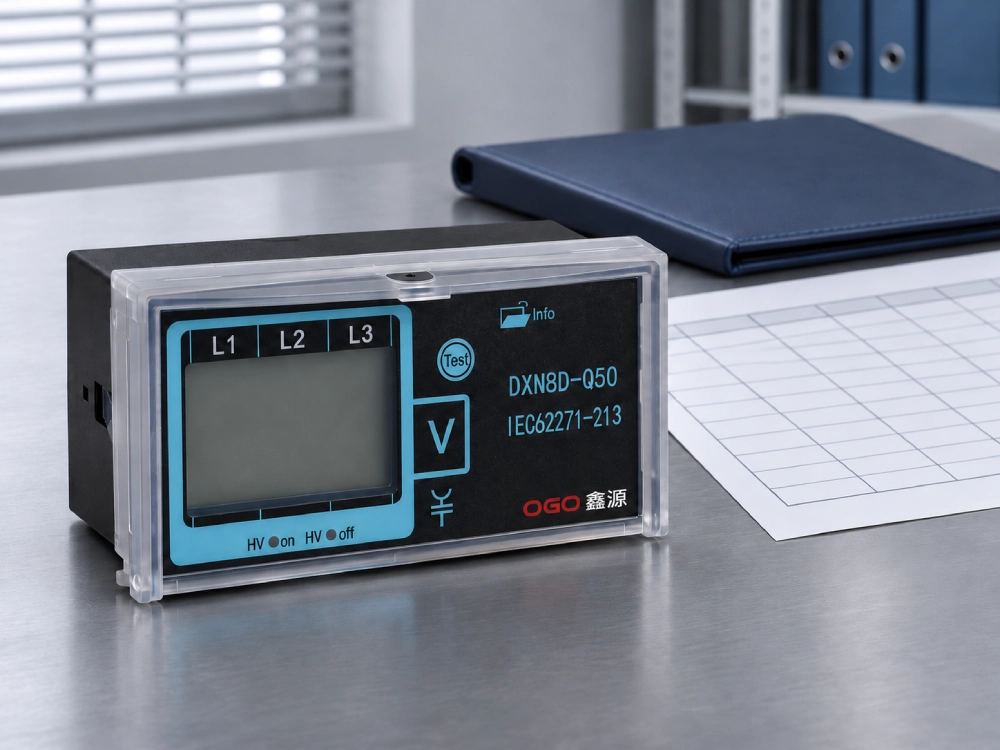
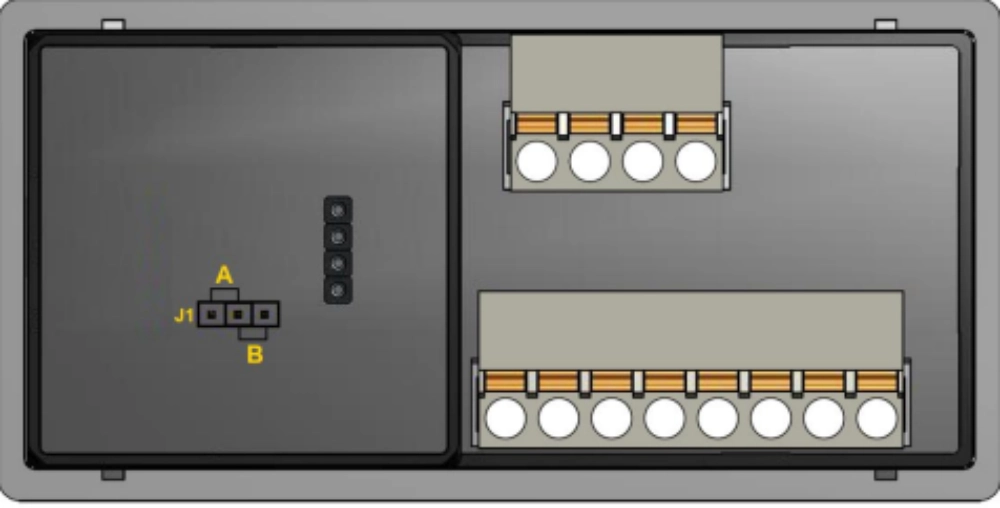
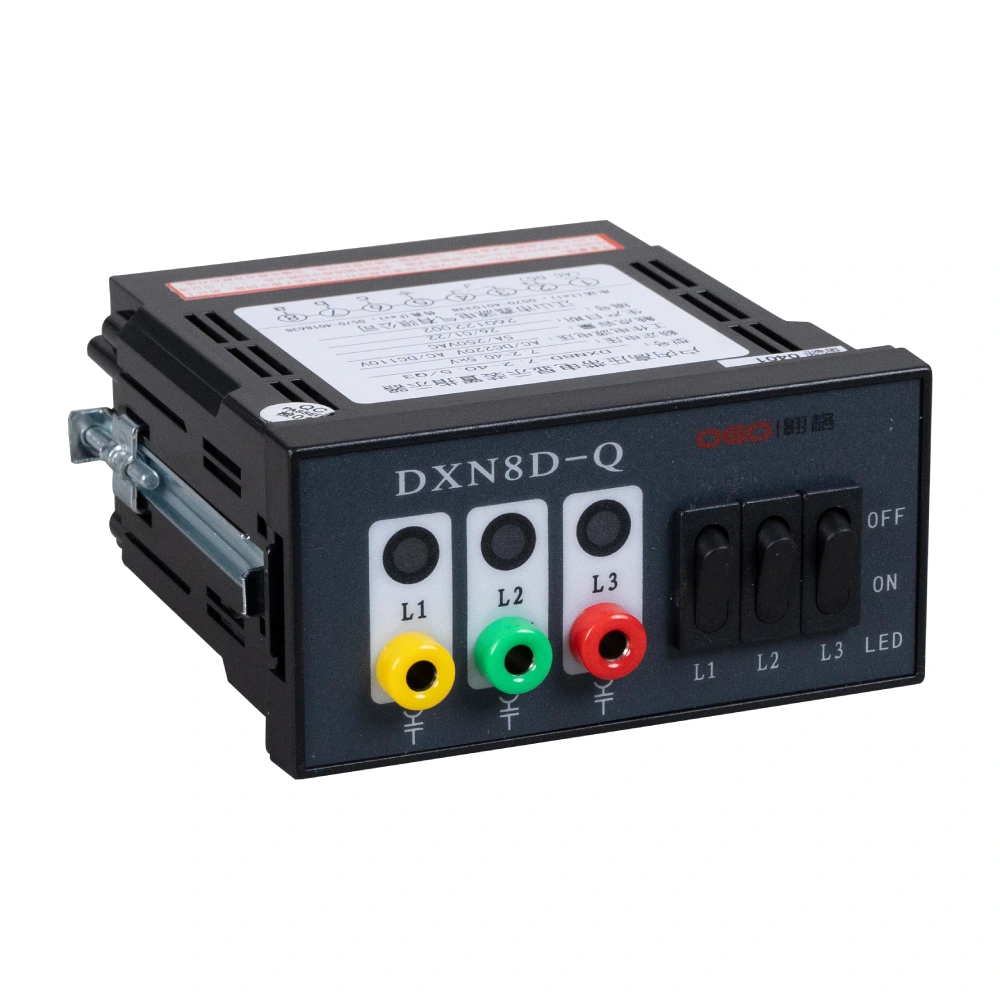
Use Xinyuan’s 92×44mm Integral Plug-in VDIS as a concrete starting point for a model-specific enquiry. Its published panel cutout provides one mechanical reference, rather than complete proof of compatibility. Submit your system voltage, frequency, sensor capacitance, terminal arrangement, and required functions. If your project needs an LCD interface, consider the High Voltage Detection and LCD Display Device. Confirm its exact configuration separately; different display formats do not establish interchangeability. Request the applicable drawings and model-specific evidence before purchasing. Ask how the proposed assembly addresses your project’s IEC 62271-213 requirements. A supplier’s general certification statement cannot replace evidence for the selected configuration.
Use Samples to Establish a Production Baseline
Ask whether the supplier accepts a smaller evaluation order before the main purchase. Confirm sample pricing, freight, availability, and any credit against subsequent orders. Do not assume free samples or automatic sample-fee deductions. Define what the evaluation must demonstrate, including mounting fit, interface matching, and required outputs. Have qualified personnel follow approved procedures during electrical evaluation. Keep one approved sample and record its drawing revision, component configuration, and acceptance results. Require subsequent deliveries to match that baseline. An inactive display alone does not establish zero voltage or permission for maintenance.
Calculate the VDIS Minimum Order Quantity by Configuration
Build your purchasing schedule around distinct approved configurations. Suppose a project needs 30 units with one interface and 20 with another. A total of 50 units does not automatically satisfy a supplier’s minimum for each variant. Ask whether the supplier applies its threshold per model, electrical configuration, marking, or production batch. Record each answer beside the corresponding part number. Keep packaging increments separate from order acceptance thresholds. A carton quantity describes packing, while the commercial minimum determines whether the supplier accepts the order. Confirm whether accessory quantities follow different rules.
Compare Total Cost Instead of Unit Price Alone
Calculate landed unit cost using goods, engineering charges, freight, insurance, duties, and handling costs. Divide that total by the usable quantity your project actually needs. Apply the same delivery terms and included accessories across competing quotations. A larger order can reduce the quoted unit price while increasing unused inventory. Include storage, financing, and potential redesign costs when assessing excess stock. Ask suppliers to quote your required quantity alongside one practical higher tier. Use actual quotations rather than assumed industry discounts. Keep the following comparison fields consistent across every offer.
| Quotation field | What to confirm |
|---|---|
| Supply scope | Display only or complete assembly |
| Quantity basis | Threshold per configuration and packing increment |
| One-time charges | Engineering, tooling, fixtures, and ownership |
| Delivery basis | Named delivery term, destination, and freight inclusion |
| Release conditions | Approval milestones, payment, and shipment schedule |
Negotiate Mixed Orders and Scheduled Deliveries
Ask whether compatible variants can share a production run without changing their individual specifications. Common housings or shared components may help, but only the supplier can confirm commercial acceptance. Consolidated shipping can reduce freight duplication even when separate model minimums remain. Alternatively, discuss a committed order with scheduled releases. Confirm whether the commitment covers manufacturing, material purchasing, or finished inventory. Agree payment timing, storage responsibility, release dates, and cancellation charges in writing. A forecast does not create a binding supply commitment by itself. Avoid buying extra units solely to reach an attractive price tier.
Request a Quote That Procurement Can Approve
Send a configuration schedule with model references, quantities, drawings, destination, and required delivery dates. Identify evaluation units, installation quantities, and maintenance spares separately. Specify required reports, traceability records, packaging, and document language. Ask when the production clock starts: payment, drawing approval, material availability, or sample acceptance. Include quotation validity, payment terms, warranty scope, and change-notification requirements. For VDIS Minimum Order Quantity enquiries, request a written threshold for every configuration. Resolve deviations before issuing the purchase order. A clear approval package helps both teams avoid repeated clarification and unexpected commitments.
Frequently Asked Questions
Can I Buy One Unit for Evaluation?
Ask for a model-specific sample quotation. Xinyuan’s general standard-product range does not establish a one-piece sample policy. Confirm the sample’s configuration, charge, freight, and delivery date before ordering. Record whether the supplier credits any sample cost toward a later purchase.
Can Different Models Share One Order?
They may share a purchase order, but each configuration can retain its own quantity threshold. Request separate confirmation for each model and accessory. Combined shipping and combined production represent different arrangements. Get written acceptance before counting mixed quantities toward a minimum.
Should I Order More to Obtain a Lower Price?
Only when the full cost and expected demand justify the additional stock. Compare usable landed cost, cash commitment, storage, and revision risk. Include maintenance spares when your project specification requires them. Avoid speculative quantities when engineering approval remains incomplete.