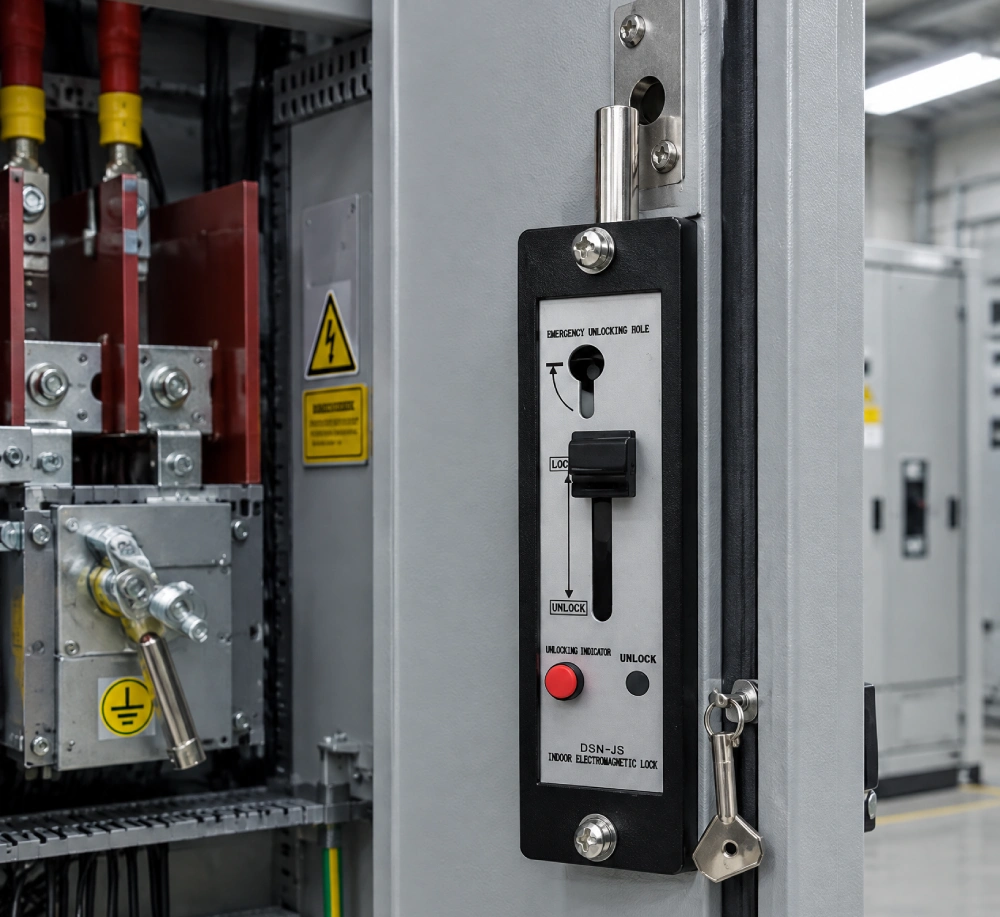

An Indoor Electromagnetic Lock provides robust security for various access points. This device uses an electric current to create a magnetic force. It secures doors effectively within buildings. Such locks are crucial for modern security systems. They offer reliable and silent operation. Businesses often choose them for their durability. This technology ensures controlled entry and exit. It enhances overall safety measures. The lock integrates seamlessly into existing setups. It offers peace of mind.
How Electromagnetic Locks Function
This security device operates on simple principles. It consists of an electromagnet and an armature plate. When power flows, the electromagnet generates a strong magnetic field. This field attracts the armature plate. The plate mounts on the door. The electromagnet attaches to the door frame. This magnetic attraction holds the door shut. Cutting the power releases the door. This allows for immediate egress. The holding force is measured in pounds. Higher force means greater security. This system offers quick locking and unlocking. It is highly efficient.
Key Components of an Indoor Electromagnetic Lock System
Several parts make up an effective Indoor Electromagnetic Lock system. The main component is the electromagnet itself. It contains copper windings. The armature plate is another vital part. It is made of steel. A power supply unit delivers electricity. It converts AC to DC current. Access control devices trigger the lock. These include keypads or card readers. Door sensors detect door status. They ensure proper operation. Wiring connects all these elements. This creates a complete security circuit. Each part is essential.
Advantages of Using Electromagnetic Locks
Using such a lock offers many benefits. They provide superior holding force. This makes forced entry very difficult. Their operation is silent. This avoids noise disturbances. They have no moving parts. This reduces wear and tear. Maintenance requirements are minimal. They offer a long operational lifespan. Integration with access control systems is easy. They enhance security without complex mechanics. These locks are highly reliable. They ensure consistent performance. An Integral Plug-in Series design simplifies installation. This feature reduces setup time. It boosts overall efficiency.
Applications of Indoor Electromagnetic Locks
Indoor Electromagnetic Lock systems suit diverse environments. Office buildings use them for secure areas. Data centers protect sensitive equipment. Hospitals control access to restricted wards. Retail stores secure back rooms. Educational institutions manage entry to labs. Government facilities require high-level security. These locks are ideal for internal doors. They provide controlled access within a structure. Their versatility makes them popular. They adapt to various door types. This ensures broad applicability. They meet many needs.
Installation Considerations for This Lock Type
Proper installation is key for this lock type. The door frame must be strong. It needs to support the lock's weight. Wiring must be correctly routed. This ensures consistent power delivery. The armature plate alignment is critical. Misalignment reduces holding force. Professional installation is often recommended. This guarantees optimal performance. Ensure compliance with local fire codes. Emergency release mechanisms are vital. These considerations prevent security breaches. They ensure safe operation. Safety is paramount.
Maintenance Tips for Electromagnetic Locks
Maintaining this type of lock is straightforward. Regularly clean the magnet and armature plate. Dust and debris can reduce holding force. Check all wiring connections periodically. Loose wires can cause malfunctions. Test the power supply unit. Ensure it provides stable voltage. Lubrication is not required. There are no moving parts. Inspect for any signs of wear. Address issues promptly. This proactive approach extends lifespan. It ensures continuous security. Proper maintenance prevents unexpected failures. It saves costs.
Comparing Electromagnetic Locks with Other Locking Mechanisms
Electromagnetic locks differ significantly from traditional options. Mechanical locks rely on physical keys. Electric strike locks use a solenoid. Shear locks offer high security. Each type has distinct characteristics. Electromagnetic locks provide instant locking. They also offer quick release. Their holding force is often superior. This table compares common indoor locking mechanisms. It shows key differences.
This comparison clearly illustrates the unique strengths of electromagnetic locks. Their absence of moving parts significantly contributes to their reliability. The constant power requirement ensures continuous security for protected areas. This makes them a preferred choice for critical access points within various facilities. Evaluating these differences assists in selecting the most appropriate security solution. Each lock type serves specific security needs effectively. Careful consideration is always advised.
Types of Electromagnetic Lock Configurations
Electromagnetic locks come in various configurations. These designs cater to different installation needs. Single door locks are common. Double door locks secure wider openings. Sheer locks offer enhanced resistance. Surface-mounted options are easy to install. Recessed mounts provide a cleaner look. These variations allow for flexibility. They adapt to diverse architectural styles. Each configuration maintains high security. They meet specific project requirements. Choosing the right type is important. It ensures optimal performance. This list details common configurations.
•Single Door Electromagnetic Locks
•Double Door Electromagnetic Locks
•Shear Electromagnetic Locks
•Gate Electromagnetic Locks
•Recessed Electromagnetic Locks
These diverse configurations clearly showcase the remarkable adaptability of electromagnetic locking systems. They are specifically designed to be tailored for nearly any door or gate application. This inherent flexibility guarantees that specific security needs are met with utmost precision. Careful consideration of these available options greatly assists in planning effective access control strategies. Each distinct type offers unique installation advantages. They collectively provide highly versatile and robust security solutions. This ensures comprehensive protection for various premises. Proper selection optimizes overall system performance. It enhances operational efficiency.
Future Trends in Indoor Electromagnetic Lock Technology
The future of Indoor Electromagnetic Lock technology is evolving. Integration with smart building systems is increasing. Wireless control options are becoming more common. Biometric authentication will enhance security further. Energy-efficient designs are a key focus. Smaller, more discreet form factors are emerging. Predictive maintenance features will improve reliability. These advancements promise greater convenience. They also offer enhanced security capabilities. The technology will continue to adapt. It will meet new security challenges. Innovation drives continuous improvement. It shapes the future.
Frequently Asked Questions
What are the primary benefits of an Indoor Electromagnetic Lock?
An Indoor Electromagnetic Lock offers several key advantages. It provides very high holding force. This makes unauthorized entry extremely difficult. The lock operates silently. This ensures a quiet environment. It has no mechanical moving parts. This significantly reduces wear and tear. This design leads to minimal maintenance needs. It also ensures a long operational life. These locks integrate easily with existing access control systems. They offer enhanced security. They are highly reliable. This ensures consistent performance. They provide peace of mind.
How does an Indoor Electromagnetic Lock ensure security?
This lock ensures security through its powerful magnetic bond. When energized, the electromagnet creates a strong force. This force firmly holds the armature plate. The plate is attached to the door. This magnetic connection prevents the door from opening. It acts as a formidable barrier. The lock remains engaged as long as power is supplied. Any attempt to force the door open is met with resistance. This robust design makes it a highly secure option. It protects valuable assets and personnel effectively.
What is the typical lifespan of an Electromagnetic Lock?
The typical lifespan of this lock is quite extensive. Due to its design, it lacks moving parts. This absence of mechanical components minimizes wear. It reduces the likelihood of failure. Many high-quality electromagnetic locks can last for decades. Proper installation and regular, simple maintenance are crucial. These practices ensure optimal performance. They also contribute to longevity. This makes them a cost-effective security solution. Their durability provides long-term reliability. It offers sustained protection.