How To Choose A Power Distribution Cabinet Light Manufacturer?
Power Distribution Cabinet Light manufacturer provides reliable cabinet lighting with quality control, customization, and testing support.
Choosing A Power Distribution Cabinet Light Manufacturer For Industrial Projects
Selecting a Power Distribution Cabinet Light manufacturer requires careful evaluation because cabinet lighting affects maintenance efficiency and operational safety. Industrial buyers need products that provide stable illumination inside electrical enclosures. A professional manufacturer should offer reliable production processes, accurate electrical designs, and consistent quality management. The selection process should focus on technical capability rather than only purchase price. Experienced suppliers usually provide detailed specifications, testing records, and customization options. These factors help buyers reduce installation risks and improve equipment performance. A strong manufacturing partner can support different cabinet structures, voltage requirements, and working environments with dependable lighting solutions.
Evaluating Manufacturing Capability And Production Experience
Manufacturing capability shows whether a supplier can maintain stable product quality during large volume orders. Buyers should review factory equipment, production lines, employee skills, and process control methods. Advanced assembly equipment helps maintain accurate component installation and reduces production variation. Skilled technicians also improve inspection accuracy during manufacturing stages. A capable supplier normally manages incoming material checks, assembly verification, and final performance testing. Production experience with electrical cabinet applications provides valuable knowledge about installation conditions and operating challenges. Reliable manufacturers also maintain clear production records, allowing buyers to track quality performance and project progress throughout the cooperation period.
Power Distribution Cabinet Light Manufacturer Selection Based On Quality Control
A Power Distribution Cabinet Light manufacturer should demonstrate strong quality control systems before buyers confirm cooperation. Quality management covers material inspection, assembly accuracy, electrical safety testing, and product aging verification. LED modules, terminals, housings, and circuit components require strict evaluation because each part affects service life. Manufacturers should test lighting brightness, voltage stability, insulation performance, and temperature resistance. Professional factories often create inspection standards for every production stage. These practices reduce failure rates and improve long-term reliability in electrical cabinets. Buyers can request quality documents, sample testing results, and production procedures before selecting a suitable manufacturing partner.
| Quality Evaluation Area | Important Inspection Items | Buyer Benefit |
|---|---|---|
| Material Control | LED parts, housing materials, terminals | Improved durability and stable performance |
| Electrical Testing | Voltage, insulation, current, safety checks | Reduced operational risks |
| Production Inspection | Assembly accuracy and functional tests | Consistent product quality |
Analyzing Materials, Structure, And Electrical Performance
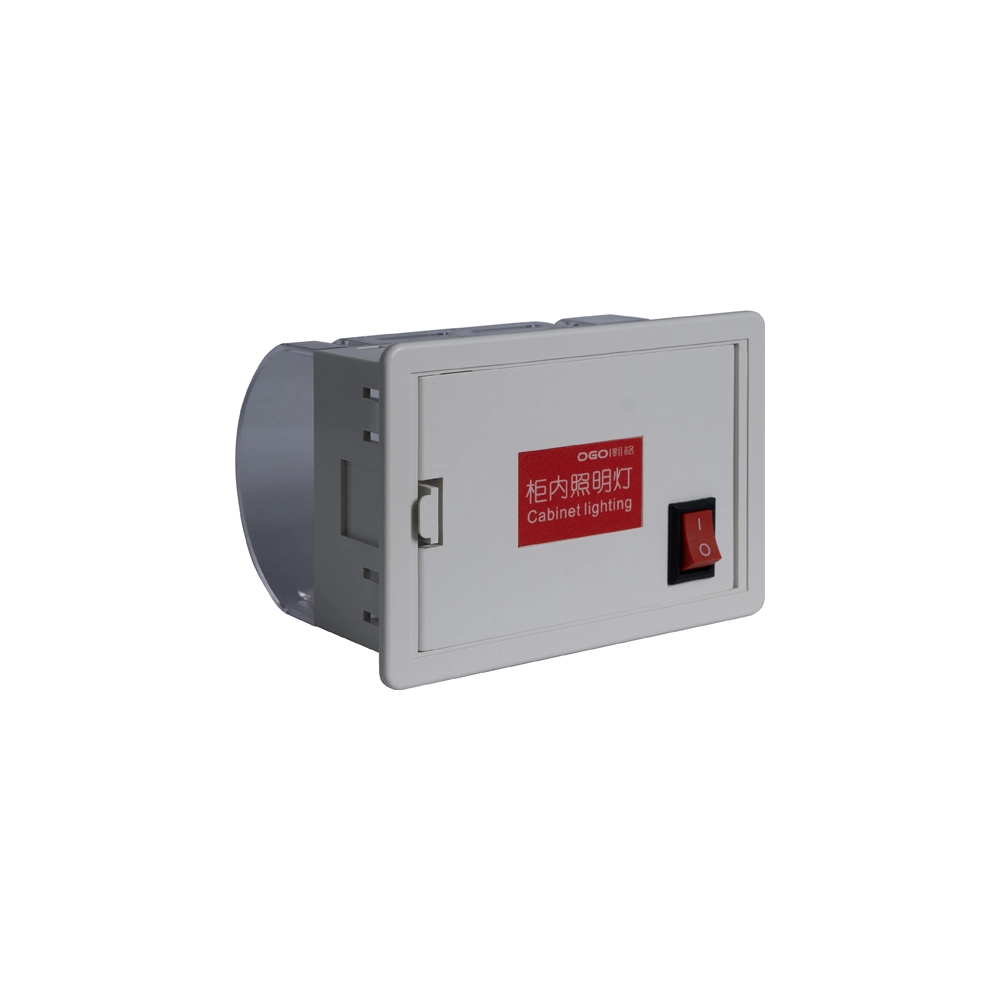
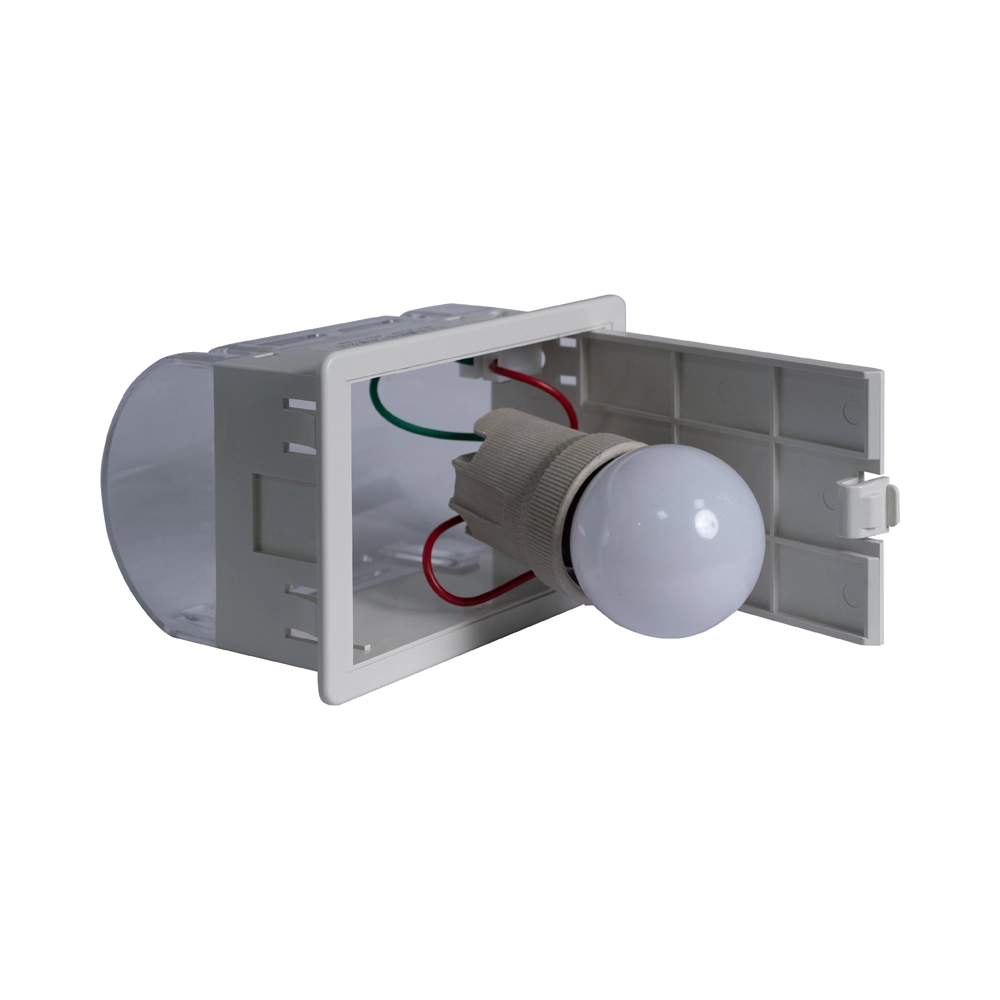
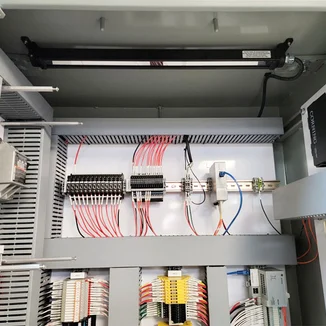
Cabinet lighting products depend heavily on material selection and structural design. Aluminum housings provide efficient heat dissipation and protect internal components from mechanical impact. High quality LED chips deliver stable brightness while reducing energy consumption. Electrical connection parts require strong conductivity and corrosion resistance to maintain reliable operation. Protective designs may include compact structures, magnetic installation systems, and vibration resistance features. For example, the CM-1 Cabinet Light for Switchgear uses a practical structure suitable for electrical equipment applications. Buyers should examine working temperature ranges, protection ratings, and installation methods before placing orders. Detailed technical evaluation helps ensure the lighting system matches cabinet conditions and maintenance requirements.
| Technical Feature | Recommended Consideration | Application Value |
|---|---|---|
| Protection Level | Resistance against dust and moisture | Suitable for different cabinet environments |
| Light Source | Stable LED performance and lifespan | Better visibility during maintenance |
| Installation Design | Flexible mounting solutions | Faster equipment integration |
Comparing Customization Ability For Different Cabinet Applications
Customization capability is important because electrical cabinets have different internal layouts and operating conditions. A professional supplier should adjust lighting dimensions, voltage options, mounting systems, and connection methods according to project requirements. Buyers may need solutions for compact cabinets, high voltage equipment, or special industrial environments. Flexible engineering support can shorten installation time and prevent compatibility problems. Important customization factors include:
- Product size adjustment for different enclosure spaces.
- Voltage adaptation for various electrical systems.
- Connector selection based on installation requirements.
- Housing design improvements for specific environments.
Strong customization services allow buyers to achieve better integration between lighting products and electrical equipment. Suppliers with engineering experience can provide practical recommendations during project development.
Evaluating Technical Support And Project Communication
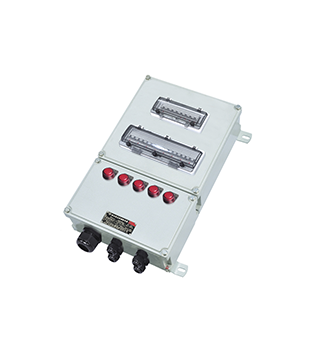
Technical communication influences project efficiency from sample approval to final delivery. A dependable supplier should respond quickly to specification questions and provide accurate engineering information. Clear communication helps avoid mistakes related to dimensions, voltage ratings, and installation methods. Professional teams usually support drawing reviews, sample confirmation, and production scheduling. The LL10-W Cabinet Light for Switchgear represents a solution designed for switchgear lighting applications and demonstrates the importance of matching product design with equipment needs. Buyers should evaluate response speed, technical knowledge, and after-sales support before establishing long-term cooperation. Effective communication creates smoother project execution and reduces unnecessary delays.
Key Factors Before Selecting A Reliable Cabinet Lighting Partner
Choosing a suitable lighting partner requires a balanced review of technical, commercial, and service factors. Low pricing may appear attractive, but unstable quality can increase maintenance costs later. Buyers should compare suppliers through several professional criteria.
Important evaluation points include:
- Manufacturing experience with electrical cabinet products.
- Quality inspection procedures and testing capabilities.
- Custom design and engineering support.
- Stable production capacity for repeat orders.
- Clear communication during every project stage.
A complete evaluation method helps companies select suppliers that provide consistent performance. Professional partnerships depend on reliability, technical cooperation, and continuous improvement rather than temporary cost advantages.
How Quality Management Influences Long-Term Lighting Reliability
Quality management directly affects product lifespan and maintenance efficiency. Manufacturers with strict procedures can identify production problems before shipment. Regular testing helps confirm electrical stability, brightness consistency, and component durability. Buyers should review whether suppliers maintain documented inspection systems and continuous improvement processes. A strong quality culture creates confidence for large projects because products must operate safely inside demanding electrical environments. Reliable suppliers focus on prevention instead of only correcting defects after delivery. Long-term cooperation becomes easier when manufacturers provide transparent quality information and maintain consistent production standards across different order batches.
Comparing Manufacturer Evaluation Results Before Cooperation
| Evaluation Category | High Performance Supplier | Risk Area |
|---|---|---|
| Production Ability | Modern equipment and skilled workers | Limited manufacturing resources |
| Quality System | Complete inspection procedures | Unstable product consistency |
| Technical Service | Fast response and engineering support | Poor project coordination |
Building A Stable Partnership With Professional Lighting Suppliers
After comparing suppliers, buyers should focus on long-term cooperation potential. A reliable partner provides consistent products, technical assistance, and flexible service throughout future projects. The relationship should include transparent communication, continuous quality improvement, and efficient problem resolution. Professional suppliers recognize that electrical equipment requires dependable components because failures may affect maintenance operations. The right partnership supports future product upgrades, customized requirements, and expanding project demands. Companies that invest time in supplier evaluation can achieve better reliability, lower operational costs, and stronger supply chain stability.
FAQ
How Does A Power Distribution Cabinet Light Manufacturer Ensure Product Reliability?
A Power Distribution Cabinet Light manufacturer ensures reliability through controlled production processes, strict material inspection, and complete performance testing. Manufacturers evaluate LED components, electrical circuits, housing structures, and connection systems before shipment. They also perform aging tests and safety inspections to verify stable operation. Reliable suppliers maintain production records and quality procedures that help identify potential issues early. Buyers should request technical documents and sample evaluations before cooperation. A professional manufacturing partner combines engineering experience with quality management methods to deliver lighting products that perform consistently in industrial electrical environments.
What Certifications Should Buyers Check Before Choosing A Cabinet Light Supplier?
Buyers should review certifications related to electrical safety, product quality, and manufacturing management. Important documents may include quality management certifications, safety test reports, and material compliance records. These certifications show whether suppliers follow recognized production requirements. However, buyers should also examine actual testing procedures because documents alone cannot represent complete product capability. A responsible supplier provides transparent information about inspection methods, component sources, and production standards. Combining certification review with technical evaluation helps buyers select dependable partners for long-term electrical cabinet lighting projects.
Why Is Customization Capability Important For Distribution Cabinet Lighting Projects?
Customization capability allows suppliers to create lighting solutions that match different cabinet structures and operating conditions. Electrical equipment varies in size, voltage requirements, installation methods, and environmental challenges. A flexible supplier can modify dimensions, mounting options, connection designs, and performance features according to project needs. This reduces installation difficulties and improves system compatibility. Engineering support during customization also helps prevent design mistakes before production begins. Buyers benefit from suppliers that provide practical recommendations and maintain communication throughout the development process.