
Which Specifications Matter When Buying Switchgear Lights?
Switchgear light specifications cover voltage, brightness, dimensions, temperature, protection, and mounting for reliable cabinet lighting.
What Are the Core Switchgear Light Specifications?
Selecting switchgear lights requires more than checking wattage or overall brightness. Switchgear light specifications should match the cabinet’s electrical supply, internal layout, and operating environment. Cabinet lighting supports inspection, wiring work, testing, and routine maintenance. Poor selection can leave terminal blocks shaded behind breakers, relays, or cable ducts. Excessive power can also create unnecessary heat inside a compact enclosure. Buyers should therefore review electrical, optical, mechanical, and environmental parameters together. The light should fit the cabinet without obstructing components or maintenance access. Its beam should reach important inspection areas without creating harsh glare. A suitable specification also supports stable operation during repeated service work. These requirements make cabinet lighting an engineered component rather than a decorative accessory.
Why Voltage Rating Matters Inside Electrical Cabinets
Voltage compatibility should come before brightness, dimensions, or appearance. Many cabinets use auxiliary circuits that differ from the main power circuit. Common supplies include 24 VDC, 110 VAC, 120 VAC, 220 VAC, and 230 VAC. The selected lamp must match the actual auxiliary supply available at the installation point. AC and DC versions also require different electrical designs in their driver circuits. Buyers should confirm nominal voltage, allowable tolerance, frequency, and connection method. A lamp designed for the wrong supply can fail immediately or operate unreliably. Designers should also check whether switching devices introduce transient voltage conditions. These checks matter when lights share control circuits with relays, contactors, or other inductive loads. Correct voltage selection reduces electrical stress and prevents avoidable commissioning problems.
How Does Light Output Affect Cabinet Visibility?
Brightness should be evaluated through useful illumination rather than wattage alone. Light output describes how much visible light a source produces. Illuminance describes how much light reaches a working surface. Those values matter when technicians inspect terminal numbers, conductor markings, relay indicators, and mechanical linkages. A narrow beam may create bright spots while leaving adjacent components dark. A wider distribution can provide more consistent visibility across the cabinet interior. Color temperature also affects visual contrast and perceived clarity. Neutral white light often provides a practical balance for detailed electrical inspection. Glare should remain controlled because reflective metal surfaces can distract technicians. The lamp position matters equally, especially when deep cabinets contain several mounting planes. Good switchgear light specifications therefore connect lumen output, beam distribution, color quality, and mounting position.
Which Dimensions Should You Check Before Installation?
Physical dimensions can determine whether a cabinet lamp works well after installation. Length and width must fit the available mounting area without interfering with wiring. Thickness also matters when the lamp sits near a closing door or removable panel. Mounting holes should align with the cabinet structure or the selected mounting hardware. Some installations use screws, while others use clips, brackets, or magnetic attachment. The mounting method should withstand vibration and repeated cabinet access. Cable exits need enough clearance to avoid sharp bends or pressure against metal edges. Buyers should measure the actual space instead of relying only on nominal cabinet dimensions. A compact lamp may still provide poor coverage if its position remains too close to obstructions. Installation planning should therefore consider geometry, wiring routes, service access, and door movement together.
How Do Operating Temperature and Humidity Affect Performance?
Cabinet lighting operates within an environment shaped by nearby electrical equipment. Circuit breakers, contactors, transformers, bus connections, and power electronics can raise local temperatures. Heat affects LED junction temperature, driver components, insulation, and long-term reliability. Buyers should therefore check the lamp’s specified operating temperature range. Humidity creates another concern when cabinets experience condensation or rapid temperature changes. Moisture can affect terminals, circuit boards, connectors, and metal mounting parts. Outdoor enclosures may face larger temperature swings than indoor control cabinets. Indoor and outdoor cabinets can also differ in dust and condensation exposure. A suitable lamp should match the enclosure’s environmental conditions rather than only the room temperature. Ventilation also matters because restricted airflow can increase local heat accumulation. These factors should appear in the procurement specification before production quantities are confirmed.
What Electrical Protection Features Should Switchgear Lights Have?
Electrical protection should reflect the lamp’s position inside the cabinet. A suitable design should tolerate normal switching conditions within its specified supply range. Surge protection can help when auxiliary circuits experience transient disturbances. Short-circuit protection also matters because internal wiring faults can damage small electronic drivers. Insulation quality and terminal construction deserve attention when technicians frequently access the enclosure. Protection ratings require similar care because an IP code describes specific resistance to solids and water. The first digit addresses solid particle protection, while the second addresses water protection. Buyers should select the rating according to the actual cabinet environment. Higher protection is not automatically better if it complicates heat dissipation or installation. Good switchgear light specifications balance electrical protection, environmental exposure, thermal performance, and service requirements.
What Does a Suitable Switchgear Light Specification Include?
A procurement specification should convert general lighting needs into measurable requirements. The following table provides a practical starting point for technical comparison. It covers electrical, optical, environmental, mechanical, and installation factors. Buyers can use these fields when requesting technical datasheets from suppliers. Engineering teams can compare each value against the cabinet design and auxiliary circuit. Procurement staff can also use the same fields during supplier evaluation. This approach reduces comparisons based only on wattage or appearance. It also makes technical deviations easier to identify before an order is released. When a project has special environmental conditions, the specification should add those requirements separately. Clear parameters create a stronger link between product selection and actual cabinet performance.
How These Parameters Work Together During Selection
Each parameter affects another part of the installation decision. A high-output lamp may require better thermal management inside a compact enclosure. A small lamp may need wider optical distribution to illuminate the same working area. Higher environmental protection can influence housing design and heat transfer. Mounting hardware can also determine whether the lamp reaches the correct viewing angle. Buyers should compare the complete specification rather than selecting one attractive number. The table helps procurement teams create a consistent technical checklist. Engineering teams can then verify the proposed lamp against cabinet drawings and auxiliary circuits. Maintenance teams can review access, replacement, and wiring requirements before approval. This cross-functional check reduces the chance of selecting a lamp that looks suitable but performs poorly onsite.
Which Lighting Features Improve Inspection Work?
- Wide and even illumination across the working area
- Low power consumption with controlled heat generation
- Stable operation across the specified voltage range
- Secure mounting that tolerates vibration and repeated access
- Convenient terminals for installation and replacement
- Suitable thermal performance near heat-producing components
- Reliable switching through the selected control method
How These Features Support Real Maintenance Tasks
These features become valuable when technicians work inside crowded electrical enclosures. Even illumination helps reveal wire labels and terminal numbers across different cabinet depths. Low power consumption limits the additional load placed on auxiliary circuits. Secure mounting prevents movement after repeated door opening and maintenance activity. Accessible terminals reduce the time required for replacement or troubleshooting. Thermal performance protects the lamp when nearby components operate continuously. Reliable switching also prevents unnecessary lamp operation when the cabinet remains closed. A practical example comes from an industrial package lighting upgrade reported by Combined Cycle Journal. Technicians replaced older lamps with industrial LED bulbs after reviewing wiring and selector switches. The report stated that visibility improved and preventive maintenance time decreased.
What Can a Real Switchgear Lighting Application Reveal?
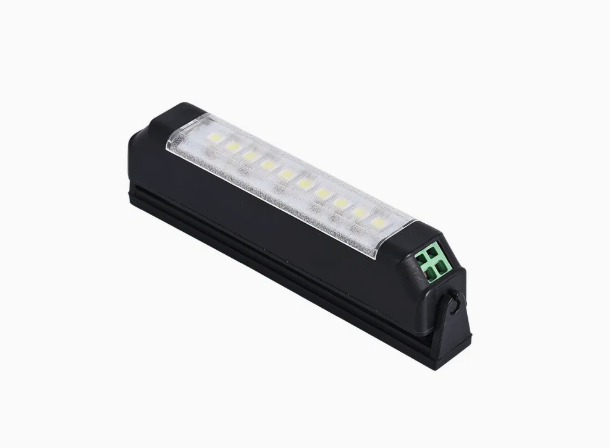
A published switchgear retrofit project in Richards Bay provides useful maintenance context. The project involved an existing switchgear lineup, control equipment, internal wiring, and cable termination areas. The retrofit work emphasized inspection access, service readiness, wiring quality, and maintenance practicality. (wimann.co.za) Lighting specifications become important in such environments because technicians need clear access to dense internal wiring. A lamp should illuminate termination points without blocking conductors or mechanical components. CM-L2 Cabinet LED Light for Switchgear may suit a cabinet when its specifications match. The important point is not the product name itself. Engineers should verify voltage, dimensions, light distribution, temperature range, protection, and mounting details against the actual cabinet. A documented retrofit reinforces one principle: lighting should support inspection and maintenance within the equipment layout.
How Should You Compare Switchgear Light Specifications Before Ordering?
| Application Condition | Main Risk | Specification to Verify |
|---|---|---|
| Compact indoor cabinet | Limited space and uneven coverage | Dimensions and beam distribution |
| High-load cabinet | Local heat accumulation | Operating temperature and power |
| Outdoor enclosure | Moisture and temperature changes | Environmental range and IP rating |
| Dense wiring area | Shadows around terminals | Light distribution and mounting position |
| Frequent maintenance | Repeated access and replacement | Mounting and terminal design |
How Operating Priorities Change Heater Selection
The second table shows why one specification rarely determines the best selection. Condensation prevention usually emphasizes stable low-level heating. Rapid warm-up instead requires sufficient power and effective heat transfer. Compact systems place greater importance on physical dimensions. Continuous operation increases the importance of material durability and temperature limits. Frequent cycling requires attention to element construction and control behavior. Humid environments may require stronger protection around electrical connections. Precision applications depend heavily on sensor placement and controller response. Buyers should prioritize specifications according to actual operating conditions. A balanced evaluation produces better results than choosing the highest available wattage. The final configuration should reflect thermal demand, electrical capacity, installation space, and operating cycles. This approach supports reliable performance without unnecessary component oversizing.
Common Mistakes When Selecting An Alloy Heater
Several selection mistakes can reduce heater performance even when basic specifications appear correct. Comparing wattage alone ignores voltage, dimensions, material, and control requirements. Choosing higher power does not automatically improve thermal performance. Excessive output may create unnecessary temperature gradients or control problems. Ignoring installation space can create mechanical interference during assembly. Selecting incompatible voltage can increase electrical stress or reduce heating output. Poor sensor placement can also cause unstable temperature regulation. Buyers sometimes overlook environmental conditions because the heater operates inside an enclosure. Humidity and condensation can still affect terminals and surrounding components. Another common mistake involves replacing a specified model without checking dimensional compatibility. Every replacement should match critical electrical, mechanical, and thermal parameters. Supplier drawings should support any decision involving tight dimensional tolerances.
How to Use a Procurement Comparison Matrix
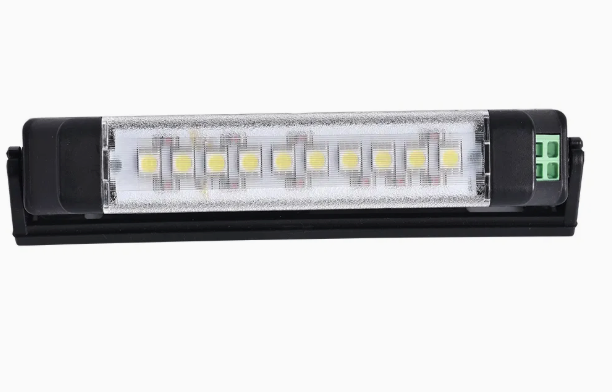
Procurement teams can simplify comparison by following a fixed technical sequence. Start with the auxiliary voltage and confirm the required AC or DC configuration. Next, check dimensions, mounting space, and cable routing constraints. Then evaluate light output, beam distribution, and color temperature for the inspection task. Environmental conditions should follow, including temperature, humidity, dust, and condensation risks. Protection features should match the enclosure without creating unnecessary thermal limitations. Wiring and switching arrangements should also receive engineering approval before bulk purchasing. A product such as CM-1 Cabinet Light for Switchgear may suit an installation only after those checks confirm compatibility. Buyers should request complete technical data instead of relying on a short product title. This process makes switchgear light specifications easier to compare across projects. Repeatable procurement records also help teams compare future cabinet designs consistently.