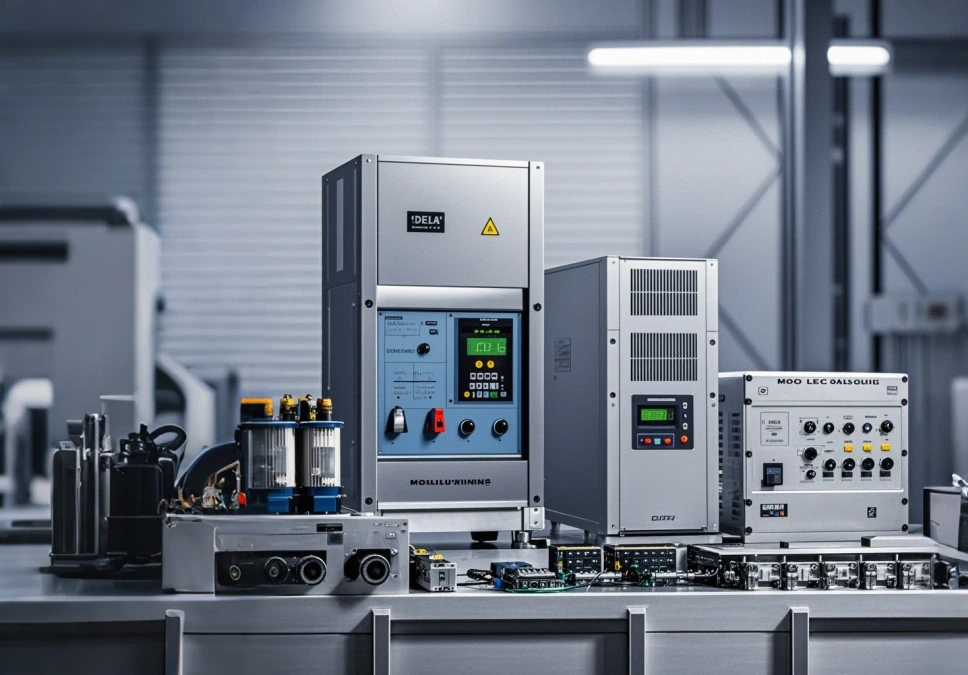
Switchgear Light Bulk Order: A Buyer’s Checklist
Switchgear light bulk order tips covering quantity planning, supplier evaluation, quality control, pricing, and delivery requirements.
Bulk purchasing switchgear lights requires more than comparing unit prices. Buyers must confirm electrical compatibility, mounting requirements, product consistency, delivery schedules, and quality standards. A well-planned switchgear light bulk order helps reduce procurement risks and maintain consistent lighting across multiple cabinets.
Before requesting a quotation, define the project requirements and expected quantity. Then compare suppliers based on product suitability, manufacturing capabilities, and total procurement costs.
What to Consider Before Placing a Bulk Order
Start by identifying the switchgear cabinet types and their operating environments. Different cabinet designs may require different lighting dimensions, mounting methods, and electrical connections.
Calculate how many lights each cabinet needs and estimate the total number of units. Consider whether the project involves a single production batch or several delivery stages.
Prepare a specification sheet before contacting suppliers. Include the required voltage, lighting performance, installation method, operating temperature, and any project-specific requirements. Clear specifications help suppliers provide comparable quotations and reduce misunderstandings during production.
Which Types of Switchgear Lights Suit Bulk Purchasing?
The appropriate lighting solution depends on cabinet design, maintenance requirements, and operating conditions.
- Standard cabinet lights: Suitable for conventional switchgear cabinets that need reliable internal illumination for inspection and maintenance.
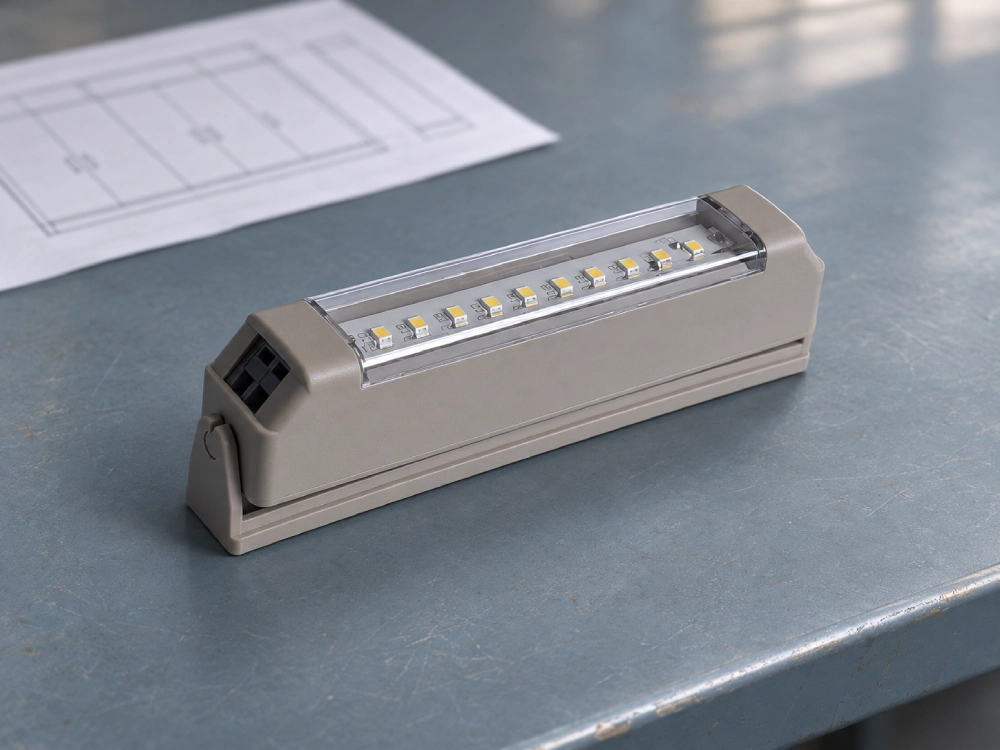
- LED cabinet lights: Worth considering when energy consumption, lighting efficiency, and service life are important purchasing factors.
- Specialized cabinet lights: May be required for particular temperature, humidity, vibration, or environmental conditions. Verify the product's documented specifications before ordering.
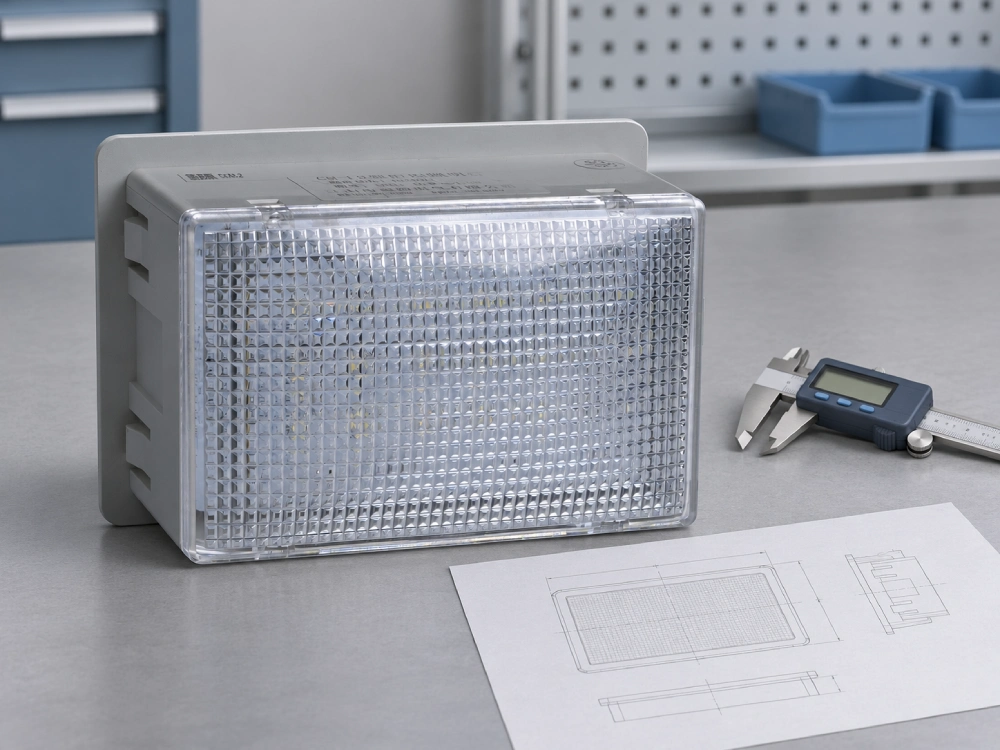
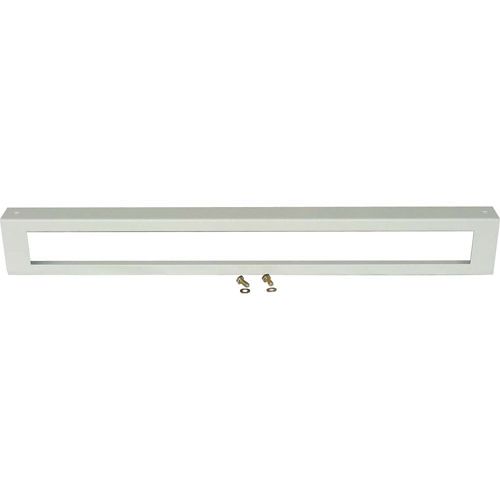
For example, the CM-1 Cabinet Light for Switchgear can be considered when evaluating cabinet lighting options. Buyers should confirm its exact model specifications and compatibility with their equipment before approving a bulk purchase.
Do not select products solely by appearance or nominal wattage. Confirm that the proposed lighting solution fits the cabinet layout and provides adequate illumination for the intended maintenance tasks.
Key Specifications to Confirm Before Ordering
A bulk order should follow an approved specification rather than a general product description. Check the following details before production begins.
- Rated voltage: Confirm the required supply voltage and whether the system uses AC or DC power.
- Power consumption and lighting output: Check whether the light provides sufficient illumination without exceeding the cabinet's electrical or thermal limits.
- Dimensions and mounting: Verify the available installation space, fixing points, and required clearances.
- Wiring and control: Confirm terminal arrangements, cable routing, and whether the light uses a manual switch, door-operated control, or another specified method.
- Environmental requirements: Check operating temperature, humidity resistance, and the required ingress protection rating.
- Documentation: Request the relevant drawings, datasheets, and test documentation needed for technical approval.
These checks help prevent compatibility problems after delivery. They also establish a consistent technical baseline for comparing suppliers and inspecting production batches.
How to Calculate Quantities for a Switchgear Light Bulk Order
Accurate quantity planning helps control inventory costs and avoid production delays. Begin with the number of switchgear cabinets included in the project and the number of lights required for each cabinet.
Use this basic calculation:
Total required lights = Number of cabinets × Lights per cabinet
For example, a project with 200 cabinets requiring two lights per cabinet needs 400 lights for installation. Any additional spare units should be calculated separately according to maintenance policies and project requirements.
Also consider the delivery schedule. If cabinet production takes place in several phases, confirm whether the supplier can deliver the required quantities in stages. This can reduce unnecessary inventory while ensuring that lighting components arrive before cabinet assembly.
For repeat orders, retain the approved model number, specification sheet, and previous order records. These details help maintain consistency when replenishing stock or expanding the project.
How to Evaluate a Switchgear Light Supplier
A competitive quotation is useful, but it should not be the only basis for supplier selection. Bulk purchasing requires dependable product quality, clear communication, and the ability to meet agreed delivery schedules.
First, review the supplier's manufacturing and quality-control capabilities. Ask how incoming materials, production processes, and finished products are inspected. Where relevant, request supporting quality records and product test reports.
Second, confirm whether the supplier can maintain consistent specifications across production batches. Differences in dimensions, wiring, components, or lighting performance can create problems when products are installed across multiple cabinets.
Third, evaluate customization and order management. Some projects require specific mounting arrangements, wiring configurations, labels, or packaging. Confirm which changes are available and whether they affect minimum order quantities, prices, or lead times.
Finally, clarify communication arrangements and after-sales support. A supplier should provide clear answers about technical questions, defective products, replacement procedures, and repeat-order availability.
Sample Approval, Quality Control, and Delivery
Sample approval is an important step before committing to mass production. A sample allows the buyer to check installation dimensions, electrical compatibility, wiring, lighting performance, and control functions under appropriate test conditions.
Once the sample is approved, document the agreed specifications. If drawings, labels, connectors, or packaging are customized, obtain confirmation before production starts. Any later changes should be reviewed and approved rather than assumed to be included.
Before shipment, request confirmation that the finished products have passed the agreed inspections. Depending on the project, these checks may cover appearance, dimensions, electrical operation, lighting function, and order quantities.
After delivery, compare the received goods with the purchase order and approved sample. Verify model numbers, quantities, packaging condition, and any required documentation. Report discrepancies promptly and retain relevant records.
A defined approval and inspection process helps reduce the risk of receiving incompatible products or discovering defects during cabinet assembly.
What Affects the Total Cost of a Switchgear Light Bulk Order?
The unit price is only one part of the total procurement cost. Order quantity, product specifications, customization, packaging, shipping, and inspection requirements can all influence the final amount.
Larger quantities may qualify for more favorable pricing, but buyers should confirm the supplier's actual quantity-based pricing rather than assume that every increase in order volume produces the same discount. Custom designs or nonstandard components may also increase costs or extend production time.
Consider freight charges and delivery arrangements when comparing quotations. A lower product price may not represent better value if shipping costs are high or delivery does not match the project schedule.
Long-term costs also matter. Products that fail prematurely or require frequent replacement can increase maintenance expenses and disrupt operations. Evaluate the documented service life, warranty terms, and replacement arrangements alongside the initial quotation.
The best purchasing decision balances price, technical suitability, quality consistency, and reliable delivery.
Frequently Asked Questions
What Is the Minimum Order Quantity for Switchgear Lights?
The minimum order quantity (MOQ) depends on the supplier, product model, production arrangements, and customization requirements. Standard products may have different order conditions from customized versions. Before requesting a quotation, provide the estimated quantity and required specifications. Ask whether the supplier accepts trial orders, offers quantity-based pricing, or can arrange staged deliveries. Confirm the MOQ in writing because it may affect the project's procurement schedule and overall cost.
Should Buyers Request Samples Before a Bulk Order?
Yes. A sample helps verify whether the proposed light matches the cabinet's installation space, electrical supply, wiring arrangement, and lighting requirements. It also allows the buyer to assess workmanship and confirm any customized features before mass production. For projects with strict technical requirements, approve the sample against a documented specification sheet. Keep the approved sample or its records for comparison during subsequent production and repeat orders.
What Information Should Be Included in a Bulk Order Inquiry?
A useful inquiry should include the product type, estimated quantity, rated voltage, lighting requirements, mounting dimensions, wiring and control preferences, environmental conditions, and any customization needs. Also provide the target delivery date, destination, and required technical documentation. If drawings or existing product specifications are available, include them to reduce ambiguity. Ask the supplier to state the unit price, MOQ, production lead time, shipping terms, warranty conditions, and quotation validity.
Final Checklist Before Confirming Your Order
Before placing a switchgear light bulk order, confirm that the specifications match the cabinet design, the quantity reflects installation and spare requirements, and the supplier can meet the expected quality and delivery standards. Approve samples and customized details before mass production, then establish clear inspection and acceptance requirements.
For projects requiring cabinet lighting, review the available switchgear cabinet light products and confirm the relevant specifications with the supplier. A structured procurement process helps keep bulk orders consistent, cost-effective, and aligned with project requirements.