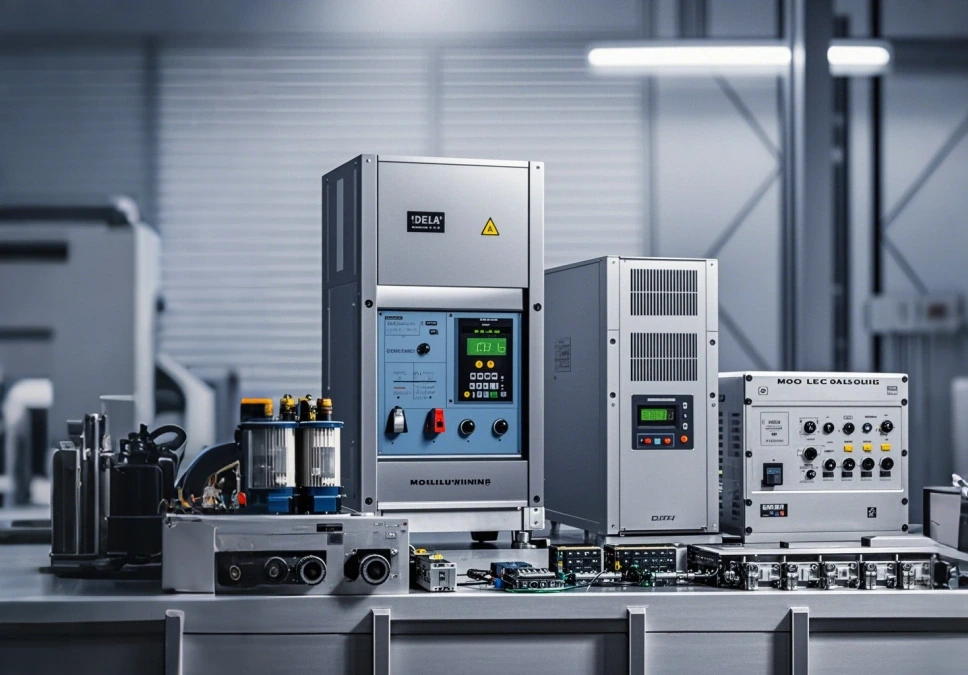
How To Choose A Reliable Switchgear Light Supplier?
Switchgear Light supplier offers reliable cabinet lighting solutions with quality control, customization, testing, and stable delivery.
Selecting a Switchgear Light supplier requires careful evaluation of technical capability, product quality, and service performance. Switchgear lighting systems support cabinet inspection, equipment maintenance, and operational safety in industrial environments. Buyers should evaluate more than product prices because unreliable components may increase maintenance costs and project delays. A professional supplier needs strong manufacturing systems, accurate engineering support, and stable quality management. Electrical projects often involve strict requirements for voltage compatibility, installation structure, and long-term reliability. Therefore, purchasing teams should review supplier experience, production processes, and technical resources before cooperation. A detailed assessment helps companies establish stable supply channels and improve overall equipment performance.
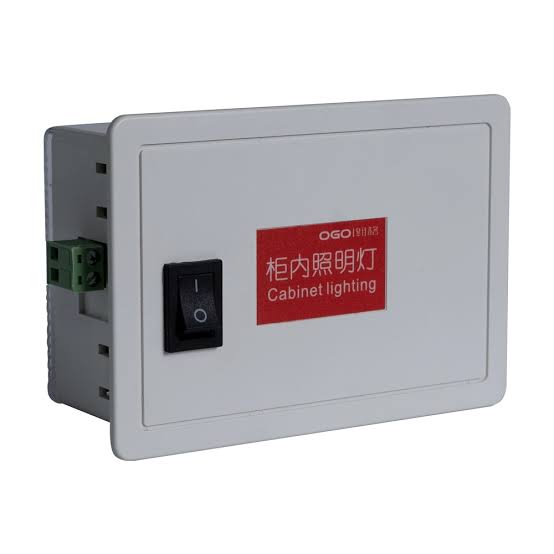
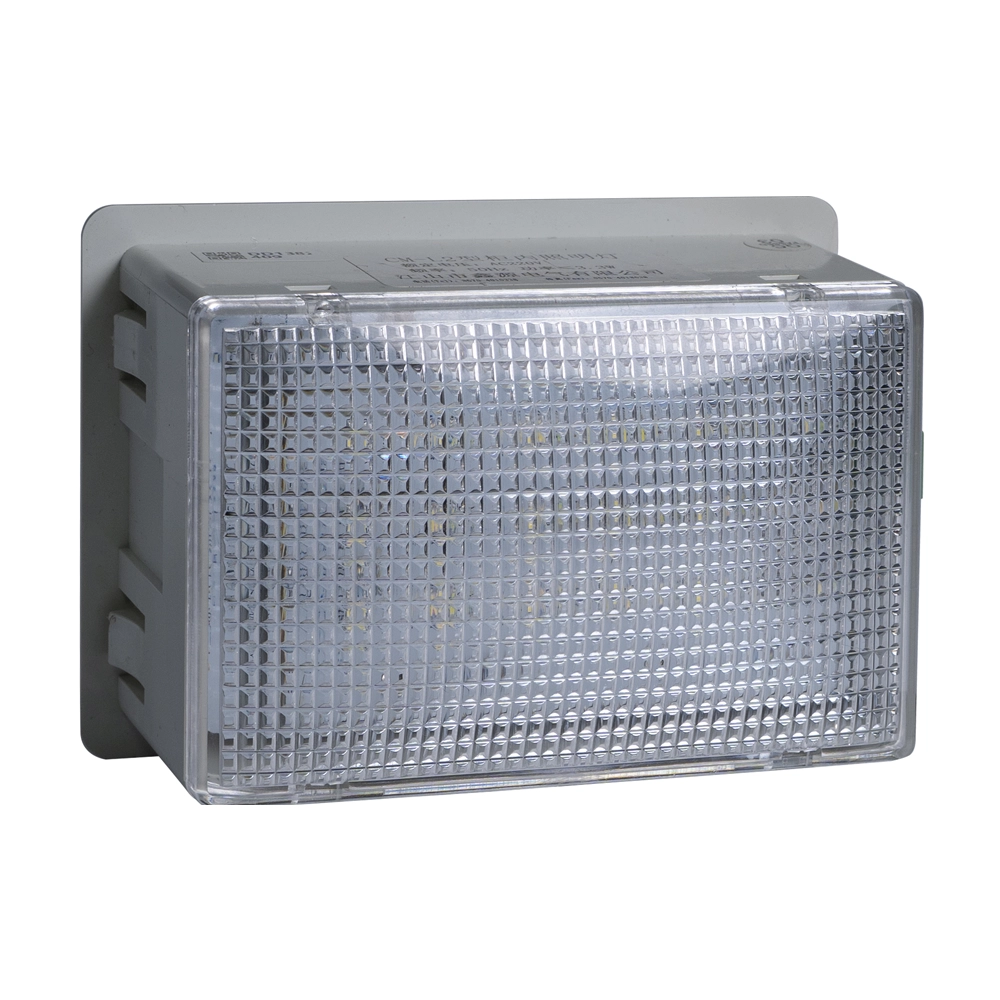
Switchgear Light supplier Selection Starts With Manufacturing Capability
Manufacturing capability directly influences product consistency, delivery stability, and technical reliability. A qualified supplier should maintain advanced production equipment, experienced technicians, and organized manufacturing procedures. Production processes usually include material inspection, circuit assembly, housing processing, wiring verification, and final performance testing. Modern equipment improves manufacturing accuracy and reduces production variations between different batches. Factory management should also control component sourcing, production schedules, and quality inspection procedures. Buyers can review factory conditions, production capacity, and previous project experience during evaluation. Strong manufacturing capability supports large orders and customized requirements while reducing supply risks. Reliable production systems create confidence for companies requiring stable electrical cabinet lighting solutions.
Evaluating Product Quality And Electrical Performance Standards
Product quality evaluation should focus on safety, durability, and compatibility with electrical applications. Cabinet lighting products must operate reliably under different industrial conditions. Important parameters include voltage range, power efficiency, brightness output, temperature resistance, and service lifetime. Material selection also affects performance because protective structures need resistance against vibration, heat, and environmental changes. LED components require effective thermal management to maintain stable illumination. Electrical connection systems should provide secure contact and proper insulation protection. Quality inspections should include power testing, aging verification, and operational checks. These processes help buyers reduce replacement frequency and maintain reliable equipment operation throughout the service period.
Key Certifications, Testing Processes And Product Reliability
Certification records and testing procedures provide evidence of manufacturing discipline and product reliability. Industrial lighting solutions often require compliance with electrical safety and environmental requirements. Buyers should review certification documents, inspection reports, and production records before selecting partners. A professional manufacturer should maintain traceable quality systems from incoming materials to finished products. Testing procedures may include electrical performance checks, temperature evaluation, insulation verification, and continuous operation testing. The following table shows important evaluation areas for industrial cabinet lighting projects.
| Evaluation Area | Inspection Focus | Buyer Benefit |
|---|---|---|
| Electrical Safety | Voltage testing and insulation checks | Lower operational risks |
| Material Control | Component inspection and traceability | Stable product performance |
| Environmental Testing | Temperature and protection evaluation | Better application suitability |
| Quality Records | Process tracking and inspection data | Easier project management |
How Testing Systems Improve Industrial Lighting Reliability
Testing systems create measurable quality standards throughout production. Manufacturers should combine automated inspections with professional engineering checks. These methods help identify possible electrical problems before shipment. Regular verification also maintains consistent performance between production batches. Buyers should confirm testing frequency, inspection methods, and problem-solving procedures before cooperation. Transparent quality management improves communication and reduces uncertainty during project implementation. Detailed records support future maintenance and technical analysis. For large electrical installations, reliable testing procedures help ensure lighting systems perform correctly under continuous operating conditions. A supplier with complete quality control demonstrates stronger technical responsibility and long-term cooperation value.
Technical Support Creates Better Project Cooperation
Technical support plays an important role when companies select electrical component partners. Experienced engineering teams can assist with product selection, installation requirements, and application conditions. Professional communication helps prevent specification mistakes during project preparation. Technical specialists should provide clear information about voltage options, mounting structures, connection methods, and operating environments. A capable supplier can support customized solutions for different cabinet designs and project conditions. Strong after-sales service also improves problem-solving efficiency when issues appear during installation or operation. Buyers should evaluate response speed, technical knowledge, and documentation quality before establishing cooperation. Effective technical support creates smoother project execution and stronger business relationships.
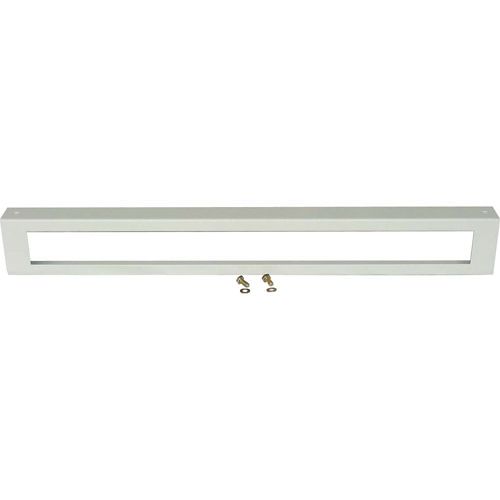
Comparing Customization Ability Among Switchgear Light supplier Options
Customization capability allows suppliers to provide products that match different electrical cabinet structures. Standard products may not satisfy special installation requirements or complex project conditions. Professional manufacturers should support adjustments in dimensions, mounting methods, wiring structures, and electrical specifications. Engineering teams need accurate design ability and production experience to manage customized orders. Flexible solutions help customers improve installation efficiency and reduce modification costs. The following table presents common customization factors for industrial cabinet lighting applications.
| Customization Factor | Technical Requirement | Application Value |
|---|---|---|
| Size Design | Adaptation to cabinet space | Improved installation efficiency |
| Voltage Selection | Matching electrical system requirements | Safer equipment operation |
| Mounting Structure | Flexible installation methods | Better cabinet integration |
| Connector Options | Compatible wiring solutions | Reduced installation difficulty |
Why Custom Solutions Support Different Electrical Applications
Customized lighting solutions provide greater flexibility for industrial projects. Different switchgear structures may require specific installation positions and connection designs. Engineers need products that fit existing equipment without major modifications. Companies should review supplier design capability, prototype support, and production flexibility during evaluation. For example, CM-1 Cabinet Light for Switchgear provides a compact lighting solution for cabinet environments requiring efficient inspection visibility. Product adaptation improves maintenance convenience and supports safer operational procedures. A capable manufacturer should balance customization requirements with stable production control. This approach allows buyers to achieve better performance across various electrical applications while maintaining consistent product quality.
Production Reliability, Evaluation Methods And Supplier Cooperation
Production reliability depends on manufacturing systems, supply management, and communication efficiency. Buyers should evaluate factory experience, production equipment, inventory planning, and quality procedures before cooperation. A comprehensive review process helps companies identify supplier strengths and possible risks. Important evaluation actions include:
- Verify manufacturing experience and production capabilities.
- Review quality documents and testing procedures.
- Confirm customization support for project requirements.
- Evaluate delivery schedules and communication response.
- Check long-term technical service availability.
These evaluation methods help purchasing teams make better decisions. Companies can combine factory audits, sample testing, and technical discussions to assess supplier performance. A reliable partner should demonstrate stable production, clear communication, and professional support. Comprehensive evaluation reduces unexpected problems and improves supply chain stability. This approach supports long-term cooperation for electrical equipment projects.
Delivery Capability And Supply Chain Management Considerations
Supply chain management directly affects project schedules and customer satisfaction. Suppliers need effective planning for materials, production capacity, and shipment preparation. Delays in electrical components may influence complete equipment delivery timelines. Professional manufacturers usually maintain organized inventory systems and supplier networks to control material availability. They should monitor production progress and adjust schedules according to project requirements. A dependable Switchgear Light supplier should provide accurate delivery information and consistent shipment performance. International projects also require export experience, packaging management, and complete documentation support. Strong logistics coordination reduces uncertainty and helps companies maintain efficient project execution.
Cost Evaluation And Long-Term Supplier Relationship Benefits
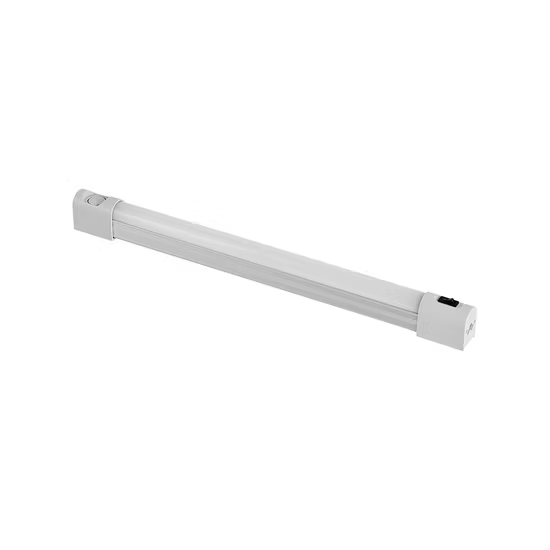
Price evaluation remains important, but purchasing decisions should consider overall product value. Low-cost options may create additional expenses through frequent replacement, maintenance work, and project delays. Buyers should analyze product lifetime, energy efficiency, installation requirements, and service support together. Reliable suppliers often provide better value through stable performance and reduced operational risks. Long-term cooperation improves technical communication, customization efficiency, and product improvement opportunities. For example, LL10-W Cabinet Light for Switchgear supports applications requiring reliable cabinet illumination and convenient maintenance access. Selecting a professional partner helps companies establish stronger supply networks and achieve better electrical equipment performance over time.