How To Choose Electromagnetic Interlock Wholesale Suppliers?
Electromagnetic Interlock wholesale suppliers provide safety solutions with quality control, customization support, and stable delivery.
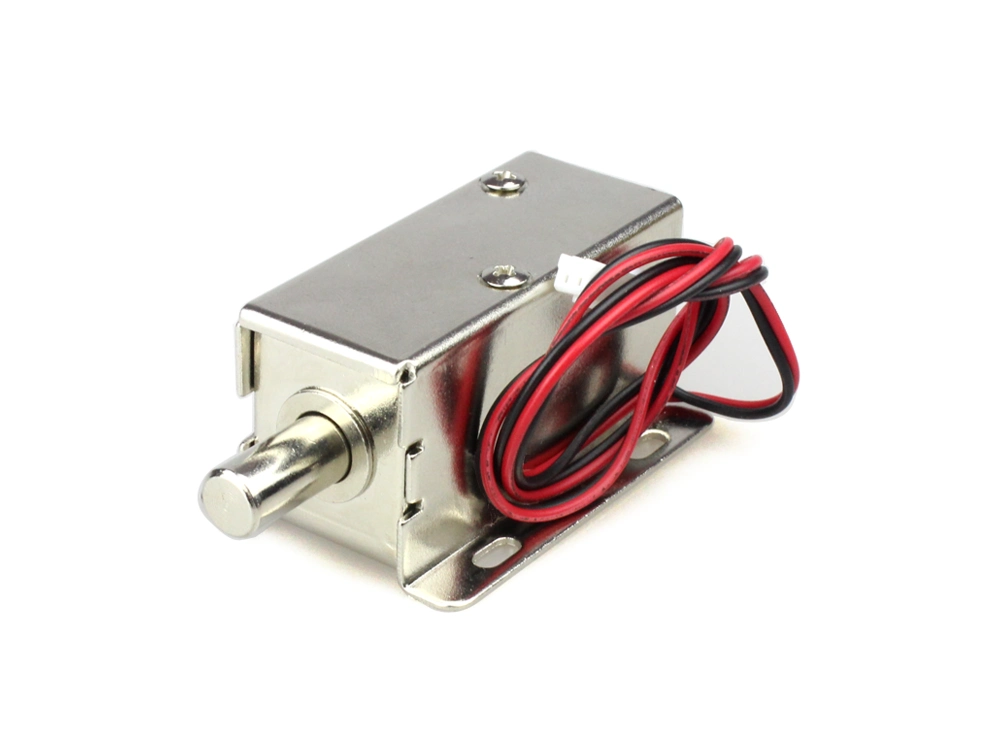
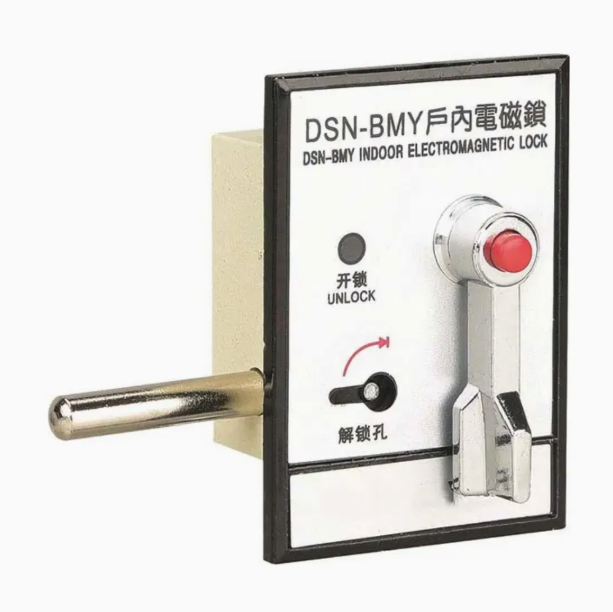
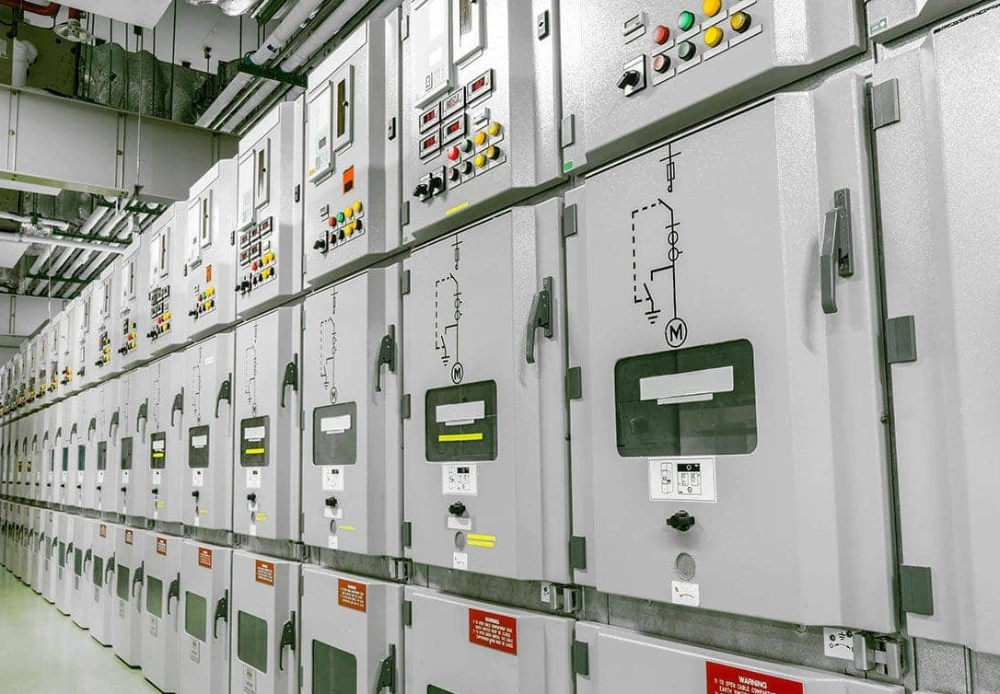
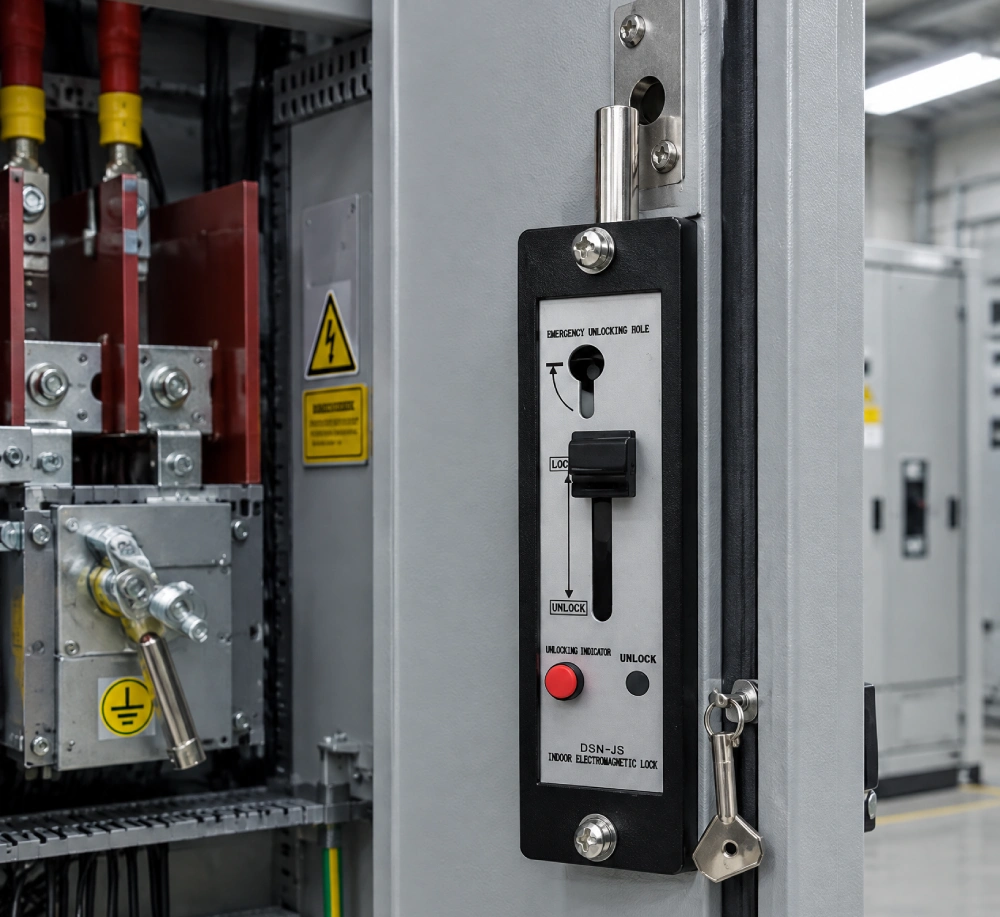
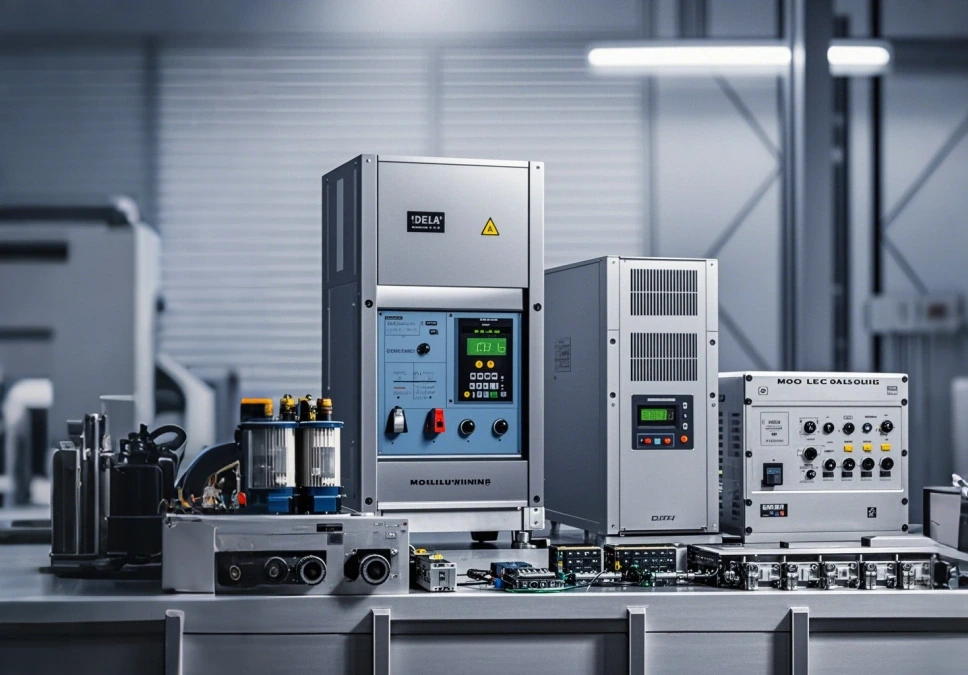
Electromagnetic Interlock wholesale selection plays an important role in industrial safety projects and electrical equipment applications. Buyers need reliable suppliers that provide stable products, accurate specifications, and consistent production quality. Electromagnetic interlock devices help prevent unsafe operations in switchgear systems, control cabinets, and high-voltage equipment. Professional suppliers should offer technical experience, strict inspection processes, and flexible customization services. During supplier evaluation, companies should focus on product performance, manufacturing capability, and long-term cooperation value. A suitable partner can reduce maintenance risks and improve equipment reliability. Careful assessment helps buyers select solutions that match specific application requirements and operational environments.
Product Performance Requirements For Industrial Electromagnetic Interlock Applications
Industrial electromagnetic interlock systems require precise mechanical structures and dependable electrical performance. Buyers should review important specifications before selecting suppliers. Rated voltage, locking force, response speed, insulation performance, and protection level directly affect product reliability. Quality suppliers normally provide detailed technical documents and testing reports for verification. The electromagnetic mechanism usually includes coils, iron cores, springs, and locking components. Each part requires accurate manufacturing because small deviations may influence operational safety. Environmental factors also affect product selection. Temperature range, humidity resistance, and vibration tolerance should match the installation conditions. Suppliers with strong engineering capability can recommend suitable configurations for different industrial applications.
| Evaluation Factor | Required Performance | Supplier Capability |
|---|---|---|
| Electrical Rating | Stable voltage operation and insulation protection | Technical testing and specification support |
| Mechanical Structure | Reliable locking and release performance | Precision manufacturing capability |
| Environmental Resistance | Operation under different conditions | Material selection experience |
Material Selection Standards For Electromagnetic Lock Components
Material quality directly affects electromagnetic interlock durability and service life. Reliable suppliers select suitable materials for different components. The external housing often uses corrosion-resistant metal to improve protection in industrial environments. Internal coils require high-quality copper wire with stable conductivity and heat resistance. Locking parts usually need strong alloys because they experience repeated mechanical movement. Spring materials must maintain elasticity after long-term operation. Contact components require good electrical conductivity and wear resistance. Professional manufacturers also control material sourcing through supplier management systems. Buyers should check whether manufacturers perform incoming material inspections. These processes reduce production variation and improve final product consistency. Strong material control reflects a supplier’s technical management ability and commitment to reliable industrial solutions.
Manufacturing Capability Assessment For Electromagnetic Interlock Wholesale Suppliers
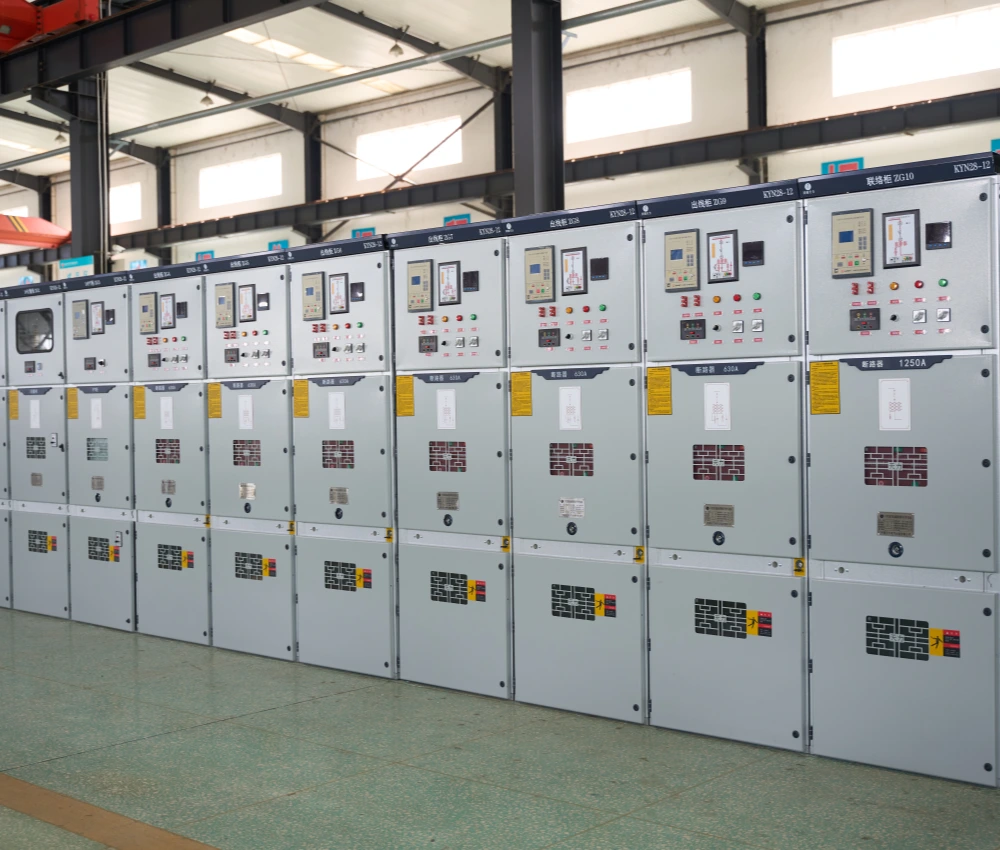
Electromagnetic Interlock wholesale suppliers should have advanced production systems and experienced technical teams. Manufacturing capability determines product consistency, delivery efficiency, and customization flexibility. Buyers should review factory equipment, assembly processes, and quality management methods before cooperation. Automated production equipment can improve accuracy during component processing. Skilled workers ensure proper assembly and functional adjustment. Suppliers with engineering departments can support product modifications according to project requirements. Production capacity also affects large quantity orders because unstable manufacturing may create delivery delays. Companies should evaluate factory records, inspection procedures, and previous project experience. A professional supplier provides transparent production information and maintains stable output for different industrial applications.
| Supplier Assessment Item | Key Consideration | Impact On Purchasing |
|---|---|---|
| Production Capacity | Equipment, workforce, and monthly output | Ensures stable delivery schedules |
| Quality System | Inspection procedures and testing standards | Improves product reliability |
| Customization Service | Engineering support and design adjustment | Matches special applications |
Quality Inspection Methods For Reliable Electromagnetic Interlock Solutions
Quality inspection processes separate professional suppliers from general manufacturers. A reliable supplier applies multiple testing stages throughout production. Incoming inspections verify raw materials and component specifications. Assembly inspections confirm correct installation of internal structures. Electrical tests check insulation, voltage performance, and electromagnetic response. Mechanical tests evaluate locking strength and operational durability. Final inspections ensure finished products meet customer requirements before shipment. DSN J Indoor Electromagnetic Lock Grounding Switch represents a specialized application where accurate performance and dependable safety control are essential. Suppliers with complete testing systems can reduce product failures and provide better support for industrial projects. Buyers should request inspection records and product verification documents before placing large orders.
Important Factors When Comparing Industrial Electromagnetic Interlock Suppliers
Supplier comparison requires a complete evaluation instead of focusing only on product prices. Different manufacturers may provide similar products with different quality levels, service abilities, and technical support. Buyers should analyze several factors before making purchasing decisions. Important evaluation points include:
- Manufacturing experience in electrical safety components
- Availability of product certifications and inspection documents
- Custom design and engineering support capability
- Production capacity for continuous supply
- Communication efficiency during project cooperation
These factors help companies identify suppliers with stronger reliability and professional capabilities. A balanced evaluation method prevents purchasing risks caused by low-quality products or unstable services.
Long-Term Cooperation Value From Professional Suppliers
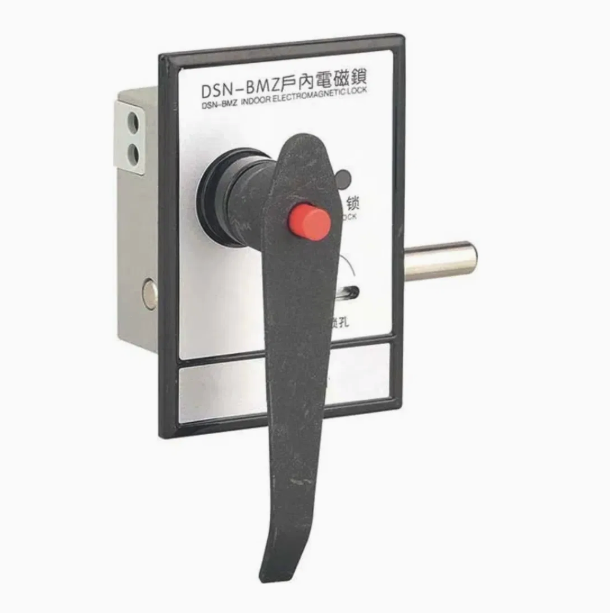
Long-term cooperation creates additional value for industrial equipment projects. Reliable partners provide continuous technical assistance, faster communication, and improved production support. Companies often need product adjustments when equipment designs change. Experienced suppliers can respond efficiently because they have engineering knowledge and manufacturing resources. Stable cooperation also helps reduce repeated supplier searches and quality verification costs. DSN-JK Active Electromagnetic Lock for Switchgear OEM/ODM demonstrates the importance of flexible production services for customized industrial requirements. Suppliers offering OEM and ODM support can adjust designs, materials, and specifications based on customer applications. A strong partnership improves project efficiency and supports future product development. Buyers should consider supplier reliability beyond initial purchasing costs.
Customization Services For Different Industrial Requirements
Customization ability has become an important factor during supplier selection. Industrial projects often require different dimensions, installation methods, electrical ratings, or operating conditions. Professional manufacturers provide design modification services based on technical requirements. Engineers may adjust locking structures, connection methods, or housing designs to fit specific equipment. Customized solutions can improve installation efficiency and operational safety. Suppliers with research and development teams usually provide better technical communication during product development. Buyers should evaluate prototype support, sample production, and modification processes. Effective customization reduces compatibility problems and helps create solutions that match unique industrial environments. Suppliers with flexible production systems can support both standard orders and specialized applications.
Cost Evaluation Strategies For Industrial Purchasing Decisions
Cost analysis should include more than the initial purchase price. Buyers need to consider product quality, maintenance requirements, service life, and replacement frequency. Low-cost products may create additional expenses when failures increase downtime. Reliable suppliers usually provide better value through stable performance and reduced maintenance needs. Purchasing teams should compare total ownership costs instead of only comparing unit prices. Factors such as delivery reliability, technical support, and warranty services also influence overall investment value. A professional supplier helps customers balance budget requirements with product reliability. Strategic purchasing decisions improve equipment performance and support long-term operational stability.
How Electromagnetic Interlock Wholesale Suppliers Improve Industrial Safety
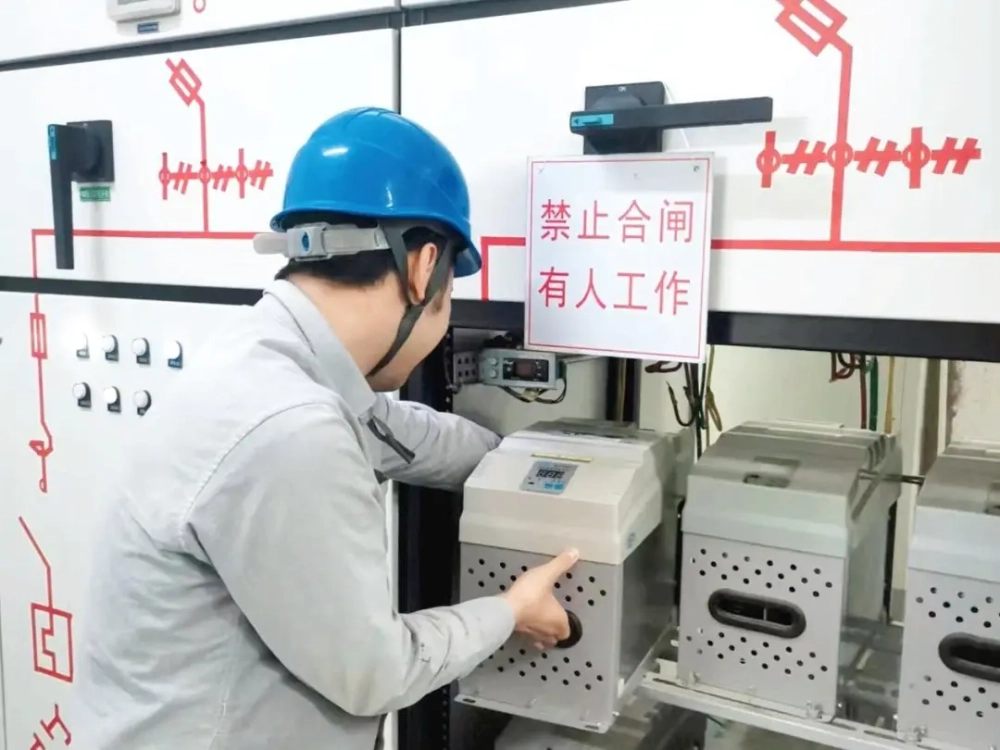
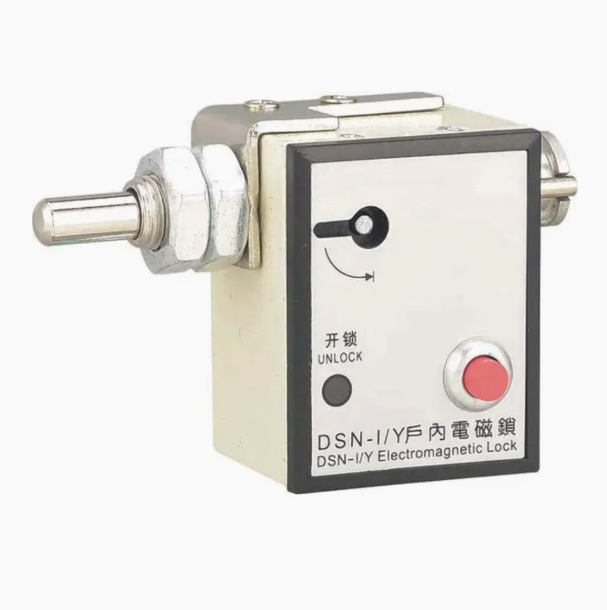
Electromagnetic Interlock wholesale solutions support safer operations in electrical systems and industrial equipment. These devices prevent unauthorized operations by controlling access and movement between related components. Switchgear applications often require precise locking functions to avoid dangerous switching sequences. High-quality products help operators maintain correct procedures during maintenance and operation. Suppliers with technical expertise can provide suitable solutions for different safety requirements. Industrial users should consider product reliability, installation conditions, and compliance requirements together. Effective electromagnetic locking systems improve workplace protection and reduce operational risks. Choosing experienced suppliers helps companies achieve better safety performance and dependable equipment operation.
Technical Verification Before Selecting A Suitable Supplier
Technical verification provides valuable information before establishing cooperation. Buyers should review product samples, testing results, factory capability, and engineering communication. Sample evaluation allows companies to check appearance quality, operational performance, and installation compatibility. Supplier communication also reveals technical knowledge and response efficiency. Professional manufacturers can explain product structures, application conditions, and possible improvements. Verification processes reduce purchasing uncertainty and support better supplier decisions. Companies should create clear evaluation standards before final selection. A detailed review process improves cooperation quality and helps build stable supply relationships for future industrial projects.
FAQ
What Factors Should Buyers Check Before Choosing Electromagnetic Interlock Suppliers?
Buyers should evaluate several factors before selecting suitable suppliers. Product specifications, manufacturing experience, quality control systems, and customization ability are important considerations. Technical documents should include electrical parameters, mechanical performance, and testing information. Factory capability also affects delivery stability and product consistency. Suppliers with professional engineering teams can provide better solutions for special applications. Certification records and inspection procedures help verify product reliability. Communication efficiency is another important factor because industrial projects often require technical discussions and adjustments. A complete evaluation process helps companies select dependable suppliers with strong production capability and long-term cooperation potential.
How Can Companies Verify The Reliability Of Electromagnetic Interlock Products?
Companies can verify product reliability through sample testing, inspection reports, and supplier evaluations. Product samples allow buyers to check mechanical operation, electrical performance, and installation compatibility. Testing records should include information about voltage performance, insulation safety, and durability checks. Factory visits or production reviews can provide additional confidence in manufacturing capability. Suppliers with standardized inspection systems usually maintain better product consistency. Buyers should also review previous project experience and customer feedback when possible. A combination of technical verification and supplier assessment helps reduce purchasing risks. Reliable products require both accurate design and effective manufacturing management.