How To Choose The Right Light For Switchgear Panels?
Select the optimal Light for Switchgear panels using key technical specifications, mechanical standards, and cabinet requirements.
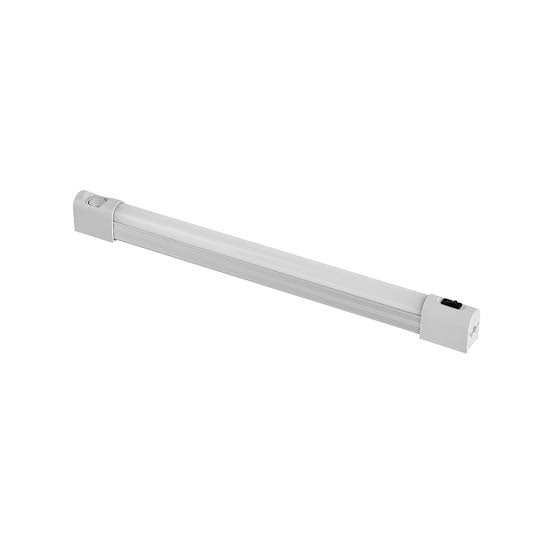
Proper visibility inside electrical cabinets ensures operator safety during routine maintenance. Modern distribution systems require constant visual monitoring and swift manual interventions. Without clear visibility, technicians struggle to identify critical wiring faults or damaged components. Installing a premium Light for Switchgear provides the ultimate illumination solution for dark enclosures. Bright internal lighting reduces human error during emergency voltage switching operations. Furthermore, industrial operators can easily read small analog meters under high-quality light distribution. Facility managers must invest in high-performance cabinet lamps to prevent costly operational downtime. Electrical panels remain dangerous environments when technicians work without sufficient internal visibility. Consequently, choosing robust and durable lighting directly improves overall industrial plant safety records. Smart engineers prioritize reliable illumination systems during the initial phase of switchboard design.
Key Technical Parameters of Light for Switchgear
Selecting industrial lamps requires a deep analysis of key electrical specifications. System designers evaluate input voltage ranges to ensure compatibility with existing auxiliary power supplies. Common industrial options include universal AC and DC inputs ranging from 24 to 240 volts. Next, engineers must verify the total luminous flux to guarantee adequate cabinet illumination. Most standard enclosures require at least 400 lumens of light to eliminate shadows completely. Additionally, power consumption demands strict evaluation because excessive heat generation damages delicate control gear. Low-wattage LED systems consume less than ten watts while delivering outstanding illumination performance. These parameters determine the efficiency and reliability of illumination systems inside dense switchboards. Technical teams must review technical datasheets to find the ideal match for their setups.
Comparing Different Enclosure Lighting Models
| Model Type | Luminous Flux (lm) | Voltage Range (V) | Power Draw (W) | Mounting Mechanism |
|---|---|---|---|---|
| LED Standard | 400 lm | 100-240V AC | 5W | Magnetic / Screw |
| LED High-Output | 700 lm | 24-48V DC | 8W | DIN Rail |
| Compact Utility | 300 lm | 12V DC | 3W | Adhesive / Clip |
Analyzing Enclosure Lighting Performance Data
Our comparative data highlights the operational differences among modern cabinet illumination systems. High-output options offer maximum lumens but demand precise thermal dissipation configurations inside panels. Operations rely heavily on the CM-L2 Cabinet LED Light for Switchgear to ensure durable illumination inside high-voltage environments. The specialized fixture maintains a remarkably low thermal profile under continuous operation. Low voltage models operate safely in wet environments where electrical shocks present extreme hazards. Furthermore, magnetic mounting options reduce physical assembly time during high-volume cabinet production. Engineering teams evaluate these figures to select the most efficient fixtures for their layouts. Every detail in the technical datasheet supports the final system reliability goals of the plant. Choosing the correct specifications prevents unexpected component failures under high operating temperatures.
Comparing Environmental Performance and Ratings
| Protection Rating | Dust Resistance | Water Protection | Vibration Level | Operating Temperature |
|---|---|---|---|---|
| IP20 Basic | Medium Particles | None | Low (1G) | -10°C to +50°C |
| IP54 Sealed | Dust Protected | Splashing Water | Moderate (3G) | -20°C to +60°C |
| IP65 Marine | Dust Tight | Water Jets | High (5G) | -40°C to +70°C |
Explaining Environmental Rating Performance
Environmental ratings dictate where installers can deploy specific electrical cabinet lighting fixtures. Dust resistance prevents particles from settling on the internal electronics of the lamp. Water protection remains critical for outdoor enclosures exposed to rain or heavy moisture. Heavy industries integrate the CM-L3 Explosion-Proof Cabinet Light for Switchgear within hazardous gas containment areas. Such robust levels of specialized engineering ensure complete safety against potential electrical spark hazards. Selecting robust IP65 fixtures minimizes maintenance overhead in marine and mining environments. Furthermore, wide temperature tolerances permit reliable deployment in hot deserts or freezing arctic conditions. Project coordinators must match cabinet environmental conditions with corresponding IP ratings. Using incorrect ratings always leads to rapid lighting failure and increased maintenance costs.
Selecting the Right Light for Switchgear Units
Physical space limitations inside control panels represent another major design obstacle for system engineers. Compact fixtures fit neatly between busbars, wiring ducts, and heavy power relays. Planners must measure clear physical clearances before final hardware purchasing decisions. Additionally, efficient thermal dissipation design prevents extra heat loads inside sensitive equipment. Modern LED designs dissipate heat outward through robust aluminum alloy housing structures. These housings keep surface temperatures safe for surrounding control wire bundles. Electrical system operators prefer systems with integrated on/off switches for direct manual control. Motion sensors offer another layer of convenience by activating instantly when technicians open cabinet doors. By focusing on these features, facilities enjoy long-term maintenance savings and superior performance.
Key Installation Options
- Magnetic Mounts: Neodymium magnets attach instantly to any steel frame without drilling holes.
- DIN Rail Clips: Snap-on adapters integrate lighting directly into existing control rail channels.
- Screw Fasteners: Traditional heavy-duty screws provide permanent attachment for high-vibration equipment.
- Daisy-Chain Connections: Internal quick-connect plugs link multiple light units in series seamlessly.
Explaining Key Installation Options
Mounting diversity ensures that engineers can install lighting fixtures inside any cabinet layout. Magnetic mounts offer unmatched speed during retrofitting projects in existing control rooms. Technicians avoid drilling entirely, which prevents metallic shavings from falling into live switchboard wiring. Alternatively, DIN rail clips provide excellent stability within modular control terminal fields. Such standard configurations optimize the installation process across massive production lines. Daisy-chain wiring reduces the complexity of distribution panels by sharing one common power supply. Furthermore, engineers save significant copper wire material when linking multiple units sequentially. Choosing the right installation method directly affects initial labor setup costs and maintenance ease. Supervisors should select the option that matches their specific assembly plant workflow.
Critical Electrical Standards and Certification Compliance
Compliance with international standards guarantees safe operations within high-voltage industrial plants. Product certifications like CE, UL, and RoHS confirm strict adhesion to chemical safety regulations. Specifically, UL 508 standards regulate the installation of auxiliary components inside industrial control panels. Adhering to these safety standards prevents catastrophic electrical fires and system short circuits. Globally recognized certificates ensure that each Light for Switchgear meets strict grid safety parameters. In addition, ROHS compliance guarantees that the physical light components contain zero hazardous chemicals. Quality inspectors prioritize fully certified fixtures during final system commissioning checks. Electrical networks face severe penalties if they operate uncertified equipment in main distribution rooms. Consequently, choosing certified lighting elements safeguards both operators and massive physical capital investments.
Long-term Lifespan and Thermal Engineering
Industrial-grade light emitting diodes offer extreme lifespans exceeding fifty thousand operating hours. Thermal management remains the primary factor in preserving this remarkable operational longevity. High ambient cabinet temperatures degrade internal semiconductor joints, reducing brightness rapidly over time. Advanced heat sinks made from extruded aluminum draw heat away from the core LEDs. Such passive cooling mechanisms eliminate the need for noisy and fragile internal cooling fans. Furthermore, specialized power drivers resist high voltage surges common in power distribution networks. Facility engineers minimize costly maintenance cycles by choosing robust, heat-resistant solid-state fixtures.
Fewer replacements mean lower overhead costs and reduced downtime for critical switchboards. Ultimately, investing in robust thermal engineering guarantees continuous and reliable cabinet safety illumination.
FAQ
What is the optimal color temperature for switchgear lamps?
Optimal safety inspections require neutral white or cool white light ranging from 4000K to 6000K. Such temperature ranges deliver high contrast, which helps technicians identify colored control wires. Warm white light fails to provide the high level of visual clarity needed for complex wiring. Additionally, cool white illumination mimics natural daylight to reduce eye strain during prolonged maintenance sessions. Most control cabinet manufacturers default to 5000K illumination for standard factory panels. Correct color rendition ensures accurate diagnostic work and prevents dangerous wiring mistakes. Engineers should always verify color rendering indices above eighty for industrial settings.
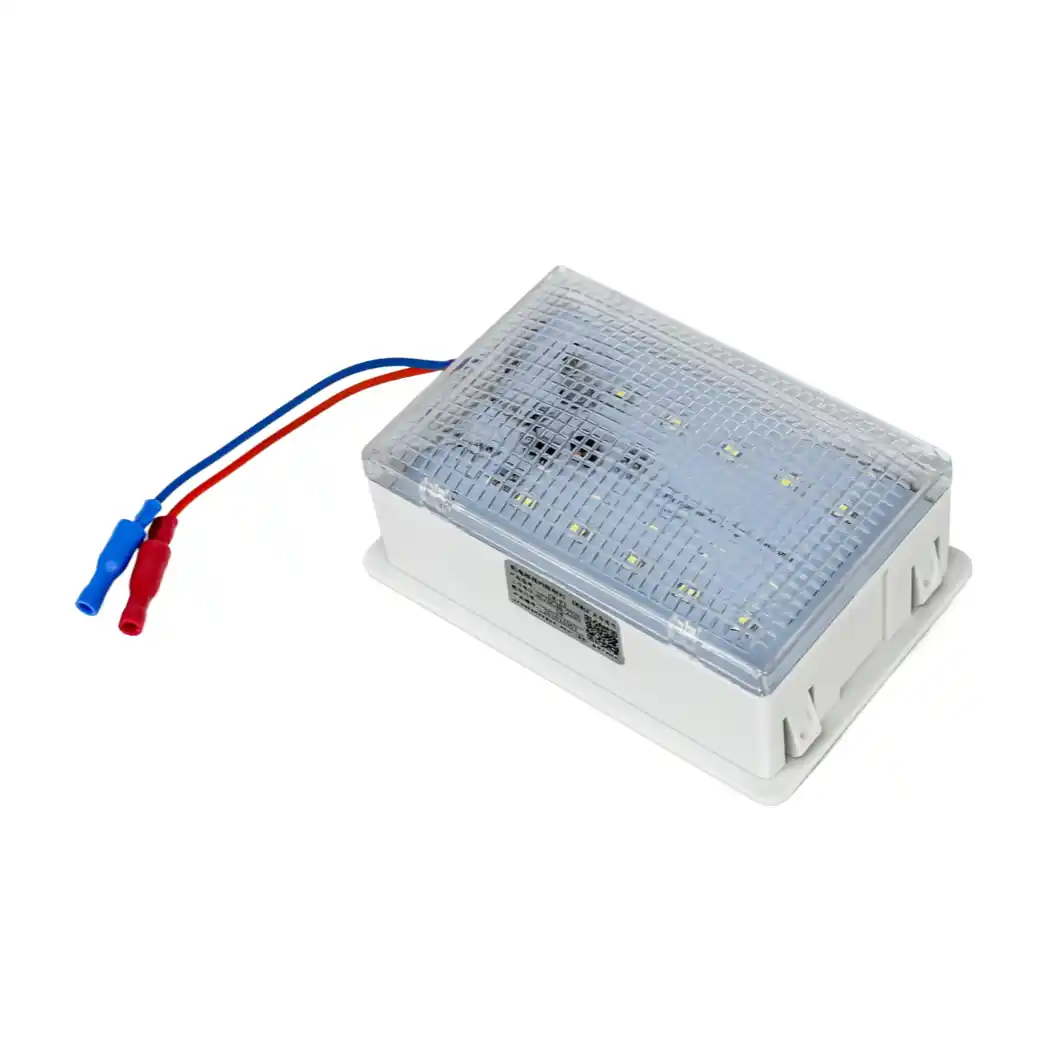
Furthermore, solid-state LED technology contains no fragile filaments that break under persistent shaking. Selecting vibration-tested fixtures maintains facility safety standards and eliminates sudden, unexpected dark periods. Maintenance crews avoid frequent, risky bulb replacement tasks inside energized distribution cabinet assemblies.
How do ingress protection ratings affect enclosure light selection?
Ingress protection ratings define the ceiling of physical resistance against external dust and water penetration. Dry indoor control rooms require basic IP20 rated lamps to prevent physical finger contact. Conversely, outdoor installations demand IP54 or IP65 ratings to withstand heavy rain or blowing sand. High humidity environments also benefit from sealed systems to prevent condensation from short-circuiting internal drivers. Sealed housings stop corrosive moisture from ruining the LEDs over years of operation. Industrial facilities must select lighting fixtures with ratings matching the environment of the main cabinet. Matching ratings prevents premature hardware failures and reduces long-term maintenance labor expenses.
Why do industrial panels require vibration-resistant lighting fixtures?
Heavy industrial machinery creates continuous mechanical vibrations that propagate through steel control structures. Standard residential lamps suffer quick mechanical failures because their delicate components rattle loose.Vibration-resistant fixtures employ reinforced solder joints, solid mounting brackets, and robust internal LED boards. These durable design elements ensure continuous illumination even near heavy stamping presses or large engines.