How To Choose Wholesale Humidity And Temperature Controller?
Wholesale humidity and temperature controller solutions deliver accurate monitoring, stable control, and custom options for systems.
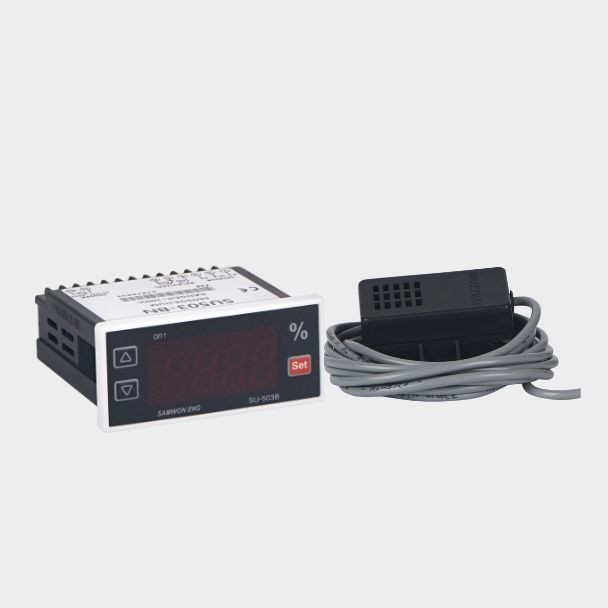
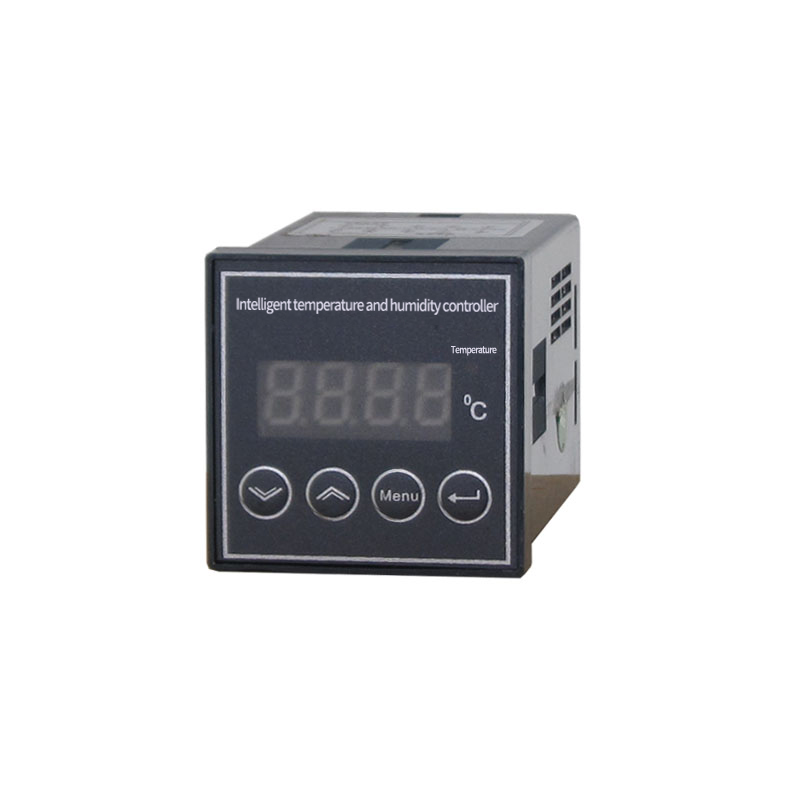
Industrial Value Of Accurate Environmental Monitoring Solutions
Industrial environments require stable temperature and humidity conditions to protect equipment performance and production safety. The demand for wholesale humidity and temperature controller solutions continues increasing among electrical, storage, agricultural, and manufacturing industries. These devices measure environmental changes and provide automatic control functions. Reliable monitoring helps prevent moisture damage, overheating problems, and equipment failures. Buyers should evaluate sensor accuracy, control functions, and supplier capability before making purchasing decisions. Professional controllers combine detection technology with intelligent adjustment systems. They support long-term operation in different working conditions. Selecting suitable equipment requires attention to technical specifications, installation requirements, and application environments. A reliable solution improves operational stability and reduces maintenance pressure.
Wholesale Humidity And Temperature Controller Selection Criteria For Industrial Buyers
Industrial buyers should analyze several factors before choosing a wholesale humidity and temperature controller. Product accuracy directly affects environmental management results. Sensors must provide stable readings under changing conditions. Humidity sensors usually use capacitive technology because they offer fast response and good durability. Temperature sensors often rely on digital components for precise measurement. Buyers should check measuring ranges, error limits, and response speed. Different industries require different specifications. Electrical cabinets need compact designs with strong protection. Storage facilities may require wider monitoring ranges. Professional suppliers usually provide technical documents and customization services. Careful evaluation helps companies select suitable products. Reliable selection improves system efficiency and supports continuous operation.
| Key Parameter | Typical Requirement | Industrial Benefit |
|---|---|---|
| Humidity Accuracy | ±3% RH or better | Improves moisture control reliability |
| Temperature Accuracy | ±0.5°C or better | Supports stable equipment operation |
| Response Speed | Fast signal detection | Reduces environmental fluctuations |
| Protection Rating | Suitable IP protection | Extends service lifespan |
Sensor Performance And Component Quality Affecting Product Reliability
Sensor quality determines the accuracy of environmental monitoring equipment. Humidity sensors detect moisture changes through electrical variations inside sensitive materials. Capacitive sensors provide stable signals because they resist long-term performance decline. Temperature sensors use resistance or semiconductor technologies to capture thermal changes. These components require accurate calibration during production. Poor-quality sensors may create measurement errors and unstable control results. Manufacturers should test products under different temperatures and humidity levels. Environmental stress testing helps verify durability. Buyers should also consider internal circuit design and component protection. A strong structure protects electronic parts from dust, vibration, and moisture. These details influence product reliability during extended industrial use.
Control Functions That Improve Operational Efficiency And Safety
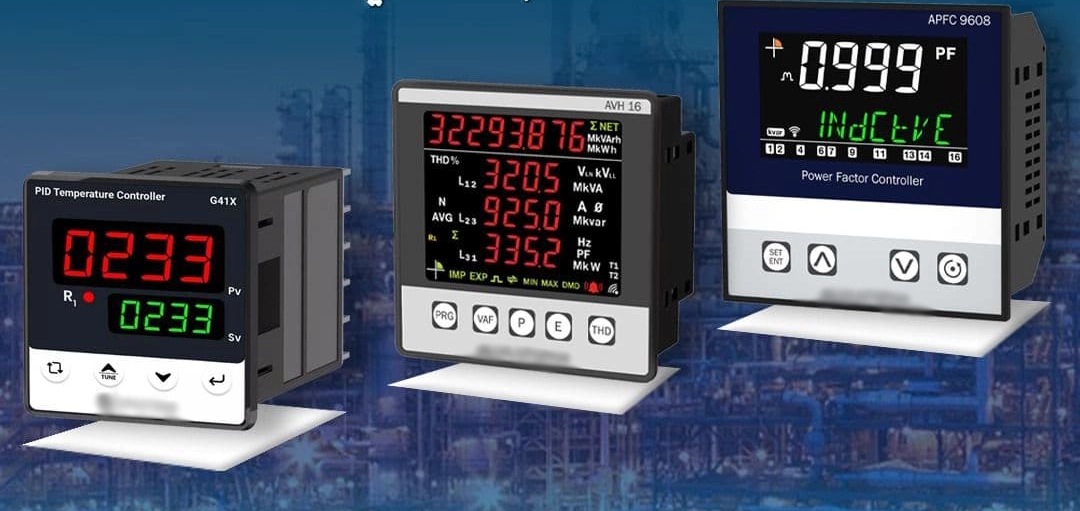
Modern controllers provide more than simple temperature and humidity measurement. Advanced models include alarms, digital displays, communication interfaces, and automatic adjustment functions. These features improve monitoring efficiency in complex environments. Operators can identify abnormal conditions quickly through visual signals or remote systems. Data communication functions allow integration with industrial management platforms. Automatic control reduces manual inspections and improves response speed. Companies selecting wholesale humidity and temperature controller products should evaluate functional requirements carefully. Different applications need different control methods. Electrical systems may require alarm outputs. Storage environments may need data recording functions. Proper feature selection improves operational safety and reduces unexpected equipment problems.
Technical Specifications To Review Before Large Quantity Purchasing
Before placing large orders, buyers should compare technical specifications carefully. Product parameters influence compatibility, installation, and overall performance. A clear comparison helps companies avoid unsuitable selections.
| Specification Category | Important Details | Selection Purpose |
|---|---|---|
| Measurement Range | Temperature and humidity limits | Matches application conditions |
| Output Method | Relay, analog, digital signal | Supports system connection |
| Power Requirement | Voltage and consumption | Ensures stable operation |
| Housing Design | Material and protection level | Improves environmental resistance |
Manufacturing Standards And Quality Control During Production
Manufacturing quality directly influences controller reliability and service life. Professional suppliers focus on component inspection, assembly accuracy, and performance testing. Electronic circuits require precise production processes to maintain signal stability. Sensor installation must follow strict technical procedures. Housing materials should provide protection against external conditions. Production teams often complete aging tests before shipment. These tests verify operating stability and measurement accuracy. Quality management systems help reduce production variations. Companies should evaluate supplier experience, testing equipment, and manufacturing capability. Strong production control creates consistent product performance. Reliable manufacturing processes also support customized requirements for different industrial applications. Choosing an experienced supplier reduces quality risks and improves long-term cooperation results.
Installation Requirements For Stable Environmental Control Performance
Correct installation plays an important role in maintaining measurement accuracy and equipment stability. A wholesale humidity and temperature controller requires suitable placement to achieve reliable monitoring results. Installers should avoid areas with direct heat sources, strong airflow, or excessive vibration. These conditions may affect sensor readings and create inaccurate feedback. Electrical connections also require proper wiring methods to reduce signal interference. The surrounding environment should match the protection level of the controller housing. Industrial users should check mounting space, power supply conditions, and communication requirements before installation. Professional installation improves system efficiency and reduces future maintenance problems. Proper configuration allows the equipment to provide stable environmental control throughout long-term operation.
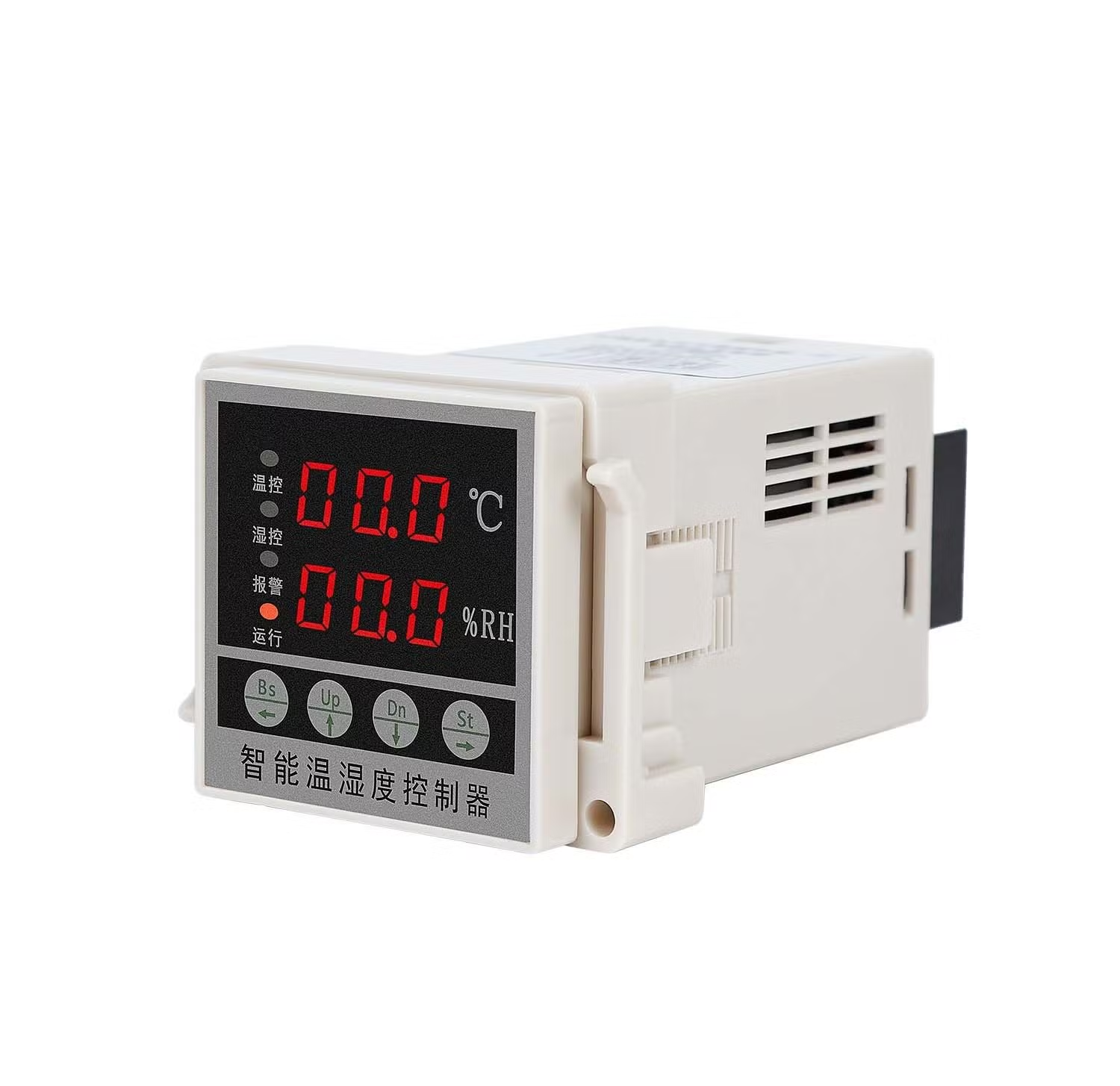
Application Fields Of Advanced Temperature And Humidity Management Systems
Modern environmental control devices support various industries with different operating requirements. Each application needs specific performance characteristics and technical solutions. Common fields include:
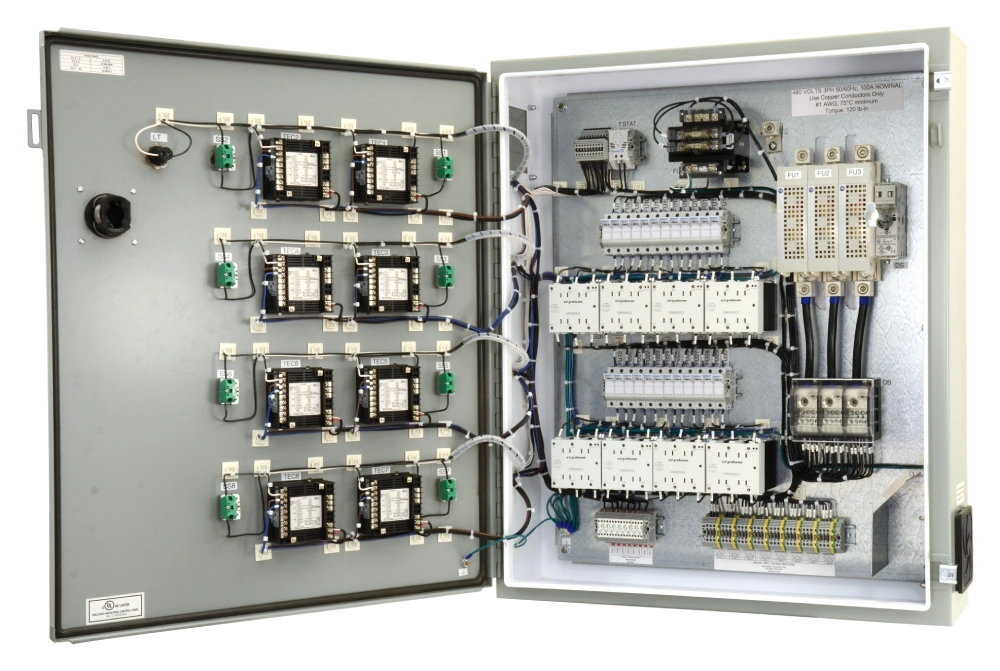
- Electrical cabinets requiring moisture protection and temperature monitoring.
- Warehouses needing stable humidity conditions for stored products.
- Agricultural facilities managing greenhouse environments.
- Laboratories requiring accurate environmental measurement.
- Industrial equipment rooms requiring continuous monitoring.
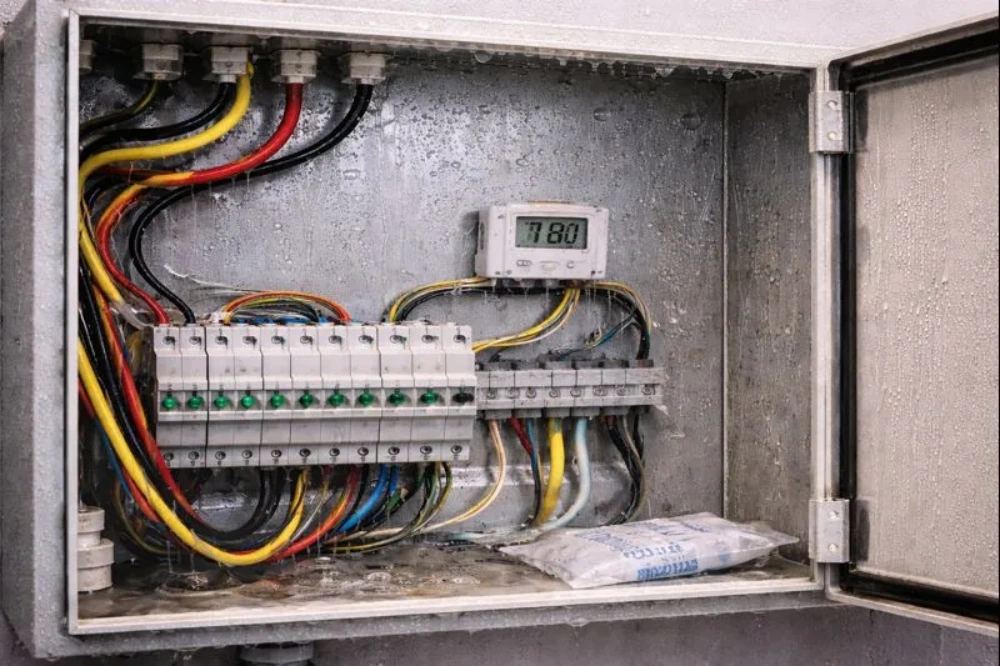
Electrical applications often focus on preventing condensation damage inside sensitive equipment. Storage environments require stable conditions to protect materials and products. Agricultural systems depend on accurate climate adjustment for better growth conditions. Laboratories need precise data because small changes can affect experimental results. Industrial facilities use monitoring systems to improve equipment reliability. Selecting proper equipment according to application conditions helps companies achieve safer and more efficient operations.
Supplier Capability And Custom Support For Professional Applications
Supplier capability influences product quality, delivery reliability, and technical assistance. Companies should evaluate manufacturing experience, quality inspection systems, and customization services before cooperation. Professional suppliers provide detailed specifications and application recommendations. They help customers select suitable configurations according to environmental conditions. The Temperature Controller for Dry type Transformer OEM/ODM solution supports customized requirements for transformer monitoring applications. This type of service allows adjustments in design, interface, and control functions. Strong engineering teams can improve product compatibility with different systems. Reliable suppliers also provide communication support during installation and operation. These advantages reduce purchasing risks and improve project efficiency. Long-term cooperation depends on stable quality, professional service, and consistent technical support.
Custom Design Options For Different Industrial Requirements
Different industries often require customized environmental monitoring solutions. OEM and ODM services allow manufacturers to adjust product structures and functions. Buyers may request different display designs, connection methods, or alarm settings. Some applications require compact housings because installation space remains limited. Others need special communication protocols for integration with control systems. Customized sensor combinations can also improve application performance. The wholesale humidity and temperature controller market includes various models designed for different environments. Companies should communicate technical requirements before production begins. Detailed discussions help suppliers create suitable solutions. Professional customization balances performance, cost, and practical requirements. Flexible production capability allows controllers to support specialized industrial projects with better compatibility.
Maintenance Methods For Extending Controller Service Life
Regular maintenance helps maintain accurate measurements and stable operation. Users should inspect sensors periodically to confirm proper performance. Calibration procedures can correct measurement deviations caused by long-term operation. Cleaning sensor surfaces prevents dust accumulation and improves detection accuracy. Electrical connections should receive routine inspections to avoid loose wiring problems. Operators should record maintenance activities for future analysis. Environmental changes may influence equipment performance over time. Proper maintenance schedules reduce unexpected failures and improve service efficiency. Manufacturers often provide recommended maintenance intervals according to product structure. Consistent care supports reliable operation in demanding industrial environments. A combination of quality equipment and proper maintenance creates stronger long-term value.
Selecting Reliable Environmental Control Solutions For Future Projects
Choosing suitable monitoring equipment requires careful evaluation of technical features, supplier reliability, and application needs. Buyers should compare sensor performance, control functions, and manufacturing standards before purchasing. A professional wholesale humidity and temperature controller supplier can provide solutions that match different industrial requirements. Product selection should consider operating conditions, installation environment, and future expansion plans. Reliable equipment helps prevent environmental problems and protects valuable assets. Companies should also review supplier support capabilities and customization options. Strong technical cooperation creates better project results. Proper evaluation ensures that selected products deliver stable performance. A well-designed environmental management system improves efficiency and supports continuous industrial development.
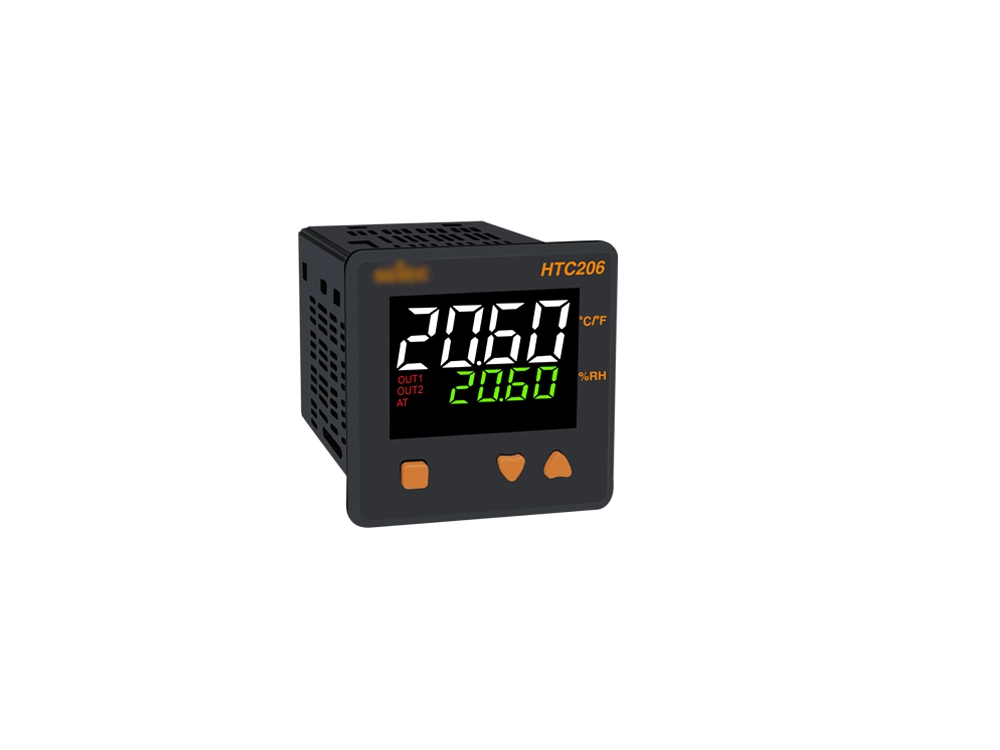
Frequently Asked Questions
What Factors Should Be Considered When Buying A Humidity And Temperature Controller In Bulk?
Bulk purchasing requires evaluation of product quality, technical specifications, and supplier reliability. Buyers should check measurement accuracy, sensor technology, output methods, and environmental compatibility. Production capacity is also important because large orders need stable delivery schedules. Suppliers should provide quality inspection information and technical documents. Custom requirements may include special communication functions or housing designs. Companies should compare different suppliers before making decisions. A reliable partner offers consistent products and professional support. Careful selection reduces operational risks and improves purchasing efficiency. Suitable equipment helps maintain stable environmental conditions across various industrial applications.