How To Evaluate Voltage Presence Indicating System Suppliers
Voltage Presence Indicating System supplier evaluation covers detection methods, safety standards, testing, and application requirements.
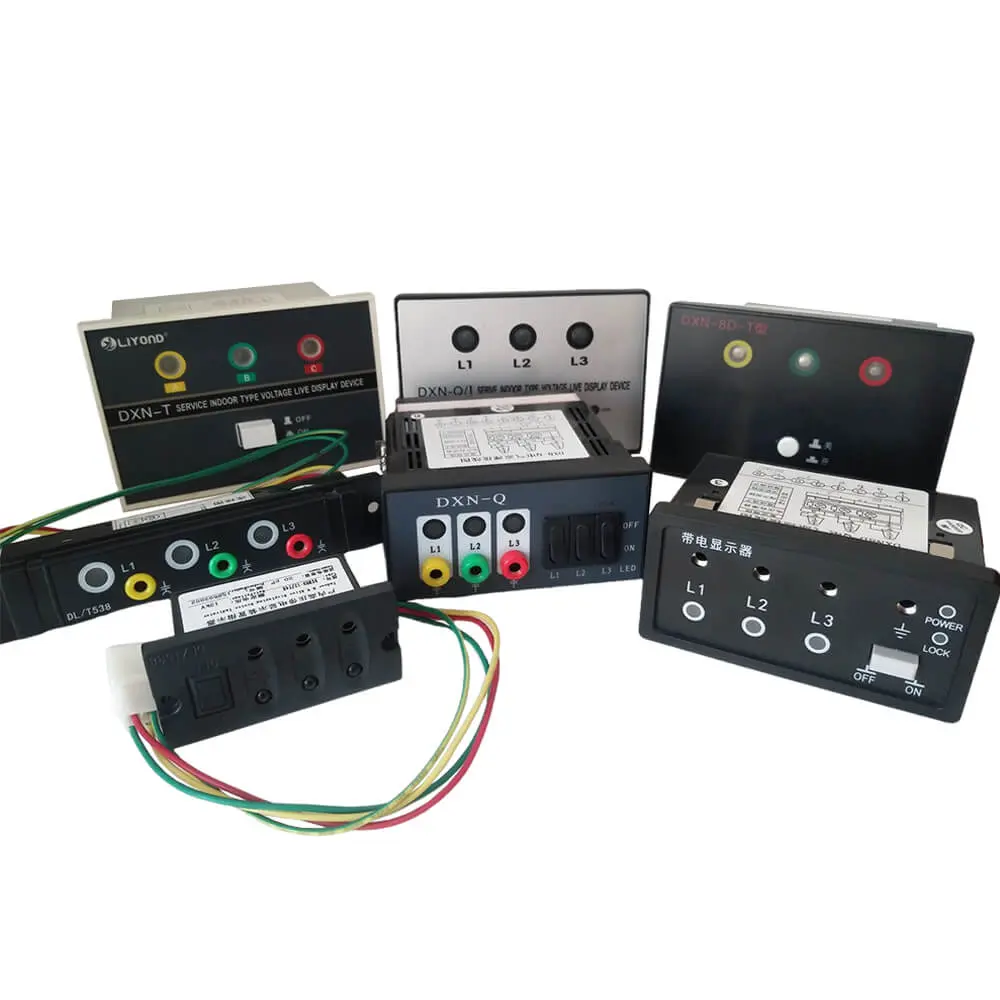
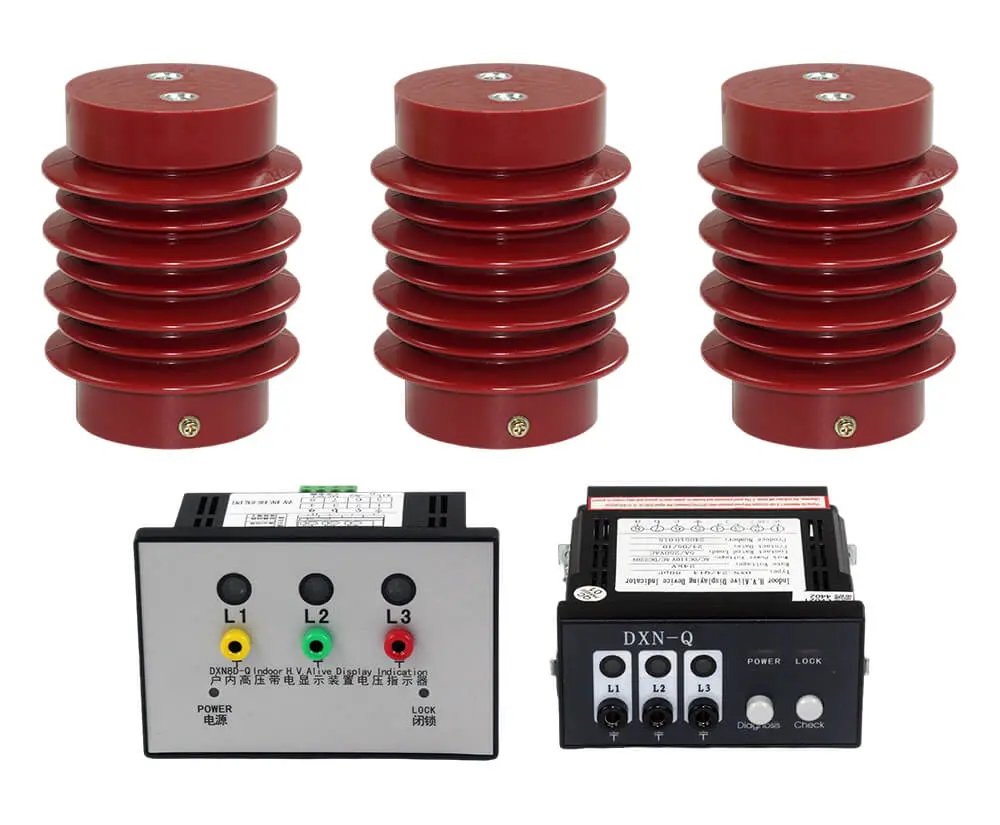
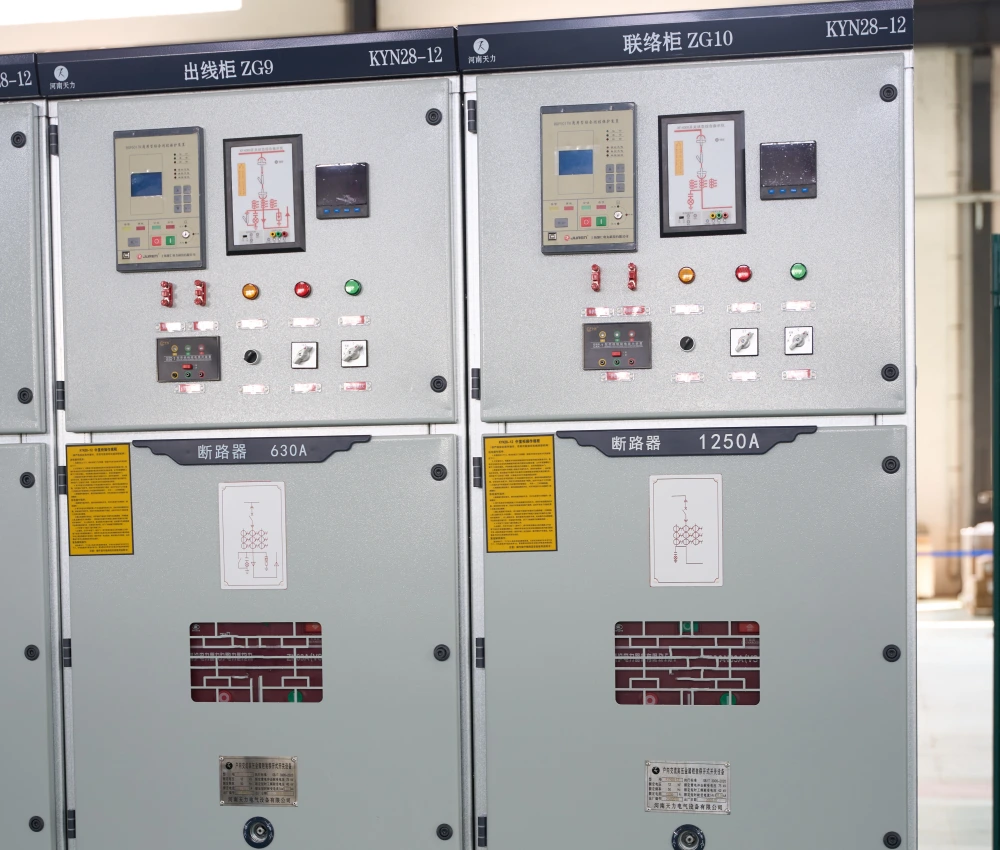
Evaluating a Voltage Presence Indicating System supplier requires attention to electrical principles, product design, and application requirements. VPIS equipment is commonly installed in medium voltage switchgear to provide visible information about voltage presence. The system helps operators confirm electrical conditions without direct contact with energized parts. A suitable supplier should provide products with accurate detection performance, stable signal transmission, and proper insulation design. Different applications may involve various voltage levels, cabinet structures, and operating environments. Technical specifications, testing records, and product documentation provide important information during evaluation. A detailed assessment should focus on detection accuracy, structural reliability, and safety performance. These factors influence how effectively the voltage indication system works in practical electrical installations.
Technical Capabilities Of A Voltage Presence Indicating System Supplier
Technical capability determines whether a supplier can provide suitable solutions for complex electrical environments. A qualified Voltage Presence Indicating System supplier should have knowledge of voltage detection principles, capacitive sensing technology, and signal display methods. VPIS products normally work with voltage sensors installed inside switchgear systems. These components detect electrical presence and provide visual signals for operators. Engineering teams should control circuit design, insulation performance, and electromagnetic compatibility during development. Suppliers with professional engineers can support different voltage levels, cabinet structures, and installation conditions. They should also provide technical documents, wiring information, and application suggestions. Strong technical capability reduces compatibility problems and improves equipment integration efficiency. Users should evaluate engineering resources before selecting a suitable product source.
Product Structure And Manufacturing Quality Control
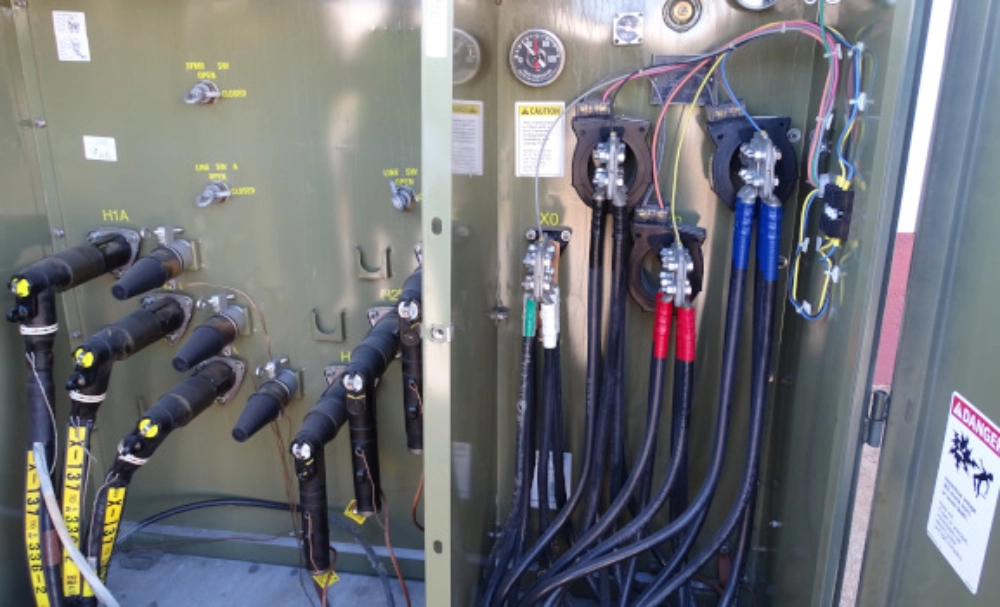
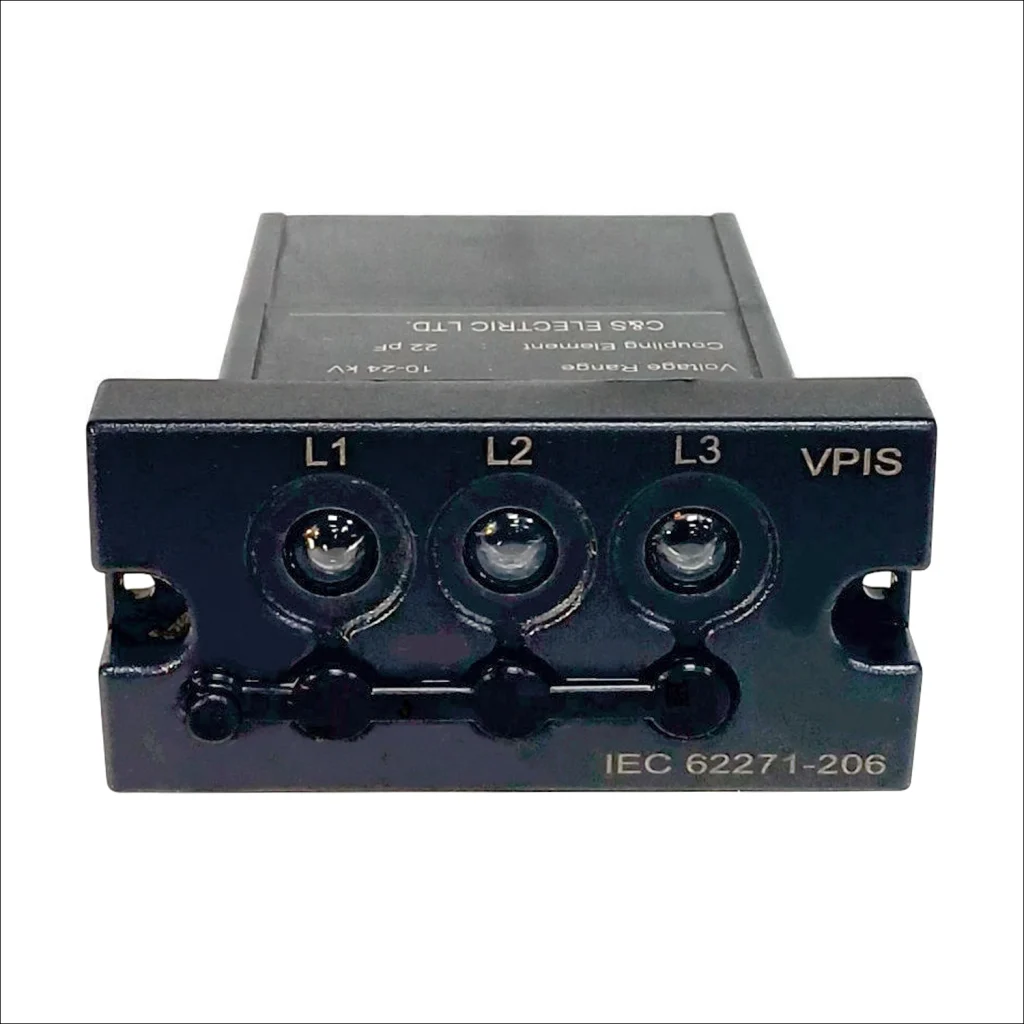
VPIS equipment contains several important components that influence detection accuracy and operating stability. The system usually includes capacitive sensors, signal processing circuits, indicator units, and connection terminals. Each component performs a specific function during voltage detection and display operation. Capacitive sensors detect electrical field changes near conductors and transfer signals to processing circuits. The electronic system analyzes these signals and controls the visual indication output. Insulation materials protect internal parts from voltage stress and environmental influence. Manufacturing quality depends on component selection, assembly accuracy, and inspection procedures. Testing processes should verify electrical characteristics, mechanical structure, and long-term performance before equipment installation.
| Component Area | Technical Function | Evaluation Focus |
|---|---|---|
| Capacitive Sensor | Detects voltage presence through electric field changes | Signal accuracy and stability |
| Electronic Circuit | Processes detection signals and controls indication output | Electrical performance and interference resistance |
| Display Unit | Shows voltage status through visible indication | Brightness, clarity, and response performance |
| Connection Terminal | Provides electrical connection between components | Contact reliability and installation compatibility |
A complete manufacturing process helps maintain consistent performance among different units. Quality inspection should include functional verification, insulation testing, and appearance checks. These procedures provide technical references for evaluating product stability in medium voltage applications.
Voltage Presence Indicating System Supplier Experience In Different Applications
Application experience helps evaluate whether a supplier can provide suitable solutions for different electrical environments. A professional Voltage Presence Indicating System supplier should have experience with various switchgear structures and operating conditions. Medium voltage systems may include substations, industrial facilities, renewable energy projects, and infrastructure equipment. Each application can involve different voltage ratings, installation spaces, and environmental conditions. Indoor switchgear usually requires compact structures and stable operation under controlled environments. Outdoor equipment may require stronger resistance against temperature changes, moisture, and external influence. Suppliers should consider sensor compatibility, cabinet design, and maintenance requirements when developing voltage indication solutions. Practical application experience helps improve product adaptability and reduces installation issues in different electrical systems.
Evaluating Customization And Engineering Support Services
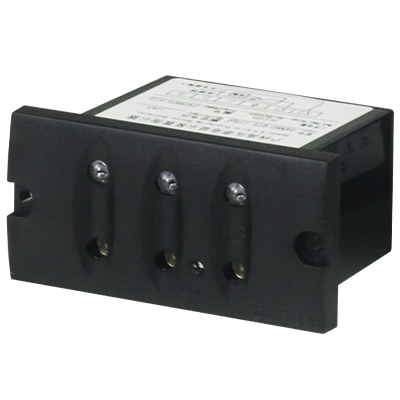
Different switchgear systems may require specific installation structures and connection methods. VPIS products should match electrical designs, cabinet layouts, and operating environments. Engineering evaluation usually includes voltage range, sensor connection methods, indicator positions, and mechanical dimensions. Some applications may require modified interfaces or special mounting structures. Technical teams should review drawings, electrical parameters, and operating conditions before production. Customized solutions can include appearance changes, connection adjustments, and functional improvements. Products such as High Voltage Indicator Display lamp plug in OEM/ODM can support specific installation requirements through flexible design options. Engineering documents, wiring diagrams, and technical specifications help ensure correct integration with existing switchgear systems.
Safety Performance And Compliance Requirements
Safety performance plays an important role in voltage indication applications. VPIS equipment operates in medium voltage environments where insulation reliability and signal accuracy directly affect maintenance safety. Electrical insulation prevents unwanted current paths between internal components and external structures. Protection design helps equipment maintain stable operation under temperature changes, humidity, and electrical stress. Evaluation should include insulation strength, voltage withstand capability, electromagnetic compatibility, and environmental protection performance. Technical documents should clearly describe rated voltage, operating conditions, installation requirements, and testing results. Proper safety evaluation confirms whether the indication system can provide accurate status information during electrical operation. These technical factors support safer maintenance procedures and improve equipment reliability.
Testing Methods For Voltage Indication Performance
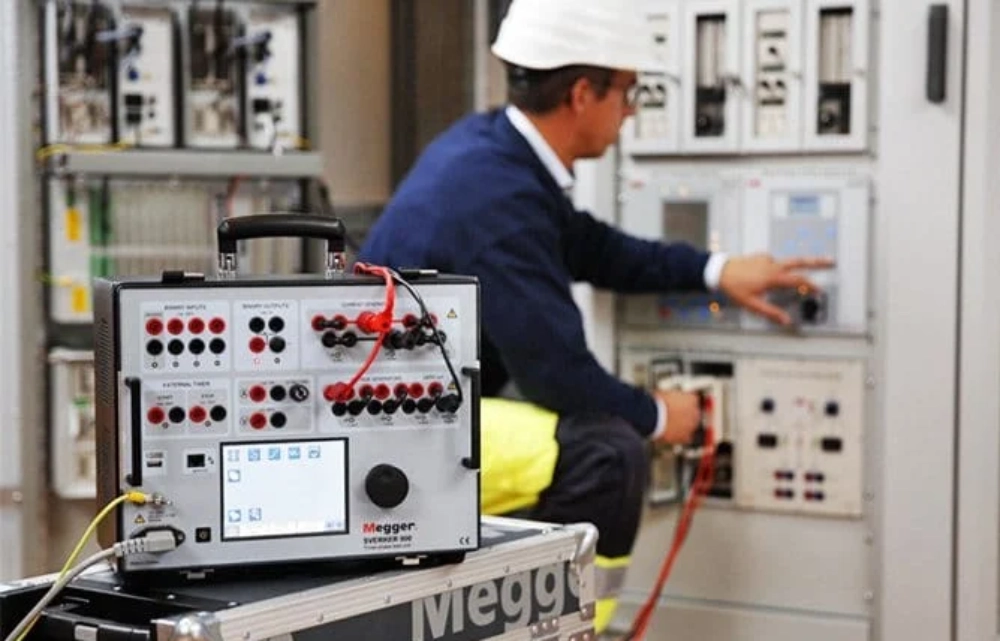
Testing procedures provide important information about the actual performance of voltage indication equipment. Manufacturers usually conduct multiple tests to verify electrical and mechanical characteristics. Functional tests check whether the indicator responds correctly when voltage exists or disappears. Insulation tests examine the ability of internal materials to resist electrical stress. Environmental tests evaluate operation under different temperature and humidity conditions. Signal accuracy testing confirms that the display provides correct voltage status information.
| Testing Category | Testing Purpose | Performance Requirement |
|---|---|---|
| Voltage Detection Test | Checks signal response under rated voltage conditions | Accurate voltage presence indication |
| Insulation Test | Evaluates electrical isolation performance | Stable operation under voltage stress |
| Environmental Test | Examines temperature and humidity resistance | Reliable performance in various conditions |
| Mechanical Test | Checks structure and connection durability | Long service life and stable installation |
Testing results provide technical evidence about product characteristics and application suitability. These evaluations are especially important for equipment installed in substations, industrial facilities, and power distribution systems. A complete testing process helps verify whether voltage indication equipment can operate under different electrical conditions.
Supply Capacity And Production Management Assessment
Production management influences product consistency and manufacturing stability. A manufacturer should maintain organized processes for component preparation, assembly, inspection, and final testing. Stable production requires suitable equipment, trained technicians, and effective quality control procedures. Component availability also affects manufacturing continuity, especially for projects requiring multiple units. Production records help track materials, assembly information, and inspection results. A structured manufacturing process reduces variation between products and supports consistent electrical performance. Technical evaluation should include factory conditions, production methods, and inspection systems. These factors provide useful information about manufacturing capability and product reliability.
Comparing Voltage Presence Indicating System Supplier Technical Advantages
Technical comparison requires attention to product design, detection methods, and application capability. A professional Voltage Presence Indicating System supplier should provide detailed information about electrical characteristics, sensing structures, and installation requirements. Different systems may use different detection methods, display technologies, and connection designs. Users should compare rated voltage, indicator type, response characteristics, and environmental adaptability. Technical documents should explain product parameters clearly and provide installation references.
Important evaluation factors include:
- Voltage detection accuracy and signal stability
- Capacitive sensing structure and electrical design
- Insulation performance under rated conditions
- Display visibility in different environments
- Installation compatibility with switchgear systems
- Testing procedures and technical documentation
Advanced solutions such as High Voltage Indicator Display with Diagnosis can provide additional status information for applications requiring enhanced monitoring. Detailed technical comparison helps users select suitable voltage indication systems according to specific electrical requirements.
Maintenance Requirements And Long-Term Performance Factors
Regular maintenance helps maintain stable performance of voltage indication equipment throughout its service period. Inspection procedures usually include checking display conditions, connection points, insulation status, and external damage. Dust, moisture, and mechanical stress may influence product operation over time. Operators should follow recommended inspection intervals and verify that indication functions work correctly. Technical records can help track equipment conditions and identify potential issues before failures occur. Proper maintenance also includes checking installation conditions and confirming that electrical connections remain secure. Modern voltage indication systems continue to improve through enhanced sensing components, clearer display methods, and additional diagnostic functions.