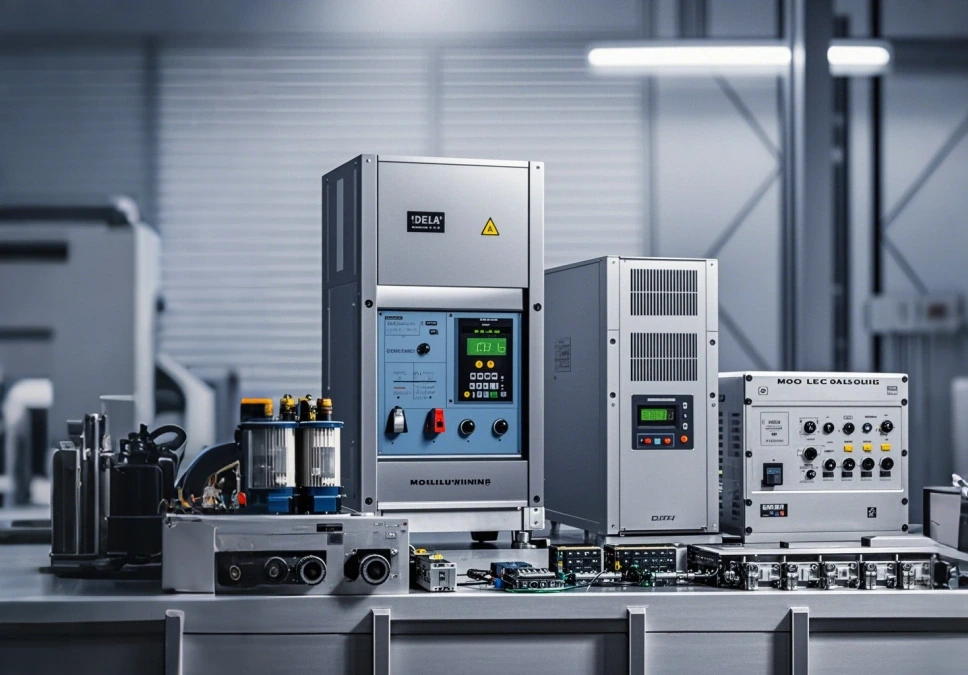
How To Find Quality VPIS Voltage Indicator Wholesale?
Vpis voltage indicator wholesale covers testing, materials, specifications, and quality factors for reliable medium voltage applications.
Quality Factors That Define Reliable Vpis Voltage Indicator Wholesale Solutions
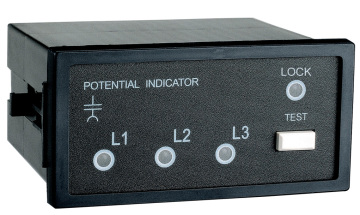
Vpis voltage indicator wholesale products are important components in medium voltage switchgear systems because they provide clear voltage status information during maintenance operations. These devices help technicians identify electrical conditions before accessing equipment. Reliable performance depends on accurate sensing technology, insulation protection, component stability, and manufacturing precision. Voltage presence indicators usually detect electrical signals through capacitive coupling methods without direct contact with energized conductors. Buyers should evaluate rated voltage compatibility, environmental resistance, display visibility, and installation requirements before selecting suitable equipment.
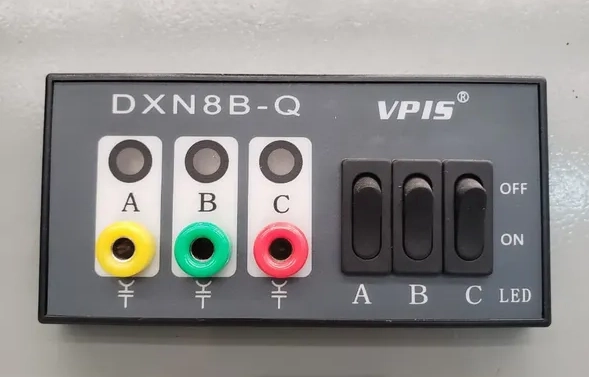
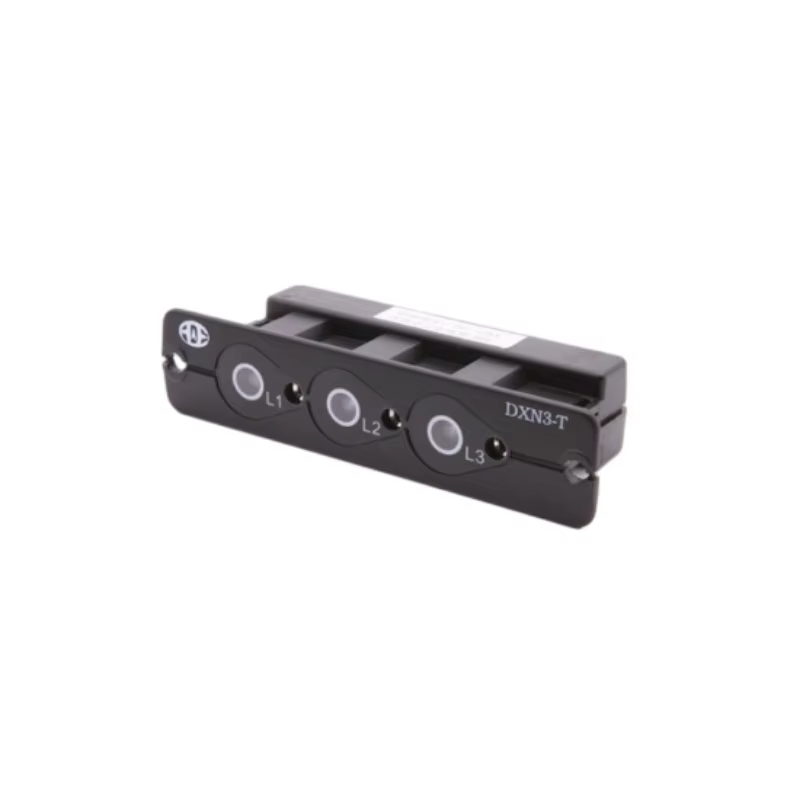
A high-quality product should maintain stable operation under different industrial conditions. Proper technical evaluation reduces maintenance risks and supports safer power distribution management. Product design, production control, and inspection procedures together determine long-term operational reliability.
Electrical Performance Standards Behind Advanced vpis voltage indicator wholesale Products
Electrical performance standards directly influence the reliability of voltage detection equipment used in medium voltage applications. Engineers normally review electrical parameters such as rated voltage range, frequency compatibility, insulation strength, and signal response accuracy. Capacitive sensing technology allows the system to detect voltage presence through electrical coupling between conductors and sensing circuits. Internal components process signals and provide visible indication for maintenance personnel. Advanced designs must reduce electromagnetic interference and maintain stable operation during voltage fluctuations. International electrical requirements also influence insulation coordination and testing procedures. Some manufacturers develop Voltage Presence Indicating System with Diagnosis OEM/ODM solutions that combine voltage detection with diagnostic functions. These systems support customized switchgear applications by providing additional operational information. Careful electrical assessment helps organizations select suitable solutions for demanding power environments.
Material Selection And Manufacturing Processes Affect Product Reliability
Material selection plays an important role in determining equipment durability and operational safety. Manufacturers usually choose flame-resistant engineering plastics for protective housings because these materials provide insulation performance and mechanical protection. Internal electronic components require effective protection against moisture, dust, and vibration. Circuit boards often receive protective coatings that improve resistance against environmental factors. Connection terminals need stable conductivity because signal transmission depends on reliable electrical contact. Manufacturing accuracy also affects product consistency because small assembly differences may influence detection performance. Production teams normally conduct component inspections, assembly checks, and functional verification during manufacturing. The following table presents common materials and their roles in voltage indication equipment.
| Material Component | Main Purpose | Performance Effect |
|---|---|---|
| Engineering Plastic Housing | Provides insulation and physical protection | Improves safety and durability |
| Electronic Circuit Board | Processes voltage sensing signals | Maintains accurate indication |
| Protective Coating Layer | Blocks moisture and contamination | Extends service stability |
| Connection Terminals | Transfers electrical signals | Supports reliable operation |
Manufacturing management connects component quality with final product performance. Production facilities need strict process control to maintain consistent results between different batches. Inspection records provide evidence of material quality, assembly accuracy, and functional performance. Environmental conditions in industrial facilities may create challenges for electrical components, so manufacturers must consider protection methods during design and production. Proper quality management reduces potential failures and improves operational confidence. Buyers can review technical documentation and production procedures to evaluate manufacturing capability. A structured manufacturing system supports reliable voltage indication performance across various switchgear applications.
Testing Procedures That Ensure Performance Stability
Testing procedures verify whether voltage indication equipment can maintain reliable operation under different electrical and environmental conditions. Manufacturers usually perform multiple inspections before products enter industrial applications. Electrical tests evaluate insulation strength, signal response, and display accuracy. Environmental tests examine temperature changes, humidity influence, and mechanical stress resistance. These procedures simulate possible operating conditions and identify potential weaknesses. A professional testing system helps maintain stable product performance and reduces unexpected failures during service. The following table summarizes common testing methods and their main evaluation purposes.
| Testing Method | Testing Purpose | Quality Benefit |
|---|---|---|
| High Voltage Withstand Test | Evaluates insulation capability under electrical stress | Improves operational safety |
| Insulation Resistance Test | Checks electrical isolation performance | Reduces leakage risks |
| Temperature Cycling Test | Measures environmental adaptability | Supports stable long-term operation |
| Display Function Test | Verifies visible status accuracy | Improves maintenance efficiency |
Testing data provides valuable references for technical evaluation and application planning. A Fixed Voltage Presence Indicating System requires consistent sensing capability because it supports continuous electrical status monitoring. Manufacturers analyze inspection results to confirm whether equipment meets required specifications. Complete testing procedures also help identify design limitations before installation. Engineers can compare test records with operating conditions to select suitable solutions. This approach improves equipment reliability and supports safer maintenance procedures in medium voltage power systems.
Key Technical Specifications To Compare Before Purchasing Voltage Indicators
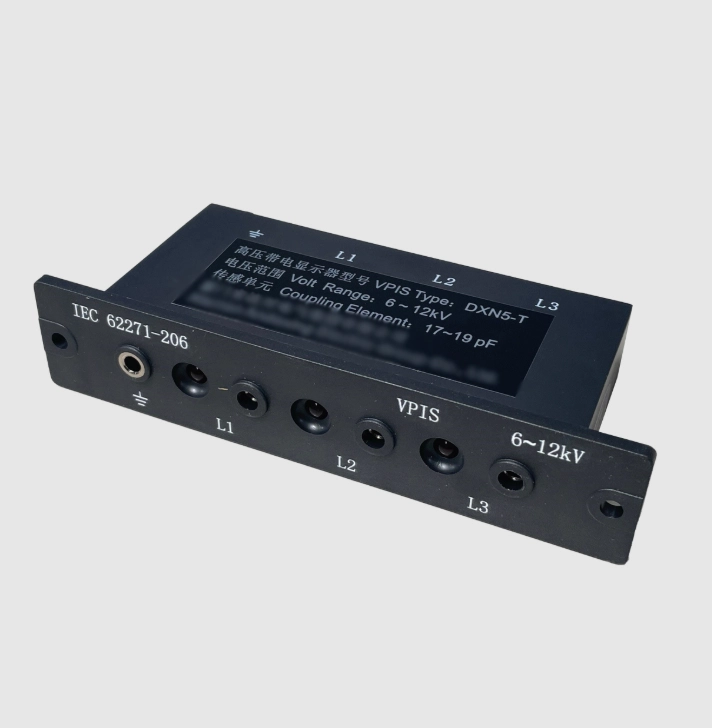
Technical specifications determine whether a voltage indicator matches the requirements of a specific electrical system. Different switchgear structures may require different sensing ranges, installation methods, and protection levels. Engineers should review important parameters before making purchasing decisions. Key factors include:
- Rated voltage range and frequency compatibility
- Installation dimensions and mounting requirements
- Display visibility under different lighting conditions
- Environmental protection capability
- Maintenance requirements during operation
Specification comparison helps buyers avoid compatibility problems during installation. Rated voltage must match the electrical system to ensure accurate detection results. Installation dimensions influence whether the equipment can fit existing switchgear structures. Display performance affects how quickly maintenance personnel recognize voltage conditions. Environmental protection levels become important in industrial locations exposed to dust, moisture, or temperature changes. A detailed comparison process improves selection accuracy and supports reliable electrical system operation.
Supplier Evaluation Methods For Long Term Procurement Decisions
Supplier evaluation involves examining technical capability, production management, and quality control practices. Buyers should consider manufacturing experience, inspection procedures, documentation quality, and engineering support. Production consistency becomes important when projects require multiple units with identical specifications. Suppliers with organized manufacturing processes can reduce differences between production batches. Technical communication also influences project efficiency because customized requirements may require additional design adjustments. Evaluation should focus on measurable factors rather than only purchase costs. Important considerations include:
- Manufacturing process control
- Technical documentation availability
- Quality inspection procedures
- Product customization capability
- Response efficiency during project coordination
A complete supplier assessment helps organizations select suitable partners for long-term electrical applications. Production reliability depends on both equipment quality and management systems. Buyers can review testing records, technical files, and previous application experience before making decisions. These evaluation methods reduce potential risks and improve cooperation efficiency. A reliable supply process supports stable equipment operation and simplifies future maintenance activities.
Common Mistakes When Selecting Voltage Indicator Suppliers
Incorrect selection decisions may create operational challenges during equipment installation and maintenance. Some buyers focus mainly on product price while ignoring technical compatibility and performance verification. Others fail to evaluate environmental conditions or electrical requirements before purchasing. Voltage indication equipment must match the application because unsuitable specifications may result in inaccurate status information. Buyers should review certification documents, inspection records, and technical parameters carefully. Communication with suppliers also helps prevent misunderstandings about installation conditions and required functions. A complete evaluation process considers quality, technical support, and production stability. These factors contribute to safer electrical maintenance and reduce unnecessary replacement costs.
Future Development Trends In Voltage Presence Indication Technology
Voltage indication technology continues developing with improvements in digital monitoring and intelligent electrical systems. Modern designs increasingly combine traditional visual signals with diagnostic functions and communication features. Smaller electronic components allow more compact equipment structures. Improved signal processing methods enhance detection accuracy and reduce interference from surrounding systems. Smart switchgear applications require more detailed operational information for predictive maintenance and energy management. Manufacturers are also improving environmental protection designs to support wider industrial use. Future solutions may integrate additional monitoring functions with automated platforms. These developments support safer maintenance procedures and provide better operational visibility for medium voltage distribution networks.
Frequently Asked Questions
What Factors Affect VPIS Indicator Quality?
The quality of electrical indication equipment depends on sensing accuracy, material performance, manufacturing control, and testing procedures. Reliable products require stable electronic components, suitable insulation structures, and accurate signal processing methods. For buyers evaluating vpis voltage indicator wholesale options, technical specifications should match the electrical system requirements and installation environment. Environmental conditions such as humidity, temperature variation, and vibration can influence long-term performance. Inspection records and testing reports provide useful references during selection. A complete evaluation process helps organizations choose suitable equipment for safe maintenance operations and stable medium voltage applications.