How To Maintain Switchgear Lighting For Longer Lifespan?
Switchgear lighting maintenance for longer lifespan through inspection, cleaning, testing, and replacement in industrial systems.
Switchgear lighting maintenance fundamentals for industrial systems
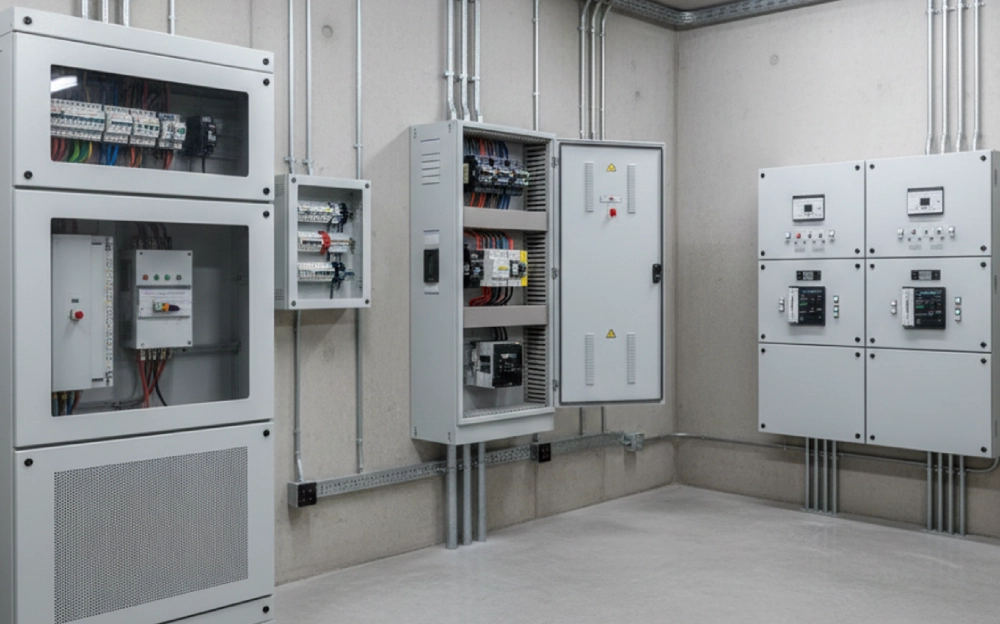
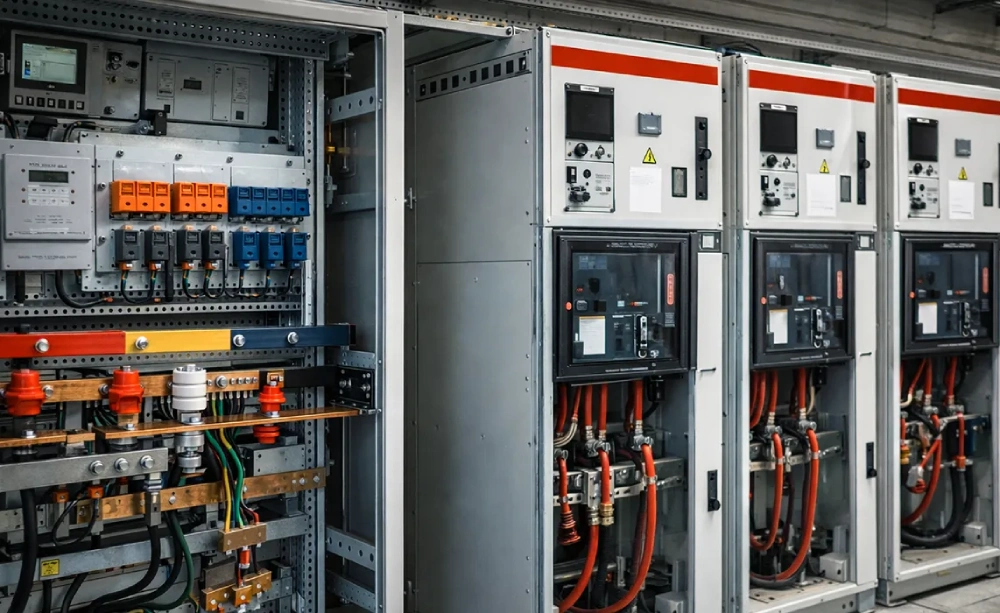
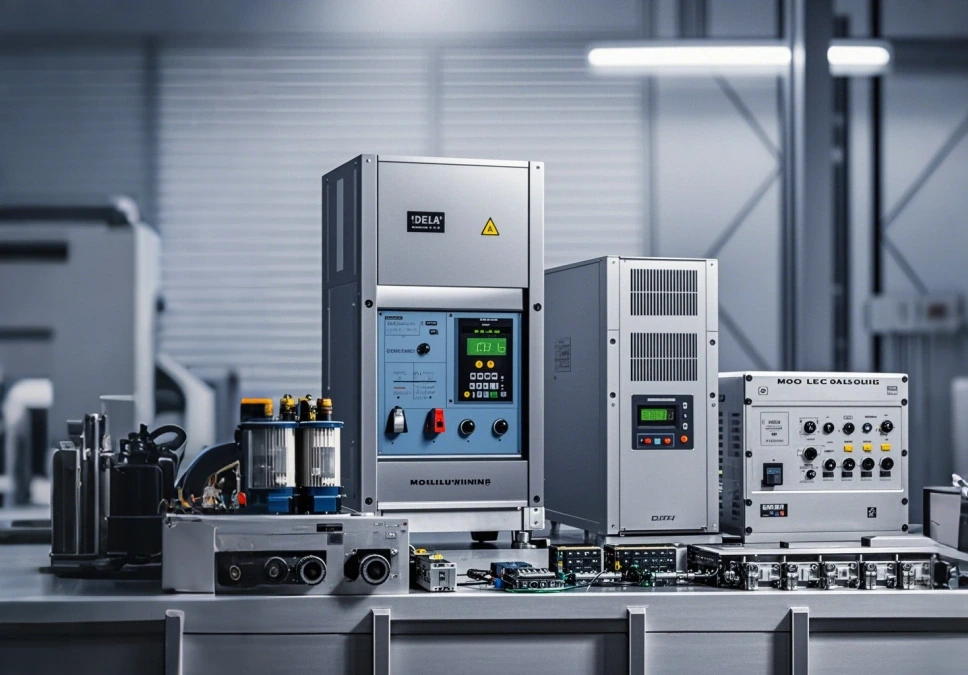
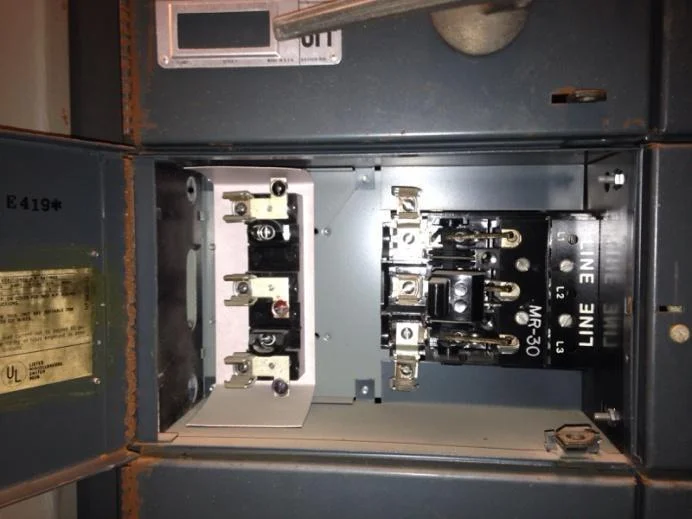
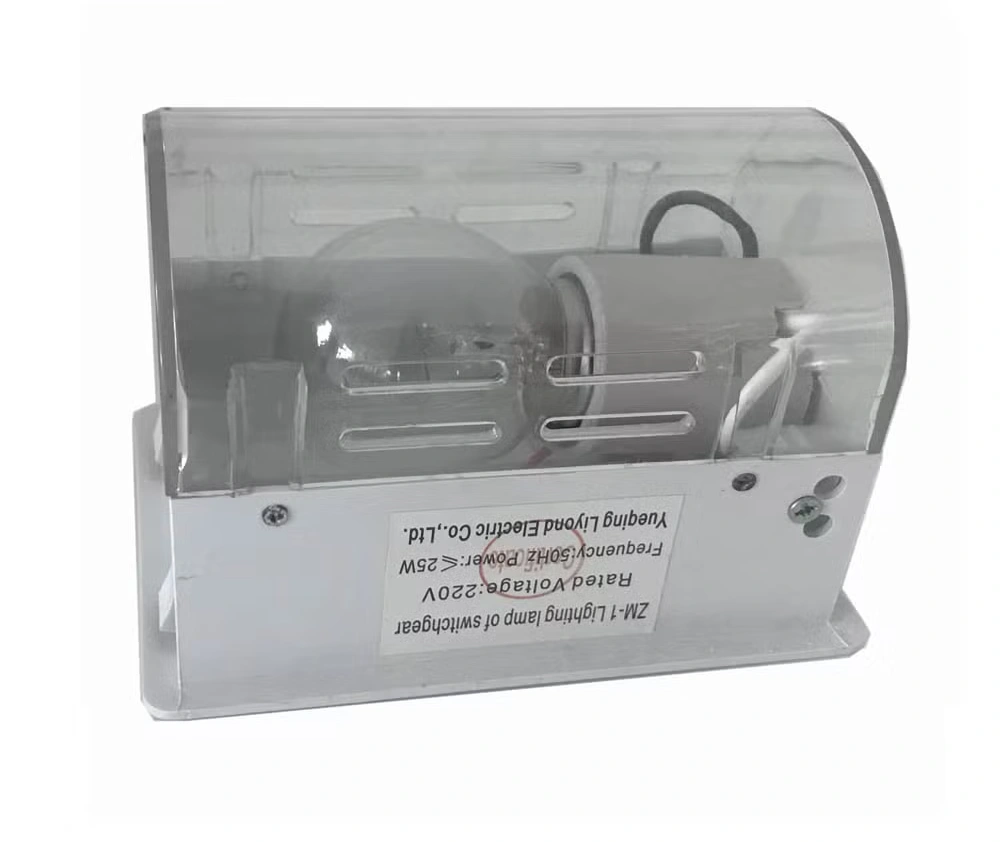
Industrial electrical cabinets depend on stable illumination for safe and accurate operation. Proper lighting inside switchgear panels supports technicians during fault detection and inspection tasks. Most systems operate in sealed environments where heat accumulation and dust gradually reduce performance stability. Voltage fluctuations also influence lighting reliability and may shorten component lifespan over time. Modern facilities widely adopt LED solutions due to efficiency and durability advantages. However, legacy systems still rely on older fluorescent lighting technologies. Routine inspection ensures early detection of performance degradation before failure occurs. Environmental sealing quality strongly impacts lighting lifespan in harsh industrial conditions. Structured planning is essential to maintain consistent lighting performance across operations.
Inspection scheduling and industrial lighting standards
A structured inspection plan is essential for stable operation in electrical systems. Most facilities apply monthly visual checks and quarterly electrical testing schedules. Harsh environments require more frequent evaluation due to dust and humidity exposure. Switchgear lighting maintenance ensures early identification of brightness changes and electrical instability. Industry standards such as IEC 61439 provide guidance for safe maintenance practices. Temperature monitoring inside enclosures helps detect abnormal heat buildup early. Documentation of inspection results supports long term performance analysis and planning. Preventive scheduling reduces unexpected failures and improves operational continuity. Accurate records also improve decision making in maintenance strategies.
Common failure causes in switchgear lighting systems
Thermal stress is one of the primary causes of lighting degradation in industrial environments. High internal temperatures accelerate LED aging and reduce output stability over time. Voltage instability can damage driver components and create irregular lighting performance. Dust accumulation reduces heat dissipation efficiency and increases internal system temperature. Moisture intrusion may lead to corrosion of electrical circuits and connectors. Vibration from industrial machinery can loosen wiring connections gradually. Poor installation practices increase early failure risks in lighting systems. Continuous operation without thermal control further accelerates material fatigue. Identifying these factors supports effective maintenance planning.
Cleaning and environmental protection strategies
Cleaning procedures are essential for maintaining stable illumination inside electrical enclosures. Technicians use non abrasive materials to remove dust from protective surfaces. Reflective components require periodic cleaning to ensure uniform light distribution. Chemical cleaning agents must be selected carefully to avoid material damage. Proper sealing systems reduce dust and moisture penetration in industrial environments. Silicone gaskets enhance protection against humidity and airborne particles. Internal airflow optimization helps maintain stable operating temperatures. Air filtration systems further reduce contamination levels inside cabinets. Regular cleaning prevents overheating and improves system durability.
| Maintenance Action | Recommended Frequency | Risk Level if Ignored |
|---|---|---|
| Visual inspection | Monthly | Medium |
| Electrical testing | Quarterly | High |
| Deep cleaning | Every 6 months | Medium |
The table highlights core maintenance actions used in industrial lighting systems. Each activity directly supports system reliability through early fault detection and correction. Visual inspection identifies surface issues such as dimming or dust accumulation. Electrical testing ensures voltage stability and circuit integrity under load conditions. Cleaning maintains thermal balance and prevents contamination buildup. Together, these actions reduce unexpected failures and improve operational efficiency. Structured maintenance execution is critical for long term system stability.
Electrical safety and testing procedures
Electrical safety procedures are critical in industrial maintenance environments. Technicians isolate circuits before performing any inspection or repair work. Switchgear lighting maintenance includes insulation resistance testing to verify circuit integrity. Voltage measurements help detect abnormal power fluctuations in lighting systems.Loose terminals must be tightened to prevent overheating and resistance buildup. Grounding verification ensures system stability and reduces shock hazards. Arc flash protection procedures are mandatory in high voltage environments. Protective equipment is required for all maintenance personnel. Accurate testing records support compliance and troubleshooting processes.
Component selection and replacement strategy
Component replacement decisions depend on performance condition and operational requirements. LED modules offer longer lifespan compared to traditional lighting technologies. Switchgear lighting maintenance planning includes lifecycle forecasting for replacements.
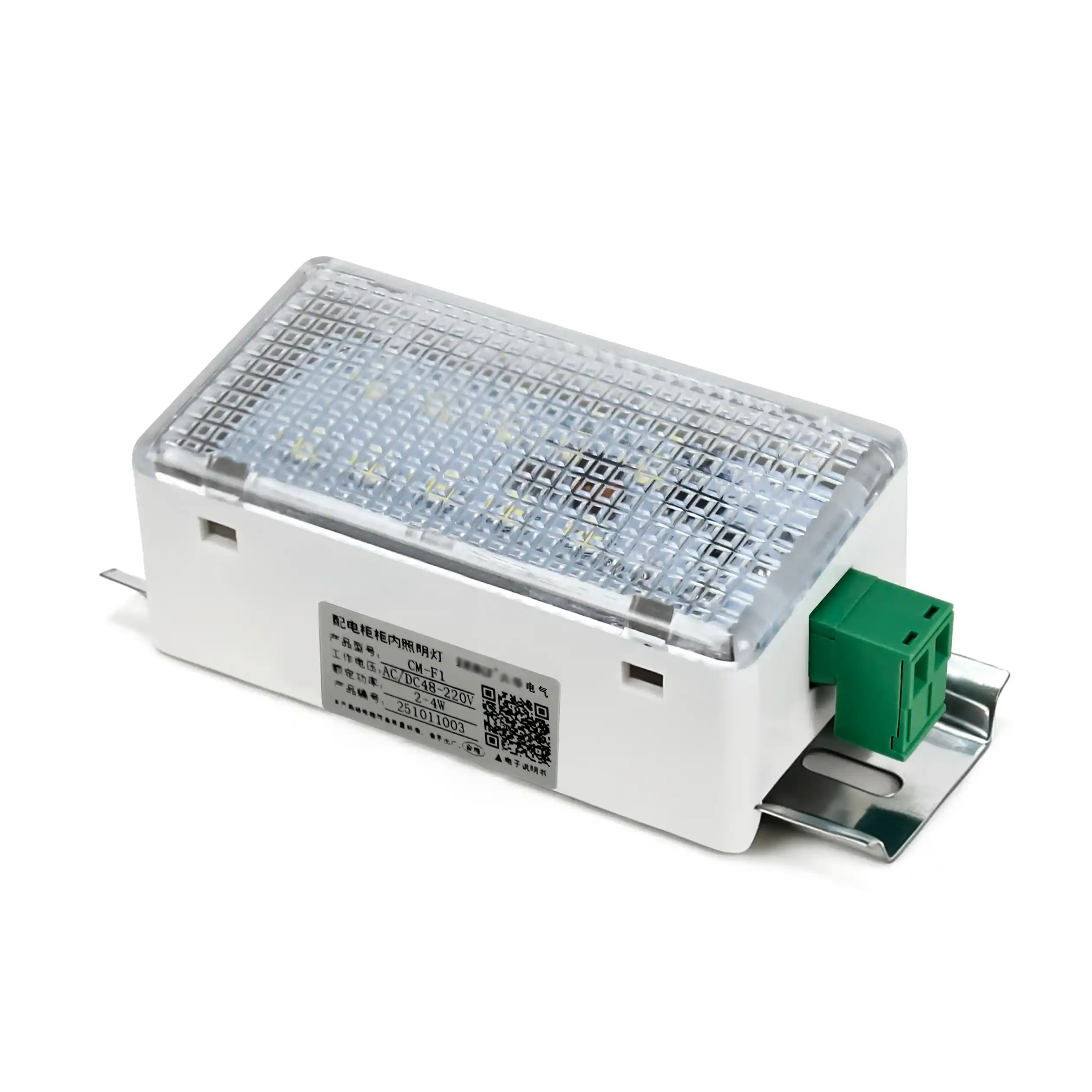
Driver units must match voltage specifications for stable operation. Heat resistant materials improve durability in high temperature environments. Energy efficient components reduce overall power consumption. Standardized parts simplify inventory and maintenance workflows. Compatibility checks are necessary before replacement installation. Proper selection improves system reliability and reduces downtime risk.
Lifecycle management and operational efficiency
Lifecycle management improves long term efficiency in switchgear lighting maintenance systems. Historical performance data helps identify failure patterns and degradation trends. Digital monitoring systems provide real time visibility of lighting conditions. Maintenance teams adjust schedules based on actual operating behavior. Predictive strategies reduce unnecessary maintenance activities. Lifecycle tracking supports spare parts planning and budgeting accuracy. Standard reporting improves communication between engineering teams. Long term data analysis enhances system reliability and stability. Proper documentation ensures compliance with industrial standards.
| Component | Average Lifespan | Replacement Indicator |
|---|---|---|
| LED module | 50000 hours | Dimming output |
| Driver unit | 30000 hours | Voltage fluctuation |
| Sealing gasket | 5 years | Moisture leakage |
This table presents lifecycle data for key lighting components used in industrial systems. Recognizing lifespan differences helps improve planning accuracy for replacements. LED modules typically degrade through gradual brightness reduction. Driver units often fail due to unstable voltage conditions. Sealing components deteriorate from environmental exposure over time. Proper lifecycle awareness supports predictive maintenance strategies. This improves system reliability and reduces unexpected downtime.
FAQ
How often should switchgear lighting maintenance be performed?
Maintenance frequency depends on environmental conditions and operational load. Most industrial facilities follow monthly inspection routines and quarterly electrical testing. Harsh environments require shorter intervals due to dust and humidity exposure. Temperature variations inside enclosures also influence scheduling decisions. Preventive maintenance helps detect issues before failure occurs. Regular inspections reduce downtime and improve system safety. Documentation supports long term performance tracking. Proper scheduling ensures stable lighting operation. In high risk environments, weekly visual checks may also be adopted to enhance early fault detection and ensure continuous operational safety across critical systems.
What are the most common signs of lighting failure in switchgear systems?
Common failure signs include flickering, dimming, and unstable brightness output. Voltage instability often causes irregular lighting behavior. Heat buildup inside enclosures may indicate ventilation problems. Moisture presence increases risk of electrical corrosion. Loose connections can lead to intermittent lighting performance. Color shifts may signal component aging. Early detection improves system reliability. Continuous monitoring reduces failure risks. In many cases, technicians also observe delayed startup or uneven illumination across panels, which often indicates driver degradation or internal circuit stress requiring immediate inspection and corrective maintenance actions.
Can LED upgrades improve maintenance efficiency?
LED upgrades significantly improve efficiency in industrial lighting systems. They reduce maintenance frequency due to longer lifespan. Lower heat output improves thermal conditions inside enclosures. Energy efficiency reduces operational costs across facilities. Maintenance workload decreases due to fewer replacements. LED systems provide more stable lighting performance. Compatibility with existing systems must be verified before installation. Overall efficiency improves through reduced downtime and maintenance effort. Additionally, LED upgrades support predictive maintenance strategies because performance degradation is more gradual and measurable, allowing maintenance teams to schedule interventions more accurately and reduce unexpected system interruptions.