How To Select A VPIS Indicator Supplier For Switchgear?
Choose a VPIS Indicator supplier with quality control, custom options, precise testing, and reliable switchgear solutions for safety.
How Switchgear Applications Require Reliable VPIS Indicator Solutions
VPIS Indicator supplier selection directly affects switchgear safety, operational stability, and maintenance efficiency. Voltage Presence Indicating Systems provide visual confirmation of electrical conditions before inspection activities. These devices allow operators to verify voltage status and reduce risks during electrical maintenance procedures. Modern switchgear systems often operate under demanding environments with strict safety requirements. Buyers should evaluate technical capability, product quality, and manufacturing experience before cooperation. A reliable supplier should provide accurate indication performance, durable components, and stable production control. Proper evaluation helps companies select suitable solutions for different switchgear applications. Professional support, testing capability, and customization services also influence long-term cooperation results in industrial electrical projects.
Why Choosing The Right VPIS Indicator Supplier Matters For Switchgear Safety
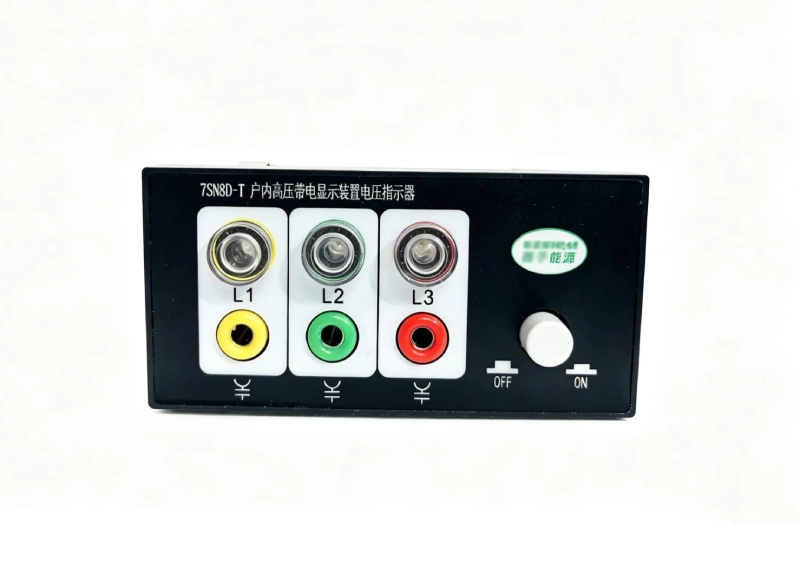
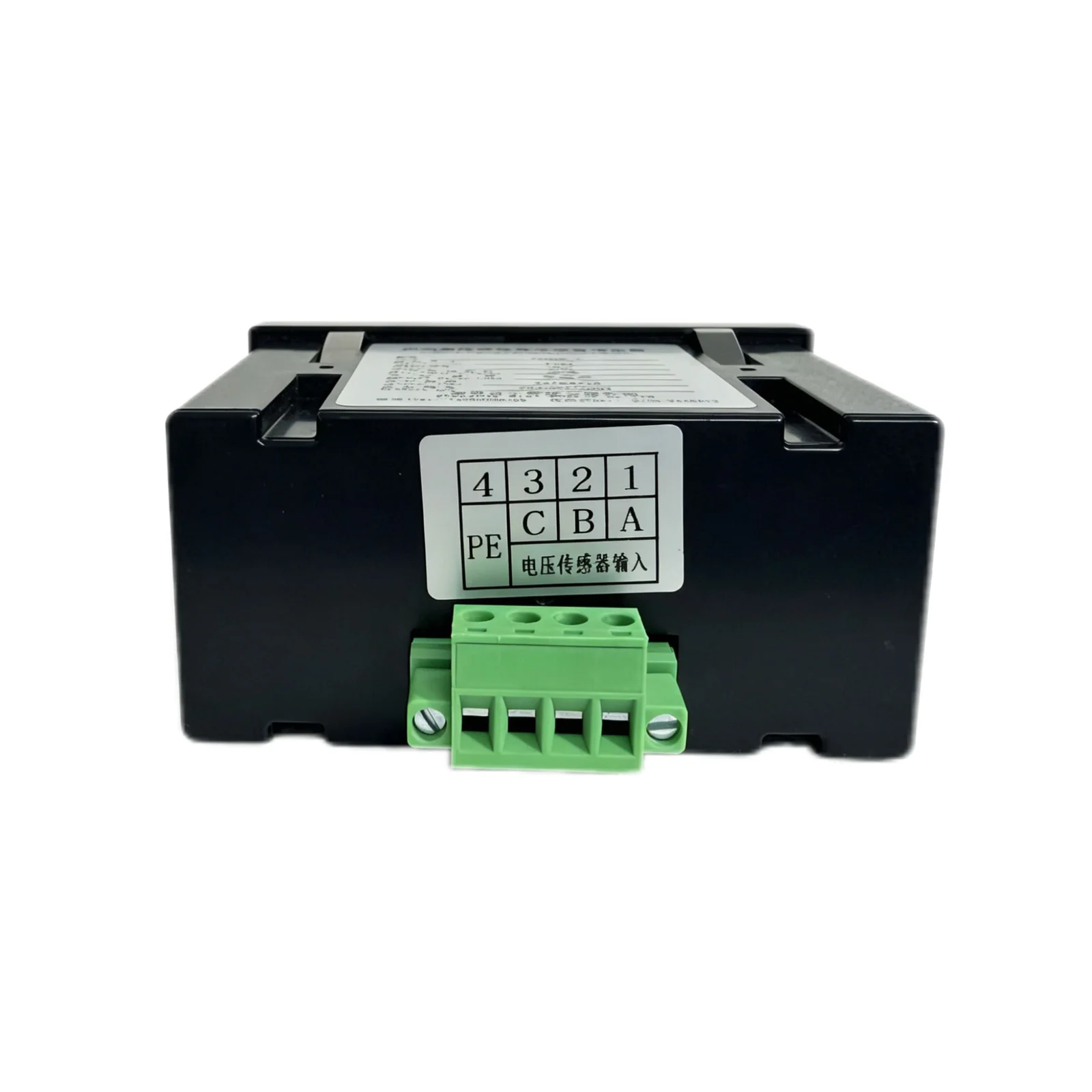
Switchgear safety depends on accurate voltage monitoring and dependable indication components. A qualified supplier should have knowledge of different cabinet structures, voltage levels, and installation requirements. VPIS devices usually include sensing elements, signal circuits, and visual display modules. These components work together to indicate whether electrical voltage exists. Poor product design or unstable materials may affect indication accuracy during important maintenance operations. Experienced suppliers normally conduct electrical tests, environmental assessments, and quality inspections before shipment. They also provide technical documents and application recommendations for various switchgear systems. Selecting the right partner improves equipment compatibility and reduces possible operational problems. Strong supplier capability creates better reliability for power distribution projects requiring continuous electrical safety management.
Evaluate Technical Expertise Before Selecting A VPIS Indicator Supplier
Technical expertise represents an important factor when evaluating electrical component suppliers. Professional manufacturers should have knowledge of voltage detection principles and switchgear application requirements. They need to analyze rated voltage, frequency range, insulation performance, and working temperature. Advanced engineering teams can optimize product structures according to different equipment designs. They also focus on signal accuracy and electrical stability during long-term operation. A capable supplier should maintain research ability and production experience for customized projects. Engineering support helps buyers avoid incorrect product selection and installation difficulties. Companies should review technical documents, previous applications, and manufacturing processes before cooperation. Strong technical knowledge allows suppliers to provide practical solutions beyond standard product delivery and supports reliable switchgear performance.
Check Material Quality And Manufacturing Standards Of VPIS Components
Material quality influences the durability and safety performance of voltage indication products. A professional supplier should select suitable insulation materials, protective housings, and electronic components for industrial environments. VPIS components require excellent dielectric performance, temperature resistance, and mechanical stability. High-quality flame-resistant materials protect internal circuits from environmental stress. Precision manufacturing ensures accurate assembly between sensors, indicators, and connection interfaces. Production control should include material inspection, assembly monitoring, and electrical performance testing. For customized applications, the 88x28mm Switchgear Voltage Indicator Vpis OEM/ODM provides flexible design options for different switchgear requirements. Buyers should review manufacturing standards carefully because component quality directly affects service life and operational reliability.
| Evaluation Factor | Technical Requirement | Supplier Capability |
|---|---|---|
| Electrical Performance | Stable voltage detection and accurate indication output | Professional testing equipment and verification procedures |
| Material Selection | High insulation strength and environmental resistance | Reliable component sourcing and quality control |
| Production Process | Consistent assembly accuracy and product stability | Standardized manufacturing management |
| Engineering Support | Application analysis and technical assistance | Experienced development teams |
How Quality Evaluation And Testing Standards Improve Supplier Reliability
Quality evaluation and testing standards help buyers identify dependable electrical component partners. Switchgear products require strict verification because small defects may influence system safety. A professional VPIS Indicator supplier should maintain inspection procedures covering material checks, electrical testing, and final performance evaluation. These processes reduce product variation and improve manufacturing consistency. Testing methods may include insulation assessment, voltage response verification, temperature resistance analysis, and mechanical inspection. Buyers should review testing records and technical documents before selecting suppliers. Strong quality management demonstrates production responsibility and improves confidence in product reliability. Suppliers with advanced verification systems usually provide more stable solutions for demanding power distribution environments. Regular testing also supports continuous product improvement and long-term application performance.
How Product Testing Capability Supports Long Term Switchgear Performance
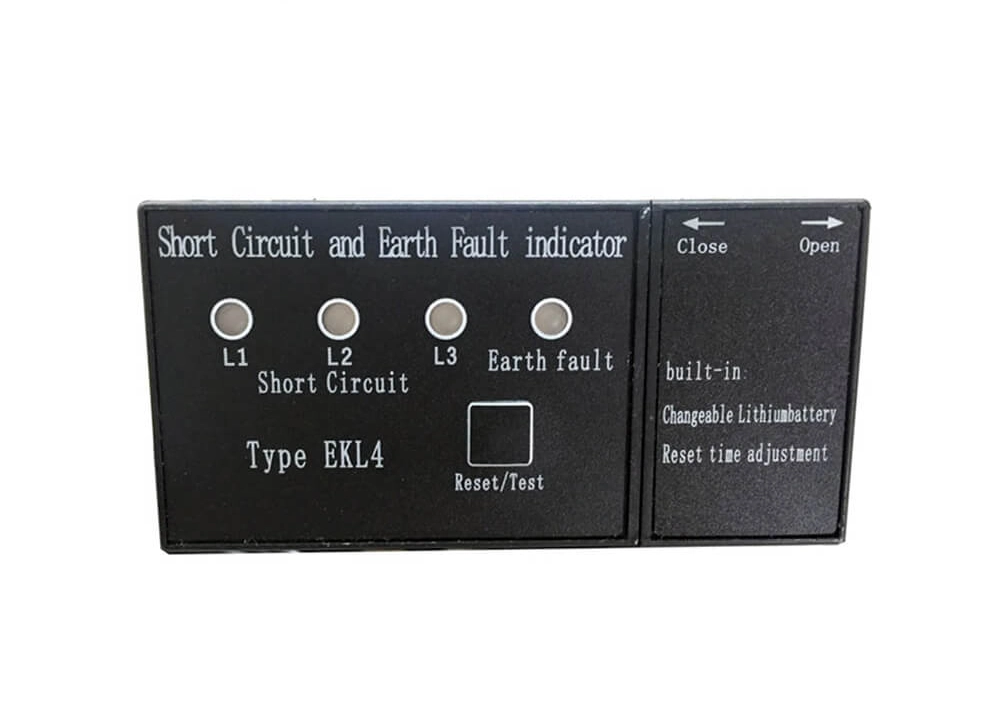
Testing capability shows whether suppliers can maintain consistent product quality during manufacturing. Electrical indication components must operate under continuous voltage stress and changing environmental conditions. Professional manufacturers establish inspection systems based on product characteristics and application requirements. These systems evaluate electrical parameters, structural integrity, and operational stability. A qualified supplier should provide transparent testing information and detailed specifications. Buyers can compare inspection methods to identify companies with stronger production control. Regular testing also helps manufacturers improve product designs and reduce possible defects. Stable verification procedures create better performance during installation and maintenance stages. Therefore, testing capability becomes an important consideration when selecting electrical component partners for switchgear projects. Strong verification ability also reflects the professional capability of a VPIS Indicator supplier when supporting industrial customers.
| Testing Item | Purpose | Performance Benefit |
|---|---|---|
| Insulation Test | Verify dielectric strength and electrical protection capability | Improves operational safety |
| Voltage Detection Test | Check indication accuracy under rated conditions | Ensures reliable status display |
| Temperature Test | Evaluate operation under different environments | Supports long service life |
| Mechanical Inspection | Confirm structural strength and installation compatibility | Reduces maintenance problems |
How Customization Services Create Flexible Switchgear Solutions
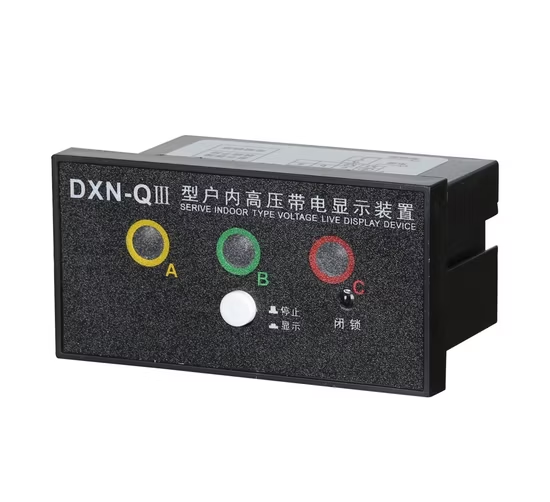
Customization capability provides greater flexibility for different switchgear applications. Industrial electrical systems often use various cabinet structures, connection methods, and voltage configurations. An experienced supplier should adjust product designs according to specific project requirements. Custom options may include housing dimensions, interface structures, indicator layouts, and electrical parameters. Engineering teams should analyze application conditions before recommending suitable solutions. Professional manufacturers with OEM and ODM experience can support special product development. The DXN8D 12 Voltage Presence Indicating System represents a solution designed for voltage presence monitoring applications with specific operating requirements. Buyers should review previous customization cases and technical support ability before cooperation. Flexible design capability helps improve equipment compatibility and reduces installation challenges during electrical system integration.
Important Factors To Review Before Cooperation With Electrical Component Suppliers
Industrial buyers should evaluate several factors before selecting suitable electrical component partners. A complete assessment process helps reduce procurement risks and improves project efficiency. Important considerations include:
- Product compatibility with different switchgear structures and voltage ranges.
- Manufacturing experience with electrical indication products.
- Customization ability for special installation requirements.
- Quality inspection procedures and production management systems.
- Technical communication efficiency during project development.
- Delivery reliability for regular and large-volume orders.
These factors provide a practical evaluation framework for supplier selection. Companies should focus on technical value, product stability, and service capability instead of only considering purchase costs. Suppliers with stronger engineering resources can support different application scenarios more effectively. A balanced evaluation method helps buyers establish reliable cooperation and achieve stable performance. Proper assessment also improves project planning because suppliers can provide accurate recommendations based on actual operating conditions.
How Supply Chain Capability Influences Industrial Procurement Decisions
Supply chain management affects product availability and project execution schedules. Switchgear manufacturers and system integrators often require stable component delivery for planned production activities. A professional supplier should maintain reliable material sourcing, production scheduling, and quality monitoring processes. Effective supply management reduces delays caused by material shortages or manufacturing issues. Suppliers with experienced logistics coordination can support international orders more efficiently. Buyers should evaluate production capacity, inventory planning, and communication response speed before establishing cooperation. Stable supply capability provides confidence for long-term projects because customers can receive consistent products within expected timelines. Strong manufacturing management combined with efficient logistics creates smoother procurement processes and reduces uncertainty in electrical equipment projects.
| Supplier Capability | Buyer Concern | Expected Performance |
|---|---|---|
| Customization Service | Product adaptation for different switchgear designs | Flexible engineering and OEM support |
| Production Capacity | Handling repeated and bulk orders | Stable manufacturing output |
| Quality Management | Maintaining consistency between batches | Complete inspection procedures |
| Technical Support | Installation and application assistance | Professional communication service |
How Professional Support Builds Long Term Switchgear Project Value
Professional support improves cooperation throughout the complete product lifecycle. Suppliers should provide technical communication during selection, installation, and operation stages. Experienced teams can analyze application requirements and recommend suitable voltage indication solutions. They also help customers solve technical questions after product delivery. Effective support reduces project risks and improves equipment reliability. Strong supplier relationships include accurate documentation, fast communication, and continuous service improvement. Buyers should evaluate support capability together with product quality because both factors influence cooperation results. Companies that provide comprehensive assistance create additional value for industrial customers. A dependable partner offers stable products and practical solutions throughout project development, helping customers achieve safer and more efficient switchgear operations.
FAQ
What Should Buyers Check Before Choosing A VPIS Indicator Supplier?
Buyers should review several important factors before selecting a suitable supplier for switchgear applications. Product quality, technical experience, testing procedures, and customization capability are essential evaluation points. A reliable supplier should provide accurate specifications and demonstrate stable manufacturing ability. Companies should also check whether suppliers can support different voltage levels, cabinet structures, and installation conditions. Quality documents, inspection records, and engineering communication help confirm supplier reliability. Delivery capability and after-sales support are also important because industrial projects require continuous cooperation. Careful evaluation helps buyers reduce operational risks and obtain dependable voltage indication solutions. A professional supplier should provide consistent performance, technical assistance, and long-term cooperation value for electrical system projects.
How Does A Reliable Supplier Improve Switchgear Safety?
A reliable supplier improves switchgear safety by providing accurate voltage presence detection products and professional technical support. High-quality indication systems help operators confirm electrical conditions before maintenance activities. Suppliers with advanced testing processes can ensure product stability under different operating environments. They also provide suitable designs according to voltage requirements, installation structures, and application conditions. Strong manufacturing control reduces the possibility of inaccurate indications or product failures. In addition, professional suppliers offer technical documents and service assistance throughout the project lifecycle. These advantages improve equipment reliability, protect maintenance personnel, and support safer electrical system management. Choosing an experienced partner helps customers maintain stable switchgear performance under demanding operating environments.
Can Electrical Component Suppliers Provide Customized Solutions?
Many experienced electrical component suppliers can provide customized solutions according to specific switchgear requirements. Customization services may include product dimensions, electrical parameters, connection designs, and appearance adjustments. Engineering teams usually analyze customer applications before creating suitable solutions. OEM and ODM cooperation allows companies to develop products that match equipment structures and project requirements. Professional suppliers also provide technical communication during development stages. This support helps prevent compatibility issues and improves installation efficiency. Buyers should evaluate supplier design capability, manufacturing experience, and previous customization projects before cooperation. A flexible supplier can provide more suitable solutions for specialized electrical applications and support customers with different technical requirements.